Electrical outlets are the unsung heroes of modern life, quietly delivering power to every device we depend on. When they suddenly stop working, it can disrupt your entire day and leave you frustrated, searching for quick solutions to restore power safely.

Whether you’re dealing with a single dead outlet or multiple power failures throughout your home, understanding how to troubleshoot effectively can save you time, money, and potential safety hazards. This comprehensive guide will walk you through professional-grade troubleshooting steps to diagnose and fix common outlet problems quickly and safely.
🔌 Understanding the Basics: Why Outlets Stop Working
Before diving into troubleshooting, it’s essential to understand the common culprits behind outlet failures. Electrical outlets can malfunction for numerous reasons, ranging from simple tripped breakers to more complex wiring issues that require professional attention.
Most outlet problems stem from overloaded circuits, ground fault circuit interrupter (GFCI) trips, loose connections, or worn-out receptacles. Identifying the root cause is the first step toward restoring power efficiently and preventing future disruptions.
Power interruptions can also result from external factors like storms, utility company issues, or problems with your home’s main electrical panel. Understanding these distinctions helps you determine whether you can handle the repair yourself or need to call a licensed electrician.
Safety First: Essential Precautions Before You Begin
Electrical work carries inherent risks, and safety should always be your top priority. Before attempting any outlet troubleshooting, take these critical safety measures to protect yourself and your property from electrical hazards.
Always turn off power at the circuit breaker before inspecting or working on any outlet. Use a non-contact voltage tester to verify that power is truly off before touching any wires or terminals. Never assume an outlet is dead simply because it’s not working.
Wear rubber-soled shoes and avoid standing on wet surfaces when working with electricity. Keep one hand in your pocket or behind your back when testing live circuits to prevent current from traveling across your heart. If you feel uncomfortable at any point, stop immediately and contact a professional electrician.
⚡ Quick Check: Is It Really Your Outlet?
Before assuming your outlet has failed, eliminate other possibilities that might be causing the problem. This simple preliminary check can save you unnecessary troubleshooting time and effort.
First, test the device or appliance that isn’t working in a different outlet you know functions properly. If the device works elsewhere, the problem is definitely with your original outlet. If it doesn’t work anywhere, the issue lies with the device itself, not your electrical system.
Check if other outlets in the same room or adjacent rooms are also affected. Multiple dead outlets often indicate a tripped breaker or GFCI issue rather than individual outlet failure. This pattern recognition helps narrow down the troubleshooting path significantly.
The Circuit Breaker Investigation
Circuit breakers are designed to protect your home’s electrical system by automatically shutting off power when circuits become overloaded or short circuits occur. Checking your breaker panel should be your first troubleshooting step.
Locate your home’s main electrical panel, typically found in basements, garages, utility rooms, or exterior walls. Open the panel door and look for any breakers in the “off” position or sitting in a middle position between on and off.
To properly reset a tripped breaker, first push it firmly to the “off” position, then flip it back to “on.” You should hear a distinct click when it engages. If the breaker trips immediately again, you have a more serious problem like a short circuit or ground fault that needs professional diagnosis.
🔍 Hunting Down GFCI Issues
Ground Fault Circuit Interrupters (GFCIs) are safety devices designed to prevent electrical shock by detecting ground faults and cutting power within milliseconds. These outlets feature “Test” and “Reset” buttons and are commonly found in bathrooms, kitchens, garages, and outdoor locations.
A single GFCI outlet often protects multiple standard outlets downstream on the same circuit. When the GFCI trips, all protected outlets lose power, even though they appear normal. This is why identifying GFCI locations in your home is crucial for efficient troubleshooting.
Check all GFCI outlets in your home by pressing the “Reset” button. You may hear a click and see a small indicator light change status. If the GFCI won’t reset or trips immediately, it could indicate a ground fault in the circuit, moisture infiltration, or a defective GFCI that needs replacement.
Testing Your Outlet with the Right Tools
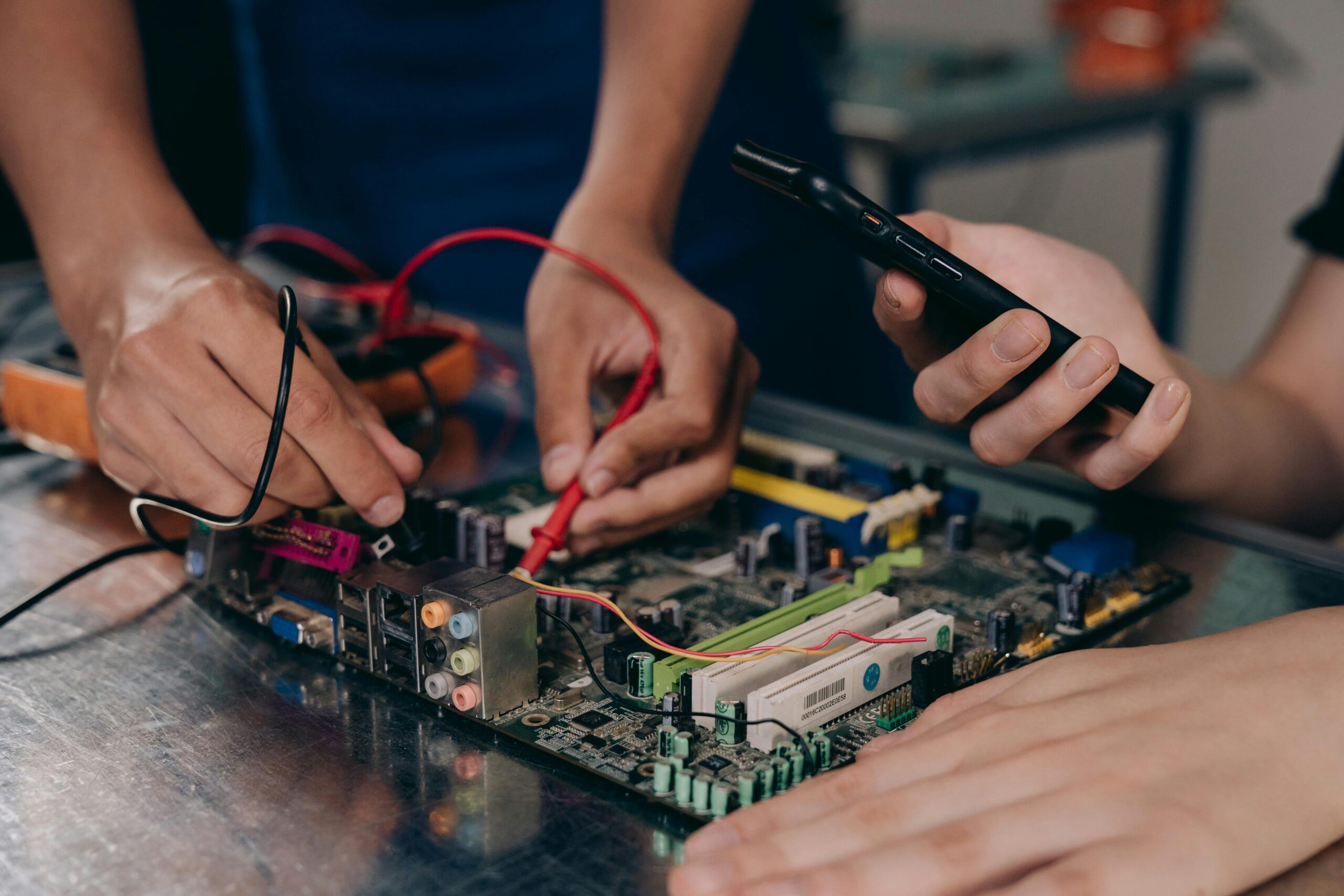
Professional electricians rely on specific tools to diagnose outlet problems accurately. Having these basic testing devices can empower you to troubleshoot more effectively and safely.
A non-contact voltage tester is an essential safety tool that detects the presence of electrical current without direct contact. Simply hold it near the outlet or wiring, and it will light up or beep when voltage is present. This tool helps verify that power is truly off before working.
An outlet tester (also called a receptacle tester) plugs directly into the outlet and uses indicator lights to show whether the outlet is wired correctly. These inexpensive devices can identify open grounds, open neutrals, hot/ground reversals, and other common wiring errors that compromise safety and functionality.
📋 The Complete Outlet Troubleshooting Checklist
Follow this systematic checklist to diagnose and potentially fix your outlet problem methodically. Work through each step before moving to the next for the most efficient troubleshooting process.
- Verify the device or appliance works in other outlets to confirm outlet failure
- Check for tripped circuit breakers in your electrical panel and reset if necessary
- Locate and test all GFCI outlets in your home, pressing the reset button
- Inspect the outlet for visible damage like burn marks, melted plastic, or loose faceplates
- Use a voltage tester to confirm whether power is reaching the outlet
- Test the outlet with a receptacle tester to identify wiring problems
- Turn off the breaker and check for loose wire connections inside the outlet box
- Examine wire insulation for damage, fraying, or signs of overheating
- Verify the outlet is securely mounted and not pushed too far back into the box
- Check if the outlet is on a switch that controls power to the receptacle
When Loose Connections Are the Culprit
Loose wire connections are among the most common causes of outlet failure and can create dangerous fire hazards. Over time, the mechanical stress of plugging and unplugging devices can loosen terminal screws or push-in connections.
After turning off the breaker and verifying no voltage is present, remove the outlet cover plate and unscrew the outlet from the electrical box. Carefully pull the outlet forward without disconnecting the wires. Inspect all wire connections at the side terminals and back of the outlet.
Tighten any loose terminal screws clockwise until snug but not over-tightened. If wires are connected using push-in terminals at the back, these connections often fail and should be replaced with proper side terminal connections using the screw terminals instead for more reliable, long-lasting connections.
🛠️ Replacing a Defective Outlet
Sometimes the outlet itself has simply worn out or become damaged beyond repair. Replacing an outlet is a straightforward DIY project if you follow proper procedures and safety protocols.
Purchase a replacement outlet that matches your existing outlet’s specifications. Standard outlets are rated for 15 amps and 125 volts, but verify your requirements. Choose a quality outlet with a solid construction rather than the cheapest available option for better longevity.
After shutting off the breaker and verifying no power, photograph the existing wire connections before disconnecting anything. Remove wires one at a time from the old outlet and connect them to the same positions on the new outlet. Green or bare copper wires connect to the green ground screw, white wires to silver screws (neutral), and black or colored wires to brass screws (hot).
Dealing with Multiple Dead Outlets
When multiple outlets stop working simultaneously, the problem typically lies upstream in the circuit rather than with individual outlets. This scenario requires a different troubleshooting approach focusing on shared electrical components.
After ruling out tripped breakers and GFCI issues, the problem may be a failed connection at the first outlet in the circuit chain. Outlets are often wired in series, meaning power flows from the breaker to the first outlet, then jumps to the next outlet, and so on. A single failed connection breaks the chain for all downstream outlets.
Identify which outlets are affected and try to determine their physical relationship to each other. The first outlet in the affected group (closest to the electrical panel or upstream in the circuit) is the most likely location of the problem. Inspect this outlet’s connections carefully for loose, corroded, or damaged wires.
⚠️ Recognizing When to Call a Professional
While many outlet problems can be addressed through DIY troubleshooting, certain situations absolutely require a licensed electrician’s expertise. Recognizing these scenarios protects you from injury and prevents potential code violations.
Call a professional immediately if you see any signs of electrical burning, smell burning plastic or a hot electrical odor, notice sparks when plugging in devices, or find melted or discolored outlets. These indicate serious problems that could lead to electrical fires if not addressed properly.
If your troubleshooting reveals aluminum wiring, significantly outdated electrical systems, recurring breaker trips despite no obvious cause, or you need to access wiring in finished walls, professional assistance is warranted. Licensed electricians have the training, tools, and experience to handle complex electrical issues safely and in compliance with local codes.
Preventing Future Outlet Problems
Once you’ve restored power to your outlets, take proactive steps to prevent future failures and extend the life of your electrical system. Regular maintenance and smart usage habits significantly reduce the likelihood of outlet problems.
Avoid overloading outlets by plugging too many devices into a single receptacle using adapters or power strips. Each outlet and circuit has amp limits, and exceeding these creates heat that damages connections and increases fire risk. Distribute high-wattage appliances across multiple circuits.
Periodically test GFCI outlets by pressing the “Test” button monthly to ensure they’re functioning correctly. Replace outlets that feel loose when plugging in devices, show any signs of damage, or are more than 15-20 years old. Install childproof outlet covers in homes with young children for added safety.
🏡 Upgrading Your Electrical System for Reliability
If you’re experiencing frequent outlet problems, your home’s electrical system may be outdated and unable to handle modern power demands. Consider these upgrades to improve reliability and safety.
Replace standard outlets in kitchens, bathrooms, and outdoor areas with GFCI-protected receptacles if they aren’t already installed. This upgrade provides critical shock protection and is required by current electrical codes in these locations.
Consider installing arc-fault circuit interrupter (AFCI) breakers or outlets in bedrooms and living areas. These devices detect dangerous arcing conditions that standard breakers miss and provide an additional layer of fire protection. Install USB outlets in frequently used locations for convenient device charging without adapters.
Understanding Your Home’s Electrical Capacity
Modern homes consume significantly more electricity than homes built just decades ago. Understanding your electrical system’s capacity helps you avoid overloads that cause outlet and breaker failures.
Check your main electrical panel to determine your home’s total amperage service, typically 100, 150, or 200 amps for residential properties. Count how many circuits you have and assess whether this adequately serves your needs. Homes with insufficient capacity may require panel upgrades to support additional circuits and outlets.
Calculate the electrical load for circuits where you’ve experienced problems. Add up the wattages of all devices typically plugged into outlets on that circuit and divide by voltage (usually 120V) to determine amperage. If this approaches or exceeds the circuit’s amp rating (typically 15 or 20 amps), you’re overloading the circuit and need to redistribute devices or add circuits.
Smart Home Integration and Outlet Monitoring
Modern technology offers innovative solutions for monitoring and managing your home’s electrical outlets. Smart outlets and monitoring systems provide real-time insights into power consumption and outlet functionality.
Smart outlets allow you to control power remotely via smartphone apps, schedule on/off times, and monitor energy usage for connected devices. Some models include built-in surge protection and can send alerts if they detect abnormal electrical conditions. These features help identify potential problems before complete outlet failure occurs.
Whole-home energy monitors connect to your electrical panel and track power consumption across all circuits. These systems help identify which circuits and outlets are drawing excessive power and can alert you to unusual patterns that might indicate developing electrical problems.
💡 Final Power-Up Strategies for Long-Term Success
Maintaining a reliable, safe electrical system requires ongoing attention and periodic professional inspections. Develop a proactive approach to electrical maintenance rather than waiting for failures to occur.
Schedule a professional electrical inspection every 3-5 years, or more frequently for older homes. Licensed electricians can identify developing problems, verify proper grounding, check for code violations, and recommend upgrades to improve safety and reliability. These inspections often catch issues before they cause outlet failures or safety hazards.
Keep detailed records of your electrical system, including circuit layouts, breaker labels, GFCI locations, and any repairs or upgrades performed. This documentation proves invaluable during troubleshooting and helps electricians work more efficiently when professional help is needed. Update your records whenever changes are made to your electrical system.
Remember that electrical safety is never something to compromise on or take lightly. While this troubleshooting checklist empowers you to address many common outlet problems independently, always prioritize safety over convenience. When in doubt, consult with a qualified electrician who can ensure repairs are completed correctly, safely, and in compliance with all applicable electrical codes and regulations.