Transforming bare walls into stunning focal points doesn’t have to be intimidating. With the right tools and techniques, anyone can master the art of wall decor and create a beautifully curated space that reflects their personality and style.

Whether you’re a seasoned DIY enthusiast or a complete beginner, understanding the essential tools for hanging shelves and pictures will save you time, prevent costly mistakes, and ensure your decorative pieces stay securely in place for years to come. Let’s dive into everything you need to know about wall decor installation.
🔧 Understanding Your Wall Type Before You Begin
Before you grab your hammer and start making holes, identifying your wall type is crucial for selecting the appropriate hardware and tools. Different wall materials require specific approaches to ensure secure mounting and prevent damage.
Drywall is the most common interior wall material in modern homes. It’s relatively soft and requires anchors for heavy items. Plaster walls, found in older homes, are harder and more brittle, demanding careful drilling techniques. Concrete and brick walls require specialized drill bits and anchors but offer exceptional holding power once properly installed.
To identify your wall type, try the pushpin test in an inconspicuous area. If the pin slides in easily, you likely have drywall. If it’s difficult to penetrate and creates a chalky residue, you’re dealing with plaster. Masonry walls will be impossible to penetrate with a pushpin.
Essential Tools Every Wall Decor Enthusiast Needs
Building a comprehensive toolkit ensures you’re prepared for any hanging project. While you don’t need every tool immediately, gradually acquiring these essentials will make your decorating projects smoother and more professional-looking.
Measuring and Marking Tools ✏️
Precision is everything when hanging wall decor. A quality tape measure, preferably 25 feet long, is indispensable for calculating spacing and placement. Invest in a laser level or traditional bubble level to ensure your shelves and pictures hang perfectly straight—nothing screams amateur like a crooked frame.
A pencil for marking is obvious, but consider using a mechanical pencil for finer lines. Blue painter’s tape is excellent for temporarily positioning items and marking reference points without leaving residue. For more complex arrangements, craft paper templates can help you visualize the final layout before committing to holes.
Drilling and Installation Equipment
A cordless drill is perhaps the most valuable investment for wall decor projects. Look for models with adjustable torque settings and both drilling and driving modes. A hammer drill function is beneficial if you frequently work with masonry walls.
Drill bit sets should include various sizes for different anchor types. Masonry bits with carbide tips are essential for concrete and brick walls. A manual screwdriver set provides control for finishing touches and delicate adjustments that power tools might damage.
Don’t underestimate the importance of a stud finder. This electronic device locates wooden studs behind drywall, allowing you to anchor heavy shelves and mirrors directly into solid framing for maximum support. Modern stud finders can also detect electrical wiring and pipes, preventing dangerous accidents.
Hanging Hardware Selection Guide
The right hardware makes the difference between secure installation and decorative disaster. Wall anchors come in numerous varieties, each suited for specific applications and weight capacities.
Plastic expansion anchors work well for lightweight items in drywall. Self-drilling anchors eliminate the need for pilot holes and provide moderate holding strength. Toggle bolts offer exceptional holding power for heavier items, spreading weight across a larger wall area behind the drywall.
For masonry walls, sleeve anchors and wedge anchors provide robust mounting solutions. Picture hanging wire, D-rings, sawtooth hangers, and French cleats each serve specific purposes depending on frame weight and style. Always check weight ratings and choose hardware rated above your item’s actual weight for a safety margin.
Step-by-Step Guide to Hanging Pictures Perfectly
Hanging pictures might seem straightforward, but following a systematic approach ensures professional results every time. Start by deciding on your layout—whether it’s a single statement piece, a gallery wall, or a symmetrical arrangement.
For single frames, the general rule is to hang pictures at eye level, typically with the center of the frame 57-60 inches from the floor. This museum-standard height works for most spaces. In rooms where people are usually seated, like dining rooms, you might lower this slightly.
The Foolproof Hanging Process
Measure the distance from the top of your frame to the hanging hardware on the back. Subtract this measurement from your desired height to determine where your nail or hook should go. Mark this point lightly with a pencil.
Use your level to ensure accuracy before making any holes. For lightweight frames under 10 pounds, a simple nail driven at a 45-degree angle into drywall often suffices. For heavier pieces, locate a stud or use appropriate wall anchors.
When creating gallery walls, arrange all frames on the floor first to perfect your layout. Take a photo for reference, then create paper templates of each frame. Tape these templates to the wall, adjusting until the arrangement looks balanced. Mark hanging points through the paper, then remove templates and install hardware.
Installing Floating Shelves Like a Professional 📚
Floating shelves create the illusion of items suspended in mid-air, offering modern elegance and practical storage. However, they require more careful installation than traditional brackets since their mounting hardware is concealed.
Most floating shelves use internal mounting brackets or rods that slide into the shelf body. These must be installed perfectly level and at precise intervals matching the shelf’s internal structure. Even minor misalignment will prevent the shelf from sliding on properly.
Securing Heavy Duty Shelving Systems
For shelves holding significant weight—books, plants, or decorative objects—anchoring into wall studs is non-negotiable. Use your stud finder to locate studs within the area where your shelf will mount. Ideally, secure the shelf into at least two studs for stability.
When studs don’t align with your desired shelf placement, heavy-duty toggle bolts rated for substantial weight are your next best option. For masonry walls, use appropriately sized masonry anchors and ensure your drill bit matches the anchor diameter exactly.
Always test shelf stability before loading it completely. Apply downward and outward pressure to verify secure mounting. Distribute weight evenly across the shelf rather than concentrating heavy items at one end, which creates torque and stress on mounting hardware.
Common Mistakes to Avoid When Hanging Wall Decor ⚠️
Even experienced decorators occasionally make errors that compromise aesthetics or safety. Learning from common mistakes helps you avoid frustration and potential wall damage.
Rushing the planning stage is the most frequent error. Taking time to measure, mark, and visualize before drilling prevents misplaced holes and crooked installations. Remember that patching and repainting drywall holes is tedious work—getting it right the first time saves considerable effort.
Using inadequate hardware for the weight being supported leads to fallen frames and damaged walls. Always err on the side of caution, selecting stronger anchors than you think necessary. A $3 anchor prevents a $300 repair bill.
Ignoring wall composition causes countless installation failures. What works perfectly in drywall might be completely inappropriate for plaster or concrete. Always identify your wall type and choose compatible hardware and techniques.
Spacing and Proportion Pitfalls
Hanging items too high is extremely common. While you want pictures at eye level, many people unconsciously place them higher, creating disconnection from the room’s furnishings. Artwork should relate to furniture below it, typically hanging 6-8 inches above sofas or console tables.
Poor spacing in gallery walls creates visual chaos rather than cohesion. Maintain consistent spacing between frames—typically 2-3 inches works well. Too much space makes the arrangement feel disconnected, while too little creates visual clutter.
Proportion matters significantly. A tiny frame on a large wall looks lost and insignificant. As a general guideline, wall art should occupy roughly two-thirds to three-quarters of the furniture width beneath it. For standalone pieces on open walls, larger is usually better than smaller.
Advanced Techniques for Complex Wall Arrangements 🎨
Once you’ve mastered basic hanging skills, exploring more sophisticated arrangements adds depth and personality to your spaces. Layered gallery walls, asymmetrical designs, and mixed media displays create striking focal points.
The salon-style gallery wall, with varied frame sizes and subjects arranged organically, requires careful planning but delivers impressive results. Start with your largest or most important piece as an anchor, then build around it with complementary frames. Maintain consistent spacing despite varying frame sizes for visual harmony.
Grid arrangements offer clean, modern aesthetics with identical frames hung in precise rows and columns. This style demands absolute accuracy in measurements and installation, but the symmetrical result provides contemporary elegance perfect for minimalist spaces.
Mixing Shelves and Artwork Successfully
Combining functional shelving with decorative frames creates dynamic, personalized wall displays. Intersperse floating shelves among framed artwork, using the shelves to display three-dimensional objects that add depth and texture.
When mixing these elements, plan the entire composition before installing anything. Consider visual weight—a shelf with books carries more visual mass than a simple frame and should be balanced accordingly. Maintain consistent spacing between all elements whether they’re shelves or pictures.
Lighting enhances mixed displays dramatically. Picture lights, track lighting, or even LED strips on shelves add dimension and draw attention to your carefully curated arrangement. Proper lighting transforms wall decor from simple decoration into gallery-worthy installations.
Maintaining and Adjusting Your Wall Decor Over Time
Wall decor isn’t a “set it and forget it” endeavor. Periodic inspection ensures everything remains secure, and seasonal updates keep your space feeling fresh and current.
Check heavy items quarterly, especially shelves bearing significant weight. Look for signs of anchor loosening, wall cracking around mounting points, or shelf sagging. Address any concerns immediately before minor issues become major problems.
Dust and clean frames and shelves regularly. Accumulated dust makes spaces look neglected and can damage artwork over time. Use microfiber cloths for frames and appropriate cleaners for different shelf materials.
Don’t hesitate to rearrange and refresh your displays. Rotating artwork seasonally prevents visual fatigue and allows you to enjoy different pieces throughout the year. The beauty of mastering hanging techniques is the confidence to experiment without fear of damaging walls.
Budget-Friendly Wall Decor Installation Tips 💰
Creating stunning wall displays doesn’t require expensive tools or professional installation. Smart shopping and creative problem-solving stretch your decorating budget significantly.
Build your tool collection gradually, starting with essentials and adding specialized equipment as needed. Borrow expensive tools like hammer drills for one-time projects rather than purchasing equipment you’ll rarely use. Many hardware stores and libraries offer tool lending programs.
Command strips and similar adhesive hanging systems work wonderfully for lightweight frames in rental properties where drilling is prohibited. While not suitable for heavy items, they’ve improved dramatically and now support more weight than earlier versions.
Shop secondhand for frames and shelves, then refresh them with paint or new finishes. Thrift stores, estate sales, and online marketplaces offer incredible deals on quality pieces that simply need minor updating. Your wall decor budget goes much further when you focus on finding deals.
Safety Considerations for Wall Mounting Projects 🛡️
Safety should never be compromised when hanging wall decor. Simple precautions prevent injuries and property damage, making your decorating projects stress-free.
Always wear safety glasses when drilling, especially into concrete or tile where fragments can fly unpredictably. Dust masks protect lungs when drilling creates significant particulate matter. Protect flooring and furniture with drop cloths during installation.
Use stable ladders or step stools rated for your weight plus tools. Never overreach—reposition your ladder instead. Have someone spot you when working at height, especially when handling heavy or awkward items like large mirrors or long shelves.
Before drilling, always check for hidden electrical wiring and plumbing. Stud finders with wire detection capabilities prevent potentially dangerous accidents. If you’re uncertain about what’s behind your walls, consult building plans or hire a professional to investigate.
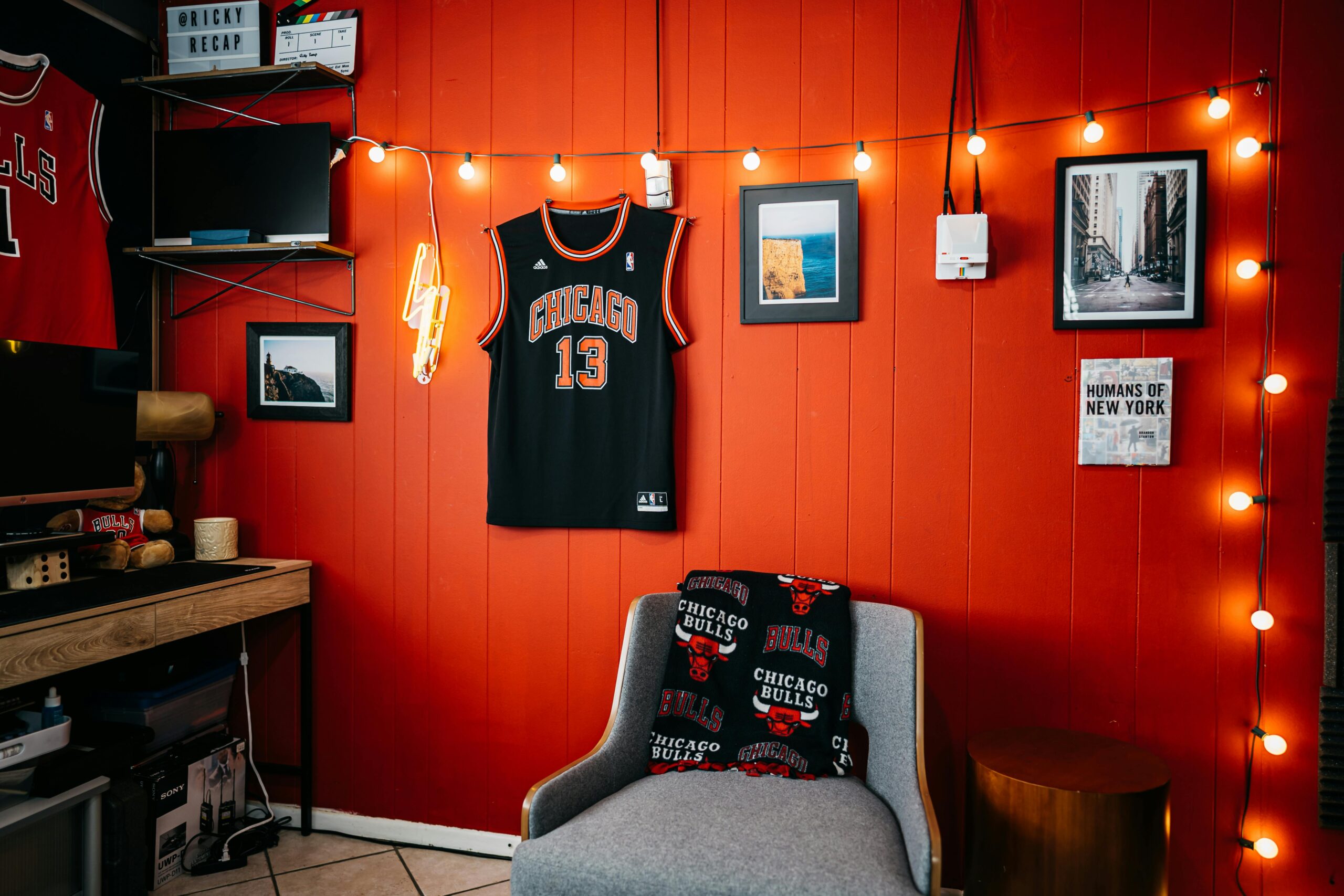
Transforming Spaces Through Strategic Wall Decor Placement
Mastering the technical aspects of hanging shelves and pictures is only half the equation. Understanding design principles ensures your installations enhance rather than clutter your spaces.
Consider sight lines when planning wall decor. What do you see when entering a room? These focal walls deserve your most impactful pieces. Balance decorated walls with breathing room—not every wall needs adornment. Strategic restraint often creates more powerful statements than overwhelming every surface.
Color coordination between wall decor and room elements creates cohesion. This doesn’t mean everything must match perfectly, but consider how frame finishes, artwork colors, and shelf styling relate to furniture, textiles, and wall colors throughout the space.
Scale remains crucial in successful wall decor. Large rooms accommodate bigger, bolder pieces, while smaller spaces benefit from more modest installations. When in doubt, mock up your arrangement with paper templates to visualize proportions before committing to installation.
The journey to mastering wall decor installation combines practical skills with creative vision. By investing in quality tools, understanding proper techniques, and avoiding common mistakes, you’ll transform blank walls into personalized expressions of style. Remember that practice builds confidence—each project enhances your skills and expands your decorating possibilities. Your walls are canvases waiting for your creative touch, and with these essential tools and techniques, you’re fully equipped to bring your vision to life with ease and professional-quality results.