Keeping your home appliances in top shape doesn’t have to be complicated. With the right approach and essential tools, you can extend the lifespan of your devices while ensuring they perform at their best every single day.

Modern households rely heavily on various appliances, from refrigerators and washing machines to microwaves and dishwashers. Regular maintenance not only prevents costly repairs but also improves energy efficiency, saves money on utility bills, and keeps your home running smoothly. Understanding the basics of appliance care empowers you to tackle minor issues before they become major problems.
🔧 Building Your Essential Appliance Maintenance Toolkit
Before diving into specific maintenance tasks, assembling the right tools makes all the difference. A well-equipped toolkit enables you to handle routine maintenance confidently and address minor issues promptly.
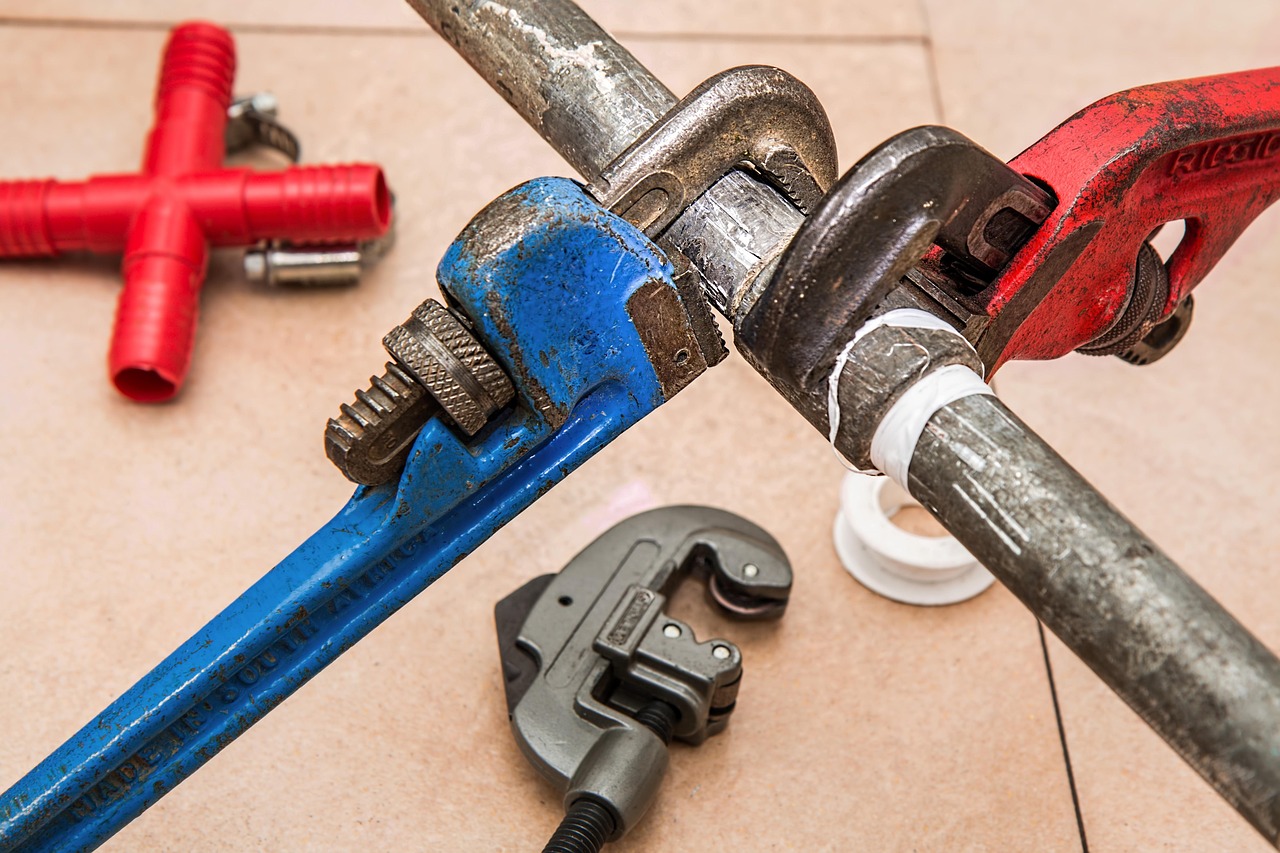
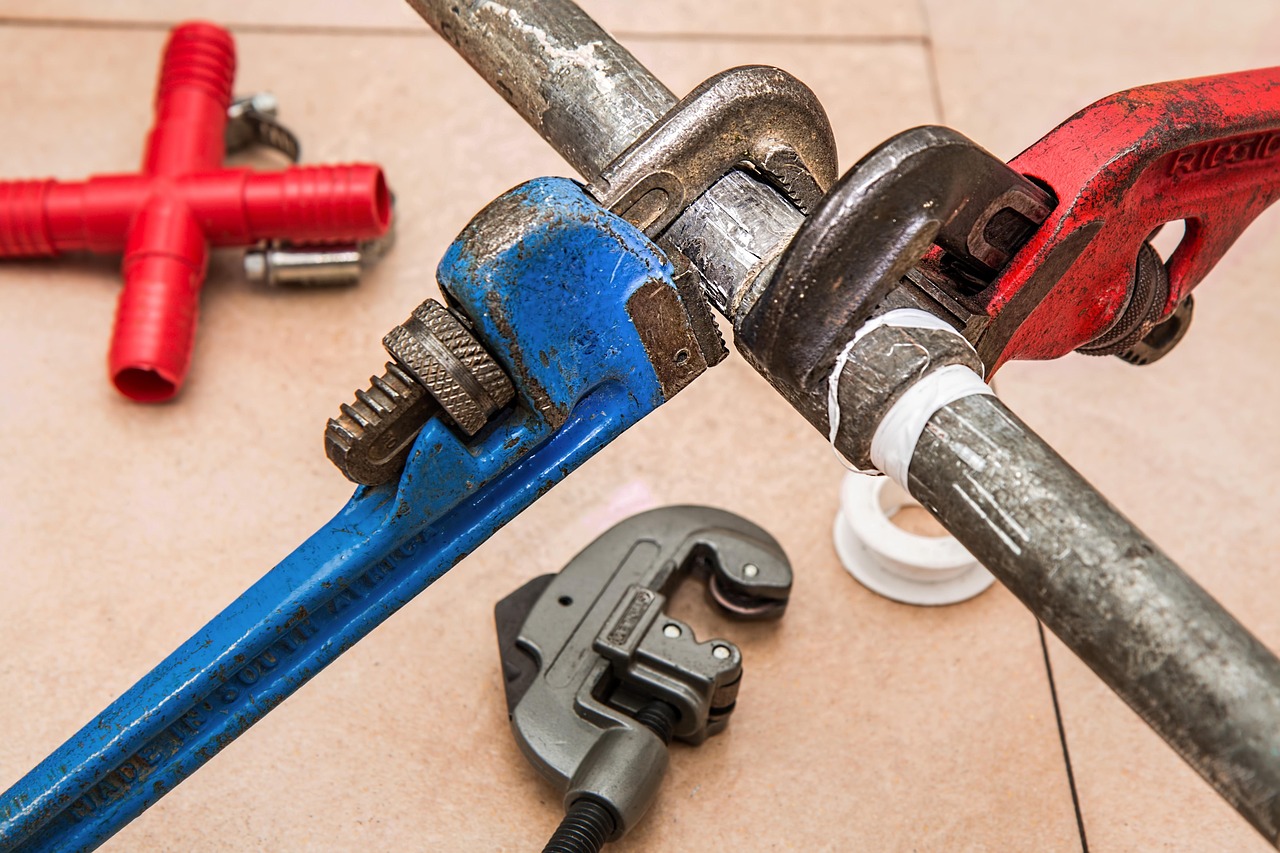
Your basic appliance care toolkit should include a variety of screwdrivers (both flathead and Phillips), adjustable wrenches, needle-nose pliers, and a multimeter for electrical testing. Additionally, keep a flashlight or headlamp handy for inspecting dark corners and hard-to-reach areas. A vacuum with various attachments proves invaluable for removing dust and debris from appliance components.
Specialized Tools for Different Appliances
Beyond basic tools, certain appliances benefit from specialized equipment. Refrigerator coil brushes feature long, flexible bristles designed specifically to clean condenser coils without causing damage. Drain snakes help clear clogs in washing machines and dishwashers. A torpedo level ensures your appliances sit properly balanced, preventing excessive vibration and premature wear.
Investing in a appliance thermometer allows you to verify that refrigerators and freezers maintain proper temperatures. For dryers, a vent cleaning kit with flexible rods reaches deep into ductwork to remove lint buildup that poses fire hazards and reduces efficiency.
🧼 Cleaning Solutions That Protect and Preserve
Using appropriate cleaning products prevents damage while effectively removing grime, grease, and mineral deposits. Harsh chemicals can deteriorate seals, damage finishes, and leave residues that affect food safety or clothing.
White vinegar serves as a versatile, natural cleaning agent for numerous appliances. It cuts through mineral deposits in dishwashers and coffee makers, eliminates odors in refrigerators, and cleans washing machine drums. Baking soda works wonders as a gentle abrasive and deodorizer, perfect for scrubbing refrigerator interiors and removing stains from oven surfaces.
For stainless steel appliances, specialized cleaners or a simple mixture of dish soap and water maintains the lustrous finish without streaking. Always wipe in the direction of the grain to avoid scratching. Microfiber cloths capture dirt and polish surfaces without leaving lint behind.
❄️ Refrigerator and Freezer Maintenance Essentials
Your refrigerator runs continuously, making it one of the hardest-working appliances in your home. Regular maintenance ensures food safety, energy efficiency, and reliable performance for years to come.
Condenser Coil Cleaning
Dusty condenser coils force your refrigerator to work harder, consuming more energy and potentially shortening its lifespan. Located either beneath or behind the unit, these coils require cleaning every six months. Unplug the refrigerator, access the coils, and use a coil brush or vacuum attachment to remove accumulated dust and pet hair.
This simple task can improve energy efficiency by up to fifteen percent and prevent compressor failures that cost hundreds of dollars to repair. Mark your calendar to make this a regular habit.
Door Seal Inspection and Care
Damaged or dirty door seals allow cold air to escape, forcing your refrigerator to cycle more frequently. Inspect seals regularly for cracks, tears, or looseness. Clean them monthly with warm, soapy water to remove sticky residues and food particles that prevent proper sealing.
Test seal effectiveness by closing the door on a dollar bill. If you can easily pull it out, the seal needs adjustment or replacement. Most seals can be replaced without professional help using basic tools.
Temperature Monitoring and Adjustment
Maintaining proper temperatures preserves food quality and prevents bacterial growth. Refrigerators should stay between 35°F and 38°F, while freezers perform best at 0°F. Use an appliance thermometer to verify accuracy, as built-in displays sometimes drift over time.
🌀 Washing Machine Care for Clean Clothes and Fresh Results
Washing machines handle dirty laundry daily, but they need attention too. Proper maintenance prevents mold growth, eliminates odors, and ensures your clothes come out truly clean.
Front-loading machines particularly benefit from monthly cleaning cycles. Run an empty hot water cycle with two cups of white vinegar to dissolve detergent residue and eliminate bacteria. Follow with a second cycle using baking soda to neutralize odors and brighten the drum.
Hose and Filter Maintenance
Inspect inlet hoses annually for cracks, bulges, or leaks. Replace hoses every five years even if they appear fine, as internal deterioration isn’t always visible. Consider upgrading to braided stainless steel hoses that resist bursting better than standard rubber versions.
Clean the lint filter regularly—many people don’t realize washing machines have filters! Consult your manual for location and cleaning instructions. A clogged filter reduces drainage efficiency and can cause overflow issues.
Preventing Mold and Mildew
Leave the door and detergent dispenser open between loads to allow air circulation and moisture evaporation. This simple habit dramatically reduces mold growth in front-loading machines. Wipe down door seals monthly, paying special attention to the folds where water accumulates.
👗 Dryer Maintenance for Safety and Efficiency
Dryers present serious fire hazards when not properly maintained. Lint buildup in vents and internal components causes thousands of house fires annually, making regular cleaning crucial for safety.
Clean the lint screen before or after every single load without exception. This five-second task significantly improves drying efficiency and reduces fire risk. However, the lint screen only captures about seventy-five percent of lint—the rest accumulates in the vent system.
Deep Vent Cleaning
Disconnect and thoroughly clean dryer vents at least once yearly, more often if you dry heavy loads frequently. Use a vent cleaning kit to remove lint from the entire ductwork length. Check the exterior vent hood to ensure the flapper opens freely and isn’t blocked by lint or debris.
Rigid metal ducting outperforms flexible plastic or foil versions, which trap more lint and restrict airflow. If you’re replacing ductwork, choose rigid or semi-rigid metal materials and keep the vent run as short and straight as possible.
Interior Component Cleaning
Annually, remove the lower front panel or top cabinet to vacuum lint from internal areas around the drum and heating element. This deeper cleaning removes lint that bypasses the screen and prevents motor fires. Always unplug the dryer before opening the cabinet for safety.
🍽️ Dishwasher Care for Sparkling Results
Dishwashers clean your dishes, but they need regular maintenance to function properly. Mineral deposits, food debris, and soap scum accumulate over time, reducing cleaning effectiveness and causing odors.
Monthly, run an empty cycle with a cup of white vinegar placed in the top rack. This dissolves mineral deposits and cleans spray arm holes that become clogged with hard water buildup. Follow with a sprinkle of baking soda on the bottom and run a short hot cycle to freshen and deodorize.
Filter and Spray Arm Maintenance
Most modern dishwashers have removable filters that require regular cleaning. Check your filter weekly, removing food debris that accumulates. Rinse under hot water and scrub gently with a soft brush to prevent clogs that reduce cleaning performance.
Remove spray arms monthly and clear any blocked holes with a toothpick or wire. Food particles and mineral deposits obstruct water flow, resulting in poorly cleaned dishes. Ensure spray arms rotate freely without obstruction.
Door Seal and Gasket Care
Wipe down door seals weekly with a damp cloth to remove food particles and prevent mold growth. Check for cracks or looseness that could cause leaks. The bottom of the door often accumulates grease and grime—don’t neglect this area during cleaning.
🔥 Range and Oven Maintenance for Cooking Excellence
Clean cooking surfaces and ovens perform better while preventing smoke, odors, and potential fire hazards. Regular attention prevents the need for harsh scrubbing sessions later.
For glass cooktops, clean spills immediately after the surface cools using a specialized cooktop cleaner and scraper. Burned-on food becomes increasingly difficult to remove over time. For gas ranges, remove burner grates and clean them in hot, soapy water weekly. Check burner ports for clogs that cause uneven flames.
Oven Cleaning Strategies
If your oven features a self-cleaning cycle, use it no more than four times yearly. The extreme heat stresses components and can shorten lifespan. Remove large debris beforehand to minimize smoke and odors. Ensure adequate ventilation during the cleaning cycle.
For manual cleaning, make a paste of baking soda and water, spread it on interior surfaces, let it sit overnight, then wipe away with vinegar. This gentle method effectively removes baked-on grease without harsh chemical fumes.
☕ Small Appliance Care That Makes a Big Difference
Coffee makers, blenders, toasters, and other small appliances benefit from regular maintenance too. These workhorses deserve attention to maintain performance and hygiene.
Descale coffee makers monthly in hard water areas using equal parts water and white vinegar. Run a full brewing cycle, let sit for thirty minutes, then run two cycles with fresh water to rinse thoroughly. This prevents mineral buildup that affects taste and clogs internal components.
Deep clean blender jars by filling halfway with warm water, adding a drop of dish soap, and running on high for thirty seconds. This method reaches areas difficult to scrub manually. Disassemble and clean blade assemblies occasionally to remove trapped residue.
⚡ Electrical Safety and Preventive Measures
Electrical issues cause many appliance failures. Taking precautions protects both your appliances and your home.
Never overload outlets with multiple high-wattage appliances. Use surge protectors for expensive electronics and appliances to guard against power spikes. Check power cords regularly for fraying, cracks, or exposed wires, replacing damaged cords immediately.
If an appliance repeatedly trips breakers or shows other electrical problems, discontinue use and consult a professional. Continuing to operate faulty appliances risks fire hazards and further damage.
📅 Creating Your Maintenance Schedule
Consistency makes appliance maintenance manageable. Rather than overwhelming yourself with everything at once, distribute tasks throughout the year.
Create a simple calendar noting monthly, quarterly, and annual tasks for each appliance. Set phone reminders or use a household management app to stay on track. Many tasks take only minutes when performed regularly but become time-consuming problems when neglected.
| Frequency | Tasks |
|---|---|
| Weekly | Clean dishwasher filter, wipe stove surfaces, empty dryer lint trap |
| Monthly | Clean refrigerator seals, run washing machine cleaning cycle, descale coffee maker |
| Quarterly | Clean range hood filters, inspect appliance cords, deep clean oven |
| Semi-Annually | Clean refrigerator coils, vacuum dryer interior, replace water filters |
| Annually | Deep clean dryer vents, inspect washing machine hoses, professional appliance checkup |
💡 Energy Efficiency Tips for Lower Bills
Well-maintained appliances operate more efficiently, reducing energy consumption and utility costs. Small adjustments create noticeable savings over time.
Run dishwashers and washing machines with full loads only. Partial loads waste water and energy while providing no additional benefit. Use cold water for washing clothes whenever possible—heating water accounts for ninety percent of a washing machine’s energy use.
Keep refrigerators and freezers reasonably full, as contents help maintain temperature during door openings. However, allow adequate air circulation—overpacking reduces efficiency. Avoid placing hot foods directly into refrigerators; cool to room temperature first to reduce workload.
🛠️ When to Call a Professional
While regular maintenance prevents most problems, some situations require professional expertise. Knowing when to call a technician prevents further damage and potential safety hazards.
Contact professionals for refrigerant leaks, gas line issues, electrical problems beyond simple cord replacement, or any situation involving water and electricity. If you’re uncomfortable performing a maintenance task or lack the proper tools, professional service provides peace of mind.
Unusual noises, persistent error codes, or performance issues that don’t improve with basic troubleshooting warrant professional diagnosis. Technicians have specialized tools and training to identify problems that aren’t obvious to homeowners.
🌟 Making Maintenance a Household Habit
Transitioning appliance care from occasional chore to regular habit requires minimal effort but yields maximum benefits. Involve family members by assigning age-appropriate tasks, teaching valuable life skills while distributing the workload.
Keep cleaning supplies organized and accessible near the appliances they serve. A caddy under the kitchen sink with dishwasher cleaner, refrigerator wipes, and stove cleaners makes maintenance convenient. Similarly, store dryer vent brushes and washing machine supplies in the laundry area.
Document your appliances with photos, model numbers, purchase dates, and warranty information in one location. This reference proves invaluable when ordering parts, scheduling service, or troubleshooting issues. Include notes about maintenance performed and any recurring problems.
💪 Empowering Yourself Through Appliance Knowledge
Understanding how your appliances work transforms maintenance from mysterious to manageable. Owner’s manuals contain valuable information about proper use, maintenance schedules, and troubleshooting common problems.
Many manufacturers offer online resources including maintenance videos, troubleshooting guides, and part diagrams. These resources empower you to handle minor repairs and understand when professional help becomes necessary. Knowledge builds confidence and saves money over your appliance’s lifetime.
Join online communities dedicated to home maintenance and appliance care. Fellow homeowners share experiences, solutions, and recommendations that complement manufacturer guidance. Learning from others’ successes and mistakes accelerates your own expertise.

🏡 The Long-Term Benefits of Consistent Care
Appliance maintenance delivers returns that extend far beyond avoiding repair bills. Well-maintained appliances perform more reliably, reducing daily frustrations and inconveniences. You’ll experience fewer unexpected breakdowns that disrupt household routines and require urgent attention.
Energy savings accumulate substantially over years of efficient operation. A refrigerator with clean coils, a dryer with clear vents, and a dishwasher with unclogged spray arms all consume less electricity while delivering better results. These savings directly impact your household budget while reducing environmental footprint.
When replacement eventually becomes necessary, well-maintained appliances command higher resale values or trade-in allowances. Documentation of consistent maintenance demonstrates care that appeals to buyers and may extend manufacturer warranty coverage.
Perhaps most importantly, developing maintenance habits creates confidence in managing your home. You’ll feel empowered rather than overwhelmed by household responsibilities, equipped with knowledge and skills that serve you throughout homeownership. This confidence extends beyond appliances to other home maintenance areas, creating a foundation for successful long-term property management.
Master appliance care isn’t about perfection—it’s about consistency, attention, and developing sustainable habits that protect your investments. Start with small, manageable tasks and gradually expand your maintenance routine as these behaviors become automatic. Your appliances will reward your efforts with years of reliable, efficient service that makes daily life easier and more enjoyable.