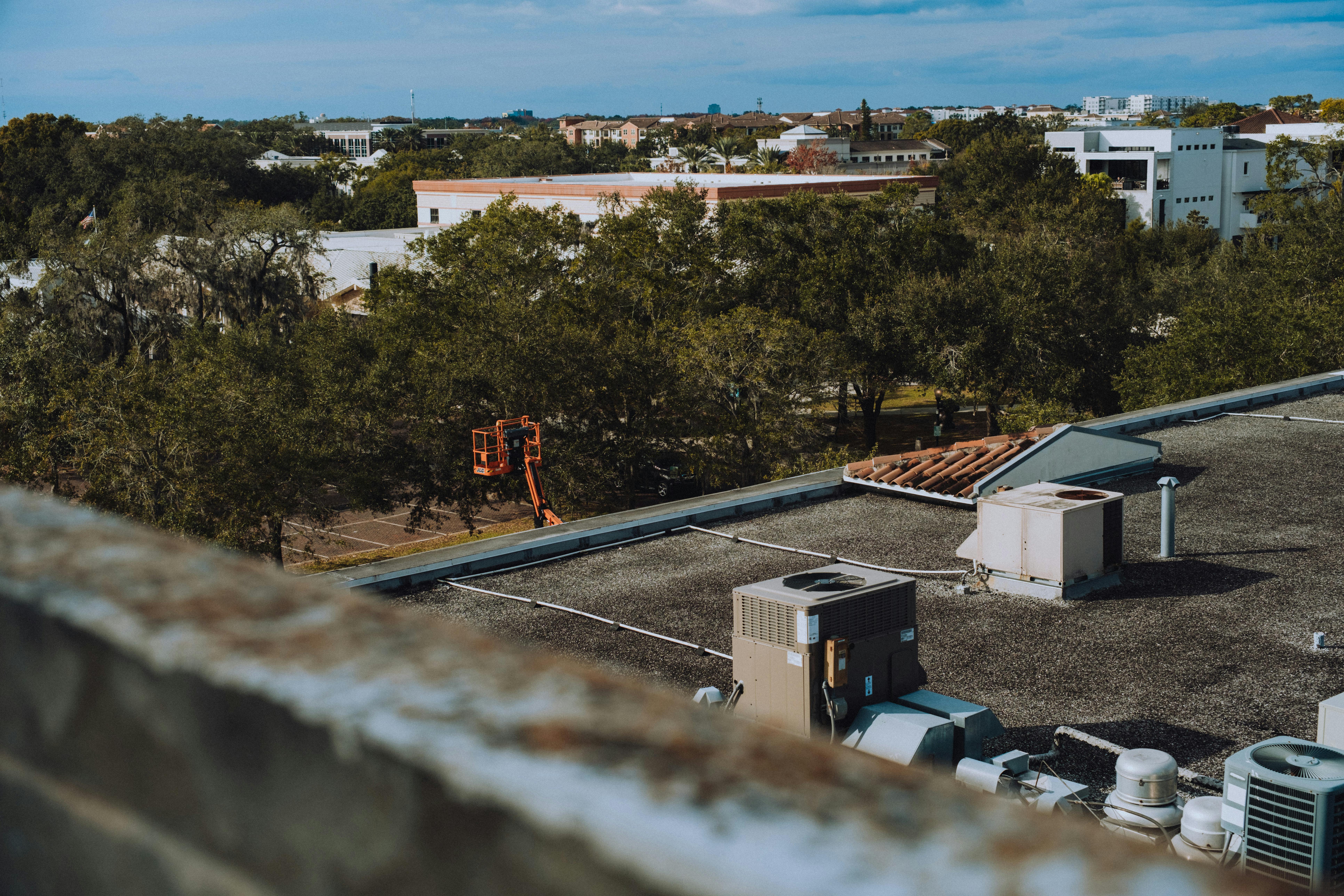
Your roof and gutters are the unsung heroes of your home, silently protecting you from nature’s harshest elements every single day.

Most homeowners overlook these critical components until disaster strikes—a leak appears, water damage spreads, or costly repairs become unavoidable. The truth is, a proactive maintenance schedule can save you thousands of dollars and extend the lifespan of your roofing system by decades. Understanding when and how to inspect your roof and gutters throughout the year isn’t just smart homeownership; it’s essential protection for your most valuable investment.
🏠 Why Seasonal Roof and Gutter Inspections Matter
The changing seasons bring different challenges to your roofing system. Winter’s ice and snow, spring’s heavy rains, summer’s intense UV exposure, and autumn’s falling leaves each create unique stress points. Without regular inspections, minor issues progressively worsen, transforming simple fixes into major renovations.
Professional roofers consistently report that homes with regular inspection schedules experience 60-70% fewer emergency repairs compared to those inspected only when problems become visible. This proactive approach doesn’t just save money—it provides peace of mind knowing your family is protected regardless of weather conditions.
Your roof typically represents 15-20% of your home’s total value, and gutters play a crucial role in directing water away from your foundation. Together, they form an integrated system that requires coordinated maintenance to function optimally. Neglecting either component compromises both.
🌸 Spring Inspection: Recovering from Winter’s Assault
Spring represents the ideal time for your most thorough annual roof inspection. Winter weather causes significant stress through freeze-thaw cycles, ice dams, heavy snow loads, and powerful winds. As temperatures warm, you’ll want to assess what damage occurred during those harsh months.
Essential Spring Roof Inspection Checklist
Begin your spring inspection by examining shingles for cracks, curling, or missing pieces. Winter winds frequently lift and displace shingles, creating vulnerabilities for water infiltration. Look specifically at edges and ridges where wind damage concentrates most heavily.
Check your attic for water stains, mold growth, or daylight penetrating through the roof boards. These signs indicate compromised waterproofing that requires immediate attention. Moisture in your attic also suggests inadequate ventilation, which accelerates shingle deterioration and increases energy costs.
Inspect flashing around chimneys, skylights, and vents carefully. These transition points are particularly vulnerable to winter ice damage and frequently develop leaks that worsen rapidly if left unaddressed.
Spring Gutter Maintenance Priorities
Spring gutter cleaning ranks among your most important seasonal tasks. Winter debris combined with spring pollen creates heavy, compacted material that blocks water flow and strains gutter attachments.
Remove all accumulated debris by hand or with specialized tools, then flush gutters thoroughly with a garden hose to identify clogs in downspouts. Pay attention to how water flows—pooling or slow drainage indicates alignment issues requiring adjustment.
Examine gutter attachments and brackets for looseness or rust. Winter’s freeze-thaw cycles often compromise fasteners, and repairing them promptly prevents complete gutter separation during heavy spring rains.
☀️ Summer Inspection: Preparing for Storm Season
Summer brings intense heat, UV radiation, and in many regions, severe thunderstorms with high winds and hail. Your mid-summer inspection focuses on weather-related wear and preparing your roofing system for potential storm damage.
Heat and UV Damage Assessment
Prolonged sun exposure degrades roofing materials gradually. During summer inspections, look for shingles showing signs of excessive granule loss, which appears as bare spots exposing the underlying asphalt. This indicates advanced aging and reduced protection.
Examine sealant around roof penetrations and flashing. High temperatures cause caulking and sealants to dry out, crack, and separate from surfaces. Resealing these vulnerable areas before storm season prevents water infiltration during heavy rainfall.
Check your attic temperature and ventilation effectiveness. Excessive heat buildup accelerates shingle aging from underneath and dramatically increases cooling costs. Proper ventilation should maintain attic temperatures within 10-20 degrees of outdoor temperatures.
Pre-Storm Gutter Preparation
Summer storms dump enormous water volumes in short periods, overwhelming compromised gutter systems. Ensure downspouts extend at least 5-10 feet from your foundation, directing water away from basement walls and preventing foundation damage.
Consider installing gutter guards if your property has numerous trees. These protective systems dramatically reduce debris accumulation while allowing water flow, minimizing maintenance requirements and preventing overflow during sudden downpours.
Test your entire gutter system’s capacity by running a hose at full volume. This simulation reveals weak points, improper slopes, and overflow risks before an actual storm tests your system under pressure.
🍂 Fall Inspection: The Critical Pre-Winter Preparation
Fall inspections carry tremendous importance as you prepare your roofing system for winter’s challenges. This season also brings falling leaves, creating the year’s most demanding gutter maintenance period.
Comprehensive Fall Roof Assessment
Inspect all shingles for secure attachment and proper condition. Replace any damaged or missing shingles before winter weather arrives, as ice and snow exploit even small vulnerabilities, causing exponentially larger problems.
Examine roof valleys carefully—these natural water channels experience concentrated flow and accumulate debris. Clear all material from valleys and ensure proper shingle installation, as improper valley construction ranks among the leading causes of roof leaks.
Check chimney caps, flashing, and masonry for deterioration. Chimney structures endure extreme temperature fluctuations between heated interior air and cold exterior conditions, causing significant expansion and contraction that compromises seals and mortar.
Fall Gutter Cleaning: Your Most Important Service
Depending on surrounding vegetation, fall gutter cleaning might require multiple sessions. Leaves, seed pods, and twigs accumulate rapidly, and keeping gutters clear throughout autumn prevents ice dam formation when winter arrives.
Clean gutters at least twice during fall—once in early autumn and again after the last leaves drop. This schedule prevents debris accumulation while ensuring your system enters winter in optimal condition.
Inspect gutter seams and end caps for leaks. Temperature fluctuations cause gutter materials to expand and contract, sometimes opening gaps at connection points. Seal any leaks with appropriate gutter sealant before freezing temperatures arrive.
❄️ Winter Inspection: Vigilance During Harsh Conditions
Winter inspections differ from other seasons because accessing your roof becomes dangerous and sometimes impossible. Focus instead on ground-level observations and interior checks that reveal developing problems.
Safe Winter Monitoring Techniques
Use binoculars to inspect your roof from ground level after storms. Look for ice dam formation along eaves—thick ice ridges that prevent proper drainage and force water under shingles. Ice dams indicate inadequate attic insulation or ventilation requiring correction.
Monitor your attic regularly during winter. Unexpected frost accumulation on the underside of roof boards indicates warm air escaping into the attic space, creating conditions for ice dams and dramatically increasing heating costs.
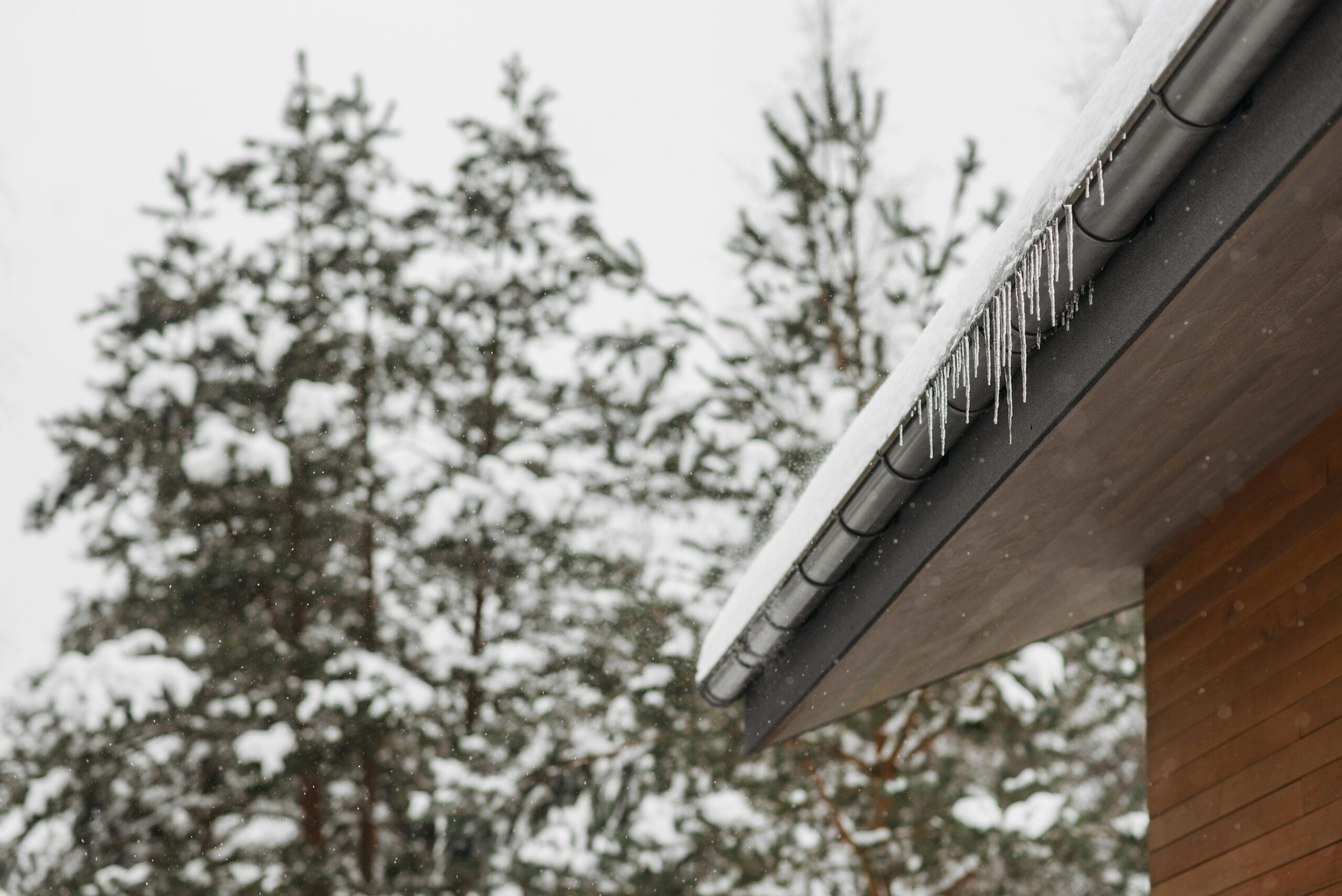
Watch foricicles forming along gutters and roof edges. While picturesque, they signal blocked gutters or inadequate attic insulation allowing heat to melt snow unevenly across your roof surface.
Winter Gutter Concerns
Never attempt to remove ice from gutters yourself—you risk personal injury and gutter damage. Instead, address the underlying causes: improve attic insulation and ventilation to prevent uneven roof heating that creates ice dams.
If ice dams form, calcium chloride ice melt products placed in pantyhose and laid across the dam can create drainage channels without damaging roofing materials. Never use rock salt or mechanical chipping, which damage shingles and gutters.
After heavy snowfall, ensure roof vents remain clear of snow accumulation. Blocked vents trap moisture in your attic, creating conditions for mold growth and structural damage that won’t become apparent until spring.
🔧 Professional Inspection vs. DIY: Making the Right Choice
While homeowners can perform basic visual inspections, professional roofing contractors bring expertise, safety equipment, and trained eyes that identify subtle problems before they escalate.
Schedule professional inspections at least annually, preferably in spring or fall. Professional roofers recognize manufacturing defects, improper installation, and early failure indicators that untrained observers miss completely.
Professional inspections typically include comprehensive photography documenting your roof’s condition, detailed reports identifying concerns, and prioritized repair recommendations. This documentation proves invaluable for insurance claims and provides baseline comparisons for future inspections.
What Professionals See That You Might Miss
Trained inspectors assess structural integrity beyond surface conditions. They identify sagging areas indicating compromised decking, inadequate support, or water damage invisible from exterior observations.
Professionals evaluate your entire roofing system holistically—ventilation adequacy, insulation effectiveness, flashing quality, and proper installation techniques. This comprehensive perspective reveals how individual components interact and where system weaknesses exist.
Insurance companies increasingly require professional roof inspections for coverage eligibility, particularly for older homes. Regular professional documentation supports claims and demonstrates responsible property maintenance.
📋 Creating Your Personalized Inspection Schedule
Every home requires a customized inspection schedule based on climate, roofing materials, surrounding vegetation, and roof age. Use this framework to develop your property-specific maintenance plan.
Annual Inspection Calendar Template
March-April: Comprehensive spring inspection after winter weather subsides. Schedule professional inspection every 1-2 years during this window. Perform thorough gutter cleaning and minor repairs.
June-July: Summer assessment focusing on storm preparation and heat damage. Clean gutters if significant spring pollen accumulation occurred. Verify attic ventilation effectiveness during peak heat.
September-October: Critical fall preparation including professional inspection in alternating years. Multiple gutter cleanings as needed based on leaf fall patterns. Complete all repairs before winter arrival.
December-February: Monthly visual monitoring from ground level. Attic checks after significant storms. Address ice dam formation promptly through improved insulation and ventilation.
Factors That Increase Inspection Frequency
Properties with heavy tree coverage require more frequent gutter maintenance—potentially monthly during peak seasons. Trees also increase roof debris and moisture retention that accelerates shingle deterioration.
Homes in severe weather regions benefit from post-storm inspections after hurricanes, tornadoes, or significant hail events. Even minor damage worsens rapidly when exposed to subsequent weather.
Roofs older than 15 years warrant more frequent professional inspections—potentially twice annually. As roofing systems age, deterioration accelerates, and catching problems early extends remaining lifespan significantly.
💡 Warning Signs Requiring Immediate Attention
Between scheduled inspections, remain vigilant for indicators demanding immediate professional evaluation regardless of your maintenance calendar.
Water stains on ceilings or walls always require urgent investigation. Even small stains indicate active leaks that cause hidden structural damage and mold growth long before visible damage appears extensive.
Sudden increases in energy bills often signal roofing system problems—compromised insulation, inadequate ventilation, or air leaks allowing conditioned air to escape.
Granules collecting in gutters or around downspout discharge points indicate accelerated shingle deterioration. While some granule loss occurs normally, excessive accumulation suggests approaching roof failure.
Sagging roof sections or visible depressions indicate serious structural problems requiring immediate professional assessment. These issues rarely improve independently and typically worsen rapidly, potentially creating dangerous conditions.
🎯 Maximizing Your Roofing Investment Through Preventive Care
A well-maintained roof easily achieves or exceeds its expected lifespan, while neglected systems fail prematurely. The difference lies entirely in consistent preventive maintenance following a structured schedule.
Document every inspection with dated photographs showing roof conditions, completed repairs, and identified concerns. This record proves invaluable for tracking deterioration patterns, supporting insurance claims, and demonstrating maintenance history when selling your property.
Budget appropriately for roof maintenance by setting aside 1-2% of your home’s value annually for all exterior maintenance including roofing and gutters. This proactive financial planning prevents unexpected repair costs from creating hardship.
Remember that your roof and gutters work as an integrated system protecting your home’s structure, contents, and occupants. Investing time in regular inspections and prompt repairs delivers returns many times greater than the modest effort required, ensuring year-round protection regardless of what nature delivers.