As the vibrant colors of autumn begin to paint the landscape, it’s time to shift your focus from summer fun to preparing your home for the cooler months ahead.

Fall home maintenance isn’t just about preventing costly repairs—it’s about creating a safe, efficient, and comfortable living space for you and your family. The transition from warm summer days to chilly autumn evenings presents the perfect opportunity to tackle those essential tasks that will keep your home running smoothly throughout winter. By following a comprehensive fall maintenance schedule, you’ll not only protect your investment but also enjoy peace of mind knowing your home is ready to weather whatever the season brings.
🍂 Why Fall Home Maintenance Matters More Than You Think
Many homeowners underestimate the importance of seasonal maintenance, but fall preparation is crucial for several compelling reasons. The work you do now will directly impact your comfort, safety, and wallet during the harsh winter months. Neglecting these tasks can lead to emergency repairs at the worst possible times, often when contractors are busiest and most expensive.
Fall maintenance also helps you identify small problems before they escalate into major issues. A minor roof leak discovered in October is far easier and cheaper to fix than water damage found in January after months of snow and ice accumulation. Additionally, proper preparation can significantly reduce your energy bills by ensuring your home is properly insulated and your heating system operates efficiently.
Creating Your Fall Home Maintenance Checklist 📋
A well-organized checklist is your best friend when tackling fall maintenance. Breaking down tasks by category and priority helps ensure nothing gets overlooked. Start by walking around your property with a notepad, documenting everything that needs attention. Then organize these tasks into must-do items, should-do items, and nice-to-have projects.
Exterior Inspection: Protecting Your Home’s Shell
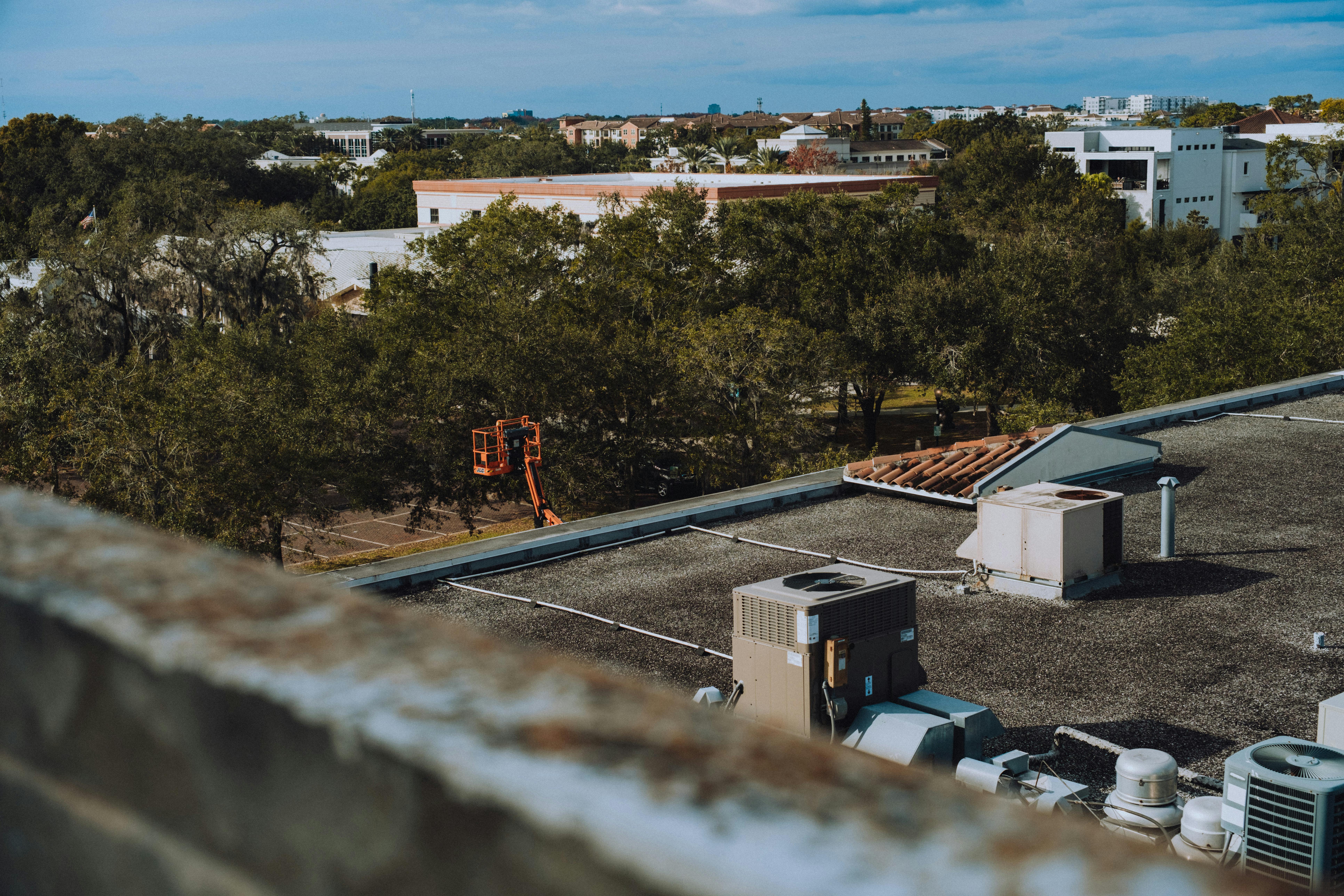
Your home’s exterior is its first line of defense against the elements. Begin with a thorough roof inspection, looking for missing, damaged, or loose shingles. Check the flashing around chimneys, vents, and skylights for signs of wear or separation. If you’re not comfortable climbing on your roof, use binoculars from the ground or hire a professional inspector.
Examine your gutters and downspouts carefully. Clean out all leaves, twigs, and debris that have accumulated over the summer. Clogged gutters can cause water to back up under your roof or overflow, potentially damaging your foundation. Ensure downspouts direct water at least five feet away from your foundation to prevent basement flooding and foundation issues.
Walk around your home’s perimeter, inspecting the siding for cracks, gaps, or damage. Look for any areas where caulking has deteriorated around windows, doors, and utility penetrations. Seal these gaps with appropriate caulk or weatherstripping to keep cold air out and warm air in. Even small gaps can significantly impact your heating costs.
Foundation and Drainage Considerations
Check your foundation for cracks or signs of settling. While small hairline cracks are normal, larger cracks or those that seem to be growing warrant professional evaluation. Ensure the ground slopes away from your foundation on all sides to promote proper drainage. Poor drainage is one of the leading causes of basement water problems.
Inspect window wells and ensure they have proper drainage and covers. Clean out any debris that has accumulated, and consider adding gravel at the bottom to improve drainage. If your property has a sump pump, test it by pouring water into the pit to ensure it activates properly—you don’t want to discover it’s not working during the first heavy rainstorm.
🌡️ Heating System Preparation: Stay Warm and Safe
Your heating system is about to work overtime, so it needs proper attention now. Schedule a professional HVAC inspection if you haven’t had one in the past year. A qualified technician will clean components, check for carbon monoxide leaks, test efficiency, and identify potential problems before they leave you shivering on a cold night.
Replace or clean furnace filters, and make this a monthly habit throughout the heating season. Dirty filters reduce efficiency, increase energy costs, and can cause your system to fail prematurely. Mark your calendar or set phone reminders to check filters regularly—this simple task can extend your system’s life by years.
Fireplace and Chimney Safety
If you have a fireplace or wood stove, have your chimney professionally inspected and cleaned. Creosote buildup is a serious fire hazard, and blockages from bird nests or debris can cause dangerous carbon monoxide to enter your home. This isn’t a DIY job—hire a certified chimney sweep to ensure everything is safe and functional.
Test your fireplace damper to ensure it opens and closes properly. A damper stuck in the open position wastes enormous amounts of heat, while one that won’t open creates a dangerous situation when you try to use your fireplace. Stock up on properly seasoned firewood if you plan to use your fireplace regularly, storing it in a dry location away from your home’s exterior.
Insulation and Energy Efficiency Upgrades 💡
Fall is the ideal time to assess and improve your home’s insulation. Check your attic insulation levels—most homes should have at least 10-14 inches of insulation, depending on your climate zone. Adding insulation is one of the most cost-effective energy improvements you can make, often paying for itself within a few years through reduced heating bills.
Don’t forget about basement and crawl space insulation. Cold air rising from below can make your main living areas uncomfortable and force your heating system to work harder. Insulate any exposed pipes in unheated spaces to prevent freezing, which can cause catastrophic water damage.
Window and Door Weatherization
Inspect all windows and doors for drafts. On a windy day, hold a lit candle near the edges—if the flame flickers, you have air leakage. Apply weatherstripping to doors and consider using rope caulk or plastic film kits for windows that are particularly drafty. Storm windows and doors provide an extra layer of protection against cold weather.
If you have single-pane windows and aren’t ready to replace them, thermal curtains or cellular shades can significantly reduce heat loss. These window treatments trap air and create an insulating barrier that keeps your home warmer while reducing energy consumption.
🚰 Plumbing Protection: Prevent Frozen Pipe Disasters
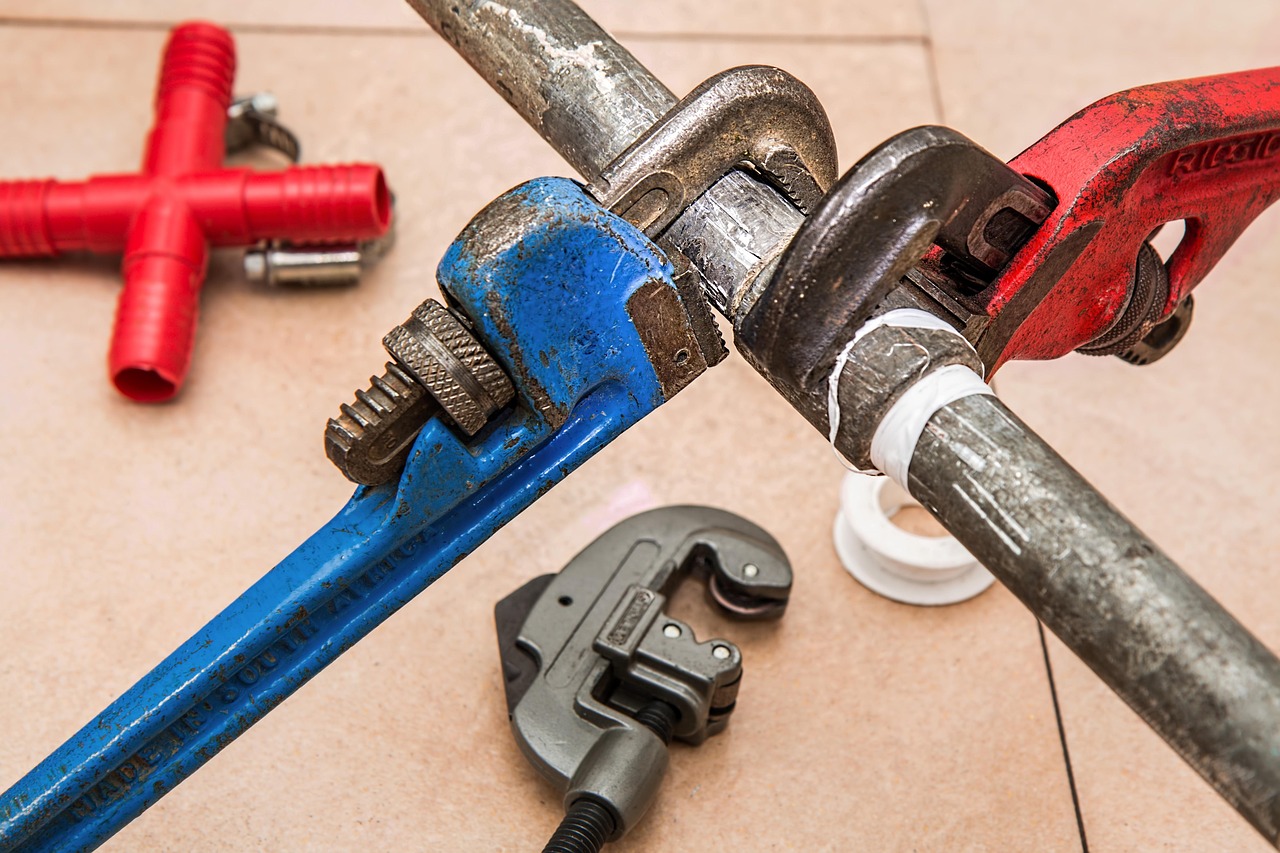
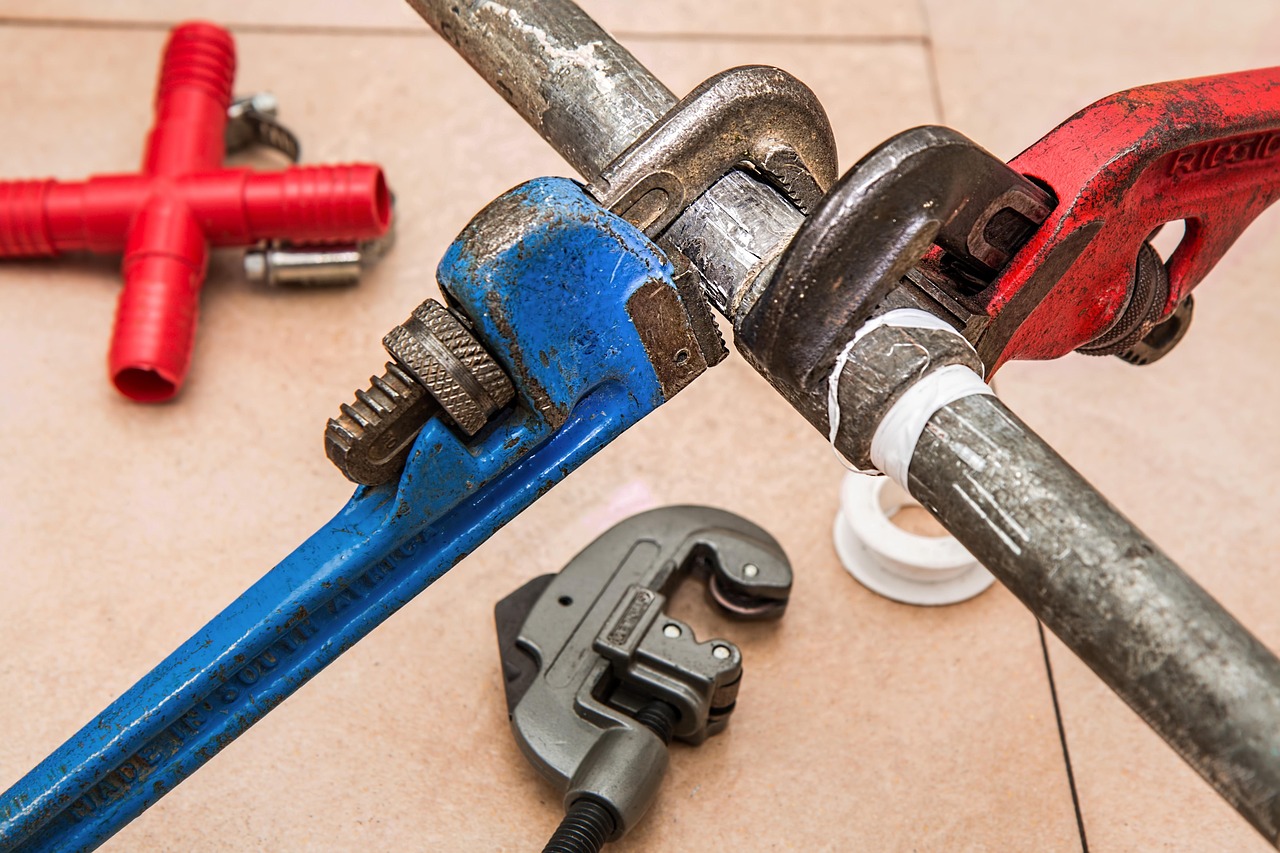
Frozen pipes are among the most expensive and devastating home disasters, but they’re entirely preventable with proper preparation. Disconnect and drain all outdoor hoses, and shut off water to exterior faucets from inside your home. Open the outdoor faucets to drain any remaining water, then close them and leave them open all winter.
Insulate pipes in unheated areas like garages, crawl spaces, and exterior walls. Foam pipe insulation is inexpensive and easy to install, providing crucial protection when temperatures drop. Pay special attention to pipes that have frozen in the past—if it happened once, it will happen again without intervention.
Water Heater Maintenance
Drain several gallons from your water heater to remove sediment that has settled at the bottom. This simple task improves efficiency and extends the life of your water heater. Check the temperature setting—it should be around 120°F for optimal efficiency and safety. Test the pressure relief valve to ensure it’s functioning properly.
Consider insulating your water heater with a blanket if it’s located in an unheated space. This can reduce heat loss by 25-45% and lower your water heating costs significantly. Most newer water heaters are well-insulated and don’t need this, but older units can benefit greatly.
Landscaping and Outdoor Spaces 🍁
Your yard needs attention before winter arrives. Rake leaves regularly—a thick layer of leaves can suffocate your grass and create dead spots that will be apparent come spring. Compost leaves or use them as mulch around trees and garden beds to provide insulation and nutrients.
Trim trees and shrubs, removing dead or damaged branches that could break under snow and ice weight. Pay particular attention to branches hanging over your roof, power lines, or structures—these pose serious hazards during winter storms. Consider hiring a professional arborist for large trees or difficult-to-reach branches.
Lawn and Garden Care
Fertilize your lawn with a fall-specific fertilizer that helps roots grow strong during the dormant season. Aerate compacted areas to improve water absorption and root development. If you have bare patches, fall is an excellent time to overseed—cooler temperatures and autumn rains create ideal growing conditions.
Drain and store garden hoses, and winterize your irrigation system if you have one. Shut off outdoor water features and drain fountains to prevent freeze damage. Bring in tender plants and prepare garden beds for winter by adding a layer of mulch after the ground begins to freeze.
⚡ Safety Systems and Emergency Preparedness
Test all smoke detectors and carbon monoxide detectors throughout your home. Replace batteries even if they still have power—this is one area where you don’t want to take chances. Detectors themselves should be replaced every 10 years, as their sensors become less reliable over time. Mark the installation date on each unit so you know when replacement is due.
Check your fire extinguishers to ensure they’re properly charged and haven’t expired. Every family member should know where extinguishers are located and how to use them. Review your home emergency plan and ensure everyone knows what to do in case of fire, severe weather, or other emergencies.
Preparing for Power Outages
Stock emergency supplies including flashlights, batteries, non-perishable food, water, and a battery-powered radio. Consider purchasing a generator if you live in an area prone to extended outages, and have it professionally installed with a transfer switch. Never run a generator indoors or in an attached garage—carbon monoxide poisoning is a real and deadly risk.
Know how to shut off your home’s main water, gas, and electrical supplies in an emergency. Label these shutoffs clearly and ensure all household members know their locations. Keep necessary tools accessible, including adjustable wrenches for gas valves and water mains.
🛠️ Interior Maintenance Tasks
While exterior preparation gets most of the attention, don’t neglect interior maintenance. Vacuum refrigerator coils to improve efficiency—dusty coils make your refrigerator work harder and use more energy. Check washing machine hoses for bulges, cracks, or leaks, and replace them if they’re more than five years old.
Reverse the direction of ceiling fans to clockwise at low speed. This pushes warm air that has risen to the ceiling back down into your living space, improving comfort and reducing heating costs. Test your garage door’s auto-reverse safety feature by placing a board under the door—it should reverse immediately upon contact.
Deep Cleaning and Organization
Fall is an excellent time for deep cleaning projects you’ve been postponing. Clean dryer vents thoroughly—lint buildup is a major fire hazard and reduces dryer efficiency. Wash windows inside and out to maximize natural light during the darker months ahead. Clean and organize your basement and garage, making room for seasonal items coming in from outside.
Service your snowblower if you have one, changing the oil, checking the spark plug, and ensuring it starts easily. Waiting until the first snowstorm to discover your snowblower won’t start is a mistake you’ll only make once. Stock up on ice melt and ensure you have working snow shovels with ergonomic designs to prevent back injuries.
Budgeting and Prioritizing Your Maintenance Tasks 💰
Fall maintenance can seem overwhelming and expensive, but breaking it into manageable pieces makes it achievable. Prioritize tasks based on safety, potential damage prevention, and energy savings. A roof leak or failing furnace takes precedence over cosmetic improvements or non-essential projects.
Create a realistic budget and timeline for your fall maintenance projects. Some tasks require professional help, while others are perfect DIY projects. Be honest about your skills and available time—hiring a professional for complex or dangerous work is often cheaper than fixing mistakes or dealing with injuries.
DIY vs. Professional Help
Certain tasks like cleaning gutters, replacing filters, and basic weatherstripping are manageable for most homeowners. However, roof work, electrical projects, major plumbing repairs, and tree trimming near power lines should be left to professionals. The cost of hiring experts is far less than potential medical bills, property damage, or code violations from improper DIY work.
Get multiple quotes for major projects and check references carefully. Don’t automatically choose the lowest bid—quality work costs more initially but saves money long-term. Verify that contractors are properly licensed, insured, and have good reputations in your community.
Making Maintenance Easier Year After Year 📅
Create a master maintenance calendar that spans the entire year, not just fall. Spreading tasks throughout the seasons prevents overwhelming workloads and ensures nothing gets forgotten. Digital calendars with recurring reminders work well, or use a dedicated home maintenance app to track tasks, expenses, and schedules.
Keep detailed records of all maintenance work, including dates, costs, and contractor information. Take photos before and after major projects. This documentation is valuable for insurance claims, resale purposes, and tracking the life expectancy of various home systems and components.

Embracing the Cozy Season with Confidence ☕
Once you’ve completed your fall maintenance checklist, take time to enjoy the fruits of your labor. Your home is now prepared to provide comfort and shelter throughout the challenging months ahead. Add cozy touches like warm blankets, seasonal decorations, and perhaps a well-stocked hot chocolate bar to fully embrace autumn’s charms.
The investment of time and money you’ve made in fall maintenance will pay dividends throughout the winter season and beyond. You’ll sleep better knowing your roof won’t leak, your pipes won’t freeze, and your heating system will keep your family warm. More importantly, you’ve protected one of your most significant financial investments—your home.
Remember that home maintenance is an ongoing responsibility, not a once-a-year event. By establishing good habits now and following through with seasonal tasks, you’ll maintain your home’s value, reduce the likelihood of expensive emergency repairs, and create a safe, comfortable environment for years to come. Here’s to a cozy, worry-free fall season in a home that’s ready for whatever weather comes your way!