Spring is nature’s way of reminding us that fresh starts are always possible. As the snow melts and flowers begin to bloom, it’s the perfect time to give your home the attention it deserves after a long winter.

Your home has worked hard to protect you through cold months, harsh weather, and indoor living. Now it’s asking for a little love in return. A comprehensive spring maintenance schedule doesn’t just keep your property looking beautiful—it prevents costly repairs, improves energy efficiency, and creates a healthier living environment for you and your family. Let’s dive into your ultimate guide for transforming your home this season.
🌸 Why Spring Maintenance Matters More Than You Think
Spring home maintenance isn’t just about aesthetics or following tradition. Winter weather takes a genuine toll on your property, from freezing temperatures that can crack foundations to moisture that seeps into hidden spaces. Addressing these issues promptly prevents minor problems from becoming major expenses.
According to home maintenance experts, preventive care can extend the life of your home’s major systems by years, sometimes decades. Your HVAC system, roof, plumbing, and exterior structures all benefit from seasonal attention. Think of spring maintenance as a health checkup for your home—catching small issues early saves thousands of dollars down the road.
Beyond financial savings, a well-maintained home improves your quality of life. Better air quality, increased natural light, and organized spaces reduce stress and boost mood. When your home functions smoothly, you have more time and energy for the activities you actually enjoy.
🏠 Starting on the Outside: Exterior Home Inspection
Begin your spring maintenance journey with a thorough walk around your property. Grab a notebook or use your smartphone to document issues as you go. Look for any damage that winter may have caused to your home’s exterior surfaces.
Roof and Gutters: Your First Line of Defense
Your roof protects everything inside your home, making it priority number one. Use binoculars to inspect from the ground, looking for missing, damaged, or lifted shingles. Check for moss growth, which can trap moisture and deteriorate roofing materials. If you notice significant issues, call a professional before small leaks become big problems.
Gutters and downspouts require hands-on attention. Remove leaves, twigs, and debris that accumulated over winter. Clogged gutters cause water to overflow, potentially damaging your foundation, siding, and landscaping. While cleaning, check that gutters are securely attached and slope properly toward downspouts. Consider installing gutter guards to reduce future maintenance.
Siding, Windows, and Doors
Walk your home’s perimeter examining siding for cracks, warping, or loose pieces. Wood siding may need fresh paint or stain, while vinyl siding benefits from a good pressure washing. Check the caulking around windows and doors—this inexpensive material prevents drafts and water intrusion but degrades over time.
Inspect window screens for tears and remove storm windows if you use them. Clean both interior and exterior glass for maximum natural light. Test all exterior doors to ensure they open, close, and lock properly. Lubricate hinges and locks with appropriate products.
🌿 Foundation and Drainage: Protecting Your Home’s Base
Your foundation literally supports everything else, so give it special attention. Look for new cracks, though hairline cracks are usually normal. Wider cracks or those that grow over time warrant professional evaluation.
Proper drainage protects your foundation from water damage. Ensure the ground slopes away from your home on all sides—ideally dropping at least six inches over the first ten feet. Fill in any low spots near the foundation where water might pool. Extend downspouts to direct water at least five feet from your home.
Check your basement or crawl space for signs of moisture, including water stains, musty odors, or actual standing water. Address drainage issues immediately, as foundation repairs are among the most expensive home repairs possible.
🔧 HVAC System: Preparing for Warmer Weather
Your heating and cooling system deserves attention before you need air conditioning. Start by replacing your furnace filter—a simple task that dramatically improves air quality and system efficiency. Most filters need replacing every one to three months depending on type and household conditions.
Schedule professional HVAC service for both your heating and cooling systems. Technicians will clean components, check refrigerant levels, test for leaks, and ensure everything operates safely and efficiently. This annual service typically costs $100-$200 but can prevent thousand-dollar repairs and extends equipment life.
Clean air vents and returns throughout your home. Remove vent covers and vacuum inside ducts as far as you can reach. Wipe down the covers before reinstalling. If you haven’t had your ducts professionally cleaned in several years and notice dust, debris, or musty odors, consider this service.
💧 Plumbing System Check: Inside and Out
Winter freezes can damage pipes, so spring is the perfect time for plumbing inspection. Check under sinks, around toilets, and near water heaters for signs of leaks. Even small drips waste water and can cause significant damage over time.
Outdoor Plumbing and Irrigation
Reconnect and test outdoor faucets. Turn on each spigot and check for leaks or unusual sounds that might indicate freeze damage. Inspect hoses for cracks or leaks, replacing damaged ones. Clean hose nozzles and store everything properly when not in use.
If you have an irrigation system, now is the time to activate it. Turn on water slowly, then walk your property checking each sprinkler head. Clean or replace clogged heads and adjust spray patterns to avoid watering sidewalks or buildings. Consider upgrading to a smart irrigation controller that adjusts watering based on weather conditions.
Water Heater Maintenance
Your water heater works hard year-round but often gets ignored. Drain a few gallons from the bottom to remove sediment that reduces efficiency and shortens tank life. Check the temperature setting—120°F is usually sufficient and saves energy. Inspect around the base for signs of leaks or corrosion.
🧹 Deep Cleaning: Refreshing Your Interior Spaces
Spring cleaning isn’t just tradition—it’s an opportunity to create a healthier, more organized home. Start by decluttering one room at a time. Remove items you no longer need, use, or love. Donate, sell, or properly dispose of these items rather than letting them accumulate.
Windows and Natural Light
Clean windows transform your home by allowing maximum natural light. Mix equal parts water and vinegar in a spray bottle for an effective, inexpensive cleaner. Use microfiber cloths or newspaper to avoid streaks. Don’t forget window sills, tracks, and frames where dirt accumulates.
Wash curtains according to care labels or vacuum drapes thoroughly. Clean blinds with a damp cloth or duster. This simple maintenance improves air quality by removing dust and allergens while brightening your spaces.
Floors, Carpets, and Air Quality
Deep clean all flooring types using appropriate methods. Vacuum carpets thoroughly, moving furniture to reach hidden areas. Consider professional carpet cleaning every 12-18 months to remove embedded dirt and allergens. For hard floors, use cleaners designed for your specific surface type.
Replace HVAC filters and consider running air purifiers if you suffer from allergies. Spring pollen can significantly impact indoor air quality. Wash bedding in hot water to eliminate dust mites and refresh your sleeping environment.
🔌 Electrical and Safety Systems Review
Safety systems require regular testing to ensure they function when needed. Test all smoke detectors and carbon monoxide detectors by pressing the test button. Replace batteries even if they seem functional—this is typically recommended twice yearly. Replace any detector older than ten years regardless of apparent function.
Check fire extinguishers to ensure they’re properly charged and accessible. Verify that everyone in your household knows their locations and how to use them. Inspect electrical outlets and switches for damage or unusual warmth, which might indicate problems.
Test GFCI outlets in bathrooms, kitchens, and outdoor locations by pressing the test button. These safety devices prevent electrical shock and should trip immediately when tested. Replace any that don’t function properly.
🌱 Landscaping and Outdoor Living Spaces
Your yard and outdoor areas need spring attention to look their best through summer. Start by raking away dead leaves and debris. Inspect trees and shrubs for winter damage, pruning dead or damaged branches. Early spring pruning encourages healthy growth.
Lawn Care Fundamentals
Wait until grass is actively growing before the first mowing of the season. Remove thatch if it’s more than half an inch thick, as this dead grass layer prevents water and nutrients from reaching roots. Aerate compacted soil to improve drainage and root growth.
Apply appropriate fertilizer based on your grass type and climate. Test soil pH and amend if necessary. Reseed bare patches and water consistently until new grass establishes. Edge along walkways and beds for a polished appearance.
Deck, Patio, and Outdoor Furniture
Inspect wooden decks for loose boards, protruding nails, or rot. Tighten connections and replace damaged boards. Most decks benefit from annual cleaning and sealing to protect against weather damage. Power wash composite decking according to manufacturer guidelines.
Clean patio furniture thoroughly before the outdoor season begins. Check for rust, loose connections, or fabric damage. Apply appropriate treatments to extend furniture life. Inspect and clean your grill, replacing worn parts as needed.
📋 Creating Your Personalized Maintenance Schedule
The key to stress-free home maintenance is organization. Create a schedule that spreads tasks across several weekends rather than attempting everything at once. Here’s a suggested timeline:
- Early Spring (March): Exterior inspection, gutter cleaning, roof check, HVAC service scheduling
- Mid Spring (April): Deep interior cleaning, window washing, outdoor faucet testing, irrigation system startup
- Late Spring (May): Landscaping, outdoor space preparation, final touch-ups, organization projects
Track completed tasks using a simple checklist, spreadsheet, or home maintenance app. Set reminders for tasks that need repeating throughout the year. Document issues you discover with photos and notes for future reference or contractor consultations.
🛠️ Tools and Supplies for Success
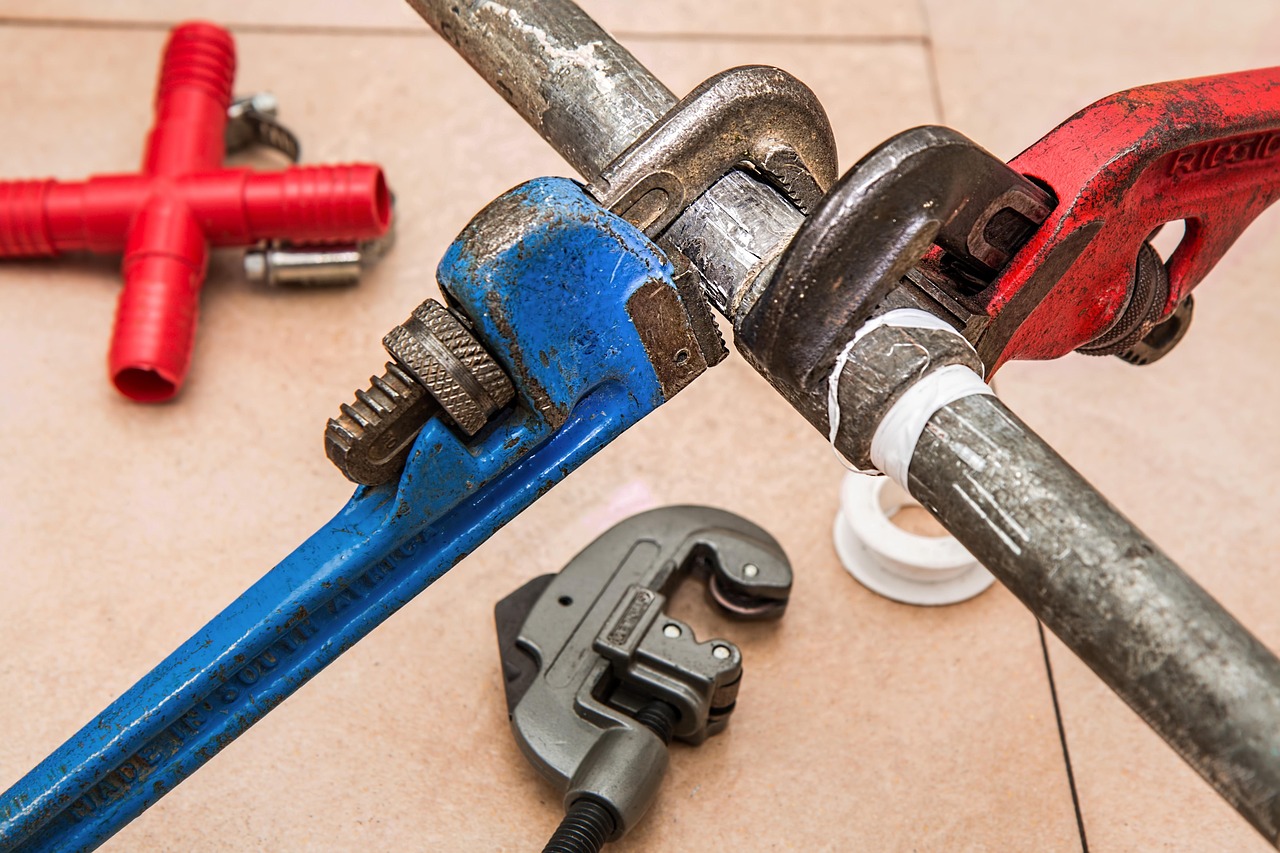
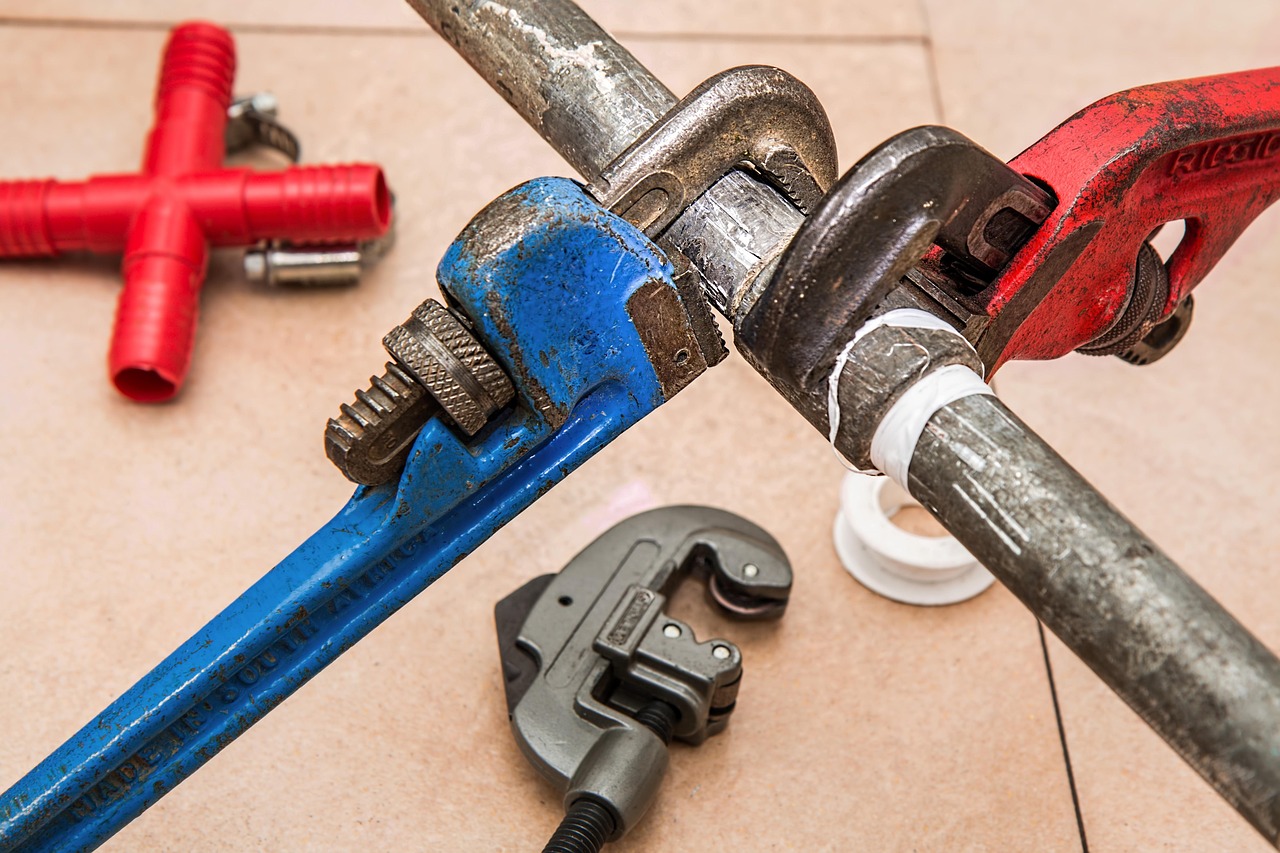
Having the right tools makes maintenance easier and more effective. Build your collection gradually, investing in quality items that last. Essential spring maintenance tools include:
- Ladder (appropriate height for your home)
- Garden hose with spray nozzle
- Rake, shovel, and pruning shears
- Caulk and caulk gun
- Screwdrivers, hammer, and basic hand tools
- Cleaning supplies (microfiber cloths, brushes, appropriate cleaners)
- Flashlight for inspecting dark spaces
- Work gloves and safety glasses
Stock up on consumables like HVAC filters, light bulbs, and batteries. Having supplies on hand means you can complete tasks immediately rather than delaying for shopping trips.
💰 Budgeting for Spring Maintenance
Spring maintenance requires some financial investment, but thoughtful budgeting prevents sticker shock. Allocate funds for both DIY supplies and professional services. On average, homeowners should budget one to three percent of their home’s value annually for maintenance and repairs.
Prioritize tasks by urgency and safety. Address issues affecting your home’s structural integrity, safety systems, or potential water damage first. Cosmetic improvements can wait if budget is limited. Consider which tasks require professional expertise and which you can confidently handle yourself.
Many professional services offer spring discounts, as HVAC companies, landscapers, and contractors are less busy before peak season. Schedule services early for better availability and potential savings.
✨ The Rewarding Results of Proactive Care
Completing your spring maintenance schedule brings satisfaction that goes beyond a clean, functional home. You’re protecting your investment, preventing future problems, and creating a comfortable environment for the season ahead. Each task checked off the list reduces stress and builds confidence in your ability to care for your property.
Regular maintenance also increases your home’s value. When the time comes to sell, a well-maintained property commands higher prices and sells faster. Buyers appreciate homes with documented care and few deferred maintenance issues.
Perhaps most importantly, a refreshed home supports your wellbeing. Clean, organized, properly functioning spaces reduce daily friction and frustration. You’ll spend less time dealing with emergencies and more time enjoying your home and the beautiful spring season.
Start your spring maintenance journey today, even if you tackle just one task. Progress, not perfection, is the goal. Your home has sheltered you faithfully—now give it the care it deserves. With this ultimate spring maintenance schedule as your guide, you’re equipped for a sparkling, stress-free season ahead. Welcome spring with open arms and a home that’s ready to shine! 🌼