Transform your home’s aesthetic with a simple, budget-friendly upgrade that takes minutes but makes a lasting impression. Replacing your light switch plates and covers is one of the easiest DIY projects that instantly refreshes any room without requiring professional help or expensive tools.

Whether you’re preparing your home for sale, updating your décor, or simply tired of outdated, dingy switch plates, this comprehensive guide walks you through everything you need to know. From selecting the perfect style to installation tips that ensure professional-looking results, you’ll discover how this small change creates surprisingly big visual impact throughout your living spaces.
Why Replace Your Light Switch Plates? ✨
Light switch plates are among the most frequently touched surfaces in your home, yet they’re often overlooked during decorating projects. Over time, these essential fixtures accumulate fingerprints, scratches, discoloration, and wear that diminish your room’s overall appearance. Even freshly painted walls can look dingy when framed by yellowed or damaged switch plates.
Beyond aesthetics, updating your switch plates offers practical benefits. Modern designs provide better coverage, improved durability, and enhanced safety features compared to older models. Many homeowners discover that mismatched or broken plates actually detract from their home’s value during appraisals or showings.
The best part? This upgrade costs just a few dollars per plate and requires minimal time investment. Unlike major renovation projects, you’ll see immediate results without the mess, expense, or disruption to your daily routine.
Choosing the Perfect Switch Plate Style for Your Space 🎨
The variety of available switch plate designs has exploded in recent years, offering options far beyond basic plastic white covers. Your selection should complement your existing décor while reflecting your personal style preferences.
Material Matters: Understanding Your Options
Different materials offer distinct advantages depending on your needs and aesthetic goals. Plastic plates remain the most affordable and versatile option, available in countless colors and finishes. They’re lightweight, easy to clean, and perfect for budget-conscious projects or rental properties.
Metal switch plates, including stainless steel, brass, and bronze finishes, deliver a more sophisticated appearance with exceptional durability. These work beautifully in modern, industrial, or traditional settings and resist wear better than plastic alternatives. However, they typically cost more and may require special care to prevent tarnishing.
Wood switch plates add warmth and organic texture to spaces, particularly in rustic, farmhouse, or craftsman-style homes. Glass and ceramic options create artistic focal points, though they require careful handling during installation to prevent cracking.
Color Coordination and Design Integration
While white remains the standard choice for its versatility, don’t hesitate to explore other options. Matching your switch plates to wall colors creates a seamless, disappearing effect that emphasizes architectural features rather than functional elements. Contrasting plates make bold statements, especially in accent wall applications.
Consider metallic finishes that coordinate with door hardware, light fixtures, and cabinet pulls for a cohesive, designer-curated appearance. Decorative plates featuring patterns, textures, or unique shapes transform functional items into decorative elements that enhance your room’s character.
Essential Tools and Materials You’ll Need 🔧
One of the greatest advantages of this DIY project is the minimal tool requirement. Most homeowners already have everything necessary, and any missing items cost just a few dollars at hardware stores.
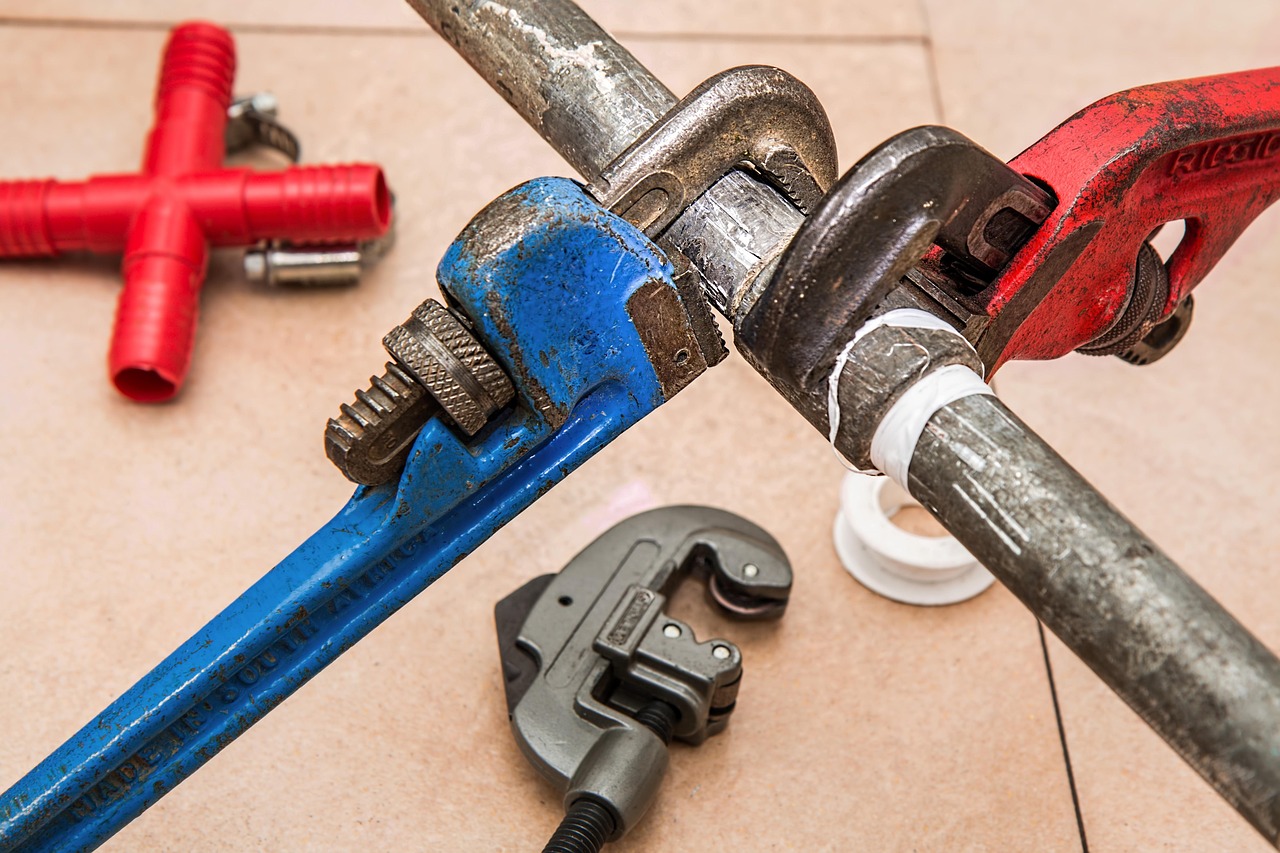
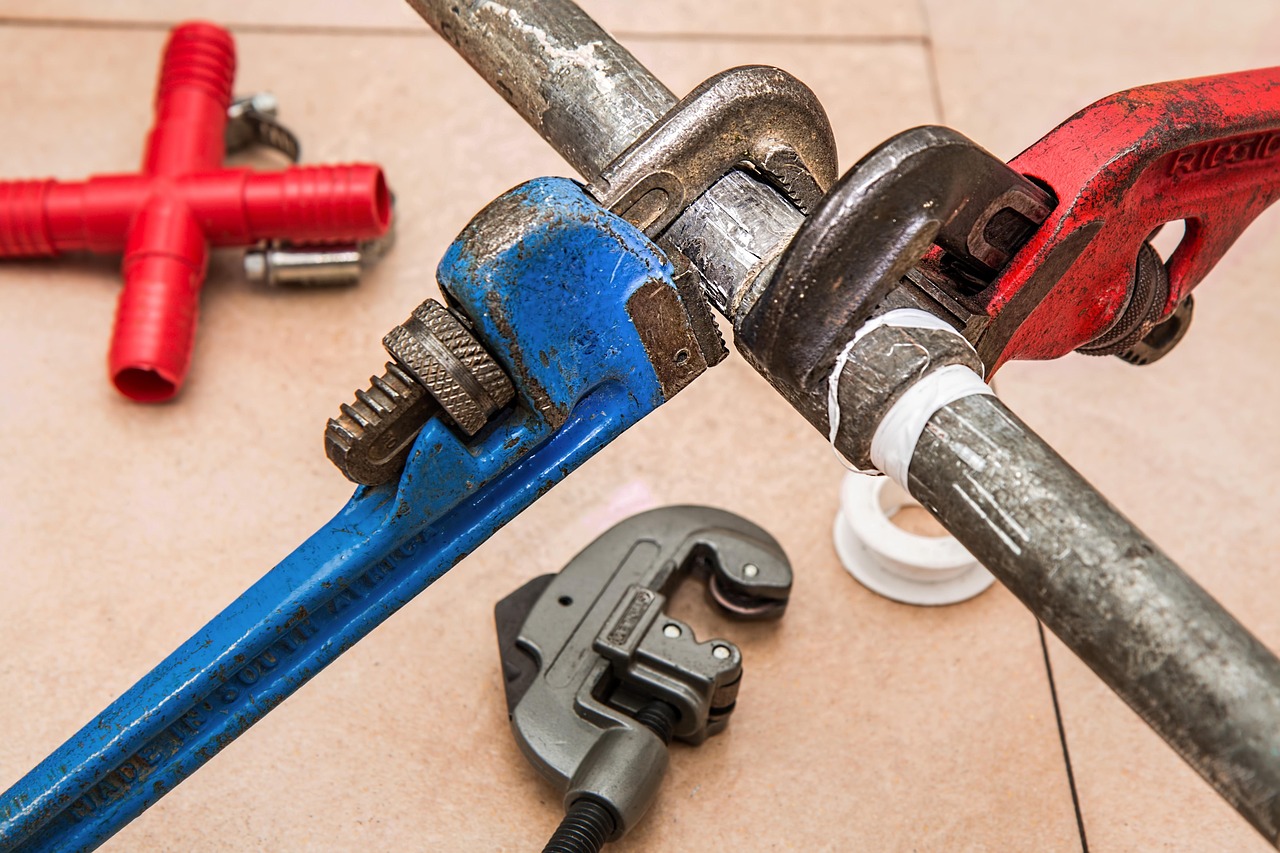
Your basic toolkit should include a flathead or Phillips screwdriver, depending on your existing screws. A voltage tester ensures safety when working near electrical components. Keep a clean cloth handy for wiping away dust and fingerprints during installation.
For the materials, purchase your selected switch plates and covers, ensuring you have the correct size and configuration for each location. Standard single-gang plates fit most switches, but verify measurements for double-gang, triple-gang, or specialty configurations. New mounting screws often come included with quality switch plates, but have extras available in case originals are damaged or lost.
Step-by-Step Installation Guide for Perfect Results 👷
Safety First: Preparing Your Workspace
Although replacing switch plates doesn’t require turning off electricity, safety remains paramount. Never touch exposed wiring or internal switch components. If your existing plate reveals any damaged wiring, cracked switches, or unusual conditions, consult a licensed electrician before proceeding.
Clear the area around each switch, removing furniture, décor items, or wall hangings that might interfere with your work. Have good lighting available, especially in dimly lit hallways or closets where switches are often located.
Removing Old Switch Plates
Begin by identifying the screw type securing your current plate. Most use either flathead or Phillips head screws positioned at the center of the plate. Turn counterclockwise to loosen, but don’t completely remove the screw until you’re supporting the plate with your other hand to prevent it from falling.
Once the screw is removed, gently pull the plate away from the wall. Some older plates may stick due to paint buildup or accumulated grime. Apply gentle, even pressure rather than forcing, which could damage your wall surface. If paint has sealed the edges, carefully score along the perimeter with a utility knife before removing.
Set removed screws aside in a container to prevent loss, especially if they’re in good condition for reuse. Inspect the wall box and switch mechanism for any issues requiring attention before installing your new plate.
Cleaning and Preparing the Surface
With the old plate removed, you’ll likely discover accumulated dust, paint splatters, or grime around the switch opening. Use a slightly damp cloth to wipe the wall box and surrounding wall area, taking care not to disturb any wiring or internal components.
Check that the switch mechanism sits flush and straight within the wall box. If it’s tilted or loose, tighten the mounting screws on the top and bottom of the switch itself (not the plate screws) until it’s properly positioned. This ensures your new plate will sit flat and straight against the wall.
Allow any damp areas to dry completely before proceeding with installation to prevent trapping moisture beneath your new plate.
Installing Your New Switch Plate
Position your new switch plate over the switch, aligning the opening with the toggle or rocker mechanism. Most plates have a specific orientation, so ensure any decorative elements or branding faces correctly before securing.
Insert the mounting screw through the center hole and into the threaded opening in the switch mechanism. Begin threading by hand to prevent cross-threading, then use your screwdriver to tighten. Apply firm but gentle pressure—overtightening can crack the plate, strip the threads, or cause the plate to sit unevenly.
The plate should sit flush against the wall without gaps or wobbling. If you notice unevenness, loosen the screw slightly and reposition before retightening. For metal plates, be especially cautious about overtightening, as they’re more prone to bending or warping under excessive pressure.
Final Adjustments and Quality Check
Once installed, test the switch to ensure it operates smoothly without catching or binding against the new plate. Toggle or rock the switch several times, verifying that the cover provides adequate clearance and doesn’t interfere with normal operation.
Wipe away any fingerprints or smudges with a clean, soft cloth. Step back and visually inspect the installation, checking that the plate sits level and aligns with adjacent plates, outlets, or architectural features. If multiple switches share the same wall, verify they’re all installed at consistent heights and orientations for a professional appearance.
Room-by-Room Switch Plate Selection Strategy 🏠
Kitchen and Dining Areas
Kitchens require switch plates that balance style with practicality. Choose materials that resist moisture and clean easily, such as stainless steel, plastic with antimicrobial coatings, or sealed wood finishes. Coordinate with appliance finishes and cabinet hardware for a unified look.
In dining rooms, consider more decorative options that complement your lighting fixtures and furnishings. Dimmer switches, common in these spaces, may require special cover plates designed to accommodate the larger control mechanisms.
Bathrooms and Moisture-Prone Spaces
Bathroom switch plates face unique challenges from humidity, temperature fluctuations, and cleaning products. Opt for moisture-resistant materials like coated plastics or treated metals. Avoid untreated wood or porous materials that can warp, discolor, or harbor mold growth.
Metallic finishes that coordinate with faucets, towel bars, and shower fixtures create cohesive design schemes. Consider textured or easy-clean surfaces that hide water spots and fingerprints in these high-use areas.
Bedrooms and Living Spaces
These rooms offer greater freedom for creative expression through decorative switch plates. Match them to your overall design theme—modern minimalist, traditional elegance, bohemian eclectic, or any style that reflects your personality.
Bedrooms might benefit from painted plates that blend seamlessly with wall colors, while living rooms could showcase statement pieces in interesting materials or finishes that complement your décor accessories.
Children’s Rooms and Playful Spaces
Kids’ rooms present opportunities for fun, themed switch plates featuring favorite characters, colors, or designs. Many manufacturers offer novelty plates with glow-in-the-dark elements, chalkboard surfaces, or interactive features that engage young imaginations.
Choose durable materials that withstand the increased wear from little hands while remaining easy to clean. As children grow, simple replacement allows the room to mature with them.
Creative Customization Ideas Beyond Basic Replacement 🎭
While standard replacement delivers impressive results, creative homeowners can take this project further with personalized touches. Paint plastic switch plates using specialized primers and paints to achieve exact color matches or create custom designs. Stenciling, decoupage, or wallpaper application transforms plain plates into unique artistic expressions.
Consider installing oversized plates that extend beyond standard dimensions, creating a framed effect that makes switches appear more intentional and less utilitarian. These work particularly well on feature walls or in rooms with high ceilings where standard plates can seem disproportionately small.
For gallery walls or spaces with prominent artwork, photo-frame style switch plates integrate switches into your display rather than treating them as interruptions. Some homeowners even commission custom plates from artisans working in ceramics, metals, or other specialty materials.
Maintaining Your New Switch Plates for Lasting Beauty ✨
Proper maintenance keeps your updated switch plates looking fresh for years. Regular cleaning prevents buildup that can dull finishes or cause permanent staining. Most plastic and metal plates respond well to gentle all-purpose cleaners and soft cloths, though abrasive materials can scratch delicate finishes.
For metal plates, use appropriate cleaners designed for specific materials—brass polish for brass, stainless steel cleaner for steel—to maintain luster and prevent tarnishing. Wood plates benefit from occasional conditioning with furniture oils or waxes that protect against moisture and wear.
Address damage promptly by replacing cracked, chipped, or significantly worn plates before they detract from your décor. Keep spare plates in common finishes for quick replacements when needed.
Budget-Friendly Tips for Whole-House Updates 💰
Replacing switch plates throughout your entire home need not strain your budget. Purchase in bulk from home improvement stores or online retailers offering quantity discounts. Many manufacturers provide contractor packs containing multiple plates at reduced per-unit costs.
Prioritize high-visibility areas first—entryways, main living spaces, and guest bathrooms—where updates deliver maximum impact. Secondary spaces like closets, garages, or basements can wait for future phases if budget constraints exist.
Mix and match strategically, using premium materials in focal areas while selecting budget-friendly options for less prominent locations. This balanced approach achieves professional results without unnecessary expense.
When to Call a Professional Electrician ⚡
While switch plate replacement is genuinely DIY-friendly, certain situations warrant professional assistance. If removing your old plate reveals damaged, loose, or improperly installed wiring, stop immediately and contact a licensed electrician. Similarly, switches that feel hot to the touch, produce buzzing sounds, or show signs of arcing or burning require professional evaluation.
When upgrading to smart switches, dimmer controls, or other specialized electrical components alongside your plate replacement, professional installation ensures proper function and safety. Complex configurations involving multiple switches, three-way circuits, or unusual wiring arrangements may also benefit from expert knowledge.
Never compromise safety for cost savings. Electrical issues can pose serious hazards, and professional electricians carry insurance, licensing, and expertise that protect your home and family.
Environmental Impact and Sustainable Choices 🌱
Conscientious homeowners can make environmentally responsible choices even in small projects like switch plate replacement. Look for products manufactured from recycled materials or by companies with demonstrated environmental commitments. Some manufacturers now offer plates made from post-consumer plastics, reclaimed wood, or sustainably sourced materials.
Rather than discarding old plates, consider donating functional units to organizations like Habitat for Humanity ReStores, where they can be reused in other homes. Vintage or antique plates may have collector value, making them worth selling or preserving rather than disposing.
Choose quality over quantity, selecting durable plates that will last years rather than cheap options requiring frequent replacement. This approach reduces long-term waste while potentially saving money over time.

Transform Your Space Starting Today 🌟
Few home improvement projects offer the combination of simplicity, affordability, and visual impact that switch plate replacement provides. In less than an hour and for minimal investment, you can refresh every room in your home with this accessible DIY update.
Start your transformation by assessing your current switch plates, identifying which rooms would benefit most from updates. Visit home improvement stores or browse online retailers to explore the vast array of available styles, materials, and finishes. Gather your simple tools, follow the straightforward installation steps, and enjoy the immediate satisfaction of seeing your spaces brighten with this fresh new look.
Remember that home improvement doesn’t always require major renovation budgets or professional contractors. Sometimes the smallest changes—the ones we can accomplish ourselves in minutes—deliver the most rewarding results. Your light switch plates touch every room in your home, making them the perfect starting point for creating the aesthetic you’ve always envisioned.