Wobbly furniture can be incredibly frustrating, turning everyday activities into annoying balancing acts. Whether it’s a dining chair that rocks during meals or a work table that wobbles while you type, unstable furniture disrupts comfort and productivity.

The good news is that most furniture stability issues are surprisingly easy to fix with basic tools and a little know-how. Before you consider replacing that shaky chair or unsteady table, explore these practical repair solutions that can transform your wobbly furniture into solid, dependable pieces. Not only will you save money, but you’ll also extend the life of furniture that may hold sentimental value or perfectly matches your décor.
🔍 Identifying the Root Cause of Furniture Instability
Before diving into repairs, understanding why your furniture wobbles is essential for choosing the right fix. The most common culprits include loose joints, uneven legs, worn-out glides, and structural damage. Taking time to diagnose the problem correctly saves effort and ensures your repair actually works.
Start by placing your wobbly chair or table on a flat, level surface. Rock it gently in different directions to pinpoint where the instability originates. Check all joints where pieces connect, looking for gaps or movement. Inspect the legs for differences in length or damage to the feet. Sometimes the issue isn’t the furniture itself but an uneven floor, which requires a different approach entirely.
Common Signs of Different Furniture Problems
Loose joints typically create a side-to-side wobble and may produce creaking sounds when weight is applied. You’ll often see small gaps where wooden pieces should fit snugly together. Uneven legs cause the furniture to rock in one specific direction, usually front-to-back or side-to-side consistently. Worn glides or missing rubber feet create instability that changes depending on floor surface, while structural cracks or breaks cause noticeable sagging or severe wobbling that worsens over time.
🛠️ Essential Tools and Materials for Furniture Repair
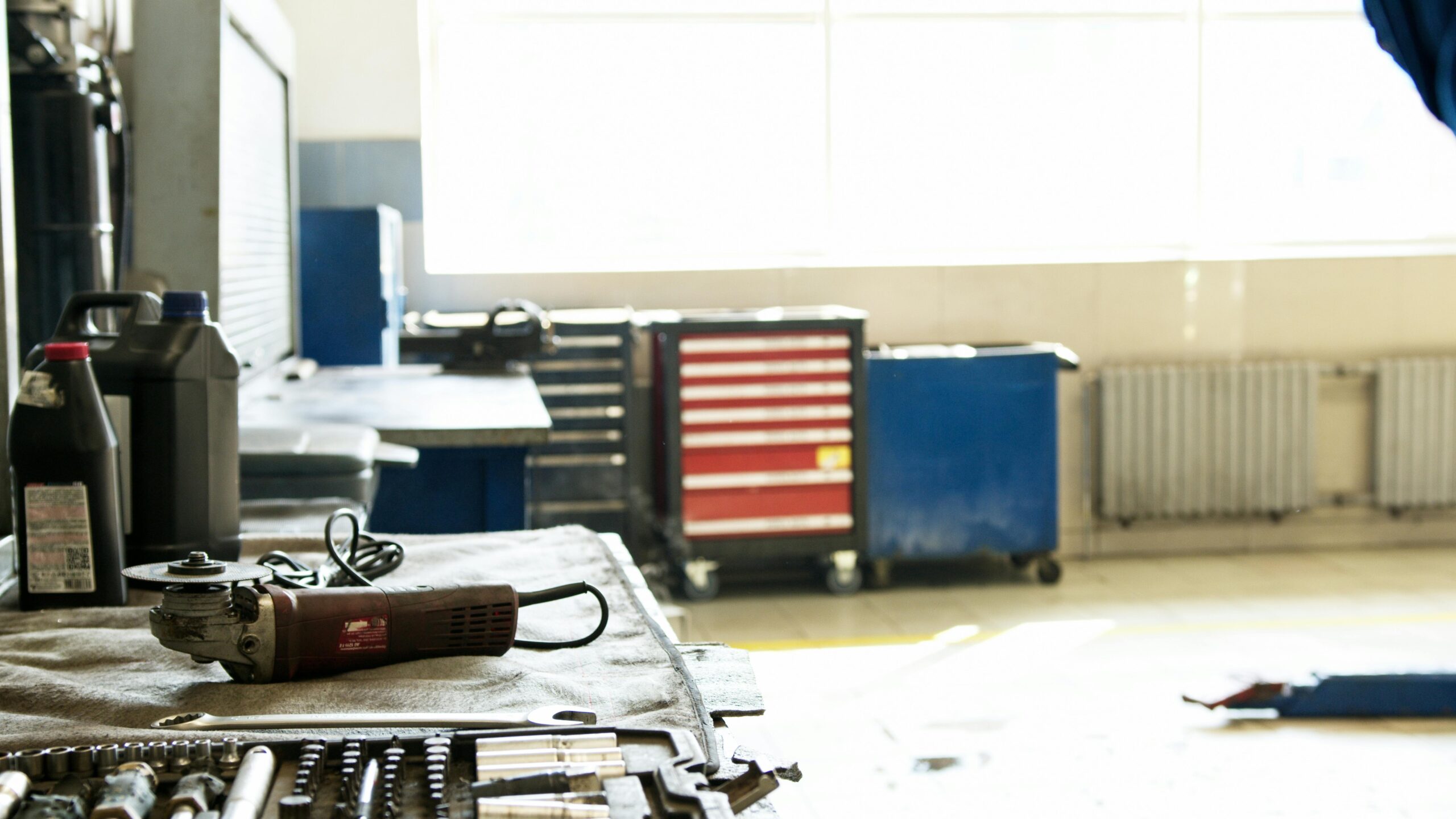
Having the right tools makes furniture repair much easier and more effective. Fortunately, most fixes require only basic items you may already have at home. Building a simple furniture repair kit ensures you’re prepared whenever stability issues arise.
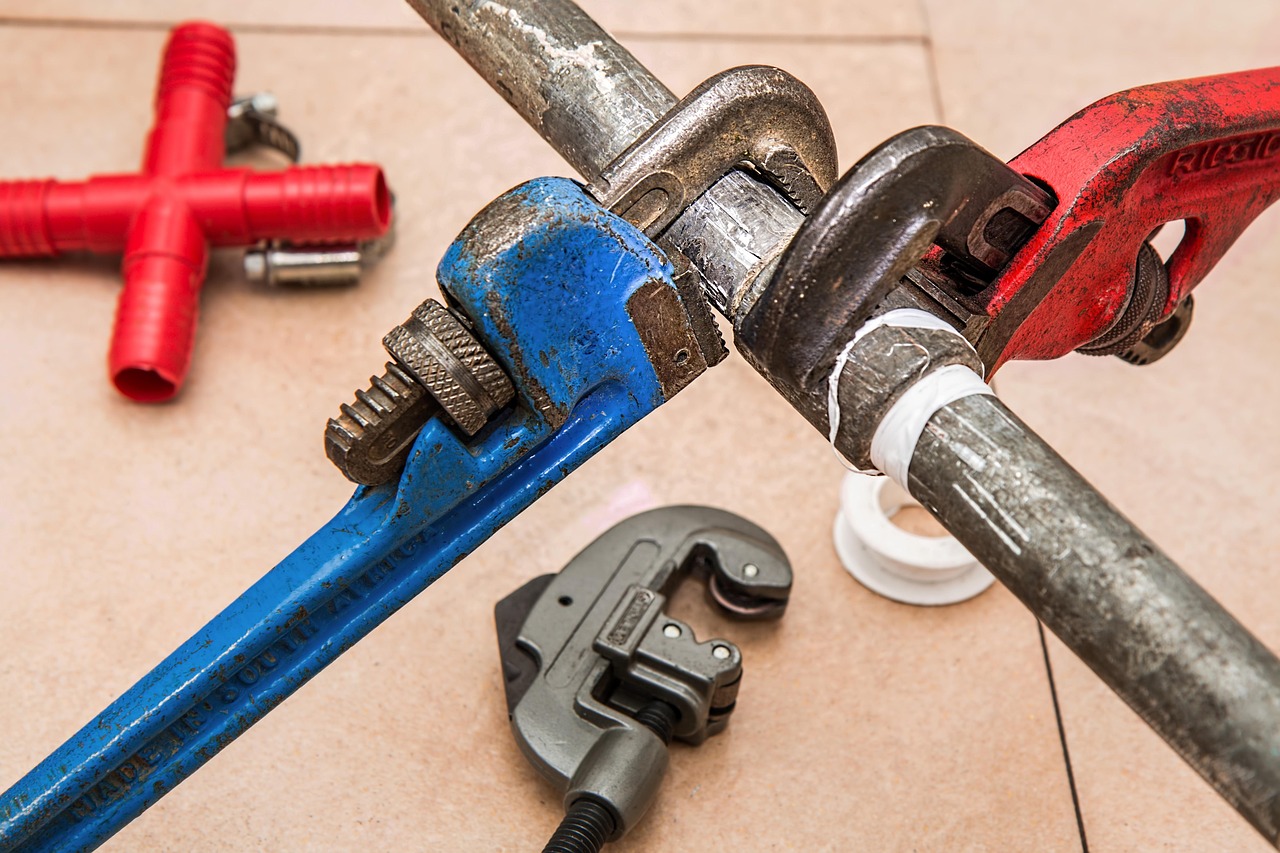
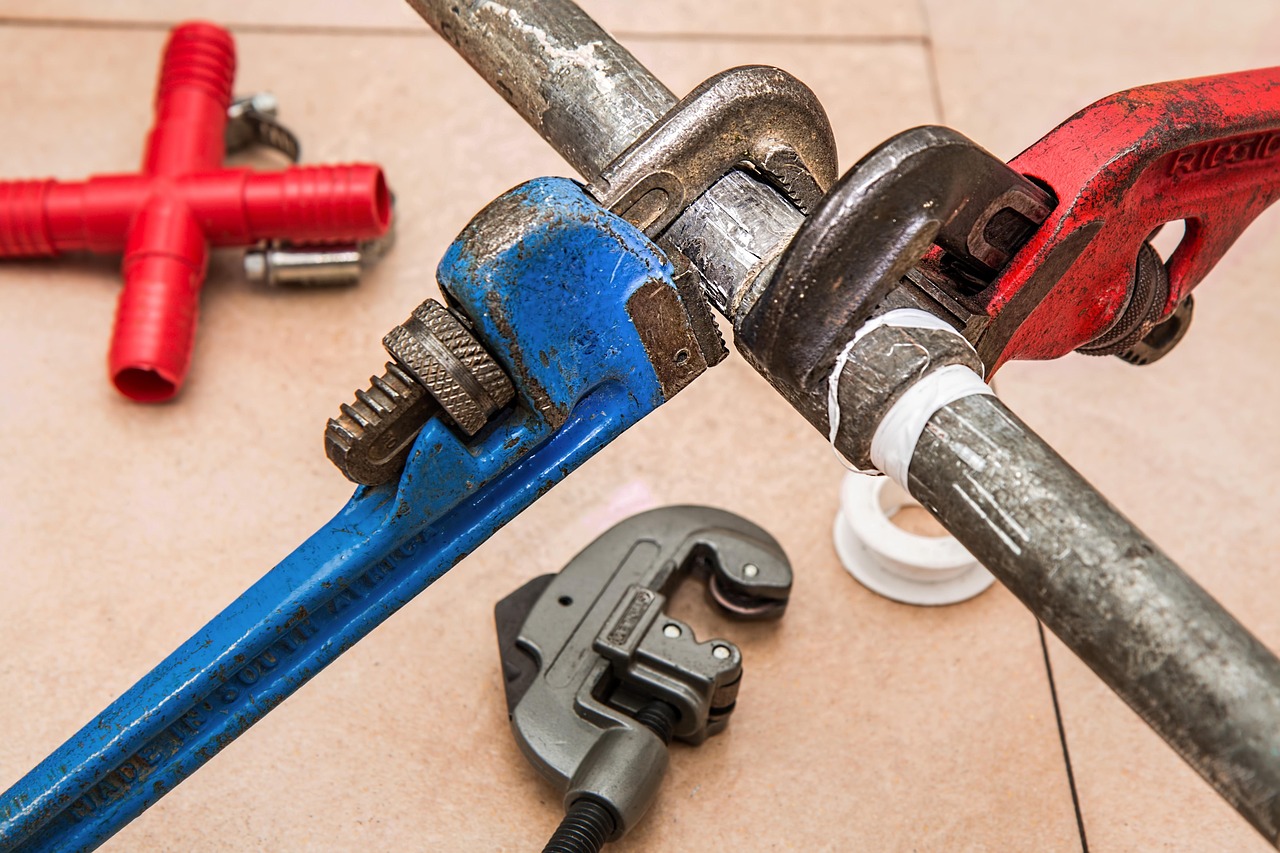
Your basic toolkit should include wood glue designed for furniture repairs, clamps in various sizes, screwdrivers (both flathead and Phillips), an adjustable wrench, sandpaper in different grits, wood filler or putty, measuring tape, a level, and a rubber mallet. For more advanced repairs, consider adding corner braces, wooden dowels, wood screws, felt pads or furniture glides, shims, and a drill with appropriate bits.
💺 Fixing Wobbly Chairs: Step-by-Step Solutions
Chairs experience constant stress from sitting, standing, and movement, making them particularly susceptible to developing wobbles. The repair approach depends on the chair’s construction and the specific problem area.
Tightening Loose Chair Joints
Loose joints are the primary cause of wobbly chairs, especially in wooden dining and office chairs. Over time, the glue holding joints together deteriorates, and the constant pressure from use causes connections to loosen. This repair requires patience but delivers excellent results.
First, carefully disassemble the loose joint by gently pulling the pieces apart. If they’re stuck, use a rubber mallet to tap them loose, being careful not to damage the wood. Clean both surfaces thoroughly, removing old glue with sandpaper or a chisel. Old glue prevents new adhesive from bonding properly, so this step is crucial.
Apply quality wood glue generously to both surfaces of the joint, ensuring complete coverage. Reassemble the pieces firmly, wiping away excess glue with a damp cloth. Use clamps to hold the joint tightly while the glue dries, typically 24 hours for maximum strength. Position clamps to apply even pressure without over-tightening, which can damage the wood or squeeze out too much glue.
Reinforcing Chair Rungs and Stretchers
Chair rungs (the horizontal pieces connecting legs) often loosen or break, compromising overall stability. If tightening alone doesn’t solve the problem, reinforcement provides lasting strength.
For loose rungs, inject wood glue into the socket where the rung connects to the leg. Use a syringe or glue injector for precision. Twist the rung while pushing it firmly into place, then clamp until dry. For added strength, drill a small pilot hole through the leg into the rung at an angle, then insert a wooden dowel or screw coated with glue.
Broken rungs require replacement. Measure the diameter and length carefully, then purchase matching dowels from a hardware store. Cut to size, shape the ends to fit the existing sockets, apply glue, and install using the same clamping technique.
Addressing Chair Leg Issues
Uneven chair legs create wobbling that no amount of joint tightening will fix. Place the chair on a perfectly flat surface to identify which leg is shorter. The gap between the short leg and floor reveals how much adjustment is needed.
For minor differences, adding furniture glides or felt pads to the shorter leg often solves the problem. These inexpensive solutions are available in various thicknesses. For larger gaps, cut a small piece of wood or cork to the exact thickness needed and attach it securely to the leg bottom with strong adhesive.
If one leg is too long, carefully mark the excess length using the flat surface as a guide. Remove the leg if possible and cut it with a saw, then sand the bottom smooth. Always cut conservatively—you can remove more material, but you can’t add it back.
🪑 Stabilizing Wobbly Tables: Effective Repair Methods
Tables present unique challenges because their larger surface area amplifies even small instabilities. A table that wobbles slightly can cause spills, make writing difficult, and generally frustrate everyone who uses it.
Fixing Loose Table Leg Attachments
Most tables attach legs using one of several methods: corner blocks with screws, metal brackets, or mortise and tenon joints. Each requires a slightly different repair approach.
For tables with corner blocks, flip the table upside down and examine how legs connect to the apron (the frame beneath the tabletop). Tighten all screws firmly using an appropriate screwdriver or drill. If screws spin without tightening, the holes have become stripped. Remove the screw, fill the hole with wooden toothpicks and glue, let dry, then re-drill and reinsert the screw into the new solid material.
Metal bracket attachments should be inspected for bends or cracks. Tighten all bolts and nuts with a wrench. Replace damaged brackets, which are inexpensive and widely available at hardware stores. When replacing brackets, choose ones rated for furniture weight and use appropriate fasteners.
Repairing Table Apron Connections
The apron provides crucial structural support for tables. When apron joints loosen, the entire table becomes unstable. These joints typically use dowels, mortise and tenon construction, or pocket screws.
Inspect each corner where apron pieces meet. Look for gaps, movement, or separation. For loose joints, follow the same gluing and clamping procedure described for chairs. The larger size of table components requires longer clamps or creative clamping arrangements using rope or strap clamps.
For additional reinforcement, install corner braces at each joint where the apron meets the legs. These L-shaped metal brackets add significant strength and prevent future loosening. Position them inside the apron corners and secure with screws into both the leg and apron.
Leveling Tables on Uneven Floors
Sometimes the furniture isn’t the problem—the floor is. Older homes often have floors that have settled or warped over time. Even new construction may have slight variations in floor level.
Adjustable furniture levelers provide the perfect solution for this situation. These threaded glides screw into the bottom of table legs and can be adjusted up or down to compensate for floor irregularities. Install them by drilling an appropriately sized hole in the center of each leg bottom, then screwing in the leveler. Adjust each one until the table sits perfectly stable.
For tables where drilling isn’t desirable, adhesive furniture pads or stackable shims work well. Test different thicknesses until you find the right combination, then secure them permanently with strong adhesive once you’ve achieved perfect stability.
🔧 Advanced Repair Techniques for Serious Stability Issues
Some furniture problems require more extensive repairs. While these techniques demand more time and skill, they can salvage furniture that would otherwise be unsalvageable.
Replacing Damaged Dowels and Joints
When joints have deteriorated beyond simple re-gluing, drilling out old dowels and installing new ones restores original strength. This repair requires precision but isn’t as difficult as it sounds.
Separate the joint and locate the existing dowel holes. If old dowels remain, drill them out using a bit matching the dowel diameter. Be extremely careful to drill straight and to the original depth. Purchase hardwood dowels in the appropriate size from a hardware store.
Apply wood glue to both the dowel and the holes, insert the dowel into one side, then connect the mating piece. Ensure proper alignment before the glue sets. Clamp firmly and allow complete drying time before removing clamps or putting weight on the repair.
Adding Structural Support Blocks
For furniture experiencing general instability or age-related weakness, adding corner blocks provides substantial reinforcement. This technique works particularly well for chairs and tables with frame construction.
Cut triangular blocks from hardwood, sizing them to fit snugly into corners between legs and aprons or seat frames. Apply wood glue to two sides of each block, press firmly into the corner, and secure with screws driven at angles through the block into both frame pieces. These hidden reinforcements dramatically improve stability without affecting appearance.
🛡️ Preventing Future Furniture Wobbles
After investing time in repairs, taking preventive measures helps keep furniture stable for years to come. Simple maintenance habits make a significant difference in furniture longevity.
Regularly check and tighten all screws, bolts, and other fasteners every few months. Apply furniture wax or polish to wooden joints periodically—this provides some moisture protection that helps preserve glue bonds. Use coasters and placemats to prevent moisture damage to table surfaces and joints.
Avoid dragging furniture across floors, which stresses joints and can damage leg bottoms. Instead, lift furniture when moving it, even short distances. Place felt pads under furniture feet to reduce wear and protect both furniture and floors. In humid environments, use a dehumidifier to prevent wood swelling and joint loosening.
Distribute weight evenly on chairs and tables. Avoid sitting on chair arms or leaning back excessively, which stresses joints unevenly. Don’t overload tables beyond their weight capacity, especially folding or lightweight models.
💡 Material-Specific Repair Considerations
Different furniture materials require adapted repair approaches. Understanding these nuances ensures successful repairs regardless of what your furniture is made from.
Wooden Furniture Repairs
Solid wood furniture typically responds well to traditional repair methods involving glue, clamps, and reinforcement. However, wood type matters. Hardwoods like oak, maple, and walnut accept screws and dowels securely and glue bonds strongly. Softwoods like pine require gentler handling and may need larger fasteners or more extensive reinforcement.
Particle board and MDF (medium-density fiberboard) present challenges because they don’t hold screws as well as solid wood. When repairing these materials, use specialty fasteners designed for engineered wood, apply adhesive to screw threads, or install threaded inserts that provide better holding power.
Metal Frame Furniture
Metal chairs and tables wobble for different reasons than wooden furniture. Check for bent frames, loose bolts, or worn welded joints. Tighten all bolts and nuts thoroughly using appropriate wrenches. If threads are stripped, replace bolts with slightly larger ones or use locking nuts that resist loosening.
Bent metal frames sometimes can be carefully straightened using a rubber mallet and wooden block to protect the finish. Severe bends or broken welds require professional repair or welding equipment. For minor frame instability, adding rubber or plastic bumpers to leg bottoms often provides sufficient leveling.
Plastic and Resin Furniture
Plastic furniture repairs require specialized adhesives formulated for plastic bonding. Regular wood glue won’t work. Epoxy designed for plastics creates strong bonds for cracked or broken components. Reinforce repairs with plastic-compatible screws or bolts when possible.
Sun-damaged plastic becomes brittle and is difficult to repair permanently. Consider replacement rather than extensive repairs for severely degraded plastic furniture.
📊 When to Repair vs. When to Replace
Not every piece of wobbly furniture is worth repairing. Making smart decisions about repair investments saves time and money.
| Consider Repairing When… | Consider Replacing When… |
|---|---|
| The furniture has sentimental or antique value | Structural damage is extensive or catastrophic |
| Repairs require only basic materials and tools | Replacement costs less than repair materials |
| The piece matches existing décor perfectly | Multiple previous repairs have already failed |
| Damage is limited to specific components | The furniture doesn’t meet current needs or safety standards |
| The quality and construction are superior | Inexpensive mass-produced furniture with particle board construction |
Evaluate the time investment realistically. Simple repairs like tightening joints or adding levelers take minutes to an hour. Complex repairs involving disassembly, multiple new parts, and reconstruction may take several hours plus drying time. Consider whether your time is better spent repairing or shopping for replacement furniture.
✨ Breathing New Life into Restored Furniture
Once you’ve successfully stabilized your furniture, consider complementary improvements that enhance both function and appearance. Refinishing or repainting transformed furniture can make it look brand new.
After structural repairs, lightly sand all surfaces to smooth any rough spots and prepare for finishing. Apply wood stain to enhance grain and color, followed by polyurethane or furniture wax for protection. For painted furniture, use primer before applying your chosen color in thin, even coats.
Replace worn upholstery on chairs to complete the transformation. Even simple seat cushion covers in updated fabrics can dramatically change a chair’s appearance. Consider adding decorative elements like new knobs, painted accents, or stenciled designs that reflect your personal style.

🌟 The Satisfaction of DIY Furniture Repair
Successfully repairing wobbly furniture delivers satisfaction that goes beyond the functional improvement. You’ve saved money, kept usable items out of landfills, and developed practical skills applicable to countless future projects.
These repairs build confidence in your ability to solve household problems independently. The tools and techniques you’ve learned apply to many other furniture issues and home maintenance tasks. You’re preserving resources, honoring the craftsmanship of well-made furniture, and creating more sustainable consumption habits.
Share your knowledge with family and friends who struggle with unstable furniture. Teaching others multiplies the positive impact of these simple repair skills. Document your repairs with photos to track your progress and create references for future projects.
With these repair techniques in your skillset, you’ll never again tolerate wobbly chairs or unstable tables. Transform frustrating furniture problems into opportunities for creative problem-solving and practical accomplishment. Your home will be more comfortable, your furniture more functional, and your confidence in DIY repairs significantly strengthened. Start with one wobbly piece today and experience the rewarding transformation from unstable to sturdy furniture that serves you reliably for years to come.