A running toilet isn’t just an annoying sound that keeps you awake at night—it’s silently draining your wallet and wasting precious water resources every single day.

Most homeowners don’t realize that a continuously running toilet can waste up to 200 gallons of water per day, translating to thousands of gallons annually. This seemingly minor plumbing issue accounts for nearly 30% of household water consumption in homes where it goes unaddressed. The good news? You don’t need to be a professional plumber to fix this problem. With a few simple tools and our comprehensive guide, you’ll be able to diagnose and repair your running toilet in less than an hour, saving money and contributing to water conservation efforts.
🔍 Understanding Why Your Toilet Won’t Stop Running
Before you can fix the problem, you need to understand what’s causing it. A toilet continues running when water keeps flowing from the tank into the bowl even after flushing is complete. This happens when the fill valve doesn’t shut off or when water escapes from the tank through a faulty flapper valve.
The toilet tank mechanism consists of several key components working in harmony: the fill valve (also called a ballcock), the flapper, the flush valve, the overflow tube, and the float. When any of these components malfunction, your toilet enters a perpetual cycle of refilling, creating that telltale running sound.
Common Culprits Behind a Running Toilet
The flapper valve is the most frequent offender. This rubber seal sits at the bottom of your tank and lifts when you flush, allowing water to rush into the bowl. Over time, mineral deposits, algae, and general wear cause the flapper to warp or deteriorate, preventing a proper seal. When this happens, water continuously trickles into the bowl.
Another common issue involves the fill valve and float mechanism. If the float is set too high, water rises above the overflow tube and drains constantly. Alternatively, a malfunctioning fill valve may not shut off even when the proper water level is reached.
Chain problems also contribute to running toilets. If the chain connecting the flush handle to the flapper is too short, it prevents the flapper from sealing completely. Conversely, a chain that’s too long can get caught under the flapper, creating the same problem.
💧 The Environmental and Financial Impact
The water waste from a running toilet extends far beyond your bathroom. According to the Environmental Protection Agency, fixing easily corrected household leaks can save homeowners about 10% on their water bills. For a family of four, that’s approximately 9,400 gallons of water saved annually.
Consider the math: if your toilet runs continuously and wastes 200 gallons per day, that’s 6,000 gallons per month. At an average water rate of $0.01 per gallon (varying by location), you’re literally flushing $60 monthly down the drain. That’s $720 per year for absolutely nothing.
Beyond personal finances, there’s a broader environmental responsibility. Water scarcity affects billions of people globally. Every gallon you save contributes to sustainable water management, especially in drought-prone regions where water conservation isn’t just recommended—it’s essential for survival.
🛠️ Essential Tools and Materials You’ll Need
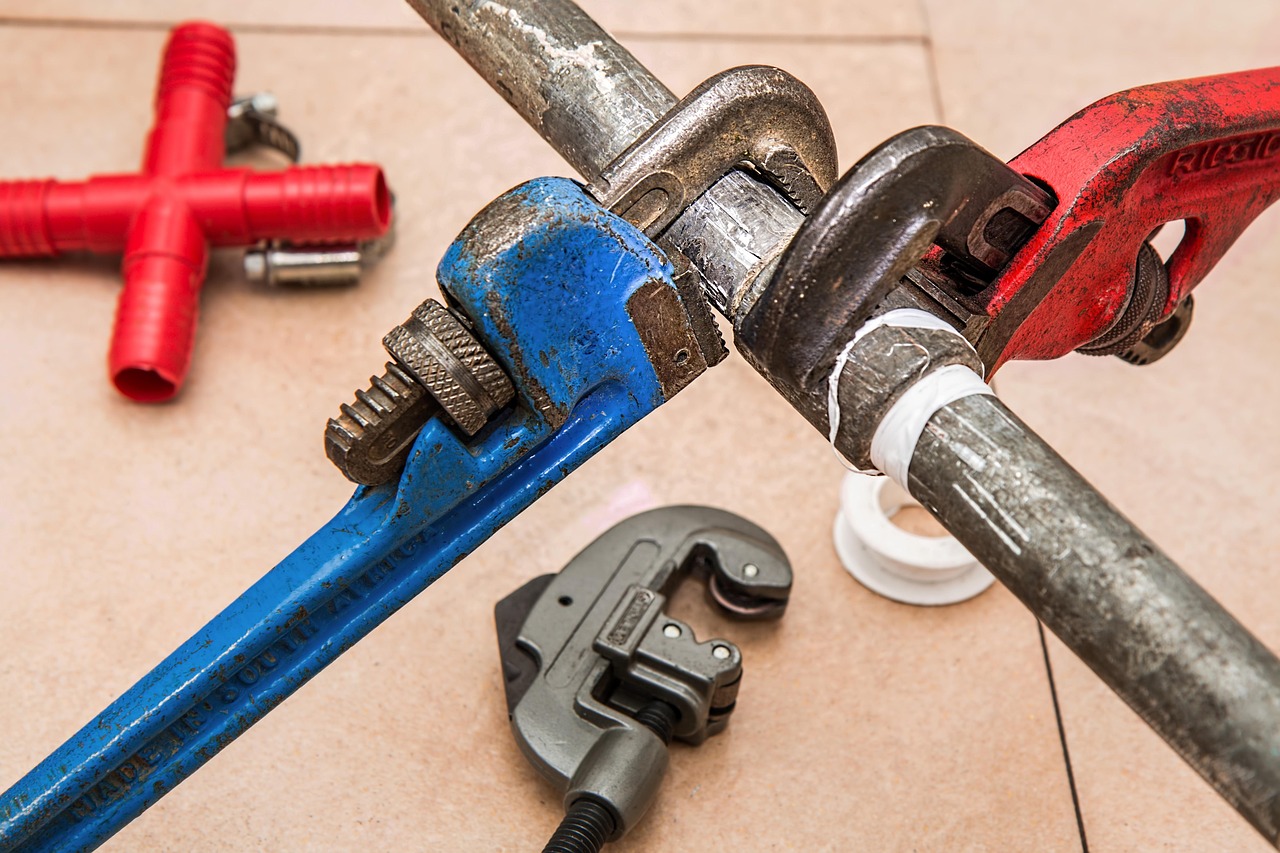
The beauty of this repair project is its simplicity. You won’t need expensive tools or specialized equipment. Most items are available at any hardware store, and the entire supply list costs less than $25—far less than a single plumber’s service call.
- Adjustable wrench or pliers
- Screwdriver (flathead and Phillips)
- Replacement flapper (universal models fit most toilets)
- Sponge or towels for cleanup
- Bucket or container
- Optional: replacement fill valve kit
- Optional: toilet tank cleaning solution
- Optional: rubber gloves
Before purchasing replacement parts, identify your toilet’s manufacturer and model if possible. While universal parts work for most toilets, some brands like Kohler, American Standard, or TOTO may have proprietary components that ensure optimal performance.
🔧 Step-by-Step Guide to Diagnosing the Problem
Accurate diagnosis saves time and prevents unnecessary part replacements. Start by performing a simple dye test to confirm water is actually leaking from the tank into the bowl.
The Food Coloring Test
Add several drops of food coloring or a dye tablet into your toilet tank. Don’t flush. Wait approximately 15-30 minutes, then check the toilet bowl. If colored water appears in the bowl without flushing, you’ve confirmed a leak—most likely a faulty flapper. This test is remarkably simple yet incredibly effective at identifying silent leaks that waste water without creating obvious running sounds.
Inspecting the Flapper
Remove the toilet tank lid and carefully set it aside in a safe location. Flush the toilet while watching the flapper mechanism. The flapper should lift completely when you press the handle, then drop back down to form a tight seal once the tank empties.
Look for visible signs of wear: cracks, warping, mineral buildup, or a slimy texture. Run your finger along the flapper’s sealing edge. Any irregularities indicate replacement is necessary. Also check the flush valve seat—the surface where the flapper seals. If it’s rough or corroded, the flapper can’t seal properly regardless of its condition.
Checking the Fill Valve and Float
Observe the water level in your tank. It should sit approximately one inch below the top of the overflow tube. If water reaches or exceeds the overflow tube height, it will continuously drain, and your fill valve won’t shut off properly.
Adjust the float by either bending the float arm (for ball-style floats) or turning the adjustment screw (for cup-style floats). The goal is to stop water flow before it reaches the overflow tube. If adjusting the float doesn’t solve the problem, the fill valve itself may need replacement.
🚿 Replacing the Flapper: A Simple Fix
Replacing a flapper is the most common and straightforward toilet repair. This process takes roughly 15 minutes and requires no special plumbing knowledge.
Step 1: Turn Off the Water Supply
Locate the shut-off valve on the wall or floor behind your toilet. Turn it clockwise until it stops. Flush the toilet to drain the tank completely. Use a sponge to remove remaining water from the bottom of the tank.
Step 2: Remove the Old Flapper
Disconnect the chain from the flush lever. Most flappers have small tabs or ears that slip over posts on either side of the overflow tube. Slide these tabs off to remove the flapper. Some flappers have a ring that slides over the overflow tube—simply lift it off.
Step 3: Install the New Flapper
Take your old flapper to the hardware store if you’re uncertain about the replacement type. Install the new flapper by reversing the removal process. Ensure the flapper sits flat and centered on the flush valve seat. Attach the chain to the flush lever, leaving slight slack—about half an inch. Too much slack prevents proper opening; too little prevents proper closing.
Step 4: Test Your Repair
Turn the water supply back on and allow the tank to refill. Flush several times while observing the flapper mechanism. The flapper should open fully and close completely, creating a watertight seal. Listen for running water. Perform another dye test if you want confirmation of complete repair.
⚙️ Replacing or Adjusting the Fill Valve
If your running toilet persists after replacing the flapper, the fill valve is likely the culprit. While slightly more complex than flapper replacement, this repair remains well within the average homeowner’s capabilities.
Adjusting the Existing Fill Valve
Many fill valve issues don’t require complete replacement. First, try adjusting the water level. Cup-style floats typically have a adjustment clip or screw on top of the valve. Pinch the clip and slide the float down to lower the water level, or turn the adjustment screw counterclockwise. Ball-style floats require bending the arm downward to lower water level.
If debris is clogging the valve, turn off the water supply and remove the valve cap. Turn on the water briefly to flush out sediment, then reassemble. This often resolves fill valves that won’t shut off completely.
Complete Fill Valve Replacement
When adjustment and cleaning fail, replacement becomes necessary. Turn off the water supply and flush to empty the tank. Disconnect the water supply line from the bottom of the tank using an adjustable wrench. Place a bucket underneath to catch residual water.
Inside the tank, unscrew the locknut securing the fill valve (this may require pliers). Remove the old fill valve. Insert the new valve according to manufacturer instructions, ensuring the proper height setting. The critical overflow level marked on most new valves should align approximately one inch above the overflow tube. Tighten the locknut, reconnect the water supply line, and test thoroughly.
🔄 Addressing Chain and Flush Handle Issues
Sometimes the problem isn’t the flapper itself but the chain connecting it to the flush handle. A properly adjusted chain has just enough slack to allow the flapper to seal completely while still opening fully when the handle is pressed.
If your chain is too long, shorten it by moving the connection point to a higher link. If it’s too short, replace it with a longer chain available at any hardware store for under $3. Some homeowners prefer upgrading to a flapper with an adjustable chain system that prevents tangling.
Flush handle problems can also cause running toilets. If the handle sticks in the flushed position, the flapper remains open. Check the mounting nut inside the tank—it should be snug but not overtightened. Clean any mineral deposits around the handle mechanism with vinegar, and ensure the handle moves freely without binding.
🧼 Preventive Maintenance for Long-Term Performance
Once you’ve fixed your running toilet, implementing preventive maintenance ensures the problem doesn’t return. Regular care extends the life of all toilet components and catches small issues before they become water-wasting emergencies.
Clean your toilet tank every six months. Turn off the water supply, flush to empty the tank, and scrub the interior with a brush and mild cleaner. This removes mineral deposits that cause flappers to deteriorate prematurely and fill valves to malfunction.
Inspect your flapper quarterly. This 30-second check can prevent months of water waste. Simply lift the flapper and examine its condition. Replace it at the first sign of wear—flappers cost just a few dollars and take minutes to install.
Test your toilet periodically using the dye test method. Make this part of your seasonal home maintenance routine. Catching slow leaks early prevents the dramatic water waste associated with completely failed flappers.
💡 Advanced Troubleshooting for Persistent Problems
Occasionally, running toilets stem from less common issues. If you’ve replaced the flapper and fill valve but still hear running water, consider these possibilities.
Cracked Overflow Tube
A crack in the overflow tube allows water to escape even when components function properly. Inspect the tube carefully for hairline cracks. Replacement requires more extensive disassembly but remains DIY-friendly with proper instructions and patience.
Warped Tank or Bowl
In rare cases, the tank itself may be warped or cracked, preventing proper sealing. Check for visible cracks, especially near the bolts connecting the tank to the bowl. Water pooling around the toilet base may indicate a crack requiring professional replacement.
Water Pressure Issues
Extremely high water pressure can overwhelm fill valves, preventing proper shutoff. If you’ve noticed strong water pressure throughout your home, consider installing a pressure regulator on your main water line. This protects all plumbing fixtures, not just toilets.
🌍 Beyond Repairs: Upgrading to Water-Efficient Toilets
While repairing your running toilet is essential, consider long-term water conservation through toilet upgrades. If your toilet was manufactured before 1994, it uses 3.5 to 7 gallons per flush. Modern WaterSense-certified toilets use just 1.28 gallons per flush while maintaining superior performance.
A family of four switching from an old 3.5-gallon toilet to a 1.28-gallon model saves approximately 27,000 gallons annually. Many water utilities offer rebates for toilet upgrades, potentially covering 50-100% of the new toilet cost. Check with your local water authority about available incentive programs.
Dual-flush toilets offer even greater efficiency by providing two flush options: a partial flush for liquid waste and a full flush for solid waste. These systems maximize water savings while ensuring adequate waste removal.
📊 Comparing Repair Costs vs. Professional Service
| Service Type | DIY Cost | Professional Cost | Time Required |
|---|---|---|---|
| Flapper Replacement | $5-$15 | $100-$200 | 15-20 minutes |
| Fill Valve Replacement | $15-$30 | $150-$250 | 30-45 minutes |
| Complete Rebuild Kit | $25-$40 | $200-$350 | 45-60 minutes |
| Diagnostic Service Call | $0 | $80-$150 | N/A |
These figures clearly demonstrate the financial advantage of DIY toilet repairs. Even accounting for tool purchases, you’ll save substantially while gaining valuable home maintenance skills. Professional service makes sense only for complex issues involving cracked tanks, major structural problems, or situations where multiple repair attempts have failed.

🎯 Taking Action Today for Immediate Water Savings
A running toilet doesn’t fix itself, and every day you delay costs money while wasting water. The repair process requires minimal time, basic tools, and no specialized knowledge. Within an hour, you can transform a water-wasting problem into an efficiently operating fixture that serves your household for years.
Start by performing the dye test tonight. This simple diagnostic tells you exactly whether your toilet is wasting water. If the test is positive, schedule time this weekend to implement the repairs outlined in this guide. Purchase your supplies midweek so everything is ready when you begin.
Remember that toilet repair builds confidence for other home maintenance projects. Successfully fixing your running toilet proves you don’t need to call professionals for every household issue. This empowerment translates to thousands of dollars saved over the years on various home repairs you can confidently tackle yourself.
Your toilet is one of the most-used fixtures in your home, cycling thousands of times annually. Ensuring it operates efficiently protects your wallet, conserves vital water resources, and prevents the frustration of that constant running sound. Take control of your home’s plumbing today—your future self will thank you every time you see a lower water bill and enjoy the quiet satisfaction of a job well done. 💪