When summer temperatures soar, a malfunctioning air conditioning system can turn your home into an unbearable sauna. Understanding basic HVAC troubleshooting can save you time, money, and discomfort.

Before calling an expensive repair technician, there are several diagnostic steps you can take to identify and potentially resolve common cooling issues. This comprehensive guide will walk you through the essential troubleshooting process, helping you maintain optimal comfort throughout the hottest months while potentially avoiding costly service calls.
🌡️ Understanding Your HVAC System Basics
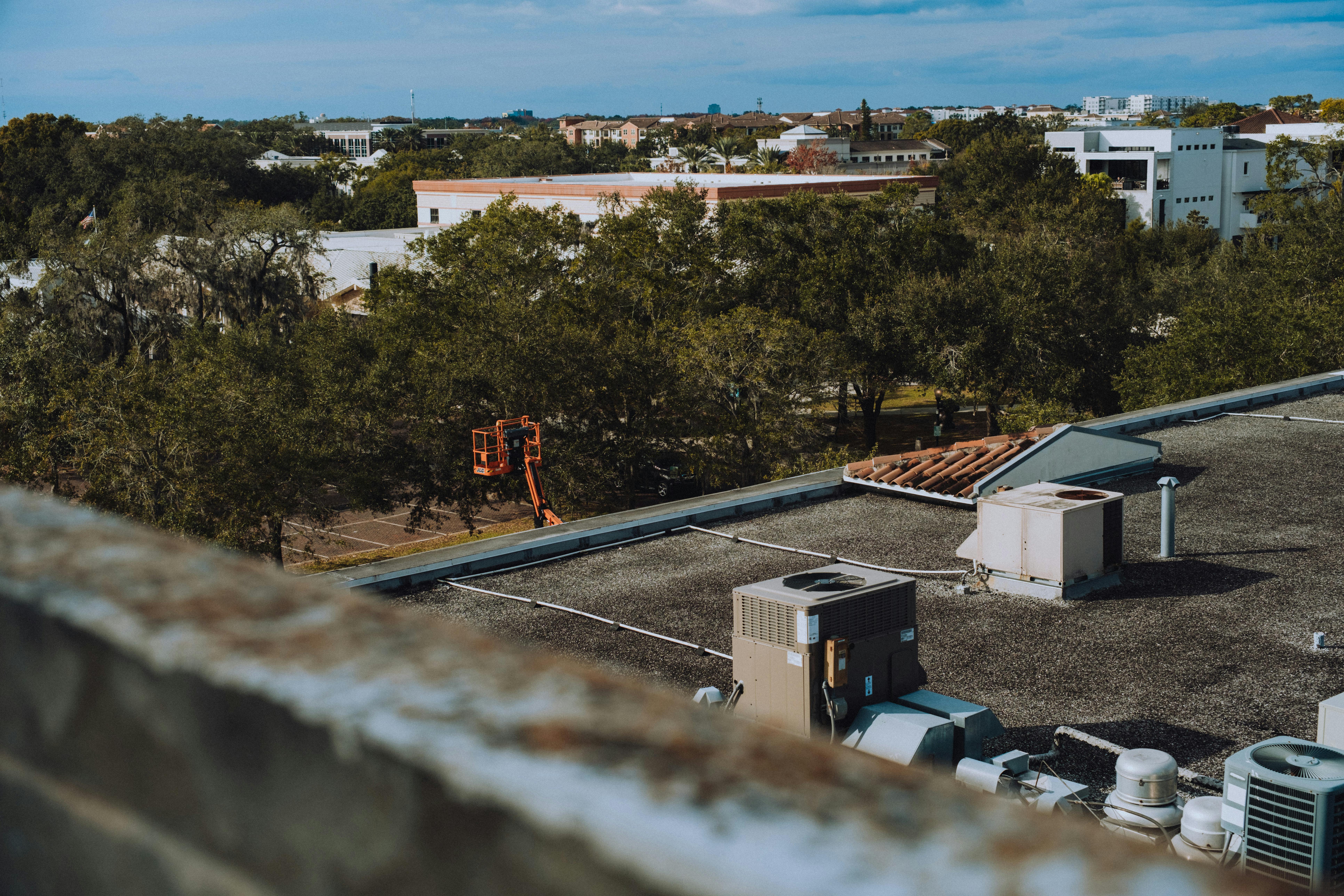
Your HVAC system is more complex than most homeowners realize, consisting of multiple interconnected components working in harmony to maintain comfortable indoor temperatures. The typical residential air conditioning system includes an outdoor condenser unit, an indoor air handler or furnace with an evaporator coil, ductwork, a thermostat, and refrigerant lines connecting everything together.
Knowing how these components function together helps you diagnose problems more effectively. The outdoor unit houses the compressor and condenser coil, which release heat extracted from your home. The indoor unit contains the evaporator coil that absorbs heat from your indoor air, while the blower circulates cooled air throughout your ductwork. When any component fails or operates inefficiently, your entire system’s performance suffers.
⚡ Quick Safety Check Before You Begin
Before attempting any HVAC troubleshooting, safety must be your top priority. Always turn off power to your system at both the thermostat and the electrical breaker box. Air conditioning units operate on high-voltage electricity that can cause serious injury or death if proper precautions aren’t taken.
Never attempt repairs that require refrigerant handling, as this requires EPA certification and specialized equipment. Refrigerant is under high pressure and can cause frostbite or chemical burns if mishandled. Additionally, wear protective gloves and eyewear when inspecting outdoor units, as sharp metal fins and debris can cause cuts.
🔍 The Essential Pre-Diagnosis Checklist
Before diving into complex troubleshooting, start with these fundamental checks that resolve surprisingly many cooling complaints. These simple steps take only minutes but solve common issues that homeowners often overlook in their frustration with a non-functioning system.
Thermostat Verification
Your thermostat serves as mission control for your entire HVAC system, yet it’s frequently the source of perceived system failures. First, verify the thermostat is set to “cool” mode rather than “heat” or “off” – this obvious oversight happens more often than you’d think, especially after seasonal transitions.
Check that your temperature setting is at least 3-5 degrees below the current room temperature to trigger cooling. If you have a programmable or smart thermostat, review your schedule settings to ensure they haven’t been inadvertently changed. Dead or weak batteries can cause thermostat malfunctions, so replace them even if the display appears functional.
Circuit Breaker and Power Supply
Electrical issues account for a significant percentage of HVAC service calls. Inspect your main electrical panel for tripped breakers – your air conditioner typically has its own dedicated 220-volt double breaker. Even if the breaker appears in the “on” position, try switching it completely off and then back on to reset it properly.
Check the outdoor disconnect box near your condenser unit for blown fuses or tripped switches. Many outdoor units also have a dedicated shutoff switch that may have been accidentally turned off during lawn maintenance or other outdoor activities.
🌀 Air Filter: The Often Overlooked Culprit
A clogged air filter ranks among the most common causes of HVAC problems, yet it’s also the easiest to fix. Your system’s air filter traps dust, pollen, pet dander, and other airborne particles, preventing them from entering your ductwork and damaging sensitive components.
When filters become saturated with debris, airflow becomes severely restricted, forcing your system to work harder while delivering less cooling. This increased strain leads to higher energy bills, reduced comfort, frozen evaporator coils, and potentially catastrophic compressor failure – an extremely expensive repair.
Locate your filter (typically found in the return air duct, furnace cabinet, or air handler) and inspect it monthly. Hold it up to a light source; if you cannot see light passing through easily, replacement is necessary. Most residential systems use filters rated for 30-90 day replacement intervals, but homes with pets, allergies, or high dust levels require more frequent changes.
❄️ Diagnosing Insufficient Cooling Problems
When your system runs continuously but fails to adequately cool your home, several factors might be responsible. This frustrating scenario wastes energy while leaving you uncomfortable, requiring systematic diagnosis to identify the root cause.
Outdoor Unit Inspection
Step outside and examine your condenser unit carefully. The outdoor coil should be running when the thermostat calls for cooling – listen for the compressor humming and feel for airflow from the top fan. If the unit isn’t running, you’ve identified a significant problem requiring professional attention.
Inspect the condenser coil fins for debris accumulation. Leaves, grass clippings, cottonwood seeds, and dirt create an insulating layer that prevents proper heat exchange. Use a garden hose with a gentle spray to clean the coils from the inside out, being careful not to bend the delicate aluminum fins. Maintain at least two feet of clearance around the unit, trimming back vegetation that restricts airflow.
Indoor Evaporator Coil Assessment
Access your indoor evaporator coil by removing the access panel on your furnace or air handler. Look for ice formation on the coil or refrigerant lines – this indicates restricted airflow or low refrigerant levels. If you discover ice, turn off your system and allow complete thawing before attempting to run it again.
A frozen coil often results from the dirty filter issue mentioned earlier, but can also indicate refrigerant leaks requiring professional repair. Once thawed, replace your filter and restart the system, monitoring for ice reformation over the next few hours.
🔊 Decoding Unusual HVAC Sounds
Your air conditioning system should operate relatively quietly with only a gentle humming. Unusual noises often signal specific problems that require attention before minor issues become major failures.
Grinding or squealing sounds typically indicate worn motor bearings or belt problems. Clicking noises may point to electrical component failures or debris in the blower assembly. Banging or clanking suggests loose or broken internal components. Hissing sounds could indicate refrigerant leaks, requiring immediate professional attention.
Buzzing from the outdoor unit often signals electrical problems, potentially dangerous situations requiring immediate system shutdown and professional diagnosis. Never ignore unusual sounds, as continued operation can transform a simple repair into complete system replacement.
💧 Addressing Water Leaks and Drainage Issues
Air conditioners naturally produce condensation during operation, with systems generating several gallons of water daily in humid climates. This moisture must drain properly to prevent water damage, mold growth, and system malfunctions.
Locate your condensate drain line – typically a PVC pipe exiting your indoor unit. This line can become clogged with algae, mold, and debris, causing water to back up into your home. Pour a cup of white vinegar or bleach solution down the drain line quarterly to prevent biological growth.
If you discover standing water in the drain pan beneath your evaporator coil, the drain line is likely clogged. Use a wet-dry vacuum to suction out the blockage from the exterior drain exit point. Some systems include a condensate pump that may fail, requiring replacement to restore proper drainage.
🌬️ Ductwork and Airflow Optimization
Even a perfectly functioning HVAC system cannot cool effectively if your ductwork has problems or airflow is compromised. Inspect all accessible ductwork for disconnections, holes, or excessive dust accumulation around seams indicating air leaks.
Ensure all supply registers and return vents throughout your home remain unobstructed. Furniture, curtains, rugs, and other items blocking vents reduce airflow significantly, creating hot spots and forcing your system to work harder. Close registers in unused rooms is a common myth – this actually reduces system efficiency and can cause pressure imbalances.
Consider having your ductwork professionally cleaned if you notice excessive dust, musty odors, or visible mold growth. Sealed and insulated ducts in unconditioned spaces like attics or crawlspaces prevent energy waste and improve cooling performance substantially.
🏠 Environmental Factors Affecting Performance
Sometimes the problem isn’t your HVAC system but environmental conditions working against it. Understanding these factors helps set realistic expectations and identify improvement opportunities beyond equipment repairs.
Inadequate insulation allows cool air to escape and hot outdoor air to infiltrate your home. Air leaks around windows, doors, and penetrations create similar problems. During extreme heat waves, even properly functioning systems may struggle to maintain desired temperatures, especially if your equipment is undersized for your home.
Direct sunlight streaming through windows creates significant heat gain, overwhelming your cooling capacity. Strategic use of blinds, curtains, and window films reduces solar heat gain substantially. Heat-generating appliances, lighting, and electronics add thermal load to your space, requiring more aggressive cooling during peak usage times.
📱 Smart Technology for HVAC Monitoring
Modern smart thermostats provide valuable diagnostic information, energy usage reports, and remote control capabilities. These devices learn your preferences, optimize operation schedules, and alert you to potential problems before they become emergencies.
Many smart thermostats track runtime patterns, identifying unusually long cooling cycles that may indicate developing problems. Temperature tracking helps you understand performance trends, while maintenance reminders ensure you change filters and schedule professional service appropriately.
🛠️ When to Call Professional HVAC Service
While this checklist addresses many common issues, certain problems absolutely require professional expertise. Refrigerant handling, electrical repairs beyond simple breaker resets, compressor problems, and complex control board diagnostics should be left to licensed HVAC technicians.
If your troubleshooting reveals no obvious problems yet your system continues underperforming, professional diagnosis with specialized equipment is necessary. Technicians can measure refrigerant pressures, test electrical components, analyze airflow precisely, and identify subtle issues invisible to untrained eyes.
Choose licensed, insured contractors with solid reputations and verifiable credentials. Request written estimates before authorizing repairs, and don’t hesitate to seek second opinions for expensive recommendations. Regular professional maintenance contracts often include priority service, discounts, and comprehensive inspections that catch problems early.
💡 Preventive Maintenance for Long-Term Reliability
The most effective troubleshooting strategy is preventing problems before they occur through consistent maintenance. Establish a seasonal maintenance routine that includes filter changes, coil cleaning, drain line flushing, and professional inspections.
Schedule professional tune-ups twice yearly – before cooling season and before heating season. These services typically include refrigerant level verification, electrical connection tightening, motor lubrication, calibration checks, and comprehensive system testing that identifies developing issues.
Keep detailed records of all maintenance, repairs, and system performance observations. This documentation helps technicians diagnose recurring problems and provides valuable information for warranty claims or when considering system replacement.
🌟 Maximizing Efficiency and Comfort Year-Round
Beyond troubleshooting specific problems, optimizing your HVAC system’s overall performance delivers better comfort and lower operating costs. Set your thermostat to the highest comfortable temperature – each degree higher reduces cooling costs by approximately three percent.
Use programmable schedules to raise temperatures when you’re away or sleeping, reducing unnecessary cooling. Ceiling fans create wind-chill effects allowing higher thermostat settings while maintaining comfort. Strategic landscape planning with shade trees reduces solar heat gain on your home and outdoor condenser unit.
Consider upgrading to high-efficiency equipment when replacement becomes necessary. Modern systems use 30-50% less energy than units installed just 10-15 years ago, with improved humidity control and quieter operation. Variable-speed technology provides superior comfort with enhanced efficiency compared to traditional single-stage equipment.
🎯 Creating Your Personal HVAC Maintenance Schedule
Developing a consistent maintenance routine ensures your cooling system remains reliable when you need it most. Create calendar reminders for monthly filter checks, quarterly drain line treatments, and seasonal professional service appointments.
Document baseline performance metrics including typical runtime cycles, temperature differentials between supply and return air, and monthly energy consumption. Changes in these patterns provide early warning signs of developing problems, allowing proactive intervention before complete failures occur.
Your air conditioning system represents a significant investment requiring ongoing attention to deliver reliable, efficient performance. By following this comprehensive troubleshooting checklist and maintaining consistent care, you’ll enjoy cool, comfortable living throughout the hottest weather while avoiding many expensive emergency repairs. Remember that while many issues can be resolved through diligent homeowner maintenance, professional expertise remains essential for complex diagnostics and repairs requiring specialized knowledge and equipment.