A door that won’t latch properly can turn from a minor annoyance into a major security and comfort issue. Whether it’s your front door, bedroom door, or closet, understanding the root cause is essential for a quick fix.

When doors fail to latch, they compromise home security, allow drafts to enter, create noise disturbances, and can even damage the door frame over time. The good news is that most latching problems stem from a handful of common causes that homeowners can diagnose and repair themselves without calling an expensive locksmith or carpenter.
🔍 Understanding Why Doors Won’t Latch: The Foundation of Troubleshooting
Before diving into solutions, it’s crucial to understand the mechanics of how a door latch works. The latch bolt extends from the door edge into a strike plate mounted on the door frame. When these components aren’t properly aligned, the door won’t close securely.
Door latching problems typically fall into several categories: misalignment issues, hardware failures, warped doors or frames, settling foundations, temperature and humidity changes, and worn components. Each requires a different approach to resolution.
Common Symptoms and What They Reveal
Pay attention to specific symptoms your door exhibits. Does it require extra force to close? Does the latch bolt miss the strike plate entirely? Does it catch on the strike plate edge? These clues point directly to the underlying problem.
A door that needs pushing or pulling to latch suggests misalignment. If the latch bolt visibly misses the strike plate hole, you’re dealing with vertical or horizontal displacement. Scraping sounds indicate the latch or bolt is hitting the strike plate rather than entering cleanly.
🛠️ The Ultimate Door Latch Troubleshooting Flowchart
Follow this systematic approach to diagnose and fix your door latch problem efficiently. Start at the top and work through each step methodically for best results.
Step 1: Visual Inspection and Basic Checks
Begin by examining the door while it’s open. Check if the latch bolt extends and retracts smoothly when you turn the handle. Sticky or stiff movement indicates internal mechanism problems or the need for lubrication.
Close the door slowly and watch where the latch bolt contacts the frame. Use a flashlight to see clearly. Mark with a pencil where the latch actually hits versus where the strike plate opening is located.
- Inspect all visible screws on hinges, latch hardware, and strike plate
- Look for gaps between the door and frame when closed
- Check for obvious warping by sighting down the door edge
- Test if the door hangs level using a spirit level
- Examine weather stripping for excessive buildup or damage
Step 2: Tightening Loose Hardware
Loose screws are among the most common causes of door latch failures and the easiest to fix. Over time, constant use causes hinge screws and strike plate screws to loosen, allowing the door to sag or shift position.
Use a screwdriver to tighten all hinge screws on both the door and frame sides. If screws spin without tightening, the holes have become stripped. Replace short screws with longer ones that reach solid wood, or fill stripped holes with wooden matchsticks or toothpicks coated in wood glue before reinserting screws.
Tighten the strike plate screws as well. A loose strike plate can shift position, causing the latch bolt to miss its target. Ensure the strike plate sits flush against the door frame without gaps.
🔧 Addressing Misalignment Issues
When hardware is tight but the door still won’t latch, misalignment is likely the culprit. This occurs when the door has shifted position relative to the frame, preventing the latch from entering the strike plate opening.
Diagnosing Vertical vs. Horizontal Misalignment
Close the door and observe where the latch bolt meets the strike plate. If the latch is too high or too low, you have vertical misalignment. If it’s too far forward or backward (toward the doorknob side or hinge side), the issue is horizontal.
For vertical misalignment, the solution involves adjusting hinge positions or filing the strike plate. Horizontal misalignment typically requires shimming hinges or repositioning the strike plate.
Quick Fix: Adjusting the Strike Plate
The fastest solution for minor misalignment is adjusting the strike plate position. If the misalignment is less than 1/8 inch, you can often file the strike plate opening slightly larger using a metal file.
For larger gaps, remove the strike plate entirely and reposition it to align with the latch bolt. Fill the old screw holes with wood filler or wooden dowels, let dry, then drill new pilot holes and reinstall the strike plate in the correct position.
| Misalignment Type | Primary Solution | Difficulty Level |
|---|---|---|
| Vertical (1/8″ or less) | File strike plate opening | Easy |
| Vertical (more than 1/8″) | Reposition strike plate | Moderate |
| Horizontal (door too far in) | Shim hinges outward | Moderate |
| Horizontal (door too far out) | Deepen hinge mortises | Advanced |
📏 Shimming Hinges for Proper Door Position
When the strike plate adjustment isn’t sufficient, shimming hinges changes the door’s position in the frame. This technique works particularly well for horizontal misalignment issues.
How to Shim Door Hinges Effectively
Cardboard pieces cut from cereal boxes make excellent shims. Remove one hinge at a time, place a thin cardboard shim behind the hinge, and reinstall. This pushes the door slightly away from that hinge’s side of the frame.
To move the door toward the latch side, shim the hinges on the hinge side of the door. To raise or lower the door, place shims behind only the top or bottom hinge respectively. Start with thin shims and add thickness gradually until the door latches properly.
After shimming, check that the door still swings freely and doesn’t bind. You may need to adjust shim thickness or reposition them for optimal results.
🌡️ Dealing with Seasonal Door Problems
Wooden doors expand during humid summers and contract in dry winters. This seasonal movement can cause previously functional doors to suddenly stop latching properly.
Humidity-Related Swelling Solutions
If your door won’t latch only during certain seasons, humidity is likely the cause. For swollen doors, the immediate solution is lightly sanding or planing the door edge that’s rubbing against the frame.
Remove the door from its hinges, identify the contact point, and carefully remove small amounts of material using sandpaper or a hand plane. Work gradually—removing too much creates gaps during dry seasons.
Applying a good quality sealer or paint to all door edges, including the top and bottom, helps minimize moisture absorption and reduces seasonal swelling issues.
🔨 Fixing Warped Doors and Frames
Severe warping requires more intensive solutions. A door that has twisted or bowed significantly may need replacement, but moderate warping can sometimes be corrected.
Identifying Door vs. Frame Warping
Close the door and check for light gaps along the edges. Uneven gaps indicate warping. Use a straight edge against the door face to determine if the door itself is warped or if the frame has shifted.
Frame warping often results from house settling or foundation issues. If the entire frame is out of square, you may need to reinstall the door frame properly or address underlying structural problems.
Temporary and Permanent Warping Solutions
For minor door warping, strategic placement of additional hinges (a third hinge between the existing two) can pull the door straighter. Ensure all hinges are properly mortised so they’re flush with the door edge.
Severe warping typically requires door replacement. Modern composite or fiberglass doors resist warping better than solid wood and offer excellent long-term solutions for problematic locations.
🧰 Repairing or Replacing Latch Mechanisms
Sometimes the problem lies within the latch mechanism itself rather than alignment issues. Internal springs can break, components can rust, or plastic parts can crack over time.
When to Lubricate vs. Replace
If the latch bolt doesn’t extend or retract smoothly, remove the handle and latch assembly. Spray with a silicone-based lubricant (avoid oil-based products that attract dirt) and work the mechanism back and forth.
If lubrication doesn’t restore smooth operation, or if you notice broken components, replacement is necessary. Bring the old latch to a hardware store to ensure you get the correct backset measurement and style.
🏠 Addressing Foundation Settling Issues
Houses naturally settle over time, potentially throwing door frames out of alignment. This typically affects multiple doors throughout the home rather than just one.
If several doors suddenly develop latching problems, especially in newer homes under five years old, foundation settling might be the cause. Check for cracks in walls near door frames, doors that used to fit now showing large gaps, or windows that stick.
Minor settling usually stabilizes and you can adjust doors accordingly. Significant or ongoing settling requires consultation with a structural engineer to assess foundation integrity.
⚡ Quick Emergency Fixes When You Need Security Now
When you need an immediate solution but don’t have time for proper repairs, these temporary fixes provide security until you can implement permanent solutions.
Portable Door Locks and Security Devices
Portable door locks that wedge under doors or attach to existing hardware provide temporary security for doors that won’t latch. These work well for interior doors like bedrooms or bathrooms.
For exterior doors, install a surface-mounted barrel bolt as a temporary secondary lock. Position it where you can easily reach it but high enough that it’s not obvious from outside.
Strike Plate Shims and Extensions
Purchase a strike plate extension or box strike that projects further from the frame. These accommodate doors that have shifted significantly without requiring frame modification or door adjustment.
Metal shims designed specifically for strike plates are available at hardware stores and provide a more professional appearance than cardboard while accomplishing the same goal.
🔍 Preventive Maintenance to Avoid Future Latch Problems
Regular maintenance prevents most door latch problems from developing. Implementing these simple practices saves time and frustration down the road.
- Tighten all door hardware screws twice yearly during spring and fall
- Lubricate hinges and latch mechanisms annually with silicone spray
- Check weather stripping and replace when compressed or damaged
- Paint or seal door edges to prevent moisture absorption
- Adjust doors seasonally if you live in areas with significant humidity changes
- Install door stops to prevent doors from swinging too far and stressing hinges
💡 Professional Help: When to Call an Expert
While most door latch problems are DIY-friendly, certain situations warrant professional assistance. Extensive frame damage, structural issues causing widespread door problems, or security doors with complex locking systems may require expert knowledge.
If you’ve worked through the troubleshooting flowchart without success, a professional carpenter or locksmith can identify issues you might have missed. They have specialized tools and experience with unusual problems.
For rental properties, always consult your landlord before making modifications to doors or frames. Document all issues with photos and written descriptions when requesting repairs.
🎯 Choosing the Right Tools for Door Repairs
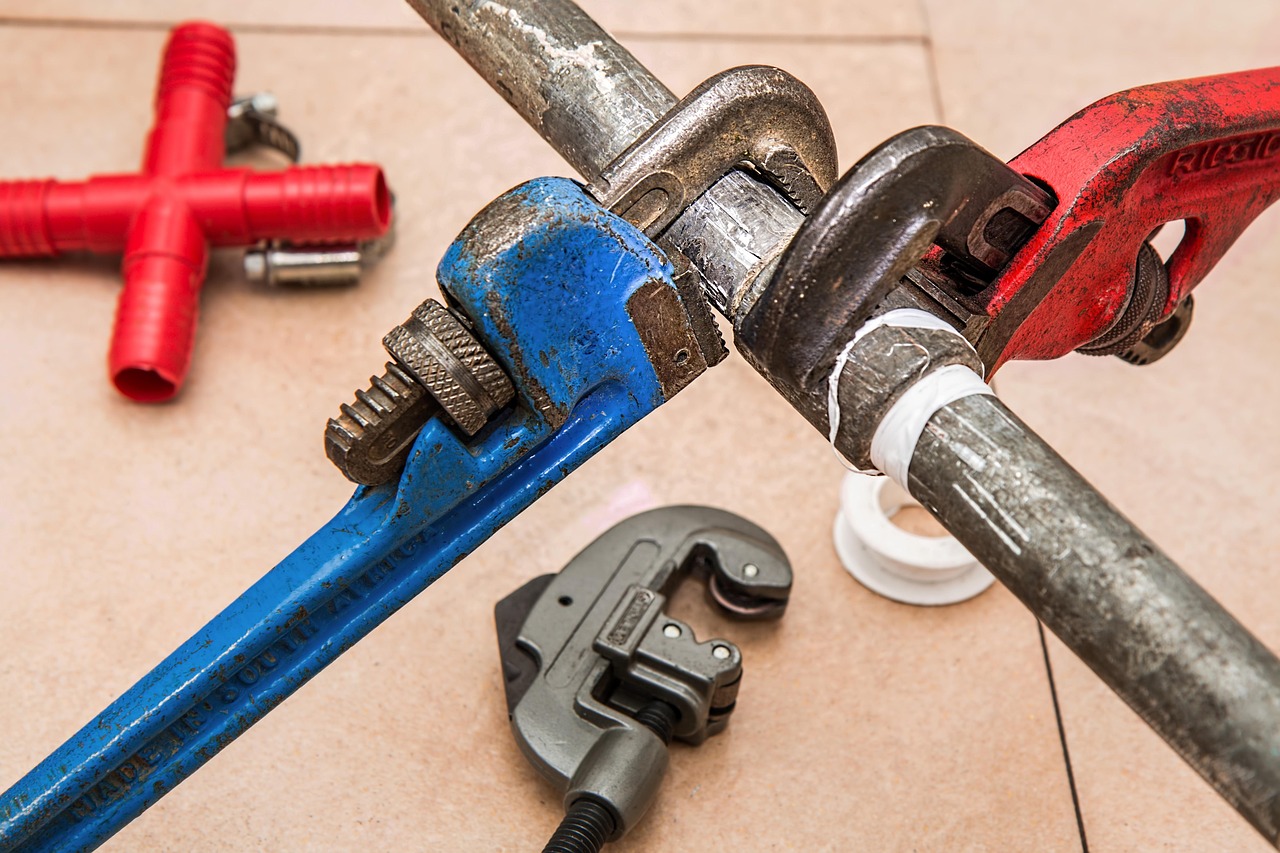
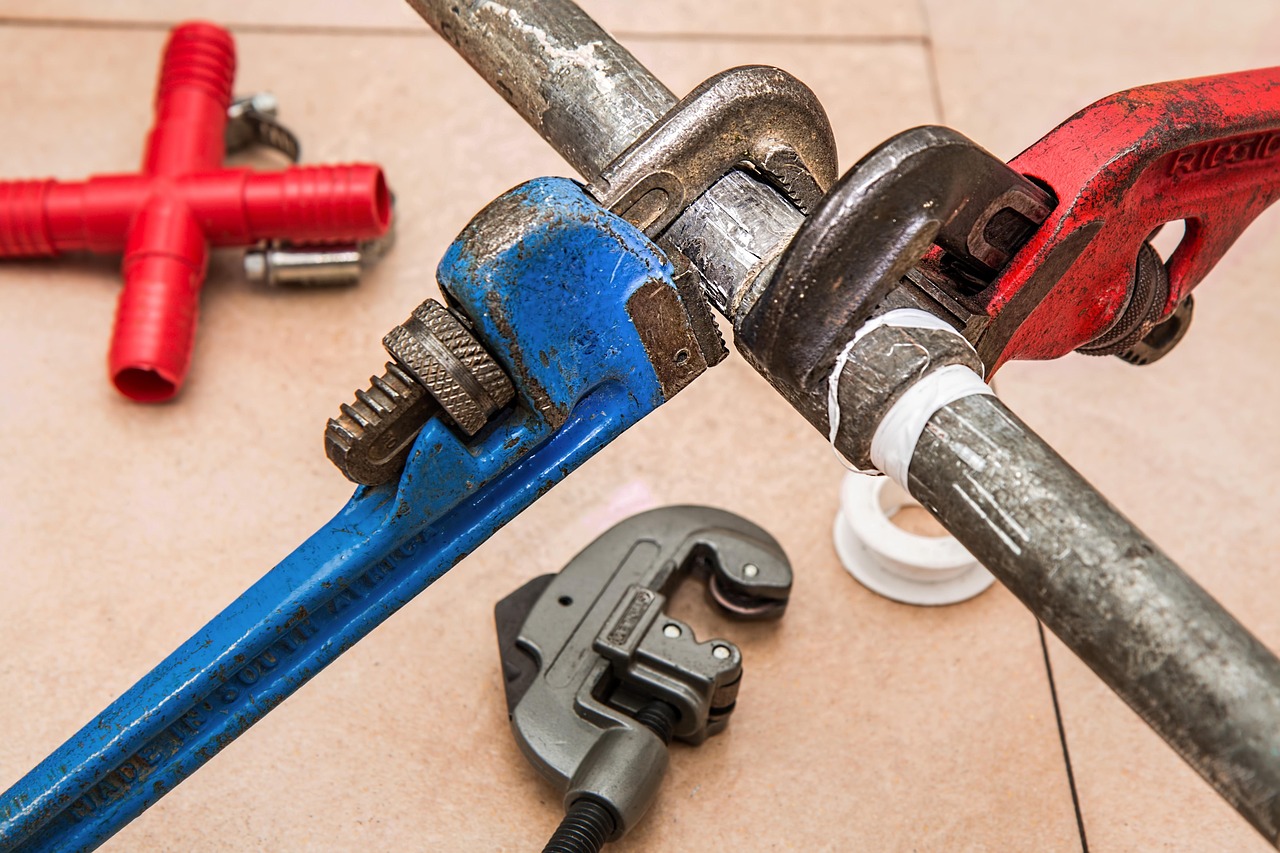
Having proper tools makes door repairs significantly easier and produces better results. A basic door repair toolkit should include a cordless drill with bits, various screwdrivers, a hammer, wood chisels, a hand plane or sandpaper block, a level, a tape measure, and wood filler.
For strike plate adjustments, a metal file set proves invaluable. A punch set helps when removing hinge pins, and a stud finder ensures you’re drilling into solid framing when repositioning strike plates.
Quality tools last longer and work better than cheap alternatives. Building your toolkit gradually with good tools provides better value than buying everything at once from budget brands.
🌟 Testing Your Repair Success
After making adjustments, test the door thoroughly before considering the job complete. The door should close with gentle pressure and latch securely without forcing. The latch bolt should extend fully into the strike plate opening.
Open and close the door at least ten times, testing from different angles and with varying amounts of force. Check that the door doesn’t spring open after latching, which indicates the latch isn’t fully engaging.
For exterior doors, verify that the deadbolt also aligns properly with its strike plate. Sometimes fixing the main latch reveals secondary alignment issues with additional locking mechanisms.

🏆 Achieving Long-Term Door Performance
A properly functioning door latch seems like a small thing until it stops working. By following this troubleshooting flowchart and implementing preventive maintenance, you’ll keep your doors operating smoothly for years to come.
Remember that doors are dynamic components affected by weather, use patterns, and building movement. What works perfectly today might need adjustment in six months. Stay observant and address small issues before they become major problems.
With patience and systematic troubleshooting, most door latch problems resolve quickly without professional help. You’ll save money, gain valuable home maintenance skills, and enjoy the satisfaction of solving problems independently. Keep your tools organized and ready, and future door issues will be minor inconveniences rather than major headaches.