A slow sink drain can turn your daily routine into a frustrating ordeal. Whether you’re washing dishes or brushing your teeth, standing water that refuses to drain is more than just annoying—it’s a sign something needs attention.

The good news? Most slow drain issues can be resolved quickly without calling a plumber. With the right approach and a few simple techniques, you’ll have water flowing freely again in just minutes. This comprehensive guide walks you through everything you need to know about diagnosing and fixing that sluggish sink drain.
🔍 Understanding Why Your Sink Drain Slows Down
Before diving into solutions, it’s essential to understand what causes sink drains to slow down in the first place. Knowledge of the underlying problem helps you choose the most effective fix and prevents future occurrences.
The most common culprit is accumulation. Hair, soap scum, food particles, grease, and mineral deposits gradually build up inside your pipes. Over time, this buildup narrows the passage water flows through, creating that frustrating slow drain you’re experiencing.
Kitchen sinks typically suffer from grease and food particle blockages, while bathroom sinks deal primarily with hair, toothpaste residue, and soap scum. Understanding which type of sink you’re dealing with helps target the right solution.
The Anatomy of Your Drain System
Your sink drain consists of several components working together. The visible drain opening leads to a curved pipe section called the P-trap, designed to hold water and prevent sewer gases from entering your home. Beyond the P-trap, pipes connect to your home’s main drainage system.
Clogs can occur at any point in this system, but most happen in the P-trap or just beyond it. This location makes sense because debris flowing down naturally accumulates in this curved section where water flow slows momentarily.
🛠️ Essential Tools You’ll Need
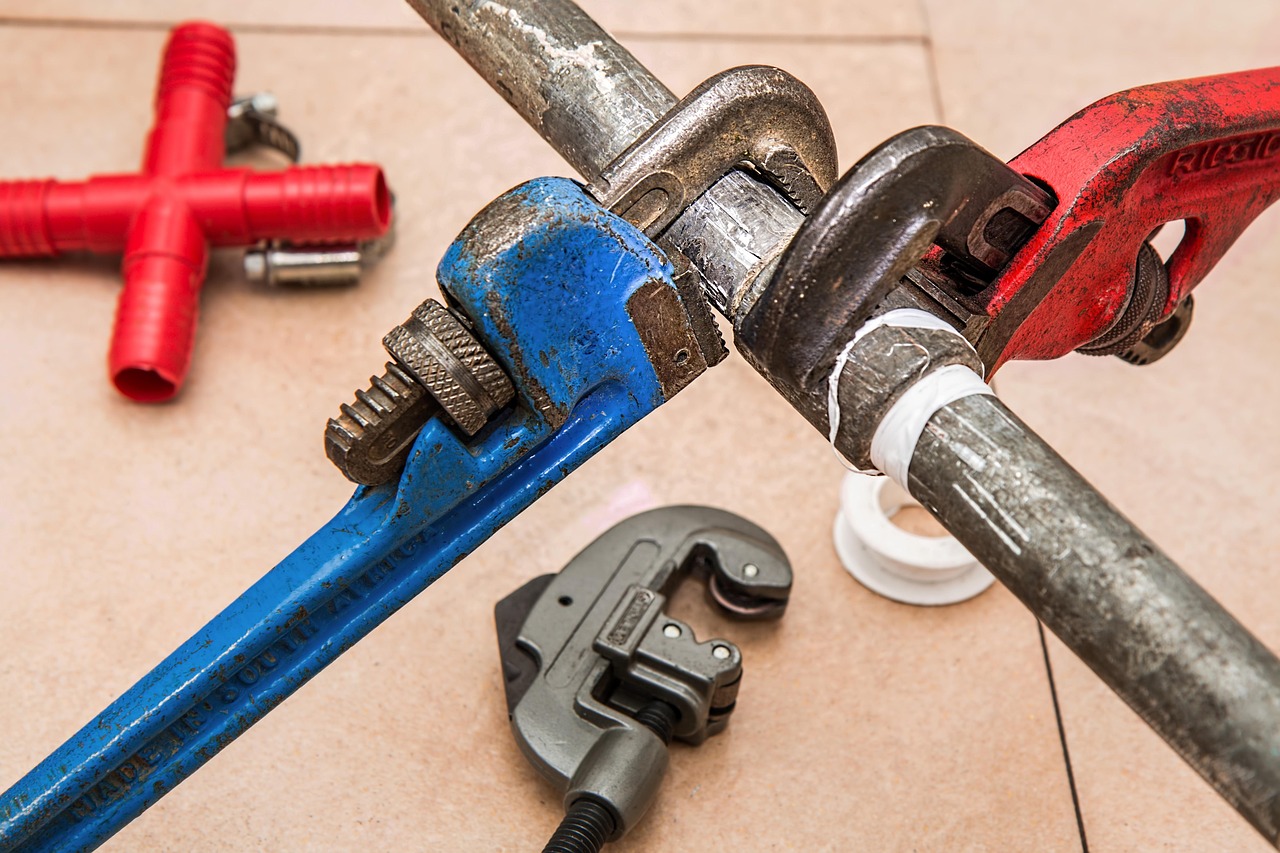
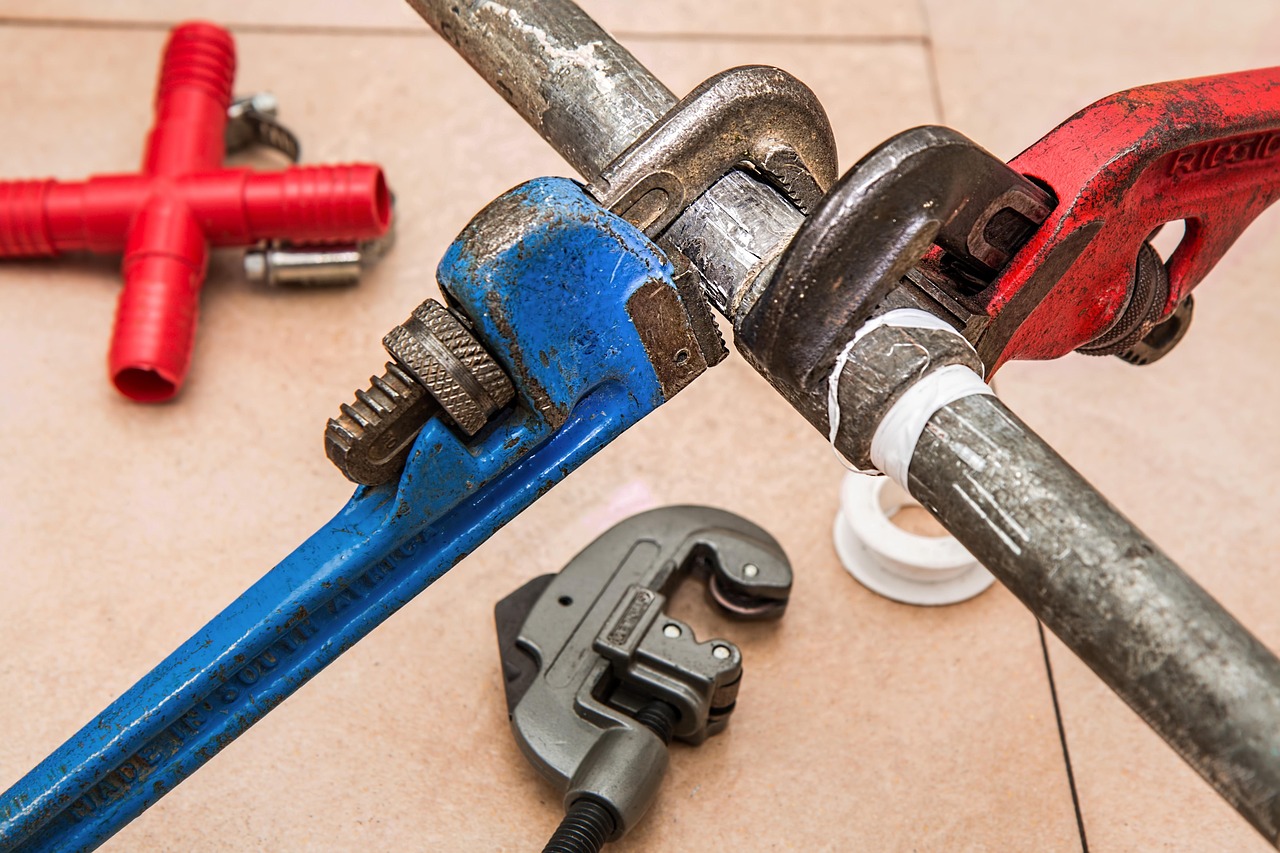
Having the right tools ready before starting makes the troubleshooting process much smoother. Most of these items are inexpensive and available at any hardware store, and many households already have them on hand.
- Plunger (preferably a flat-bottom sink plunger)
- Bucket or large bowl
- Old towels or rags
- Adjustable wrench or pliers
- Wire coat hanger or drain snake
- Baking soda and white vinegar
- Rubber gloves
- Flashlight
Having these items assembled before you begin saves time and prevents frustration mid-project. You won’t need every tool for every situation, but having them available ensures you’re prepared for whatever you discover.
⚡ The Quick Fix: Simple Solutions to Try First
Before disassembling anything or using harsh chemicals, start with these simple, non-invasive methods. These quick fixes resolve many slow drain issues in minutes without any mess or special equipment.
Boiling Water Method
This remarkably effective technique works wonders on grease and soap buildup. Simply boil a full kettle of water and pour it directly down the drain in two or three stages, allowing the hot water to work for several seconds between pours.
The extreme heat melts accumulated grease and soap residue, allowing it to flow down the pipes. This method works best for kitchen sinks where grease is the primary culprit. For PVC pipes, use very hot tap water instead of boiling to avoid potential damage.
The Plunger Technique
Plunging isn’t just for toilets—it’s highly effective for sink drains too. First, fill the sink with enough water to cover the plunger cup. If your sink has an overflow opening, plug it with a wet rag to ensure proper suction.
Position the plunger over the drain and push down firmly, then pull up sharply. Repeat this motion vigorously 15-20 times. The alternating pressure often dislodges clogs and gets water flowing freely again.
Baking Soda and Vinegar Solution 🧪
This natural cleaning combination creates a fizzing reaction that can break down organic matter clogging your drain. Remove any standing water from the sink, then pour one cup of baking soda directly into the drain, followed by one cup of white vinegar.
You’ll immediately see and hear fizzing action. Cover the drain with a plug or wet cloth to keep the reaction contained within the pipes. Wait 15-30 minutes, then flush with hot water. This method is safe for all pipe types and environmentally friendly.
🔧 Intermediate Solutions: When Simple Fixes Don’t Work
If quick fixes haven’t resolved your slow drain, it’s time to get a bit more hands-on. These intermediate techniques require slightly more effort but remain well within the capabilities of most homeowners.
Removing and Cleaning the P-Trap
The P-trap is where most clogs occur, and cleaning it directly is often the most effective solution. Before starting, place a bucket underneath the trap to catch water and debris.
Using an adjustable wrench or pliers, loosen the slip nuts on both ends of the P-trap. Once loosened, you can unscrew them by hand. Remove the trap carefully, keeping it level to minimize spillage. Debris inside will be visible—clean it out thoroughly with a brush or by running water through it outside.
Inspect the trap for damage or excessive wear. Replace it if you notice cracks or stripped threads. Reassemble the trap, ensuring the slip nuts are hand-tight plus a quarter turn with your wrench—over-tightening can crack the fittings.
Using a Drain Snake or Auger
For clogs beyond the P-trap, a drain snake becomes your best friend. This flexible cable can navigate the curves in your plumbing and break up or retrieve blockages that other methods can’t reach.
Feed the snake into the drain slowly, turning the handle clockwise as you push. When you encounter resistance, you’ve found your clog. Continue rotating and pushing gently to break through or hook the obstruction. Pull the snake out slowly—you may retrieve hair, debris, or other materials causing the blockage.
The Wire Hanger Hack
Don’t have a drain snake? A wire coat hanger works surprisingly well as a substitute. Straighten the hanger, leaving the hook at one end. Create a small bend at the hooked end to help grab debris.
Carefully feed the hanger down the drain, using the hook to fish out accumulated hair and gunk. This method works particularly well for bathroom sinks where hair is the main culprit. Be gentle to avoid scratching your sink’s finish or damaging pipes.
💡 Advanced Troubleshooting Techniques
Some drainage problems require a deeper investigation. If you’ve tried everything else without success, these advanced techniques can help identify and resolve more stubborn issues.
Checking the Vent System
Your home’s plumbing system includes vent pipes that allow air into the drainage system, enabling water to flow smoothly. A blocked vent creates suction problems that slow drainage throughout your home.
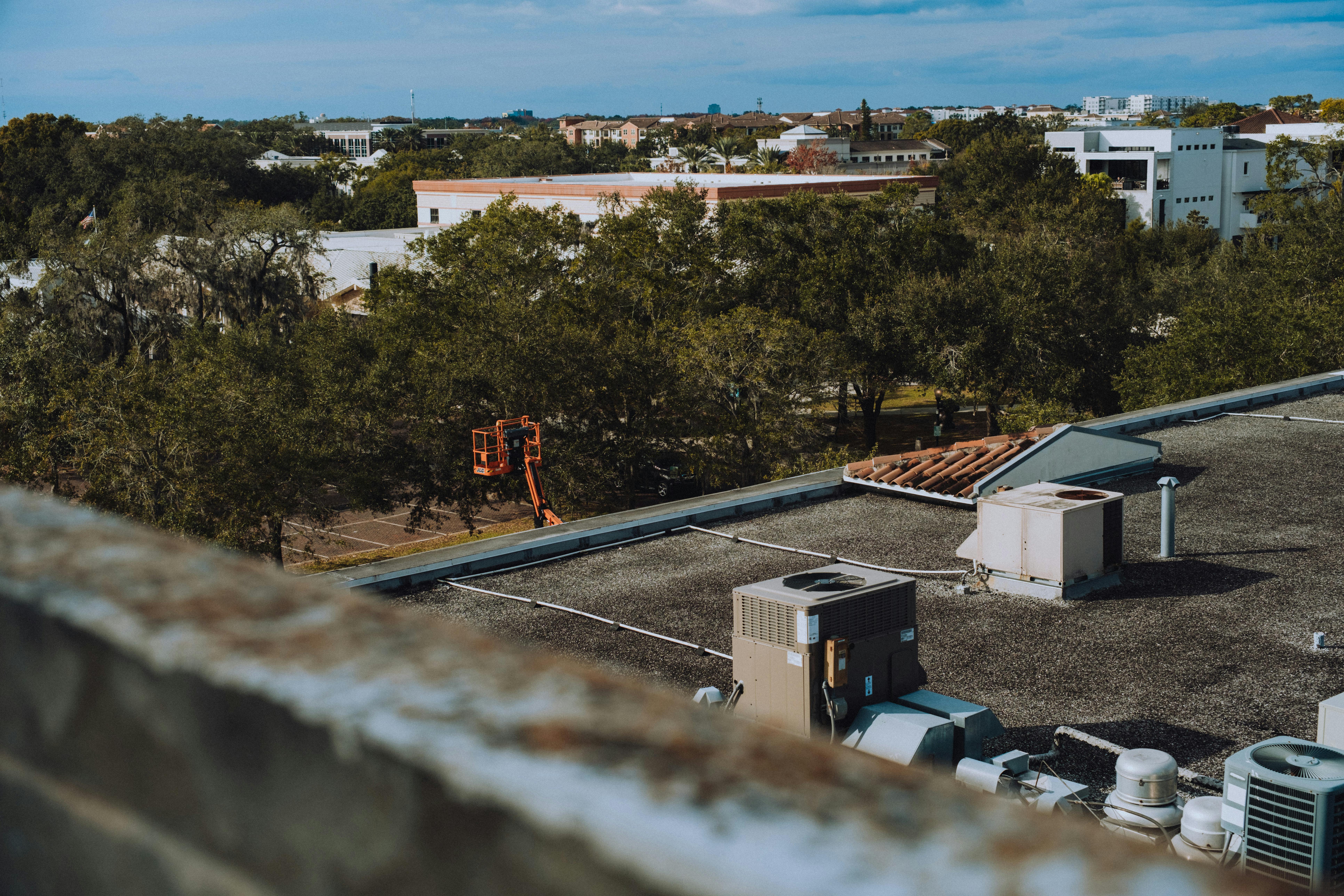
If multiple drains in your house are slow, the vent system may be blocked. This requires checking roof vents for bird nests, leaves, or other debris. Use a flashlight to look down the vent opening—if you see blockage, carefully remove it or use a plumber’s snake from the roof access point.
Testing for Main Line Issues
When all drains in your home are slow simultaneously, the problem likely lies in your main sewer line rather than individual sink drains. This situation requires professional attention, as main line clogs involve more complex equipment and expertise.
Signs of main line problems include multiple slow drains, gurgling sounds from toilets when using sinks, and water backing up in unexpected places. These issues typically require professional hydro-jetting or mechanical augering of the main sewer line.
🚫 What to Avoid: Common Mistakes That Make Things Worse
Well-intentioned efforts sometimes create bigger problems. Avoid these common mistakes when addressing slow drains to prevent damaging your plumbing system or creating more extensive blockages.
Chemical Drain Cleaners: Proceed with Caution
Commercial chemical drain cleaners promise quick results but come with significant downsides. These harsh chemicals can corrode pipes, especially older metal ones, and create dangerous fumes when mixed with other substances.
If chemicals fail to clear the clog completely, they sit in your pipes, making professional intervention more dangerous and difficult. The heat generated by chemical reactions can also damage PVC pipes. Natural methods and mechanical removal are safer and often more effective.
Over-Tightening Connections
When reassembling drain components, many people over-tighten connections thinking this prevents leaks. Actually, over-tightening cracks plastic fittings and strips metal threads, creating leaks and requiring expensive replacements.
Hand-tight plus a quarter to half turn with a wrench is sufficient for most drain connections. If you notice leaks after reassembly, try tightening slightly—don’t force it.
Ignoring Warning Signs
A slow drain is an early warning sign that something needs attention. Ignoring it allows the problem to worsen until you face a complete blockage, potentially causing water damage or requiring emergency plumbing services.
Address slow drains promptly when you first notice them. This proactive approach prevents more serious problems and expensive repairs down the line.
🛡️ Prevention Strategies: Keeping Drains Flowing Freely
The best approach to drain problems is preventing them in the first place. These simple habits keep your drains clear and functioning properly, saving time, money, and frustration.
Kitchen Sink Prevention
Never pour grease or cooking oil down your kitchen sink. Even with hot water, grease solidifies in pipes, creating stubborn clogs. Instead, collect grease in a container and dispose of it in the trash.
Use sink strainers to catch food particles before they enter your drain. Empty the strainer regularly into the trash. Run hot water for 15-20 seconds after each use to help wash residue through the pipes before it can accumulate.
Bathroom Sink Maintenance
Install a drain screen or pop-up stopper with a built-in strainer to catch hair before it enters the drain. Clean these devices weekly to prevent buildup.
Monthly maintenance with the baking soda and vinegar method keeps soap scum and minor buildup from becoming serious clogs. This proactive treatment takes just minutes and prevents major problems.
Regular Maintenance Schedule
Establish a simple monthly maintenance routine. Flush each drain with hot water for 30 seconds. Every three months, use the baking soda and vinegar treatment on all sinks. This regular attention keeps small issues from becoming big problems.
Consider annual professional inspections if you live in an older home or have experienced recurring drain problems. Professional plumbers can identify potential issues before they become emergencies.
💰 When to Call a Professional
DIY solutions handle most slow drain situations effectively, but some scenarios require professional expertise. Knowing when to call a plumber saves you from wasting time on problems beyond your capabilities and prevents accidental damage.
Call a professional if you’ve tried multiple methods without improvement, if multiple drains are affected simultaneously, or if you notice sewage odors or water backing up from lower fixtures when using upper ones. These signs indicate problems requiring specialized equipment and expertise.
Also seek professional help if you’re uncomfortable working with plumbing components, if your home has old or fragile pipes, or if you discover damage during your troubleshooting efforts. Professional plumbers have the tools, knowledge, and experience to handle complex situations safely and effectively.
🌟 Celebrating Your Success: Restored Flow and Confidence
Successfully fixing a slow drain provides more than just functional plumbing—it builds confidence in your ability to handle common household issues. You’ve saved money on a plumber’s visit and gained valuable knowledge you can apply to future problems.
Remember that maintenance is ongoing. The prevention strategies you’ve learned keep drains flowing freely and minimize future issues. Share your newfound knowledge with family members to ensure everyone contributes to keeping drains clear.
Most importantly, you now understand your home’s plumbing better. This knowledge helps you identify potential problems early, make informed decisions about repairs, and communicate effectively with professionals when needed.
Your journey from frustrated homeowner to capable troubleshooter demonstrates that many common household problems have simple solutions. With the right approach, a few basic tools, and the willingness to get your hands a little dirty, you can tackle challenges that once seemed overwhelming. Keep this guide handy for future reference, and enjoy the satisfaction of water flowing freely down your perfectly functioning drain! 🎉