A running toilet isn’t just an annoying sound that keeps you up at night—it’s literally flushing money down the drain with every passing minute.

Whether you’ve noticed a constant trickle, periodic refilling, or a mysterious hissing sound coming from your bathroom, a running toilet can waste up to 200 gallons of water per day. That’s not just an environmental concern; it’s a significant hit to your wallet. The good news? Most running toilet issues can be diagnosed and fixed without calling a plumber, and this comprehensive troubleshooting guide will walk you through every step of the process.
🔍 Understanding Why Your Toilet Keeps Running
Before diving into solutions, it’s essential to understand the anatomy of your toilet tank and what causes it to run continuously. Your toilet tank contains several key components that work together to manage the flushing cycle: the fill valve (also called the ballcock), the flapper, the flush valve, the overflow tube, and the float.
When everything functions correctly, flushing triggers the flapper to open, releasing water into the bowl. Once the tank empties, the flapper closes, and the fill valve refills the tank to the appropriate level. The float rises with the water level and signals the fill valve to shut off once full. A running toilet means this cycle has been interrupted somewhere along the chain.
The most common culprits include a faulty flapper that doesn’t seal properly, a misadjusted float that allows water to continuously overflow, a malfunctioning fill valve, or a damaged overflow tube. Identifying which component is causing your specific problem is the first step toward a quick fix.
🛠️ Essential Tools and Materials You’ll Need
One of the best aspects of toilet repair is that it requires minimal tools and expertise. Before starting your troubleshooting journey, gather these basic items to make the process smoother and more efficient.
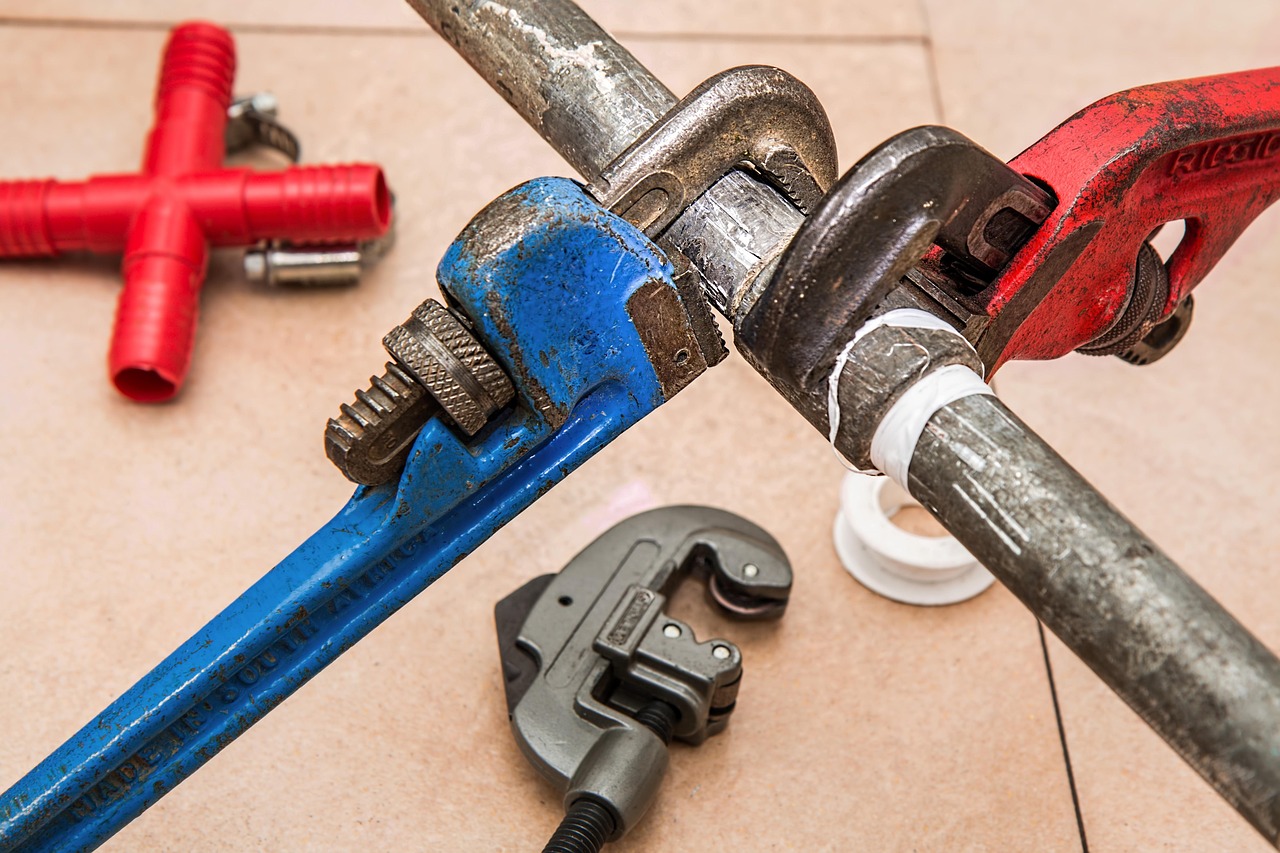
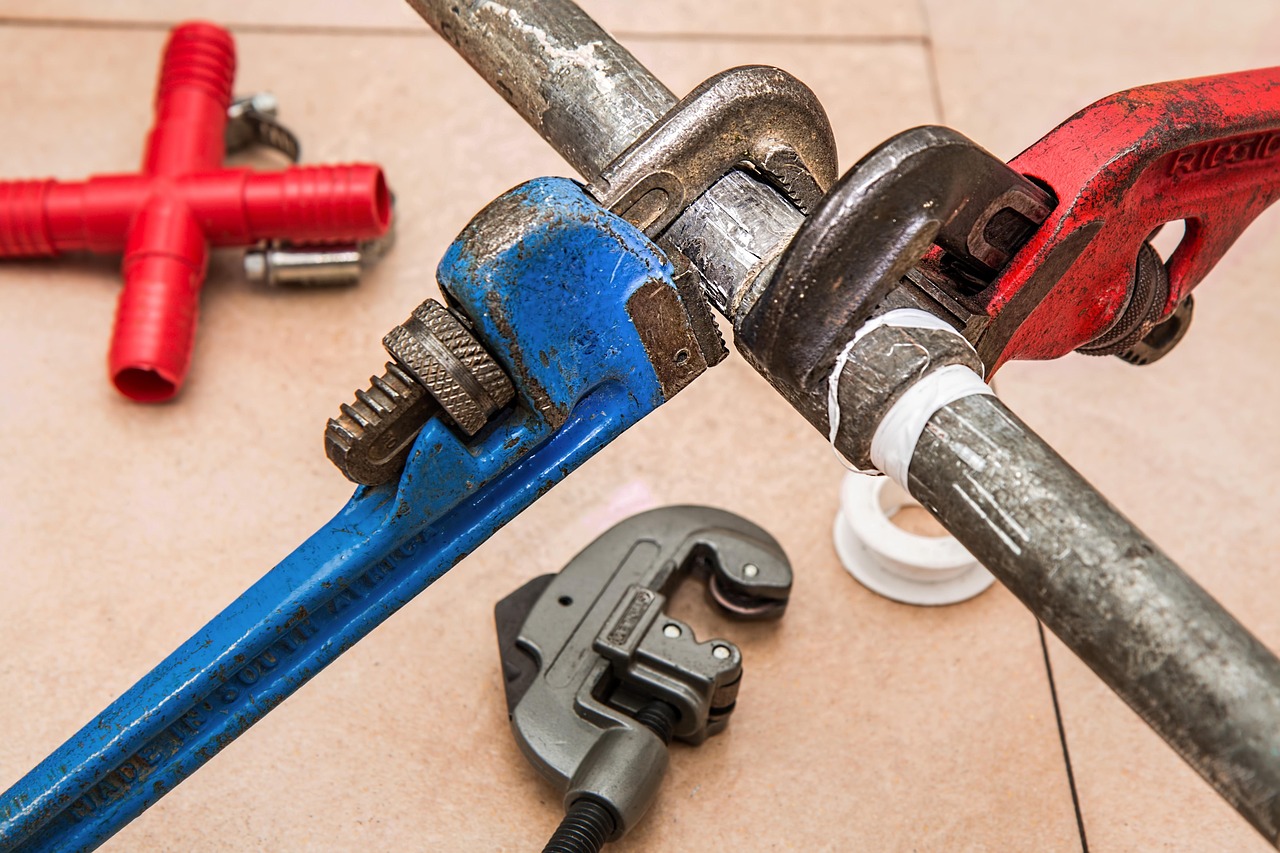
You’ll need an adjustable wrench or pliers, a screwdriver (both flathead and Phillips), a flashlight or headlamp for better visibility inside the tank, and perhaps a bucket and sponge for any water cleanup. Having replacement parts on hand can save you a second trip to the hardware store—consider purchasing a universal flapper, a fill valve, and potentially a float ball or arm.
Most hardware stores sell toilet repair kits that include multiple components at a reasonable price. These kits are designed to fit most standard toilet models and can be real time-savers. Don’t forget to have some towels nearby, as you’ll likely encounter some water during the diagnostic process.
💧 The Ultimate Diagnostic Flowchart: Finding Your Problem
The key to fixing a running toilet quickly is systematic troubleshooting. Follow this diagnostic flowchart to pinpoint your exact issue before making any repairs.
Step 1: Remove the Tank Lid and Observe
Carefully lift the ceramic lid from your toilet tank and set it aside in a safe location where it won’t fall or break. Look inside while the toilet is running. Is water flowing into the overflow tube (the vertical pipe in the center of the tank)? If yes, your problem is likely with the float or fill valve. If no, proceed to check the flapper.
Step 2: Test the Flapper
The flapper is the rubber seal at the bottom of the tank that lifts when you flush. To test it, add a few drops of food coloring to the tank water—don’t flush. Wait 15-20 minutes and then check the toilet bowl. If colored water has seeped into the bowl without flushing, your flapper isn’t sealing properly and needs adjustment or replacement.
You can also perform a visual inspection by gently pressing down on the flapper while the toilet is running. If the running stops when you apply pressure, the flapper is definitely your problem.
Step 3: Check the Float Height
The float controls when the fill valve shuts off. If it’s set too high, water will continuously flow into the overflow tube. The water level should be approximately one inch below the top of the overflow tube. If it’s higher, you need to adjust the float downward.
Different toilet models have different float mechanisms—some use a ball float on an arm, while others have a cylindrical float that slides up and down on the fill valve shaft. Identify which type you have before making adjustments.
Step 4: Inspect the Fill Valve
If the float is correctly positioned but water still overflows, your fill valve may be malfunctioning. Listen for hissing sounds coming from the fill valve area. A constant hiss typically indicates the valve isn’t shutting off completely, even though the float has reached the proper height.
🔧 Quick Fixes for the Most Common Issues
Once you’ve identified the problem component, it’s time to implement the solution. Here are detailed repair instructions for the most frequent running toilet scenarios.
Replacing a Worn-Out Flapper 🎯
This is the most common cause of running toilets and fortunately one of the easiest fixes. First, shut off the water supply to your toilet using the valve behind the toilet near the floor. Flush to empty the tank completely. Disconnect the old flapper from the pegs on either side of the flush valve and remove the chain from the flush handle lever.
Take the old flapper to the hardware store to ensure you get the correct replacement size and style. Install the new flapper by attaching it to the pegs and reconnecting the chain to the flush lever. The chain should have just a little slack—about half an inch—when the flapper is closed. Too much slack prevents proper flushing; too little prevents a complete seal.
Turn the water back on and test your flush several times. The running should stop completely once the tank refills.
Adjusting or Replacing the Float
For ball-and-arm float systems, you can adjust the water level by bending the metal arm downward slightly. This simple adjustment lowers the shutoff point and may immediately solve your problem. For cup-style floats, look for an adjustment clip or screw on the fill valve shaft that allows you to slide the float lower.
If adjusting doesn’t work, the float itself may be waterlogged or damaged. Ball floats can develop cracks and fill with water, preventing them from rising properly. Replace a damaged float by unscrewing it from the arm and installing a new one.
Fixing or Replacing the Fill Valve
If the fill valve continues to run even with proper float adjustment, it likely needs replacement. Turn off the water supply and flush to empty the tank. Use an adjustable wrench to disconnect the water supply line from the bottom of the tank. Unscrew the locknut holding the fill valve in place and remove the entire assembly.
Install the new fill valve according to the manufacturer’s instructions, ensuring the critical level (CL) mark on the valve is about one inch above the overflow tube. Tighten the locknut, reconnect the water supply, and adjust the float to the appropriate level.
⏱️ When Simple Adjustments Aren’t Enough
Sometimes you’ll encounter running toilet problems that don’t fit the typical patterns. These scenarios require additional investigation and potentially more involved repairs.
The Refill Tube Position Problem
The refill tube is a small flexible tube that runs from the fill valve to the overflow tube. Its purpose is to refill the toilet bowl after flushing. If this tube has become dislodged and is hanging inside the overflow tube or is positioned incorrectly, it can create a siphoning effect that causes continuous running.
Ensure the refill tube is clipped to the side of the overflow tube, with its opening positioned above the water line. This simple repositioning often resolves mysterious running issues that don’t seem connected to the flapper or fill valve.
Mineral Buildup and Sediment Issues
In areas with hard water, mineral deposits can accumulate on the flush valve seat where the flapper seals. Even a new flapper won’t seal properly against a corroded or uneven surface. Inspect the valve seat carefully with a flashlight, feeling for rough spots or buildup.
You can try cleaning the surface with fine-grit sandpaper or a specialized valve seat repair tool. Gently sand away any irregularities until the surface is smooth. In severe cases, you may need to replace the entire flush valve assembly, which is a more complex repair requiring removal of the tank from the bowl.
The Ghost Flush Phenomenon 👻
Some toilets experience “ghost flushing,” where the toilet randomly refills every few minutes without anyone touching the handle. This is almost always caused by a slow leak at the flapper that allows water to gradually seep into the bowl. The water level drops until the fill valve activates to refill the tank, creating the ghost flush effect.
The solution is typically flapper replacement, but sometimes cleaning the flapper and valve seat of debris is sufficient. Remove the flapper and wipe both it and the seat with a clean cloth to remove any small particles that might prevent a proper seal.
💰 Cost Analysis: DIY vs. Professional Repair
Understanding the financial implications of toilet repairs can help you make informed decisions about tackling the project yourself or calling a professional.
| Repair Type | DIY Cost | Professional Cost | Time Investment |
|---|---|---|---|
| Flapper Replacement | $5-15 | $100-150 | 15-30 minutes |
| Fill Valve Replacement | $15-30 | $150-200 | 30-60 minutes |
| Complete Rebuild Kit | $25-50 | $200-300 | 1-2 hours |
| Flush Valve Replacement | $20-40 | $250-400 | 2-3 hours |
As you can see, the potential savings from DIY repair are substantial. Even accounting for the cost of tools you might need to purchase, fixing a running toilet yourself can save hundreds of dollars. Plus, you’ll gain valuable knowledge for future repairs.
🌊 Preventing Future Running Toilet Problems
Once you’ve successfully fixed your running toilet, taking preventive measures can help you avoid repeat issues and extend the life of your toilet components.
Perform quarterly inspections of your toilet tank components. Look for signs of wear on the flapper, check that the float moves freely, and ensure all connections are secure. This proactive approach allows you to catch problems early before they result in significant water waste.
Consider replacing flappers every 3-5 years as preventive maintenance, even if they’re still functioning. Rubber degrades over time, and an old flapper may develop problems suddenly. This inexpensive replacement is much easier than dealing with a water bill that’s doubled due to an unnoticed leak.
If you have hard water, periodically clean mineral deposits from tank components using white vinegar. Pour a cup of vinegar into the overflow tube and let it sit for several hours or overnight. This helps prevent buildup that can interfere with proper operation.
🚨 Red Flags: When to Call a Professional
While most running toilet issues are DIY-friendly, certain situations warrant professional assistance. If you’ve replaced all the standard components and the toilet still runs, there may be hidden cracks in the tank or bowl that are causing slow leaks. These require specialized detection methods and professional repair.
Water leaking from the base of the toilet or between the tank and bowl indicates seal failure that requires tank removal and reinstallation—a job best left to experienced plumbers. Similarly, if you discover that the flush valve seat is severely corroded and needs replacement, this complex repair involves disconnecting the toilet from the floor.
Don’t hesitate to call a professional if you feel uncomfortable with any part of the repair process. A small service call is better than accidentally damaging your toilet or causing water damage to your bathroom.
📊 Environmental and Financial Impact of Running Toilets
Understanding the true cost of delaying toilet repairs can motivate quick action. A moderately running toilet wastes approximately 50-100 gallons per day, while a severely running toilet can waste up to 200 gallons daily. Over a month, that’s 1,500 to 6,000 gallons of wasted water.
Depending on your local water rates, this translates to an additional $30-80 per month on your water bill—up to nearly $1,000 annually. Beyond the financial impact, this represents a significant environmental cost in terms of wasted fresh water and the energy required to treat and deliver it to your home.
From an environmental perspective, fixing a running toilet is one of the highest-impact conservation actions you can take. It requires minimal effort but delivers substantial water savings that benefit both your household budget and the broader community.
🎯 Your Action Plan for Toilet Repair Success
Armed with this comprehensive troubleshooting guide, you’re now prepared to tackle your running toilet with confidence. Remember to work systematically through the diagnostic flowchart, identifying the specific problem before purchasing parts or making repairs.
Start with the simplest solutions first—often a minor adjustment to the flapper chain or float position is all that’s needed. Don’t be intimidated by the process; toilet mechanisms are relatively simple, and most repairs require only basic tools and minimal technical skill.
Keep this guide handy for future reference, and consider sharing it with friends or family members who might be dealing with similar issues. The knowledge you’ve gained today can save thousands of gallons of water and hundreds of dollars in repair costs over the life of your home.
Take action today to stop the drip, reduce your water bill, and gain the satisfaction of successfully completing a valuable home repair. Your wallet and the environment will thank you for addressing this common household problem promptly and effectively.