
Mold and mildew can silently transform your healthy sanctuary into a source of respiratory problems, allergies, and structural damage. The good news? You don’t need harsh chemicals to win this battle.

Creating a mold-free environment starts with understanding how these unwelcome guests thrive and implementing strategic prevention methods. This comprehensive checklist will guide you through effective, natural solutions that protect your home and family without exposing them to toxic chemicals.
🌡️ Understanding the Mold and Mildew Growth Triangle
Before diving into prevention strategies, it’s essential to understand what makes mold and mildew flourish. These fungi require three basic elements: moisture, warmth, and organic material to feed on. Remove any one of these components, and you’ve effectively created an inhospitable environment for their growth.
Mold spores are everywhere in our environment, both indoors and outdoors. The problem begins when these spores find the perfect conditions to colonize and multiply. Indoor humidity levels above 60% create ideal conditions, especially when combined with poor ventilation and temperatures between 77-86°F.
Understanding this growth triangle empowers you to take targeted action. Rather than waiting for visible signs of mold, you can proactively eliminate the conditions that allow it to establish itself in the first place.
💧 Moisture Control: Your First Line of Defense
Controlling moisture is absolutely critical in preventing mold and mildew growth. Even brief periods of excess humidity can trigger colonization that becomes difficult to reverse without intervention.
Monitor Indoor Humidity Levels
Maintaining indoor humidity between 30-50% creates an environment where mold struggles to survive. Invest in a hygrometer to track humidity levels throughout your home, paying special attention to bathrooms, basements, and kitchens where moisture naturally accumulates.
During humid seasons, you may need to run dehumidifiers in problem areas. Natural dehumidification can also be achieved by opening windows during dry weather, using exhaust fans consistently, and ensuring proper air circulation throughout your living spaces.
Address Water Issues Immediately
Water leaks, no matter how small, require immediate attention. A slow drip behind a wall or under a sink can create the perfect hidden breeding ground for mold colonies. Regularly inspect plumbing fixtures, appliances, windows, and roofs for any signs of water intrusion.
After any water incident—whether a spill, leak, or flood—dry affected areas completely within 24-48 hours. Use fans, open windows, and remove standing water promptly. This rapid response prevents mold spores from gaining the foothold they need to establish colonies.
🌬️ Ventilation Strategies That Make a Difference
Proper air circulation is one of the most powerful non-chemical weapons against mold and mildew. Stagnant air allows moisture to accumulate and creates pockets where humidity concentrates, providing ideal conditions for fungal growth.
Optimize Natural Ventilation
Open windows regularly to create cross-ventilation, especially after activities that generate moisture like cooking, showering, or doing laundry. Even during colder months, brief ventilation periods help exchange humid indoor air with drier outdoor air.
Position furniture and belongings away from walls to allow air to circulate behind and around them. Overcrowded spaces with poor air flow become mold magnets, particularly in closets, storage rooms, and basements.
Mechanical Ventilation Solutions
Exhaust fans in bathrooms and kitchens should run during and for at least 15-20 minutes after moisture-generating activities. These fans actively remove humid air before it can condense on cool surfaces where mold thrives.
Consider installing ventilation fans in areas prone to dampness, such as laundry rooms, basements, and attics. Proper attic ventilation prevents condensation that can lead to significant mold problems in insulation and structural materials.
🧹 Cleaning Practices That Prevent Rather Than React
Regular cleaning removes the organic materials that feed mold and mildew before problems develop. A proactive cleaning schedule targeting high-risk areas makes an enormous difference in prevention.
Natural Cleaning Solutions
White vinegar is a powerful natural mold deterrent that kills approximately 82% of mold species. Spray undiluted white vinegar on surfaces prone to mold growth, let it sit for an hour, then wipe clean. The smell dissipates quickly, leaving surfaces less hospitable to future growth.
Baking soda offers another effective non-toxic option. Mix one-quarter tablespoon of baking soda with water in a spray bottle, spray affected areas, scrub, and rinse. This solution not only addresses existing mold but also absorbs moisture that could encourage new growth.
Tea tree oil, though slightly more expensive, provides potent antifungal properties. Mix one teaspoon of tea tree oil with one cup of water, spray on moldy areas, and don’t rinse. The solution continues working to prevent regrowth.
High-Priority Cleaning Zones
Focus your prevention efforts on areas where moisture naturally accumulates. Bathroom tiles, grout, shower curtains, and window sills require weekly attention. Kitchen sinks, refrigerator drip pans, and the areas around appliances also need regular inspection and cleaning.
Don’t overlook hidden areas like the rubber seals on front-loading washing machines, air conditioner drip pans, and the areas under sinks. These often-forgotten spaces can harbor significant mold colonies that spread spores throughout your home.
🏠 Room-by-Room Prevention Checklist
Different rooms present unique challenges for mold prevention. Tailoring your approach to each space’s specific vulnerabilities creates comprehensive protection throughout your home.
Bathroom Defense Strategies
Bathrooms face constant moisture challenges from showers, baths, and sinks. Always run the exhaust fan during and after bathing. Squeegee shower walls after use to remove standing water. Wash bath mats, shower curtains, and liners regularly, ensuring they dry completely between uses.
Keep bathroom doors open when not in use to promote air circulation. Fix any dripping faucets or leaking toilets immediately, as these provide continuous moisture that accelerates mold growth.
Kitchen Protection Measures
Use exhaust fans while cooking to remove steam and moisture. Wipe down counters, sinks, and cooking surfaces daily, ensuring they’re completely dry. Check refrigerator drip pans monthly and clean them to prevent mold growth in this often-neglected area.
Inspect under the sink regularly for leaks or moisture accumulation. Store food properly in airtight containers, and clean up spills immediately, especially in pantries and cabinets where organic materials can feed mold growth.
Bedroom and Living Space Guidelines
Ensure adequate air circulation around beds and furniture. Wash bedding regularly in hot water and dry completely. Avoid placing beds directly against exterior walls, especially in humid climates, as condensation can form behind them.
Keep closets organized with space between items for air flow. Store out-of-season clothing in breathable containers rather than plastic bins that trap moisture. Use moisture-absorbing products like silica gel packets in closed spaces.
Basement and Attic Considerations
These areas often suffer from poor ventilation and temperature extremes that create condensation. Insulate cold surfaces like pipes and ductwork to prevent condensation. Use dehumidifiers in basements, especially during humid months.
Ensure proper drainage around your foundation to prevent water from entering basement spaces. Check attic ventilation regularly and ensure insulation has proper vapor barriers to prevent moisture accumulation.
🌿 Natural Materials and Products That Resist Mold
Strategic choices in materials and furnishings can significantly reduce mold vulnerability throughout your home. Some natural materials inherently resist mold better than others.
Mold-Resistant Material Selections
When renovating or building, choose mold-resistant drywall for bathrooms and basements. Select tiles, glass, or metal surfaces over porous materials in moisture-prone areas. Hardwood and tile flooring resists mold better than carpeting in high-humidity environments.
Natural wool carpets treated with non-toxic antimicrobial agents provide better resistance than synthetic options. Bamboo fabrics and furnishings offer natural antimicrobial properties that discourage mold growth.
Natural Moisture Absorbers
Certain natural materials actively absorb excess moisture from the air. Activated charcoal bags placed in closets, bathrooms, and basements absorb humidity and odors without chemicals. These recharge in sunlight and last for months.
Rock salt in open containers naturally pulls moisture from the air in small spaces. Replace when it becomes saturated. Calcium chloride crystals offer another non-toxic option for moisture absorption in particularly humid areas.
🔍 Early Detection: Catching Problems Before They Escalate
Regular inspections help you identify potential mold problems while they’re still manageable. Developing a systematic inspection routine prevents small issues from becoming major remediation projects.
Visual Inspection Checklist
Monthly, examine areas prone to moisture for visible mold growth, water stains, or discoloration. Check behind and under furniture, especially pieces against exterior walls. Inspect window frames, door frames, and baseboards for signs of water damage or mold growth.
Look for condensation patterns on windows, pipes, or walls that indicate moisture problems. These patterns predict where mold will likely develop if conditions aren’t corrected.
Smell and Environmental Clues
A musty odor often indicates hidden mold growth even when nothing is visible. Trust your nose and investigate thoroughly when you detect these smells. Pay attention to allergy symptoms that worsen indoors, as these may signal mold presence.
Notice water pressure changes or unexplained increases in water bills, which might indicate hidden leaks feeding mold growth behind walls or under floors.
🌞 Leveraging Sunlight and Natural Elements
Nature provides powerful mold-fighting tools that cost nothing and involve no chemicals. Sunlight, fresh air, and natural temperature variations can be strategically used in your prevention efforts.
The Power of UV Light
Ultraviolet light from the sun naturally kills mold spores and prevents growth. Open curtains and blinds regularly to allow sunlight into your home. Air out closets, cabinets, and storage spaces by leaving doors open on sunny days.
Take items like bathroom mats, pillows, and cushions outside for direct sun exposure periodically. The UV radiation provides natural sanitization that prevents mold establishment.
Temperature Management
Consistent indoor temperatures reduce condensation that occurs when warm, humid air meets cold surfaces. Avoid dramatic temperature fluctuations that create condensation opportunities. Insulate cold surfaces like concrete floors and exterior walls to prevent this moisture accumulation.
📋 Seasonal Maintenance Schedule
Different seasons present unique mold challenges requiring adjusted prevention strategies. A seasonal approach ensures year-round protection adapted to changing conditions.
Spring and Summer Actions
Inspect for winter moisture damage as temperatures rise. Check basement foundations for cracks or water intrusion from spring rains. Clean and inspect air conditioning units, ensuring proper drainage and no mold growth in systems.
Use natural ventilation extensively during dry weather. Address any roof or gutter issues before summer storms create water problems.
Fall and Winter Preparations
Prepare heating systems and check for proper ventilation to prevent condensation from temperature differences. Ensure weatherstripping around windows and doors is intact to prevent moisture intrusion.
Monitor indoor humidity more closely as homes become sealed against cold weather. Continue using dehumidifiers in problem areas despite cooler temperatures.
🎯 Creating Your Personal Prevention Plan
Every home has unique vulnerabilities based on climate, construction, and lifestyle factors. Creating a customized prevention plan ensures you address your specific risk factors most effectively.
Document your home’s problem areas and create a targeted inspection and maintenance schedule. Note which rooms require more frequent attention and which strategies work best in your environment.
Track humidity levels and weather patterns to understand when your home is most vulnerable. This knowledge allows you to intensify prevention efforts during high-risk periods rather than maintaining the same approach year-round.
Involve all household members in prevention efforts. Simple habits like using exhaust fans, wiping down shower walls, and reporting leaks immediately create collective defense against mold and mildew.
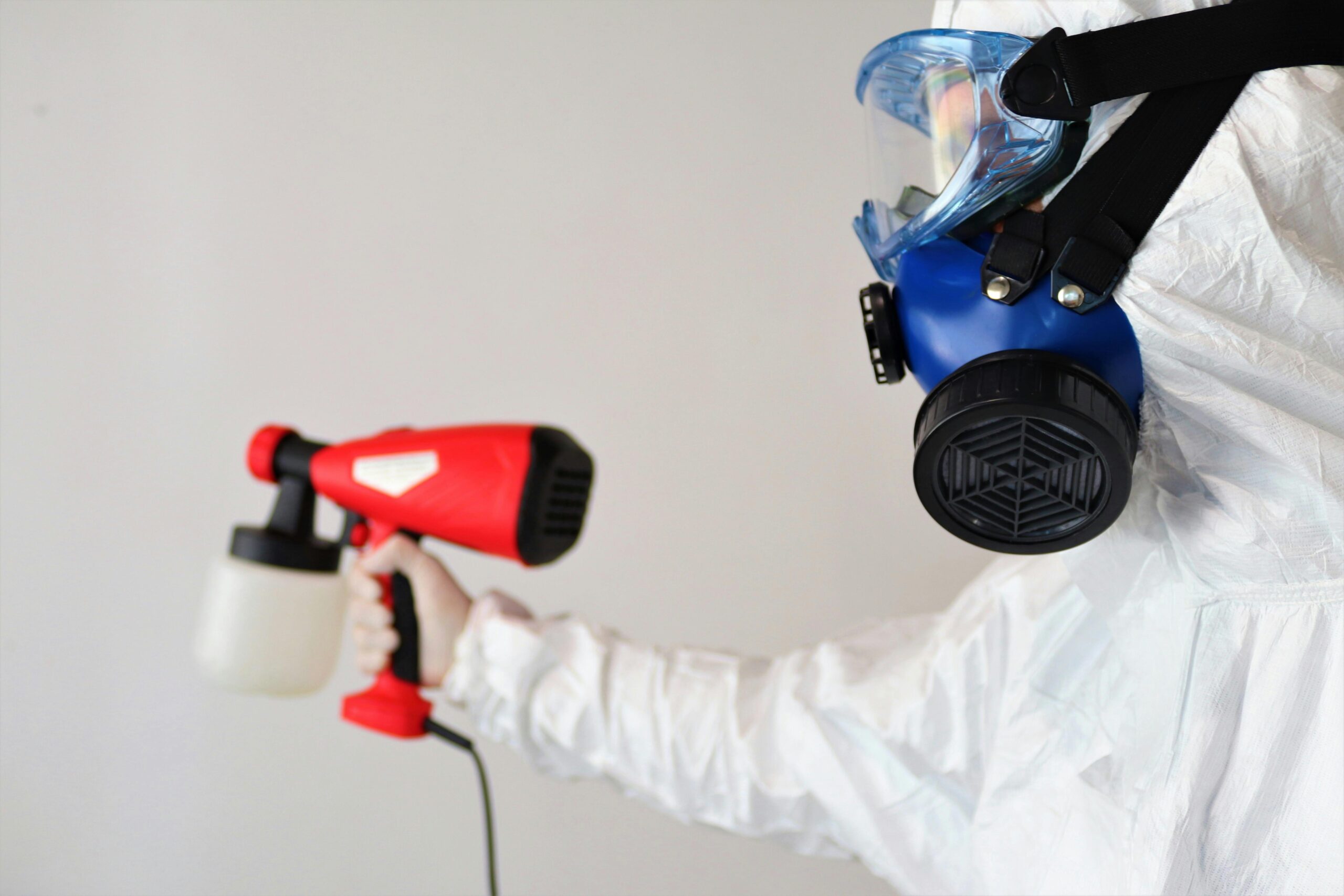
🌱 The Long-Term Benefits of Chemical-Free Prevention
Choosing non-chemical prevention strategies protects more than just your home from mold. These approaches safeguard your family’s health by avoiding exposure to harsh chemicals that can cause respiratory irritation, skin problems, and other health concerns.
Natural prevention methods prove more sustainable environmentally and economically. Rather than repeatedly purchasing expensive chemical treatments, you’re implementing systems and habits that prevent problems from developing in the first place.
A proactive, chemical-free approach maintains better indoor air quality overall. Many chemical mold treatments release volatile organic compounds that linger in your home’s air, potentially causing more health problems than the mold itself.
By consistently implementing these simple, natural prevention strategies, you create a healthier home environment where mold and mildew struggle to establish themselves. The key lies not in any single dramatic intervention but in the cumulative effect of regular, thoughtful prevention practices that eliminate the conditions these unwelcome intruders need to thrive.
Start today by choosing three strategies from this checklist to implement immediately. Gradually expand your prevention efforts as these become routine habits. Your diligence will reward you with a cleaner, healthier home that naturally resists mold and mildew without relying on harsh chemicals or expensive remediation services.