That annoying drip from your faucet isn’t just wasting water—it’s draining your wallet and your patience. The good news? Most faucet leaks are surprisingly easy to fix with the right guidance and a systematic approach.

Before you call an expensive plumber or replace your entire faucet, take a deep breath and follow this comprehensive troubleshooting flowchart. With some basic tools and a little detective work, you’ll identify the problem and implement the solution faster than you might think. This guide will walk you through every type of faucet leak, from the persistent drip at the spout to mysterious puddles around the base, giving you the confidence to tackle repairs yourself.
🔍 Identifying Your Faucet Type: The Starting Point
Before diving into repairs, you need to know what type of faucet you’re dealing with. Different faucet designs have distinct internal mechanisms, and identifying yours correctly is crucial for successful troubleshooting.
The four main faucet types are compression, cartridge, ball, and ceramic disk faucets. Compression faucets have separate hot and cold handles that you twist, and they’re typically older models. Cartridge faucets can have one or two handles and move up-and-down or side-to-side. Ball faucets usually have a single handle that moves over a rounded ball-shaped cap. Ceramic disk faucets feature a single lever over a wide cylindrical body.
To identify your faucet, look at the handle mechanism and consult your faucet’s branding if visible. Take a photo before disassembly—it’ll be invaluable during reassembly. Knowing your faucet type will determine which parts you need and which repair steps to follow.
🛠️ Essential Tools and Materials for Faucet Repair
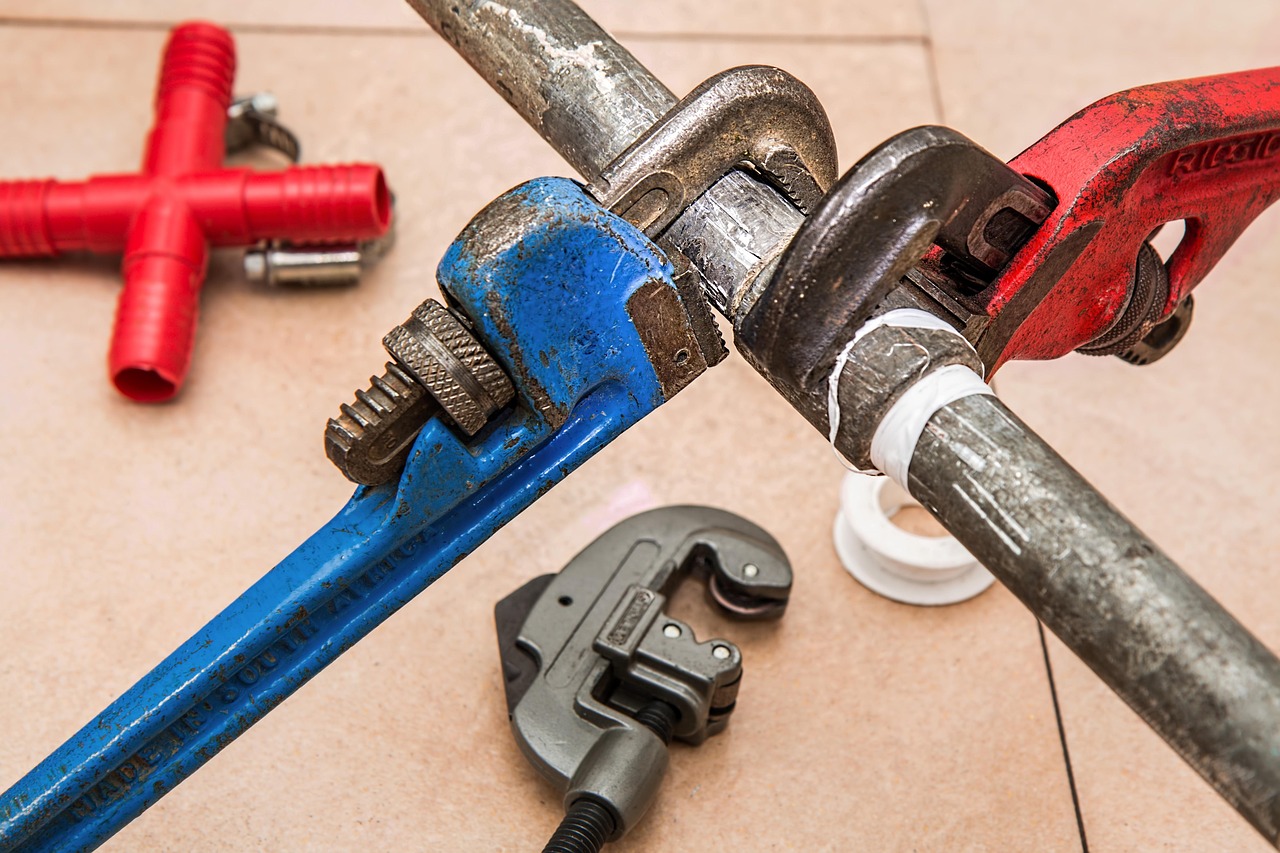
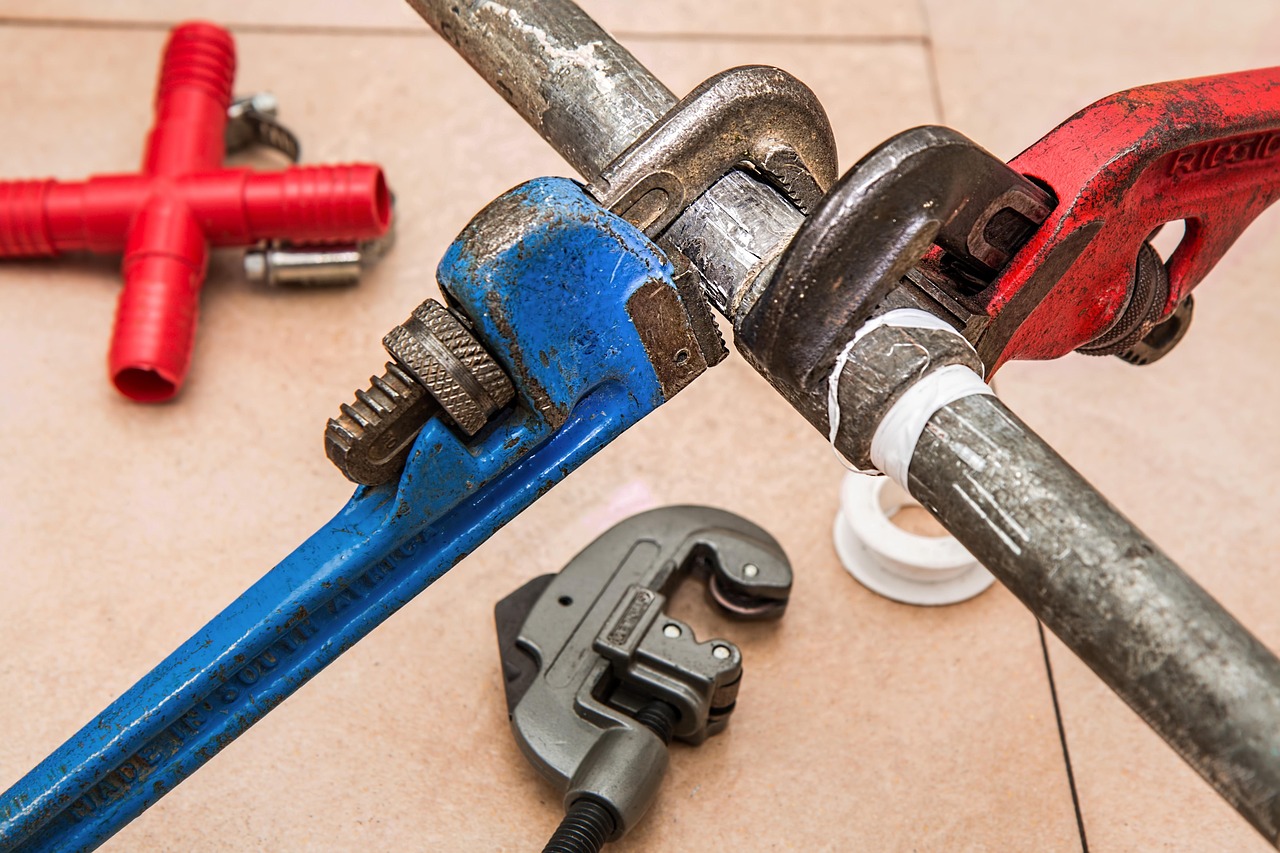
Having the right tools ready before you start will make your repair process smooth and frustration-free. Most faucet repairs require only basic household tools that you probably already own.
Gather these essential items before beginning any faucet repair:
- Adjustable wrench or basin wrench
- Phillips and flathead screwdrivers
- Allen wrench set (hex keys)
- Replacement washers, O-rings, or cartridges
- Plumber’s grease (silicone-based)
- Flashlight or headlamp
- Towels or rags
- Bucket or container
- White vinegar for cleaning mineral deposits
- Teflon tape for threaded connections
Keep a smartphone handy to photograph each disassembly step. These photos serve as your personal reassembly guide and help identify parts at the hardware store if needed.
💧 Diagnosing the Drip: Where Exactly Is Your Faucet Leaking?
The location of your leak provides crucial clues about what’s wrong inside your faucet. Different leak locations point to different component failures, so accurate diagnosis saves time and money.
Dripping from the Spout
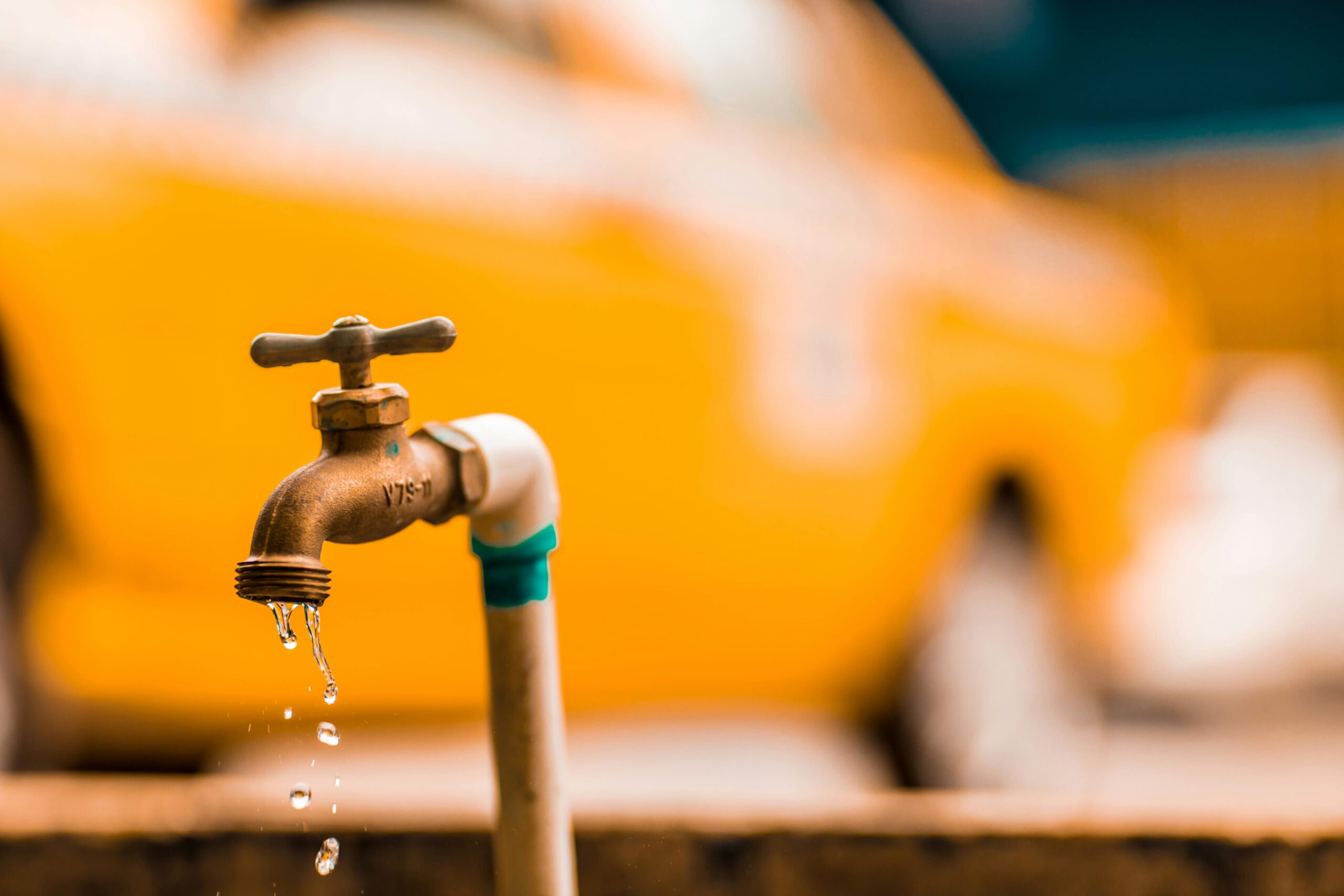
If water drips from the spout even when the faucet is fully closed, the problem typically lies in the internal sealing mechanism. For compression faucets, worn washers or seats are the usual culprits. In cartridge, ball, or ceramic disk models, the internal cartridge or seals have likely deteriorated.
This is the most common type of faucet leak and fortunately one of the easiest to fix. The constant dripping occurs because water pressure pushes through compromised seals that should completely stop water flow when the faucet is off.
Leaking from the Base or Handle
Water pooling around the faucet base or seeping from under the handle indicates O-ring problems or loose connections. O-rings are small rubber rings that create watertight seals where moving parts connect. Over time, these rings become brittle, compressed, or damaged.
Base leaks can also signal issues with the sink mounting or deteriorated plumber’s putty. Handle leaks specifically point to O-rings on the stem or cartridge that need replacement.
Leaking Underneath the Sink
If you notice moisture in the cabinet below your sink, the problem might not be the faucet itself but the supply lines or drain connections. Check all connections thoroughly before disassembling the faucet. Tighten any loose nuts and replace corroded supply lines.
Sometimes what appears to be a faucet leak is actually water splashing back and running down the outside of the fixture. Dry everything thoroughly and observe carefully to confirm the true leak source.
🔧 The Troubleshooting Flowchart: Step-by-Step Diagnosis
Now that you’ve identified your faucet type and leak location, follow this systematic flowchart to pinpoint and fix your specific problem. Start at the beginning and follow the path that matches your situation.
Step 1: Turn Off the Water Supply
Before any repair work, shut off the water supply valves under the sink by turning them clockwise. If you don’t have individual shutoff valves, you’ll need to turn off your home’s main water supply. After closing the valves, turn on the faucet to release any remaining water pressure and drain the lines.
Place a bucket under the pipes to catch any residual water. Cover the sink drain with a rag or stopper to prevent losing small parts down the drain during disassembly.
Step 2: Remove the Handle
Most faucet handles are secured with a screw hidden under a decorative cap or button. Gently pry off this cap with a flathead screwdriver or knife. Underneath, you’ll find either a Phillips screw, flathead screw, or Allen screw holding the handle in place.
Remove this screw completely and lift off the handle. Some handles may be tight from mineral buildup—wiggle gently while pulling upward. If it’s extremely stuck, apply a few drops of penetrating oil and wait five minutes before trying again.
Step 3: Compression Faucet Repair Path
For compression faucets with a dripping spout, remove the packing nut with an adjustable wrench, exposing the stem. Unscrew the stem completely and examine the washer at the bottom. If it’s cracked, deformed, or hardened, replace it with an exact match.
Also inspect the valve seat inside the faucet body. Run your finger around it—if you feel roughness or pitting, it should be replaced or resurfaced with a seat wrench or seat dresser tool. Apply plumber’s grease to the new washer and reassemble.
Step 4: Cartridge Faucet Repair Path
After removing the handle, you’ll see a retaining clip or nut holding the cartridge in place. Remove this clip with pliers, noting its orientation. Pull the cartridge straight up—you may need cartridge-pulling pliers for stubborn cartridges.
Inspect the O-rings on the cartridge body. If they’re damaged, cut them off carefully and roll on new ones coated with plumber’s grease. If the cartridge itself is damaged or the faucet still leaks after O-ring replacement, replace the entire cartridge. Cartridges are directional, so note the original orientation before removal.
Step 5: Ball Faucet Repair Path
Ball faucets have the most moving parts. After handle removal, unscrew the cap and collar to expose the cam, cam washer, and rotating ball. Lift out these components and examine the inlet seals and springs below the ball.
These springs and seals often wear out and are the most common cause of ball faucet leaks. Replace them as a set, along with the O-rings around the body. Many hardware stores sell complete ball faucet repair kits containing all necessary components. When reassembling, ensure the alignment pin on the ball fits into the corresponding slot.
Step 6: Ceramic Disk Faucet Repair Path
Ceramic disk faucets are generally the most reliable, but they can still develop leaks. After removing the handle, unscrew the disk cylinder cap and lift out the cylinder. On the underside, you’ll find inlet and outlet seals.
Clean the cylinder and seals thoroughly with white vinegar to remove mineral deposits. If seals are damaged, pry them out gently and press in new ones. If the ceramic disks themselves are cracked or damaged (rare but possible), you’ll need to replace the entire cylinder assembly.
🧰 Advanced Troubleshooting: When Basic Fixes Don’t Work
Sometimes you’ll replace the obvious worn parts and still face a persistent leak. Don’t give up—there are additional factors that could be causing your problem.
Mineral Buildup and Sediment
Hard water leaves mineral deposits that can prevent proper sealing even with new parts. Disassemble components and soak them in white vinegar for 30 minutes to an hour. Use an old toothbrush to scrub away stubborn deposits. This cleaning often resolves leaks that persist despite part replacement.
The valve seat inside the faucet body also accumulates minerals. Clean it thoroughly with vinegar and a cloth. If pitting or corrosion is present, the seat needs replacement or resurfacing.
Incorrect Part Installation
Many faucet parts are directional or have specific orientation requirements. Cartridges must align properly with hot and cold water inlets. O-rings must sit in their grooves completely, not twisted or pinched. Springs in ball faucets must seat firmly in their pockets.
Review your photos from disassembly and ensure everything is positioned exactly as it was originally. Sometimes simply disassembling and carefully reassembling with attention to detail solves mysterious persistent leaks.
Wrong Replacement Parts
Not all washers, O-rings, and cartridges are universal. Using the wrong size or type will result in continued leaking. Always bring your old parts to the hardware store for exact matching, or note the faucet brand and model number.
When in doubt, take photos of all parts and show them to a knowledgeable hardware store employee. Online videos specific to your faucet model can also clarify which exact replacement parts you need.
💡 Prevention Tips: Keeping Your Faucet Leak-Free
After successfully fixing your leak, implement these preventive measures to extend your faucet’s lifespan and avoid future drips.
Don’t overtighten faucet handles—excessive force accelerates wear on seals and washers. Close handles gently but firmly. If you need to crank hard to stop water flow, you already have worn internal parts that need attention.
Address leaks promptly rather than living with them. A small drip deteriorates components faster, causing more extensive damage over time. That “minor” drip can waste thousands of gallons annually and increase wear exponentially.
In hard water areas, install a water softener to reduce mineral buildup inside faucets. Alternatively, periodically disassemble and clean faucet components with vinegar even if they’re not leaking yet.
Replace supply lines every five to seven years before they fail. These inexpensive components can prevent major water damage if they burst.
🚨 When to Call a Professional Plumber
While most faucet leaks are DIY-friendly, certain situations warrant professional help. Recognize when you’ve reached the limits of reasonable DIY repair.
If you can’t identify your faucet type or can’t find replacement parts, a plumber has access to specialty tools and obscure components. If you’ve replaced all seals and washers but the leak persists, there may be internal damage or valve seat problems requiring professional tools.
Leaks that originate from pipes inside the wall rather than the faucet itself require plumbing expertise. If you encounter corroded or seized parts that won’t budge despite penetrating oil, forcing them may cause breaks that necessitate more expensive repairs.
Strange noises like hammering or squealing when you turn the faucet on or off indicate pressure problems beyond basic faucet repair. These issues might involve your home’s entire plumbing system and require professional diagnosis.
💰 Cost Comparison: DIY vs. Professional Repair
Understanding the financial impact of DIY repairs versus professional services helps you make informed decisions about your faucet fixes.
| Repair Type | DIY Cost | Professional Cost | Time Investment |
|---|---|---|---|
| Washer replacement | $2-$5 | $100-$150 | 30 minutes |
| Cartridge replacement | $15-$40 | $120-$200 | 45 minutes |
| Ball faucet repair kit | $10-$20 | $130-$180 | 1 hour |
| O-ring replacement | $3-$8 | $100-$140 | 30 minutes |
| Complete faucet replacement | $50-$200 | $200-$450 | 2-3 hours |
These numbers clearly demonstrate the savings potential of DIY repairs. Even if you need to purchase a few extra tools, you’ll still save substantially compared to professional service calls. The time investment is minimal for most repairs, typically under an hour even for beginners.
🌍 Environmental Impact: Why Fixing Leaks Matters
Beyond the annoyance and cost, that dripping faucet has significant environmental consequences that many people overlook.
A faucet dripping once per second wastes approximately 3,000 gallons per year—enough to fill a swimming pool. Multiply this by millions of households with leaky faucets, and the wasted water becomes an enormous environmental burden.
In drought-prone areas, this waste is particularly problematic. Water conservation starts with small actions like fixing leaks promptly. Additionally, municipal water treatment requires energy and resources, so wasting treated water also wastes the energy used to purify and deliver it.
By fixing your leaky faucet today, you’re not just saving money—you’re contributing to responsible water stewardship and environmental conservation. This simple repair has ripple effects far beyond your household.
🎯 Your Action Plan: Fixing That Leak Today
You now have a complete troubleshooting flowchart and all the knowledge needed to stop your faucet leak. The key is taking action today rather than procrastinating while water and money continue flowing down the drain.
Start by identifying your faucet type and leak location. Gather your tools and replacement parts. Set aside an hour when you won’t be rushed—repairs go more smoothly when you’re not racing against time. Take photos at each disassembly step for reference.
Work methodically through the appropriate repair path from the flowchart. Don’t skip steps or rush through the process. If you encounter unexpected challenges, pause and research rather than forcing anything that could cause damage.
Remember that even experienced DIYers sometimes need two attempts to get repairs perfect. If your first reassembly doesn’t completely stop the leak, don’t get discouraged. Disassemble again, inspect all parts carefully, ensure proper positioning, and try once more.
Most importantly, trust yourself. These repairs are genuinely manageable for average homeowners with basic mechanical aptitude. Thousands of people successfully fix faucet leaks every day without special training or expensive tools. You have everything you need to join them and enjoy a drip-free, cost-efficient faucet that performs like new. Take that first step right now—your wallet and the environment will thank you! 💪