Is your dishwasher leaving spots, film, or food residue on your supposedly clean dishes? You’re not alone in this frustrating experience, and the good news is that most dishwasher problems have simple solutions.

Modern dishwashers are designed to make our lives easier, but when they malfunction or don’t perform as expected, the resulting dirty dishes can be more time-consuming than washing by hand. Whether you’re dealing with cloudy glassware, greasy plates, or a machine that won’t drain properly, this comprehensive troubleshooting guide will help you identify the problem and implement effective solutions. Let’s dive into the most common dishwasher issues and how to fix them for spotless results every single time.
🔍 Understanding Why Your Dishes Aren’t Getting Clean
Before jumping into solutions, it’s essential to understand the root causes of poor dishwasher performance. Most cleaning issues stem from one of several common problems: improper loading techniques, water temperature issues, detergent problems, mechanical failures, or water quality concerns. Identifying the specific issue affecting your machine is the first step toward achieving consistently clean dishes.
Your dishwasher relies on a combination of hot water, detergent, and mechanical spray action to remove food particles and sanitize your dishes. When any element of this system is compromised, cleaning performance suffers dramatically. The spray arms must rotate freely, water must reach the proper temperature (typically 120-150°F or 49-66°C), and detergent must dissolve completely to activate its cleaning agents.
Loading Mistakes That Sabotage Cleaning Performance
One of the most overlooked causes of poor dishwasher performance is improper loading. Even the most advanced dishwasher can’t clean dishes that block water spray or prevent detergent from reaching soiled surfaces. Many people unknowingly commit loading errors that directly impact cleaning results.
Strategic Dish Placement for Maximum Water Exposure
Always place dishes facing the center of the dishwasher where the spray arms are located. Bowls, cups, and glasses should be angled downward to prevent water from pooling. Plates should be loaded in the slots provided, with the dirtiest side facing the center. Never nest items inside each other, as this prevents water and detergent from reaching all surfaces.
Large items like cutting boards, platters, and baking sheets should be placed along the sides and back of the lower rack, not in the front where they can block water flow. Silverware should be mixed with handles up and down to prevent nesting, though sharp knives should always point downward for safety reasons.
Avoiding Overloading and Blocking Spray Arms
Overloading is the number one loading mistake homeowners make. When your dishwasher is packed too tightly, water cannot circulate properly, and items may block the spray arms from rotating. After loading, manually spin each spray arm to ensure it rotates freely without hitting any dishes or utensils.
Pay special attention to tall items on the bottom rack that might interfere with the upper spray arm. Likewise, ensure that nothing from the top rack hangs low enough to obstruct the lower spray arm’s rotation. These spray arms are the workhorses of your dishwasher, and their unobstructed movement is critical for proper cleaning.
💧 Water Temperature and Pressure Problems
Water temperature plays a crucial role in dishwasher cleaning effectiveness. If water isn’t hot enough, detergent won’t dissolve properly, grease won’t break down, and sanitization won’t occur. Most dishwashers require water at least 120°F (49°C) to function optimally, with many needing temperatures closer to 140°F (60°C) for best results.
Testing and Adjusting Your Water Heater
To test your water temperature, run hot water from the kitchen sink for two minutes, then collect water in a glass and immediately measure its temperature with a cooking thermometer. If the temperature is below 120°F, your water heater needs adjustment. Most water heaters have a thermostat that can be increased, though you should be cautious about scalding risks if you have young children or elderly household members.
Additionally, always run your kitchen faucet until the water is hot before starting the dishwasher cycle. This ensures the dishwasher begins with hot water rather than cold water sitting in the pipes. This simple habit can significantly improve cleaning performance, especially on shorter wash cycles.
Addressing Low Water Pressure Issues
Inadequate water pressure prevents your dishwasher from filling properly and reduces spray arm effectiveness. Check your home’s water pressure, which should typically be between 20-120 psi for dishwashers to function correctly. If you’ve recently noticed decreased cleaning performance accompanied by longer cycle times, low water pressure might be the culprit.
Inspect the water supply line to your dishwasher for kinks, clogs, or a partially closed shut-off valve. Clean the inlet screen where the water line connects to the dishwasher, as mineral deposits can restrict water flow over time. This simple maintenance task takes only minutes but can dramatically improve performance.
🧴 Detergent Selection and Usage Guide
Not all dishwasher detergents are created equal, and using the wrong type or amount can leave you with disappointing results. Modern low-phosphate and phosphate-free formulas require proper usage to be effective, and many homeowners unknowingly sabotage their results by using too much or too little detergent.
Choosing the Right Detergent for Your Water Type
If you have hard water (water with high mineral content), you need a detergent specifically formulated for hard water conditions or you’ll need to use a rinse aid. Hard water leaves white, cloudy deposits on dishes and glassware, often mistaken for detergent residue. Conversely, if you have soft water, using too much detergent will create excessive suds that actually reduce cleaning effectiveness.
Powder detergents offer the most flexibility for adjusting to your specific water conditions, while pods provide convenience but fixed dosing. Gel detergents typically dissolve most easily in lower temperatures but may not clean as powerfully as powder formulations. Consider trying different types to see which performs best with your specific dishwasher and water conditions.
The Critical Role of Rinse Aid
Many people skip rinse aid, not realizing it’s essential for spot-free drying, especially with hard water. Rinse aid reduces surface tension, allowing water to sheet off dishes rather than forming droplets that leave spots and streaks. Fill the rinse aid dispenser and adjust the setting according to your drying results—if you see spots, increase the amount; if you see a blue film, decrease it.
Check your rinse aid dispenser monthly and refill as needed. Some modern detergent pods claim to include rinse aid, but a separate rinse aid dispenser still provides superior drying results in most water conditions. This small addition to your dishwasher routine can make the difference between cloudy, spotted glasses and crystal-clear results.
🔧 Mechanical Components That Affect Cleaning
Your dishwasher has several mechanical components that require regular inspection and occasional cleaning to maintain optimal performance. Neglecting these parts is a common reason for declining cleaning results over time.
Spray Arms: The Heart of the Cleaning System
Spray arms distribute water throughout the dishwasher, and clogged spray arm holes dramatically reduce cleaning power. Remove both upper and lower spray arms monthly (they usually twist or snap off easily) and inspect all holes for blockages. Use a toothpick or small wire to clear any debris from the holes, then rinse thoroughly under running water.
While you have the spray arms removed, check that they spin freely on their mounts without wobbling excessively. Damaged or worn spray arms should be replaced, as they’re relatively inexpensive parts that dramatically affect performance.
Filter Maintenance: The Most Neglected Component
Your dishwasher filter traps food particles to prevent them from redepositing on clean dishes, but a dirty filter restricts water flow and harbors odor-causing bacteria. Most modern dishwashers have removable filters located at the bottom of the tub that should be cleaned weekly for optimal performance.
To clean your filter, remove it according to your manufacturer’s instructions (usually a quarter-turn and lift), then rinse under hot running water. Use a soft brush to remove stubborn debris, and if the filter appears greasy, soak it in hot, soapy water for 10 minutes before rinsing. A clean filter is essential for both cleaning performance and odor prevention.
Door Gasket and Detergent Dispenser Inspection
The rubber gasket around your dishwasher door creates a watertight seal but can accumulate food debris, grease, and mold. Wipe this gasket monthly with a damp cloth and mild cleaner, paying special attention to the folds where debris hides. A damaged gasket can cause leaks and reduce water pressure inside the dishwasher.
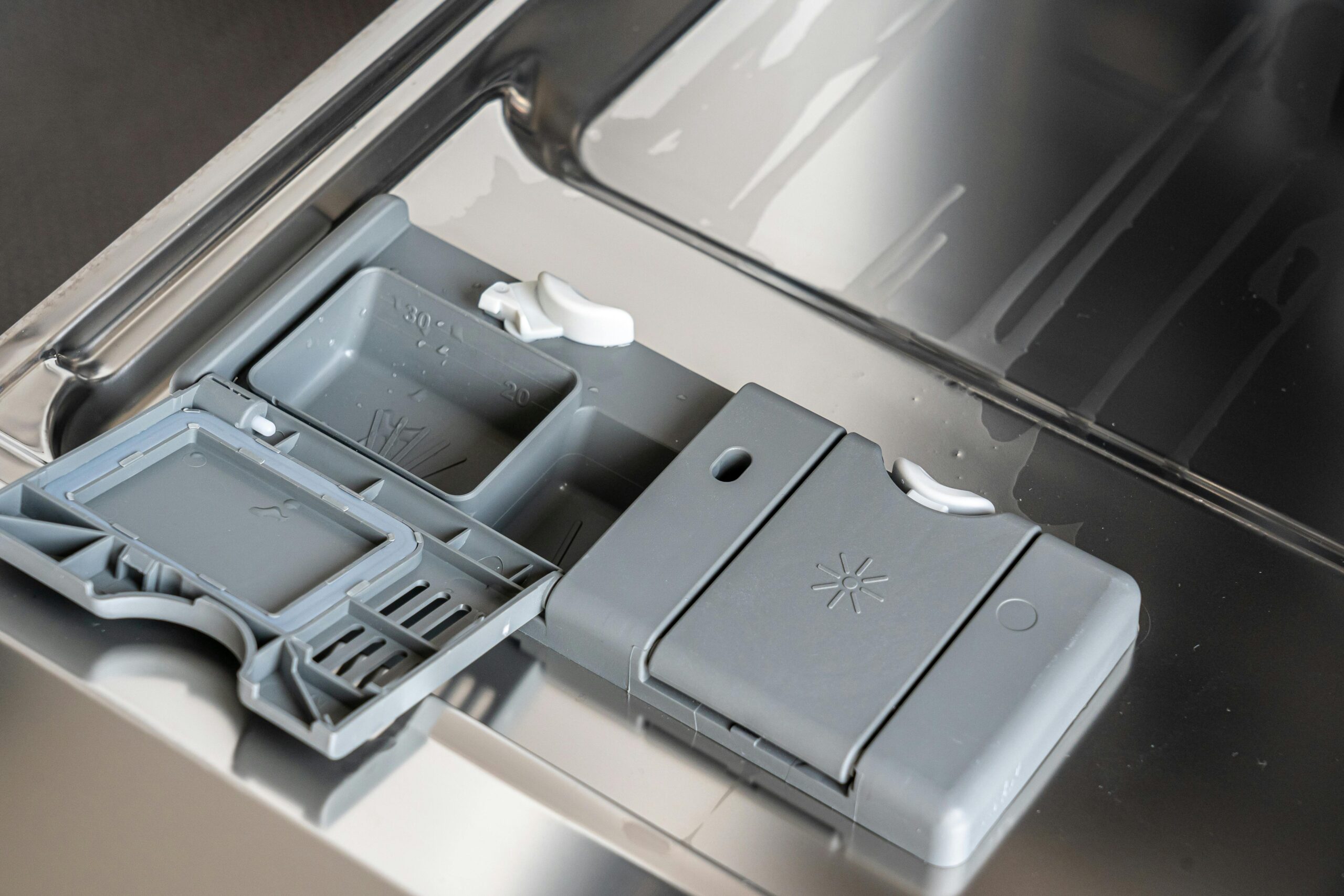
Similarly, inspect the detergent dispenser door to ensure it opens freely during the wash cycle. If detergent cups or pods aren’t fully dissolving, the dispenser door may be blocked by an improperly loaded dish, or the door mechanism may be damaged and require replacement.
🚰 Drainage Issues and Standing Water Solutions
If you consistently find standing water at the bottom of your dishwasher after a cycle completes, you have a drainage problem that requires immediate attention. Poor drainage not only affects cleaning performance but can also lead to unpleasant odors and bacterial growth.
Clearing the Drain Basket and Sump Area
The drain basket (located near the filter at the bottom of the tub) catches large food particles before they enter the drain system. Remove and clean this basket along with your filter cleaning routine. Use a sponge to wipe out the sump area beneath the filter, as this area often accumulates sludge that restricts drainage.
If you find excessive food debris in this area, you may need to pre-rinse dishes more thoroughly or scrape plates better before loading. However, modern dishwashers are designed to handle food particles, so don’t pre-rinse so thoroughly that you remove all soil—detergent needs some food residue to work effectively.
Checking the Drain Hose and Air Gap
The drain hose carries wastewater from your dishwasher to your home’s drain system. Check this hose for kinks, clogs, or improper installation. The hose should have a high loop (typically attached to the underside of your countertop) to prevent backflow from the sink drain.
If your installation includes an air gap (a small chrome or plastic cylinder on your sink or countertop), remove the cover and clean out any debris. A clogged air gap prevents proper drainage and can cause water to overflow from this fitting during the drain cycle.
⚡ Advanced Troubleshooting for Persistent Problems
If you’ve addressed loading techniques, water temperature, detergent usage, and mechanical cleaning but still experience poor results, you may be dealing with more complex issues that require advanced troubleshooting or professional service.
Hard Water Deposits and Limescale Buildup
Hard water leaves mineral deposits throughout your dishwasher’s internal components, reducing efficiency over time. Run an empty dishwasher with a dishwasher cleaner or two cups of white vinegar on the hottest cycle monthly to dissolve mineral buildup. For severe buildup, you may need to use a commercial descaling product specifically designed for dishwashers.
Consider installing a whole-house water softener if you live in an area with very hard water. This investment protects not only your dishwasher but all water-using appliances and plumbing fixtures. Alternatively, dishwasher salt (used in some European-style dishwashers with built-in softeners) can help mitigate hard water effects.
Heating Element and Temperature Sensor Issues
If water isn’t heating properly despite adjusting your water heater, the dishwasher’s internal heating element may be faulty. Most dishwashers have a heating element that maintains water temperature and aids in drying. Testing this component requires a multimeter and some electrical knowledge, so consider calling a professional if you suspect heating element failure.
Similarly, a malfunctioning temperature sensor (thermistor) can cause the dishwasher to think water is hotter or cooler than it actually is, leading to cycle timing problems and poor cleaning results. These components typically require professional diagnosis and replacement.
🌟 Optimizing Your Dishwasher for Spotless Results
Once you’ve resolved any existing problems, implementing best practices ensures consistently excellent cleaning performance and extends your dishwasher’s lifespan.
Pre-Wash Practices That Actually Help
Contrary to popular belief, modern dishwashers perform best when dishes aren’t completely pre-rinsed. Scrape off large food particles, but leave some residue for the detergent to work on. Enzymes in modern detergents need food proteins and starches to activate properly, so excessively clean dishes may actually come out with more detergent residue.
However, certain items do require special attention. Wipe excess grease from pans, remove starchy residue from pasta bowls, and rinse off sugary substances like smoothie residue or oatmeal, as these can bake onto dishes during the heated dry cycle.
Cycle Selection for Different Load Types
Use the appropriate cycle for your dishes rather than defaulting to the same setting every time. Heavy or pots-and-pans cycles use hotter water and longer wash times for stubborn soil. Quick cycles work for lightly soiled dishes but won’t tackle baked-on food. Delicate cycles protect fine china and glassware but provide gentler cleaning action.
The “sanitize” cycle, available on many modern dishwashers, uses extra-hot water (typically 150°F or higher) to kill bacteria and is ideal for cutting boards, baby items, and dishes used during illness. However, this cycle consumes more energy and takes significantly longer than normal wash cycles.
Monthly Maintenance Routine for Peak Performance
Establish a monthly maintenance routine that includes cleaning the filter and spray arms, wiping down the door gasket, running a cleaning cycle with dishwasher cleaner or vinegar, and inspecting all visible components for wear or damage. This 15-minute monthly investment prevents the majority of dishwasher problems and ensures consistently clean dishes.
Keep a maintenance log noting when you perform these tasks and any issues you observe. Patterns in problems (such as recurring clogs or decreased performance at specific times) can help identify underlying issues like hard water seasonal variation or main supply line problems.
💡 When to Call a Professional Service Technician
While many dishwasher issues can be resolved with DIY troubleshooting, some problems require professional expertise and specialized tools. Knowing when to call for help saves time, prevents potential damage, and ensures safe repairs.
Contact a qualified appliance repair technician if you experience persistent leaking, unusual noises (grinding, squealing, or banging), electrical issues, control panel malfunctions, or if the dishwasher doesn’t fill or drain after you’ve checked the obvious causes. Additionally, any problem involving the heating element, pump motor, or electronic controls typically requires professional service.
If your dishwasher is more than 10 years old and requires expensive repairs, consider replacement instead. Modern dishwashers are significantly more water and energy-efficient than older models, often paying for themselves through reduced utility bills within a few years while providing superior cleaning performance.
🎯 Achieving Consistently Perfect Dishwashing Results
Spotless dishes from your dishwasher aren’t a matter of luck—they’re the result of proper loading, appropriate detergent usage, regular maintenance, and correctly functioning components. By working through this comprehensive troubleshooting checklist, you’ve gained the knowledge to identify and resolve the vast majority of dishwasher cleaning issues.
Remember that dishwasher performance is a system of interconnected factors. Water temperature, detergent chemistry, spray arm function, drainage efficiency, and loading technique all work together to produce clean dishes. When one element fails, the entire system’s performance declines. Regular attention to each component ensures your dishwasher operates at peak efficiency.
Start by implementing the quick fixes: check your loading technique, verify water temperature, clean the filter and spray arms, and ensure you’re using quality detergent with rinse aid. These simple steps resolve the majority of cleaning complaints without requiring any tools or technical expertise. If problems persist, work through the more advanced troubleshooting steps systematically.
Your dishwasher is a significant investment that should provide years of reliable service and sparkling clean dishes. With the knowledge from this comprehensive troubleshooting guide, you’re now equipped to maintain optimal performance, identify problems early, and resolve issues efficiently. Say goodbye to rewashing dishes and hello to consistently spotless results every single time you run your dishwasher!