Furniture is the backbone of any living space, providing comfort, functionality, and aesthetic appeal. Over time, even the sturdiest pieces can become loose, squeaky, or damaged, requiring attention and care to restore their original glory.

Learning to repair and maintain your furniture not only saves money but also extends the life of your cherished pieces. Whether you’re dealing with a wobbly chair, a loose table leg, or damaged upholstery, having the right tools and knowledge transforms you from helpless homeowner to confident craftsperson. This comprehensive guide will walk you through the essential tools, techniques, and strategies needed to master furniture repair and tightening.
🔧 Why Furniture Repair Skills Are Essential for Every Homeowner
Before diving into the toolbox, it’s important to understand why developing furniture repair skills is a worthwhile investment of your time and energy. Most furniture problems start small—a slight wobble, a minor squeak, or a loose screw—but left unattended, these issues can escalate into major structural failures.
Professional furniture repair services can be expensive, often costing more than the furniture itself, especially for older or less expensive pieces. By learning basic repair techniques, you gain independence and the ability to address problems immediately, preventing further damage. Additionally, repairing furniture aligns with sustainable living principles, reducing waste and the environmental impact of constantly replacing items.
Many vintage and antique furniture pieces hold sentimental value that can’t be replaced. Mastering repair techniques allows you to preserve these treasures for future generations while maintaining their functionality and charm.
The Foundation: Understanding Common Furniture Problems
Successful furniture repair begins with accurate diagnosis. Understanding the most common issues helps you identify problems quickly and select the appropriate tools and techniques for fixing them.
Loose Joints and Connections
The most prevalent furniture problem involves loose joints where different components connect. Chairs, tables, and bed frames rely on strong joints to maintain structural integrity. Wood shrinks and expands with humidity changes, causing glue to fail and joints to separate. Metal fasteners can also loosen over time due to regular use and stress.
Broken or Damaged Wood
Cracks, splits, and breaks in wooden furniture components require different repair approaches depending on their severity and location. Surface cracks may only need filling, while structural breaks demand more intensive reinforcement.
Hardware and Fastener Issues
Stripped screws, broken hinges, missing bolts, and worn-out drawer slides are common hardware problems that affect furniture functionality. These issues are usually straightforward to fix with the right replacement parts and tools.
🛠️ Essential Hand Tools for Furniture Repair
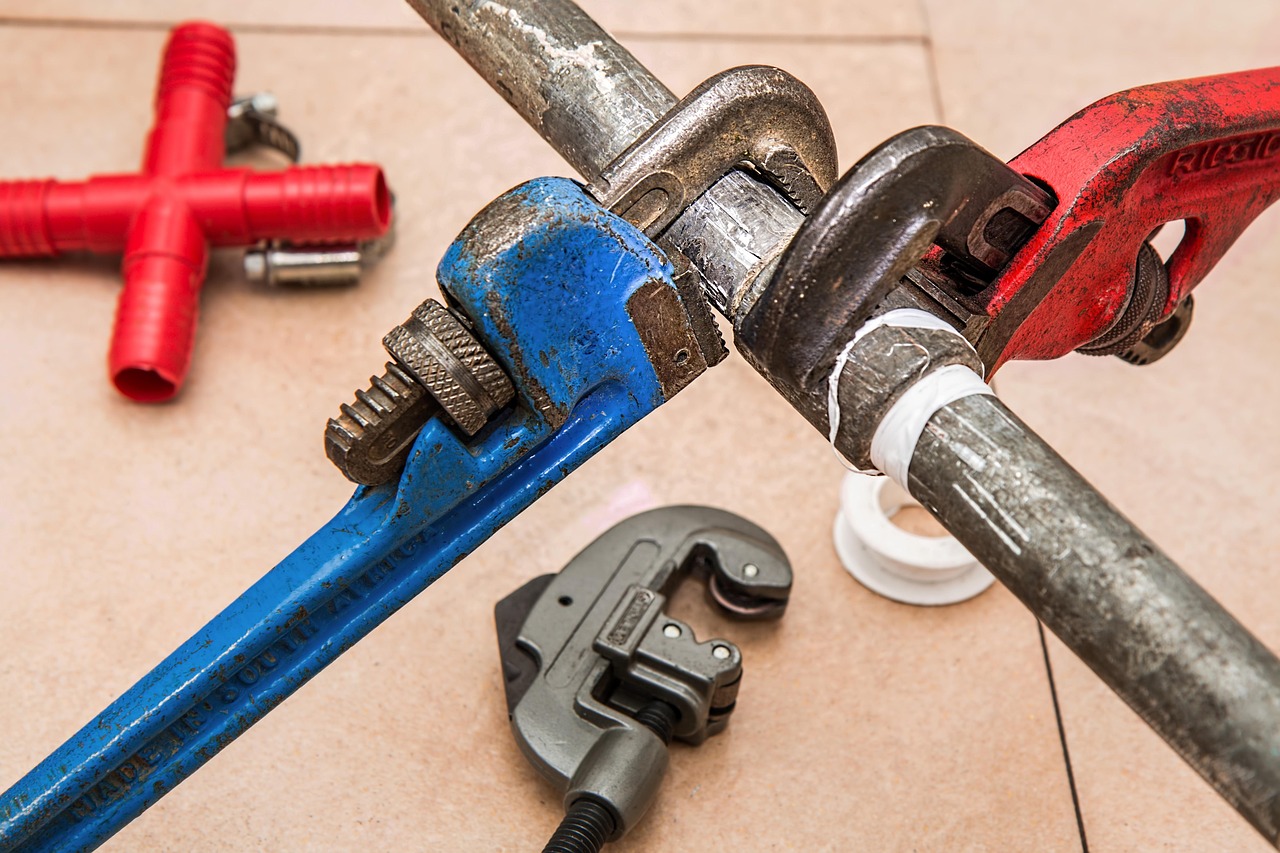
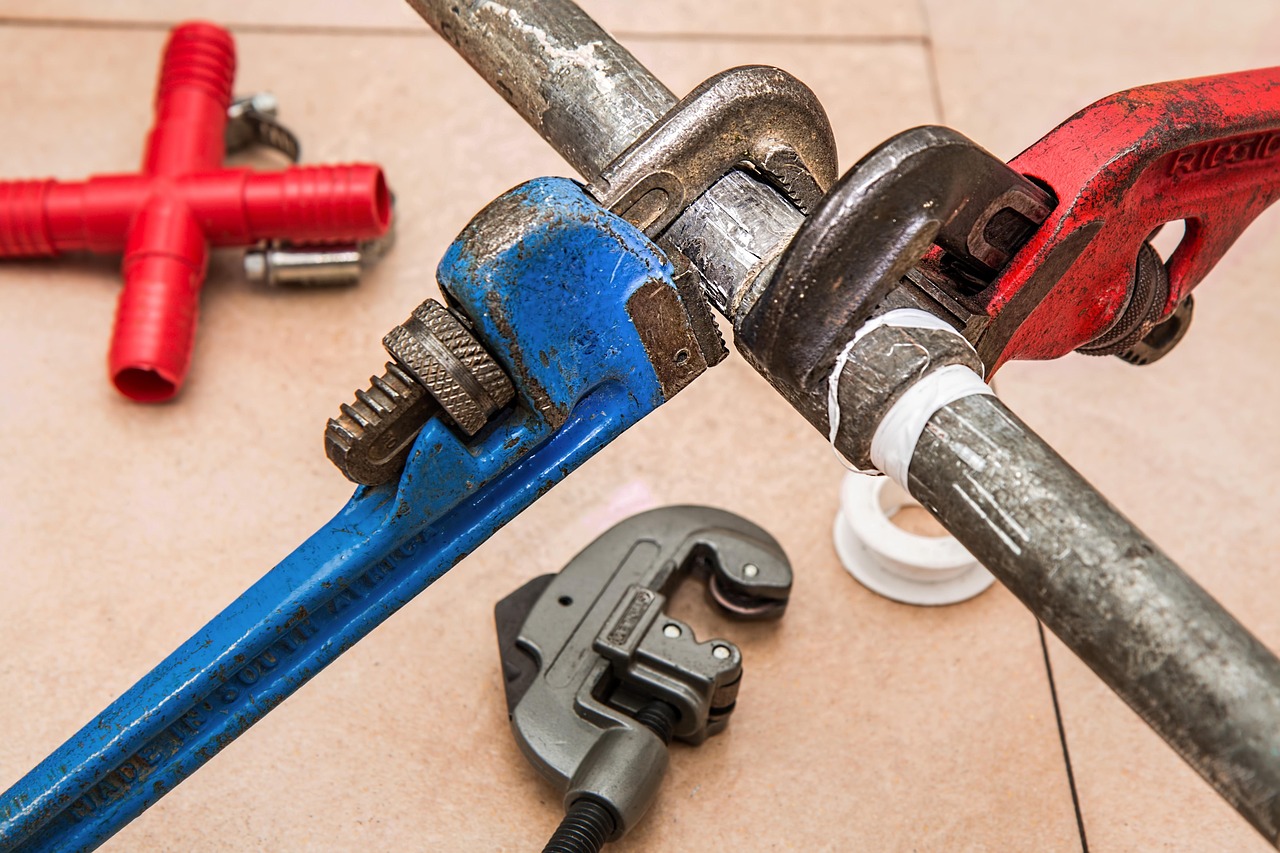
Building a comprehensive furniture repair toolkit doesn’t require a massive investment. Starting with quality essential tools provides the foundation for handling most common repairs effectively.
Screwdrivers: Your Primary Connection Tool
A complete set of screwdrivers in various sizes and types is absolutely essential. Include both flathead and Phillips head screwdrivers in small, medium, and large sizes. Magnetic tips help prevent dropping screws in hard-to-reach areas. Consider investing in a ratcheting screwdriver for efficiency when working with multiple fasteners.
Hammers and Mallets
A standard claw hammer serves multiple purposes, from driving nails to pulling them out. However, for furniture work, a rubber mallet is equally important. Rubber mallets allow you to tap joints together without damaging wood surfaces or finishes. A small tack hammer is also useful for delicate work and upholstery repairs.
Clamps: Holding Everything Together
Various types of clamps are indispensable for furniture repair. Bar clamps and pipe clamps provide strong pressure for gluing large joints. C-clamps work well for smaller applications. Spring clamps offer quick, one-handed operation for light-duty tasks. Having several clamps in different sizes ensures you can handle projects of any scale.
Measuring and Marking Tools
Accurate measurements prevent mistakes and wasted materials. A quality tape measure, combination square, and pencil are must-haves. A level helps ensure furniture stands properly and drawers align correctly after repairs.
Advanced Tools That Elevate Your Repair Capabilities
Once you’ve mastered basic repairs with hand tools, these advanced options expand your capabilities and make certain tasks much easier and more professional-looking.
Power Drill and Driver Set
A cordless drill/driver combination tool ranks among the most versatile power tools for furniture repair. It drives screws faster and with more control than manual screwdrivers, drills pilot holes to prevent wood splitting, and accepts various attachments for specialized tasks. Invest in a quality set of drill bits and driver bits in multiple sizes.
Orbital Sander
When furniture needs refinishing or smoothing after repairs, an orbital sander saves enormous time and effort compared to hand sanding. It creates a smooth, even surface without the circular marks left by other sander types. Choose a model with variable speed control and dust collection capabilities.
Router for Advanced Joinery
For those ready to tackle more complex repairs, a router opens up possibilities for creating replacement parts, cutting joints, and decorative edge treatments. While not essential for beginners, it becomes invaluable as your skills develop.
💪 Adhesives and Fasteners: The Invisible Heroes
Proper adhesives and fasteners are as important as the tools themselves. Using the wrong type can result in failed repairs that need redoing, while the right choice creates bonds stronger than the original construction.
Wood Glue Varieties
PVA wood glue (polyvinyl acetate) is the standard for most furniture repairs. It creates strong bonds, dries clear, and cleans up with water before curing. For outdoor furniture or pieces exposed to moisture, polyurethane glue offers superior water resistance. Hide glue, traditional in antique furniture construction, remains the best choice for period-appropriate repairs on valuable pieces.
Epoxy for Structural Repairs
Two-part epoxy adhesives provide exceptional strength for repairing broken wood, filling gaps, and bonding different materials. Epoxy works when wood glue won’t, particularly in situations where joints don’t fit tightly or when bonding wood to metal or plastic.
Choosing the Right Fasteners
Different fasteners serve different purposes in furniture construction and repair. Wood screws provide strong holding power and come in various lengths and gauges. Confirmat screws excel at connecting particleboard and MDF. Dowels and biscuits create strong, hidden joints. Keeping an assortment of fasteners organized and readily available prevents delays during repair projects.
Techniques for Tightening Loose Furniture Joints
The majority of furniture repair work involves addressing loose joints. Understanding proper tightening techniques ensures lasting repairs that withstand daily use.
Disassembling Without Damage
Sometimes complete disassembly is necessary to properly address loose joints. Work slowly and methodically, documenting the disassembly process with photos. Label parts if needed. Use gentle persuasion rather than force, applying penetrating oil to stubborn joints and allowing time for it to work.
Cleaning Old Glue and Surfaces
Failed adhesive must be removed before re-gluing. Scrape away old glue carefully with a chisel or putty knife, taking care not to damage wood surfaces. Sand joint surfaces lightly to create fresh wood for better adhesion. Clean all dust and debris before applying new adhesive.
The Glue-Up Process
Apply wood glue evenly to both surfaces of the joint. Assemble components and apply clamping pressure—firm but not excessive, as too much pressure squeezes out all the glue. Wipe away excess glue squeeze-out with a damp cloth before it dries. Allow adequate curing time as specified by the adhesive manufacturer before removing clamps or using the furniture.
🪑 Chair-Specific Repair Strategies
Chairs experience more stress than most furniture types due to dynamic loading and leverage forces. They require special attention and specific repair approaches.
Addressing Wobbly Legs
Chair legs wobble when joints loosen between the leg and seat or when stretchers (crossbars) come loose. Identify which specific joints are loose by applying pressure in different directions. Often, a single loose joint causes the entire chair to feel unstable. Re-gluing loose joints following proper disassembly and cleaning procedures typically resolves wobbliness.
Reinforcing Weak Joints
Chairs with repeatedly failing joints may need reinforcement beyond re-gluing. Corner braces add strength to seat-to-leg connections. Dowels can be added through joints for additional mechanical strength. In severe cases, replacing damaged components may be necessary.
Spindle and Back Support Repairs
Loose spindles in chair backs require patient work. These thin components insert into holes in both the seat and the top rail. The small gluing surface area means careful application and adequate clamping are critical for success.
Table Repair and Stabilization Methods
Tables present unique repair challenges due to their size and the way they’re used. A wobbly table makes dining, working, or any surface activity frustrating.
Tightening Table Legs
Table leg attachment methods vary widely. Some use threaded inserts and hanger bolts, others use mortise and tenon joints, and some employ metal brackets. Identify your table’s construction method before attempting repairs. Threaded connections often just need tightening with the appropriate wrench. Wooden joints may require re-gluing.
Dealing with Table Leaves and Extension Mechanisms
Extension tables have additional components that can malfunction. Slides may stick or misalign. Leaf supports can bend or break. Cleaning and lubricating metal slides with appropriate products often resolves sticking issues. Bent metal parts may need straightening or replacement.
📐 Working with Different Furniture Materials
Modern furniture incorporates various materials beyond solid wood, each requiring specific repair approaches and tools.
Particleboard and MDF Furniture
Engineered wood products like particleboard and MDF are common in affordable furniture. They present challenges when fasteners pull out because these materials don’t hold screws as well as solid wood. Repair options include using larger screws, adding wooden plugs in stripped holes, or using specialized fasteners designed for particleboard.
Metal Furniture Components
Metal frames, brackets, and legs require different approaches. Loose metal connections may need new bolts or thread-locking compound. Welding or metal epoxy can repair breaks in metal components, though this requires additional skills and safety considerations.
Upholstered Furniture Considerations
Repairing structural issues in upholstered furniture often requires working around fabric and padding. Sometimes partial disassembly of upholstery is necessary to access frame components. Use care to avoid damaging fabric during repairs, and consider consulting upholstery specialists for pieces with significant fabric issues alongside structural problems.
🔍 Preventive Maintenance: Keeping Furniture Tight and Functional
Prevention is always easier than repair. Regular maintenance routines keep furniture in good condition and catch small problems before they become major issues.
Regular Inspections
Periodically check furniture for loose fasteners, developing cracks, or early signs of joint failure. Tighten screws and bolts before they become completely loose. Address small issues immediately rather than waiting for complete failure.
Environmental Considerations
Furniture responds to its environment. Excessive humidity causes wood to swell, while dry conditions lead to shrinkage. Both extremes stress joints and promote failure. Maintain consistent indoor humidity levels between 35-45% to minimize wood movement. Keep furniture away from heat sources and direct sunlight that can dry out wood and degrade adhesives.
Proper Use and Weight Distribution
Much furniture damage results from misuse. Don’t stand on chairs not designed for it. Avoid dragging furniture across floors, which stresses joints. Distribute weight appropriately and respect load limits, especially for shelving and older pieces.
Building Your Repair Skills Progressively
Mastering furniture repair is a journey, not a destination. Start with simple projects and gradually tackle more complex challenges as your skills and confidence grow.
Begin with basic tightening and adjustment tasks that require minimal disassembly. As you become comfortable with tools and techniques, progress to full joint repairs that involve disassembly and re-gluing. Eventually, you might tackle refinishing, component replacement, or even reproduction of damaged parts.
Online resources, including video tutorials and woodworking forums, provide valuable guidance for specific projects. Don’t hesitate to seek advice from experienced woodworkers when facing unfamiliar situations. Many communities have woodworking clubs or makerspaces where you can learn from others and access specialized tools.
💼 Organizing Your Furniture Repair Workshop
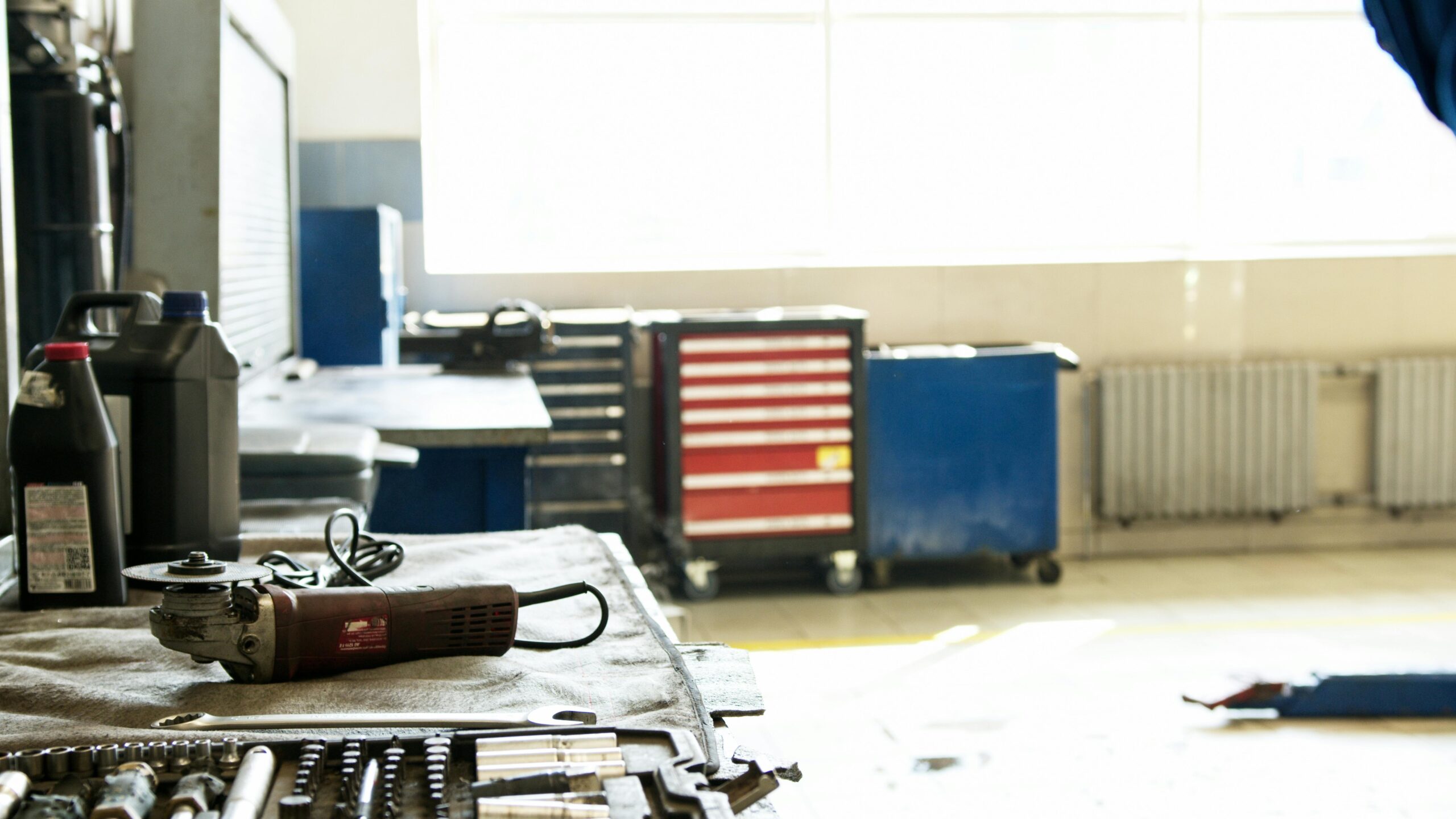
An organized workspace makes repairs more efficient and enjoyable. Even a small dedicated area makes a significant difference compared to constantly gathering tools and materials for each project.
Store tools in logical groups where you can find them quickly. Wall-mounted pegboards keep frequently used hand tools visible and accessible. Dedicate drawers or bins to fasteners, sorted by type and size. Keep adhesives in a cool, dry location to maximize their shelf life.
Good lighting is essential for detailed work. A combination of overhead lighting and task lighting ensures you can see clearly regardless of the time of day. A sturdy workbench at comfortable height prevents back strain during extended repair sessions.
Safety Considerations in Furniture Repair
While furniture repair is generally safe, proper precautions prevent injuries and health issues. Always wear safety glasses when drilling, sanding, or using power tools. Dust masks protect your lungs from wood dust and finishing product fumes. Work gloves prevent splinters and blisters during heavy tasks.
Keep your workspace clean and organized to prevent trips and falls. Store chemicals properly and ensure adequate ventilation when using adhesives, stains, or finishes. Unplug power tools when changing bits or blades. Respect tools and materials, and they’ll serve you safely for years.
When to Call a Professional
While DIY furniture repair handles most common problems, some situations warrant professional help. Valuable antiques deserve the expertise of qualified restoration specialists who understand period techniques and materials. Structural failures in load-bearing furniture like beds might require professional assessment to ensure safety. Complex repairs involving specialized techniques or tools beyond your current capabilities may be better outsourced.
There’s no shame in recognizing the limits of your skills and equipment. Even professional woodworkers sometimes refer work to specialists in specific areas. The key is making informed decisions about which projects to tackle yourself and which to entrust to experts.

🌟 The Satisfaction of Furniture Repair Mastery
Mastering furniture repair and tightening techniques provides more than just functional benefits. There’s genuine satisfaction in transforming a wobbly, squeaky piece of furniture into a solid, stable item that serves your household reliably. Each successful repair builds your confidence and skills, expanding what you’re capable of tackling.
The financial savings accumulate significantly over time. Rather than replacing furniture when minor problems arise, you can extend its useful life indefinitely with proper maintenance and timely repairs. This self-sufficiency is empowering and aligns with growing interest in sustainable living and reducing consumption.
Perhaps most importantly, furniture repair connects you with the physical objects in your home in meaningful ways. You develop appreciation for quality construction and an understanding of how things work. These skills transcend furniture repair, applying to many other household maintenance tasks and DIY projects.
Start building your furniture repair toolkit today, beginning with essential hand tools and basic fasteners. Tackle simple tightening projects to familiarize yourself with techniques and build confidence. As your skills develop, you’ll find yourself capable of increasingly complex repairs, ultimately mastering the art of furniture fixing and enjoying all the benefits that come with this valuable skill set.