Every homeowner dreads the moment when a sink refuses to drain or a foul odor rises from the pipes. These plumbing nightmares can disrupt daily routines and lead to costly professional repairs if left unaddressed.

Fortunately, having the right tools at your disposal can transform you from a helpless bystander into a confident DIY plumber. With proper equipment and knowledge, most common drain issues can be resolved quickly without breaking the bank. Understanding which tools work best for specific problems is the foundation of effective sink and drain maintenance that keeps your plumbing system flowing smoothly year-round.
🔧 The Plunger: Your First Line of Defense Against Clogs
The humble plunger remains one of the most effective and affordable tools for clearing drain blockages. This timeless instrument works by creating alternating pressure and suction that dislodges obstructions and allows water to flow freely again.
Not all plungers are created equal, however. Cup plungers with flat bottoms work best for sinks, tubs, and shower drains, while flange plungers are designed specifically for toilets. Investing in both types ensures you’re prepared for any household clog emergency.
To maximize plunger effectiveness, create a tight seal around the drain opening and fill the sink with enough water to cover the plunger cup. Use firm, rhythmic thrusts rather than violent jabbing motions. The key is consistency and patience—most clogs will surrender after 15-20 pumps of sustained pressure.
🐍 Drain Snakes and Augers: Reaching Deep-Seated Blockages
When plungers fail to resolve the issue, it’s time to bring out more specialized equipment. Drain snakes, also called plumber’s augers, feature flexible metal cables that can navigate through pipes to break up or retrieve obstructions that lie beyond the reach of plungers.
Manual drain snakes typically extend 15-25 feet and work well for most household applications. These hand-cranked tools are affordable and give you tactile feedback as you work through the clog. Electric drain snakes or power augers offer more force for stubborn blockages but require more skill to operate safely.
Choosing the Right Snake for Your Needs
Different drain snake configurations suit different situations. Top-snake augers feed from above and work excellently for kitchen and bathroom sinks. Closet augers are specifically designed for toilets, with protective rubber boots that prevent porcelain damage. For main sewer lines, professional-grade powered augers with 50-100 foot cables may be necessary.
When using a drain snake, insert it slowly and rotate the handle clockwise as you push forward. You’ll feel resistance when you encounter the clog—continue rotating to either break it apart or hook onto it for removal. Always wear gloves during this process, as the retrieved material can be unpleasant.
💧 Chemical Drain Cleaners: Understanding When and How to Use Them
Chemical drain cleaners offer a hands-off approach to clearing clogs, but they should be used judiciously and with full awareness of their limitations and risks. These products typically contain caustic ingredients like sodium hydroxide or sulfuric acid that dissolve organic matter blocking pipes.
While convenient, chemical cleaners pose several drawbacks. They can damage older pipes, especially those made of metal or PVC that has become brittle over time. The harsh chemicals also present environmental concerns and can cause severe burns if handled improperly. Never mix different chemical products, as dangerous reactions can occur.
For minor clogs caused by hair, soap scum, or grease buildup, enzymatic drain cleaners offer a gentler alternative. These bio-based products use bacteria or enzymes to break down organic materials without harsh chemicals. They work more slowly but are safer for pipes, septic systems, and the environment.
🔩 Essential Wrenches and Pliers for Drain Disassembly
Sometimes the most effective solution involves physically accessing the pipes themselves. Having the proper wrenches and pliers allows you to disassemble drain components, clear blockages directly, and reassemble everything without leaks.
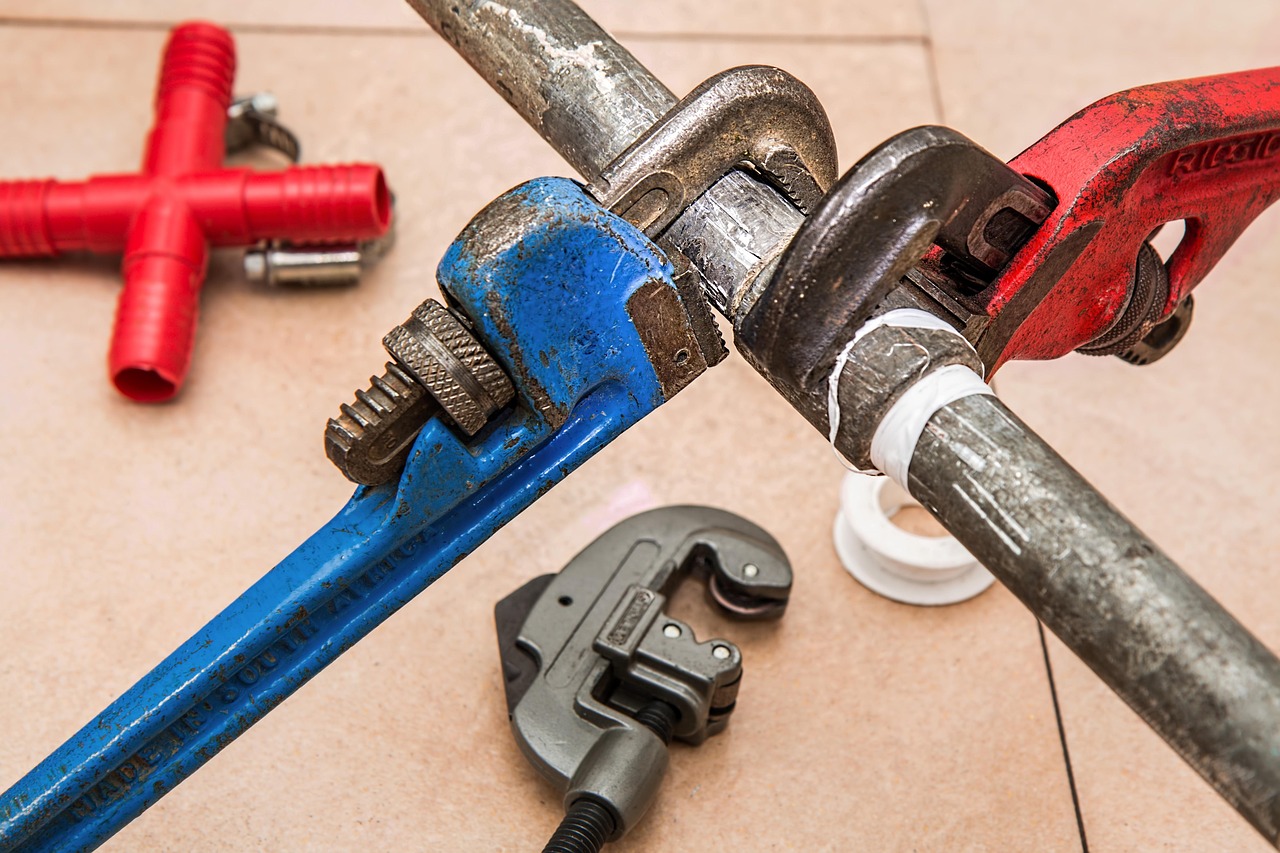
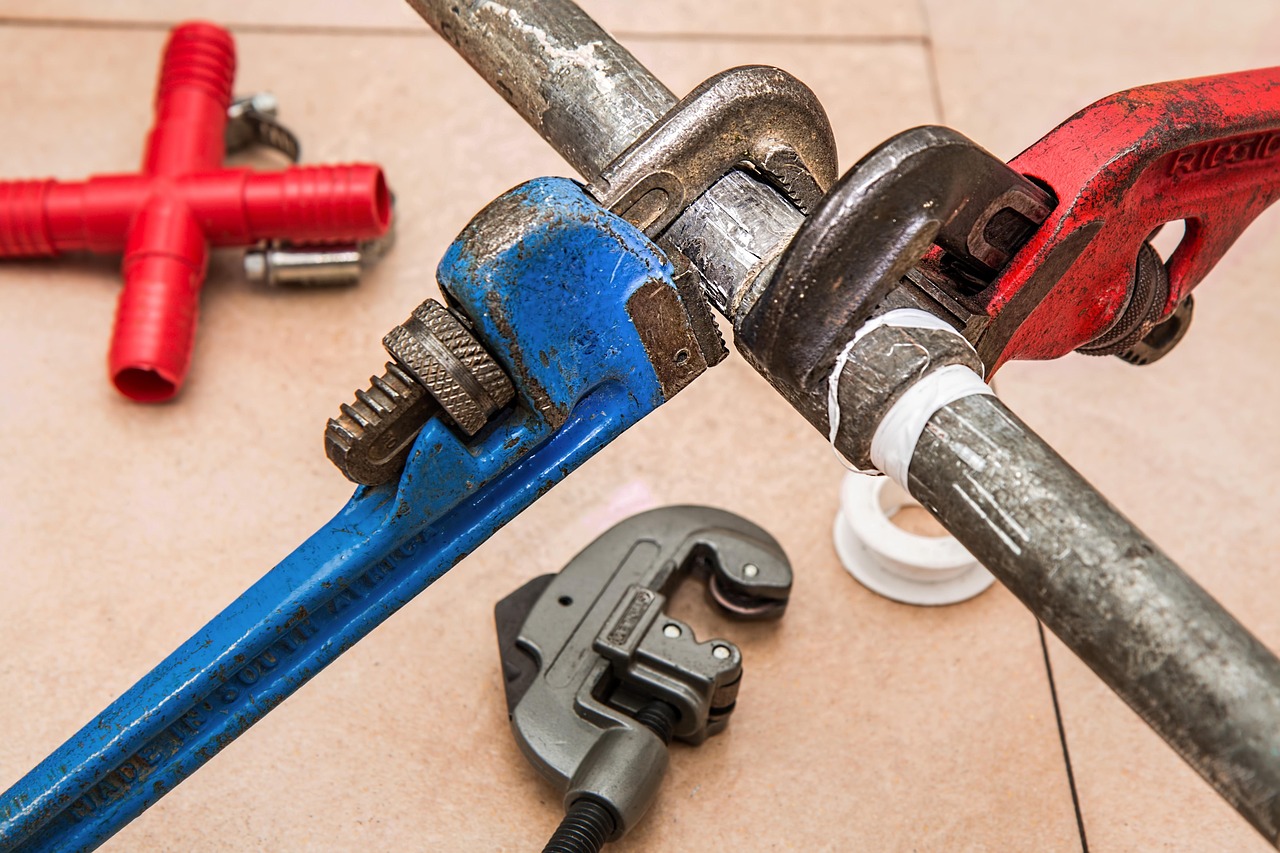
An adjustable wrench is indispensable for loosening and tightening the slip nuts that hold P-traps and other drain components together. Slip-joint pliers, also called water pump pliers, provide adjustable jaw width for gripping various pipe sizes. Channel-lock pliers offer even more versatility with multiple jaw positions.
Safely Disassembling Your P-Trap
The P-trap—that curved pipe section beneath your sink—catches debris and prevents sewer gases from entering your home. It’s also a common location for clogs. Before disassembling it, place a bucket underneath to catch water and debris. Loosen the slip nuts by hand if possible, or use your wrench if they’re too tight.
Once removed, clean the P-trap thoroughly with a brush and inspect it for cracks or damage. This is also an excellent opportunity to check the tailpiece and drain arm for accumulation. Reassemble with new washers if the old ones appear worn, and hand-tighten the slip nuts before giving them a quarter-turn with your wrench.
🧹 Preventative Maintenance Tools: Stopping Clogs Before They Start
The best clog is the one that never forms. Investing in preventative maintenance tools saves time, money, and frustration by keeping drains flowing freely before problems develop into emergencies.
Drain screens and hair catchers are simple yet remarkably effective devices that sit over or inside drain openings to trap debris before it enters pipes. Available in various materials including stainless steel, silicone, and plastic, these inexpensive tools prevent the majority of household clogs, especially in bathroom sinks and showers where hair is the primary culprit.
For kitchen sinks, sink strainers catch food particles and prevent them from accumulating in pipes. Empty these strainers regularly into the trash rather than allowing debris to build up. This simple habit dramatically reduces the likelihood of kitchen drain clogs.
Routine Cleaning Tools That Make a Difference
Long, flexible drain cleaning brushes can navigate through pipes to remove buildup before it becomes problematic. These brushes feature stiff bristles attached to flexible wires, allowing them to scrub pipe walls as they wind through curves and bends.
Enzyme-based maintenance treatments, used monthly, keep drains clear by continuously breaking down organic matter. Unlike harsh chemical cleaners used reactively, these preventative treatments maintain optimal flow without damaging pipes or creating environmental hazards.
🔦 Inspection Tools: Seeing What’s Really Going On
Modern technology has brought professional-level diagnostic capabilities within reach of DIY homeowners. Drain inspection cameras allow you to visualize the interior of your pipes, identifying problems with precision that was once available only to professional plumbers.
Inspection cameras consist of waterproof camera heads attached to flexible cables, with displays showing real-time video of pipe interiors. These tools reveal not just clogs but also cracks, corrosion, root intrusion, and other structural issues that might require professional attention.
While professional-grade inspection equipment costs thousands of dollars, consumer-level options are now available for under two hundred dollars. Some models even connect to smartphones, using apps to record videos and capture images for documentation or consultation with professionals.
🧤 Safety Equipment: Protecting Yourself During Repairs
Drain maintenance involves exposure to bacteria, sharp objects, caustic chemicals, and unpleasant substances. Proper safety equipment isn’t optional—it’s essential for protecting your health during repairs.
Heavy-duty rubber gloves provide a barrier against bacteria and chemicals while offering enough dexterity for handling tools. Safety glasses protect eyes from splashes, especially when working with chemical cleaners or using power equipment. Keep paper towels, rags, and disinfectant spray readily available for cleanup.
A headlamp or work light ensures adequate visibility when working in dark cabinet spaces beneath sinks. Good lighting prevents mistakes and helps you spot potential problems you might otherwise miss. A drop cloth or old towels protect flooring from water damage during disassembly projects.
🛠️ Building Your Drain Maintenance Toolkit: A Practical Approach
You don’t need to purchase every tool immediately. Building a comprehensive drain maintenance toolkit can happen gradually, starting with essentials and expanding as needs arise and budget allows.
Begin with these foundational items: a quality cup plunger, basic adjustable wrench, slip-joint pliers, rubber gloves, and drain screens for all sinks and tubs. These tools handle the vast majority of common drain issues and represent a modest investment that pays dividends in avoided plumber calls.
Advanced Tools for Serious DIY Plumbers
As your confidence and skills develop, consider adding specialized equipment. A manual drain snake extends your capabilities to deeper clogs. An inspection camera transforms guesswork into informed decision-making. A wet/dry vacuum proves invaluable for extracting standing water and even pulling out some types of clogs through suction.
For homeowners with older properties or recurring drain issues, a powered drain auger represents a significant but worthwhile investment. These tools provide the muscle needed for stubborn blockages without the expense of repeated professional service calls.
💡 Natural Drain Maintenance Solutions That Actually Work
Not all effective drain maintenance requires specialized tools or harsh chemicals. Several natural approaches maintain drain health using common household items, offering eco-friendly alternatives that are gentle on pipes and the environment.
The classic baking soda and vinegar combination creates a fizzing reaction that can help dissolve minor buildup and freshen drains. Pour half a cup of baking soda down the drain, followed by half a cup of white vinegar. Let it sit for 30 minutes, then flush with hot water. While not powerful enough for serious clogs, this method works well for routine maintenance.
Boiling water poured down drains weekly helps dissolve grease and soap accumulation before it hardens into blockages. This simple practice is particularly effective for kitchen sinks where cooking oils can solidify in pipes. However, avoid this method with PVC pipes, as extreme heat can damage plastic components.
📋 When to Call a Professional: Knowing Your Limits
DIY drain maintenance saves money and builds valuable skills, but certain situations require professional expertise. Recognizing when you’re facing a problem beyond your tools or knowledge prevents minor issues from becoming major disasters.
Multiple clogged drains throughout your home suggest a main sewer line blockage rather than isolated sink problems. This scenario typically requires professional equipment like motorized augers with substantial cable lengths. Similarly, recurring clogs in the same location despite your best efforts may indicate structural pipe issues that need expert diagnosis.
Water backing up into other fixtures when you run a drain, persistent foul odors despite cleaning efforts, or visible signs of pipe damage or leaks all warrant professional assessment. Sometimes the most valuable tool in your arsenal is the phone number of a reliable licensed plumber.
🌟 Creating a Drain Maintenance Schedule That Works
Consistency transforms drain maintenance from reactive crisis management to proactive system care. Establishing a regular maintenance schedule prevents most problems before they start and extends the life of your plumbing system.
Weekly tasks include emptying drain screens and flushing kitchen drains with hot water. Monthly maintenance involves using enzymatic treatments and inspecting visible pipes for leaks or corrosion. Quarterly deep cleaning with brushes and natural solutions keeps buildup from accumulating to problematic levels.
Document your maintenance activities and any issues you encounter. This record helps identify patterns and potential problems before they become serious. Note which drains tend to slow first, seasonal variations in performance, and which solutions work best for your specific plumbing system.
🏡 Tailoring Your Approach to Your Home’s Specific Needs
Every home’s plumbing system has unique characteristics based on age, pipe materials, water quality, and usage patterns. Understanding these factors helps you select the most appropriate tools and techniques for your situation.
Older homes with galvanized steel or cast iron pipes require gentler approaches, as these materials become brittle and corrode over time. Aggressive snaking or harsh chemicals can cause more harm than good. Newer homes with PVC plumbing can typically handle more robust cleaning methods but are sensitive to extreme heat.
Homes with hard water face accelerated mineral buildup in pipes, requiring more frequent maintenance and possibly specialized descaling solutions. If you have a septic system rather than municipal sewer connection, chemical cleaners must be avoided to protect the beneficial bacteria that break down waste.

💪 Empowering Yourself with Knowledge and the Right Equipment
The difference between a minor inconvenience and a plumbing catastrophe often comes down to having the right tool at the right time. By assembling a thoughtful collection of drain maintenance equipment and learning to use it properly, you transform yourself from dependent consumer to capable homeowner.
Start with the basics and expand your toolkit as experience reveals your home’s specific needs. Combine mechanical tools with preventative practices and routine maintenance schedules. Stay informed about new technologies and techniques that make drain care easier and more effective.
Your investment in proper drain maintenance tools pays dividends far beyond the purchase price. Emergency plumber calls eliminated, water damage prevented, and the satisfaction of solving problems independently all contribute to significant long-term savings. More importantly, you gain the confidence that comes from understanding and controlling an essential home system rather than being at its mercy.
The flowing drains, fresh-smelling sinks, and peace of mind that result from proper maintenance remind us that the best plumbing problems are those that never happen. With the essential tools outlined in this guide, you’re equipped to keep your home’s drainage system operating smoothly for years to come, tackling issues promptly when they arise and preventing many others through consistent care. 🏆