# Essential Tools and Tips for Garden Hose and Outdoor Faucet Care – Keep Your Outdoor Watering System in Top Shape!

Your outdoor watering system deserves the same attention as your indoor plumbing. A well-maintained garden hose and outdoor faucet can last for years, saving you money and frustration.
Many homeowners overlook the importance of proper care for their outdoor watering equipment until something goes wrong. From frozen faucets in winter to cracked hoses in summer, neglecting these essential tools can lead to costly repairs and water waste. By implementing a simple maintenance routine and using the right tools, you can ensure your outdoor watering system remains reliable throughout every season.
🔧 Essential Tools Every Homeowner Needs for Hose and Faucet Maintenance
Having the right tools on hand makes maintaining your outdoor watering system significantly easier. You don’t need an extensive collection, but these essentials will help you handle most common issues and preventive maintenance tasks.
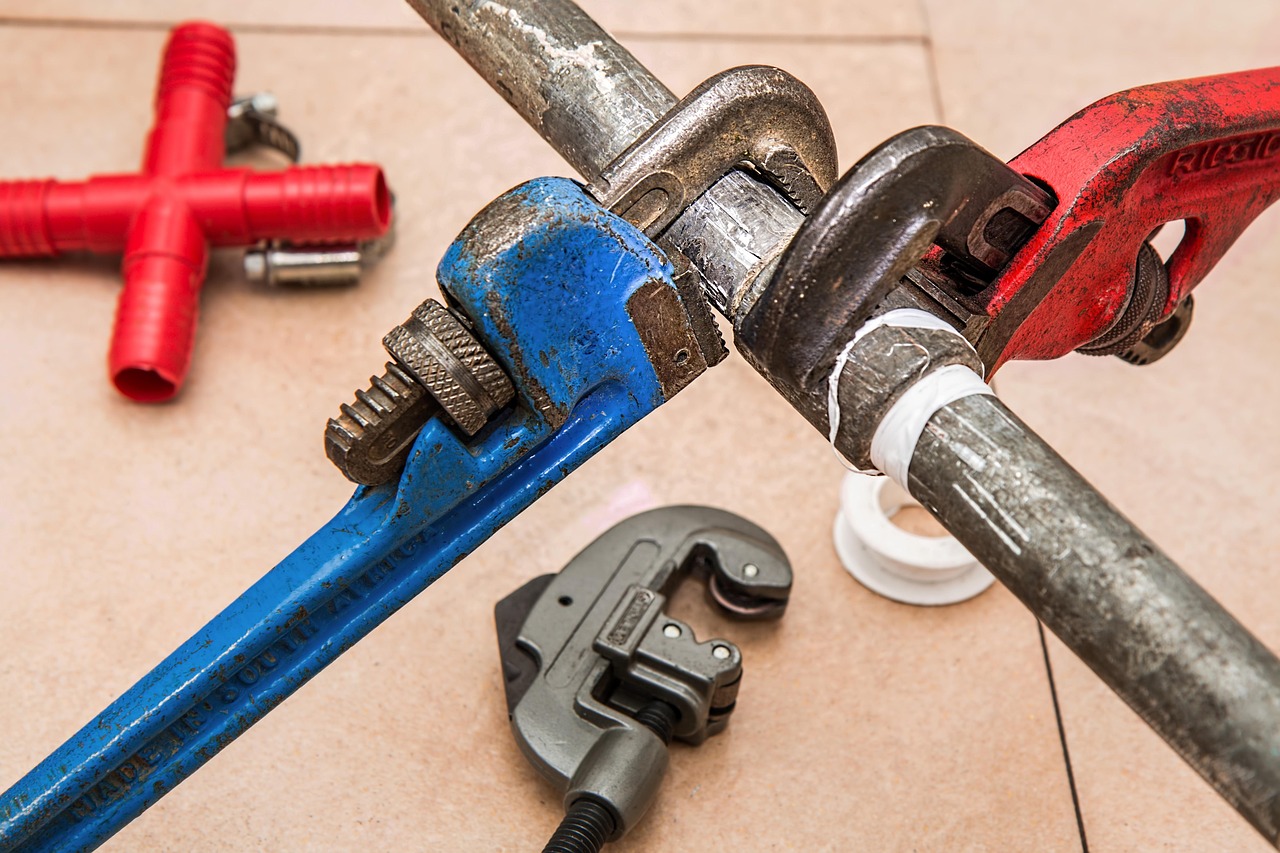
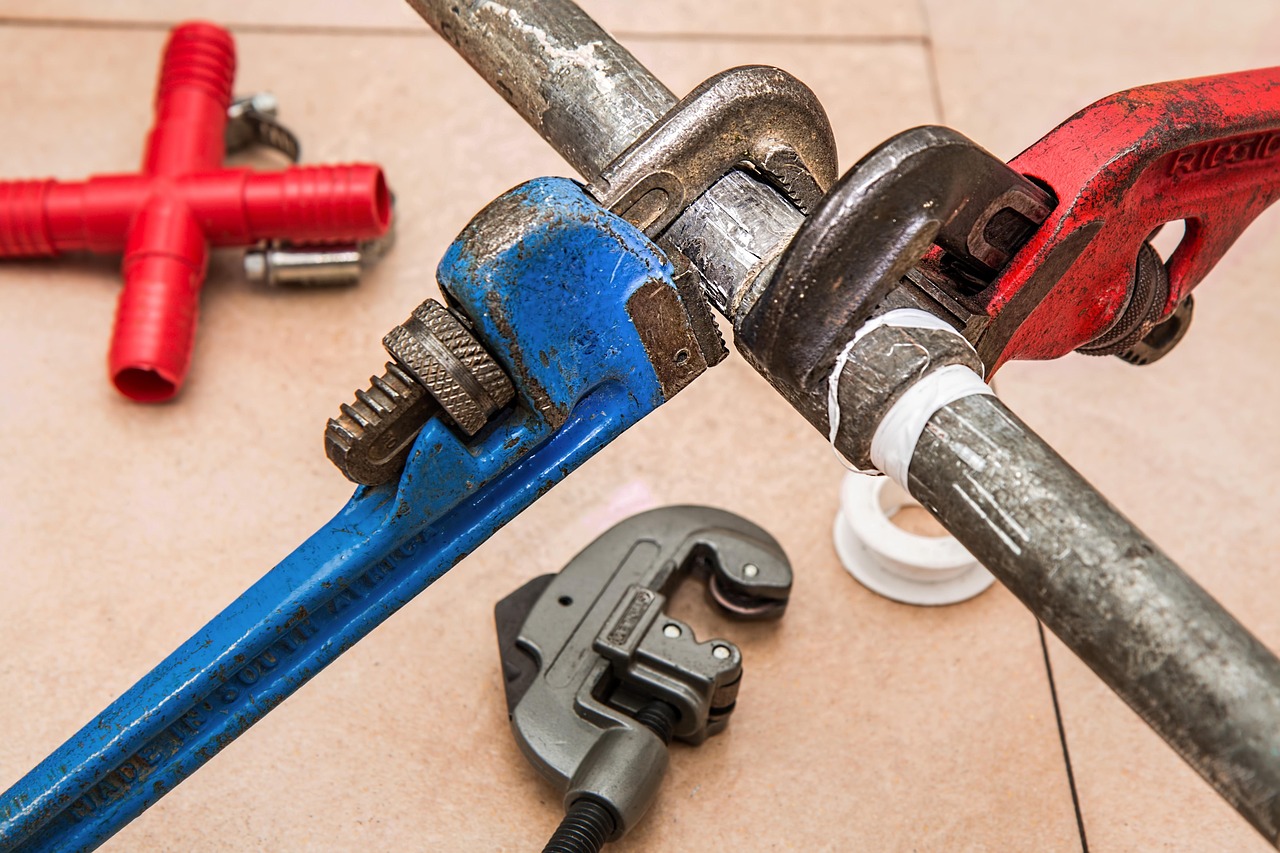
Start with a good quality adjustable wrench for tightening connections and removing stuck fittings. A pipe wrench is also valuable for outdoor faucet repairs. Include plumber’s tape (also known as Teflon tape) in your toolkit – this inexpensive material prevents leaks at threaded connections and is essential for any plumbing work.
A hose repair kit is another must-have item. These kits typically include replacement washers, clamps, and connectors that can fix common hose problems without requiring a complete replacement. Keep a few extra rubber washers on hand, as these small components are the most frequent culprits behind leaky connections.
Specialized Tools That Make a Difference
Beyond the basics, consider investing in a few specialized tools. A hose nozzle with multiple spray patterns not only improves watering efficiency but also reduces wear on your hose by controlling water pressure. A hose hanger or reel helps with proper storage and prevents kinking, which can damage the hose over time.
An outdoor faucet cover is essential for cold climates, providing insulation against freezing temperatures. For year-round convenience, a quick-connect system allows you to attach and detach hoses and accessories without threading connections, reducing wear on faucet threads.
💧 Understanding Your Outdoor Faucet: Types and Common Issues
Outdoor faucets, also called hose bibs or spigots, come in several varieties, and understanding which type you have helps with proper maintenance. The most common type is the standard compression faucet, which uses a rubber washer that compresses against a valve seat to stop water flow.
Frost-free (or freeze-proof) faucets are designed for cold climates and feature a long valve stem that keeps the shut-off valve inside the heated portion of your home. This design prevents freezing, but it requires proper installation and drainage to work effectively.
Ball valve faucets are less common but offer excellent durability and require less maintenance than compression types. These use a rotating ball with a hole through it to control water flow, providing a more reliable seal over time.
Identifying and Addressing Common Faucet Problems
Leaking is the most frequent outdoor faucet issue. If water drips from the spout when the faucet is off, you likely need to replace the washer inside the valve. If water leaks from around the handle, the packing nut may need tightening or the packing material may need replacement.
Low water pressure at your outdoor faucet often indicates sediment buildup in the aerator or valve. Removing and cleaning these components usually solves the problem. If the faucet makes loud noises or vibrates when turning water on or off, this could signal worn washers or loose pipes that need attention.
🌱 Garden Hose Care: Extending the Life of Your Investment
A quality garden hose represents a significant investment, but with proper care, it can serve you well for many years. The key to longevity lies in how you use, store, and maintain your hose throughout its lifetime.
Always avoid dragging your hose across rough surfaces like concrete or gravel, as this abrasion wears down the outer layer and can eventually cause leaks. Instead, move the hose by lifting and placing it, or invest in a hose cart for easier transportation across your yard.
Kinking is one of the most damaging things you can do to a garden hose. Each kink weakens the hose structure and can eventually cause cracks or splits. When using your hose, ensure it unrolls completely and lies flat without twists or sharp bends.
Proper Hose Storage Techniques
How you store your hose significantly impacts its lifespan. Never leave a hose lying in the sun for extended periods, as UV rays deteriorate rubber and plastic materials. After each use, drain the hose completely by disconnecting it from the faucet and walking it toward the storage location while allowing water to flow out.
Coiling your hose properly prevents kinks and tangles. Use large, loose loops rather than tight circles. A hose reel makes this process easier and provides organized storage that protects your hose from damage. Wall-mounted reels work well for smaller yards, while cart-style reels offer portability for larger properties.
❄️ Winterizing Your Outdoor Watering System
In regions where temperatures drop below freezing, winterizing your outdoor faucets and hoses is absolutely critical. Water expands when it freezes, and this expansion can crack pipes, burst faucets, and destroy hoses, leading to expensive repairs come spring.
Begin winterization by disconnecting all hoses from outdoor faucets before the first freeze. Drain each hose completely and store it in a garage, shed, or basement where temperatures remain above freezing. Even “freeze-resistant” hoses can be damaged by extreme cold, so indoor storage is always best.
After removing hoses, turn off the interior shut-off valve that supplies water to outdoor faucets. Open the outdoor faucet to allow any remaining water to drain out. Leave the outdoor faucet open throughout winter – this allows any residual water to expand without causing damage and signals that the faucet is intentionally shut off.
Installing and Using Faucet Covers
Outdoor faucet covers provide an extra layer of protection against freezing temperatures. These inexpensive insulated covers fit over your faucet and help maintain temperatures above freezing during cold snaps. They’re especially important for faucets that aren’t frost-free models.
Install covers before the first freeze and ensure they fit snugly around the faucet and the pipe extending from the wall. For added protection in extremely cold climates, stuff the cover with additional insulation like newspaper or bubble wrap before securing it in place.
🔍 Regular Inspection and Preventive Maintenance Schedule
Establishing a regular inspection routine helps you catch small problems before they become major headaches. A seasonal approach works well, with different tasks appropriate for different times of year.
In spring, conduct a thorough inspection after removing winter protection. Check outdoor faucets for leaks or damage that may have occurred during cold weather. Inspect stored hoses for cracks, splits, or weak spots. Turn on your watering system and check all connections for leaks.
During summer, monitor your system while it’s in regular use. Check hose connections weekly for drips or spray, which indicates worn washers. Inspect the hose itself for bulges, soft spots, or surface cracks. Ensure outdoor faucets aren’t showing signs of wear or looseness.
Fall and Winter Maintenance Tasks
Fall is the time to prepare for winter and address any issues you’ve noticed during the growing season. Replace any worn hoses or faucet components before cold weather arrives. Clean and lubricate faucet handles to ensure they operate smoothly. This is also an excellent time to upgrade to frost-free faucets if you live in a cold climate and currently have standard models.
Throughout winter, periodically check that faucet covers remain in place and that interior shut-off valves haven’t been accidentally turned on. If you notice ice formation around outdoor faucets, investigate immediately to ensure pipes aren’t freezing inside walls.
💡 Water Conservation Tips While Maintaining Your System
Proper maintenance of your outdoor watering system goes hand-in-hand with water conservation. A well-maintained system wastes less water and operates more efficiently, benefiting both your wallet and the environment.
Fix leaks promptly – even a small drip can waste hundreds of gallons over time. A faucet dripping once per second wastes approximately 3,000 gallons annually. Replacing a worn washer takes minutes and costs pennies but delivers significant water savings.
Use appropriate nozzles and attachments that deliver water efficiently to your plants. A nozzle with a shut-off feature prevents water waste when moving between garden areas. Soaker hoses or drip irrigation systems attached to your outdoor faucet deliver water directly to plant roots with minimal evaporation or runoff.
Smart Watering Practices
Water your garden during early morning or evening hours when evaporation is minimal. This practice maximizes the water that reaches plant roots rather than evaporating into the air. Check your hose connections before each watering session to ensure you’re not losing water through leaks.
Consider using a timer or smart watering controller that attaches to your outdoor faucet. These devices prevent overwatering and ensure you don’t forget to turn off the water, which can waste thousands of gallons in a single incident.
🛠️ DIY Repairs vs. When to Call a Professional
Many outdoor faucet and hose repairs are well within the capabilities of average homeowners. Replacing washers, tightening connections, and patching small hose leaks are straightforward tasks that require minimal tools and expertise.
Replacing a faucet washer is one of the easiest repairs. Turn off the water supply, remove the handle and packing nut, pull out the stem, and replace the washer at the end. Reassemble in reverse order. This repair takes about 15 minutes and costs less than a dollar in materials.
Repairing a split or leaking hose is also manageable. Cut out the damaged section and use a hose mender to reconnect the pieces. For leaks at the ends, replace the coupling using a hose repair kit. These repairs can extend your hose’s life by years.
Recognizing When Professional Help Is Needed
Some situations require professional plumbers. If your outdoor faucet leaks from inside the wall, you may have a pipe problem that needs expert diagnosis. Frozen pipes that have burst require immediate professional attention to prevent water damage.
Installing a new frost-free faucet or replacing a standard faucet with an anti-siphon model involves soldering or threading pipes inside walls. Unless you’re experienced with plumbing, these jobs are best left to professionals. The same applies to any situation involving your home’s main water supply or interior plumbing connections.
🌟 Upgrading Your Outdoor Watering System
Sometimes the best maintenance decision is upgrading to better equipment. Modern outdoor faucets and hoses offer significant advantages over older models in terms of durability, functionality, and water efficiency.
Consider upgrading to a heavy-duty rubber hose if you currently use a vinyl model. Rubber hoses resist kinking better, withstand higher water pressure, and typically last much longer. Look for hoses with brass fittings rather than plastic, as these provide better seals and resist stripping.
Anti-siphon faucets prevent contaminated water from flowing back into your home’s water supply, an important safety feature when mixing fertilizers or pesticides. These faucets include a vacuum breaker that allows air into the line, preventing backflow even when a hose end is submerged.
Modern Convenience Features Worth Considering
Quick-connect systems eliminate the need to thread hoses onto faucets, making connection and disconnection effortless while reducing wear on both components. Once you install the base connector on your faucet, attachments snap on and off with a simple push or pull.
Expandable hoses offer space-saving storage and lightweight handling while providing adequate length when pressurized. However, these require more careful handling than traditional hoses and may not be suitable for all applications. They work well for light-duty watering but may not withstand heavy use or high pressure.
🎯 Creating Your Personal Maintenance Checklist
Developing a personalized maintenance schedule ensures you don’t overlook important tasks. Your specific checklist will depend on your climate, how frequently you use your outdoor watering system, and the age of your equipment.
Start by noting the dates for seasonal tasks: spring start-up inspection, monthly summer checks, fall winterization, and winter monitoring. Add specific tasks under each timeframe based on your equipment and local conditions. Keep this checklist in a visible location or set reminders on your phone to ensure you stay on schedule.
Document your maintenance activities, including repairs, part replacements, and any issues you notice. This record helps you identify patterns, such as a connection that repeatedly develops leaks, indicating it might need replacement rather than repeated repairs. Your documentation also proves valuable when deciding whether to repair or replace aging equipment.
💪 Protecting Your Investment for Years to Come
Your outdoor watering system represents a practical investment in your home and garden. With proper care, quality hoses can last a decade or more, and well-maintained outdoor faucets can function flawlessly for even longer.
The key to longevity is consistency. Regular inspections take only minutes but prevent hours of repair work and costly water damage. Proper storage protects your equipment from environmental damage. Prompt repairs of small issues prevent them from becoming major problems.
Remember that outdoor faucets and hoses work as a system. A damaged hose washer can cause excessive pressure that stresses your faucet. A leaking faucet wastes water that your hose could deliver to thirsty plants. By maintaining both components properly, you ensure efficient operation and maximum lifespan.
Start implementing these maintenance practices today, and you’ll enjoy reliable outdoor water access for all your gardening, cleaning, and recreational needs. Your well-maintained system will be ready whenever you need it, from watering spring seedlings to filling summer pools to washing autumn leaves off walkways. The time you invest in proper care pays dividends in convenience, savings, and peace of mind throughout every season.