Flat-pack furniture has revolutionized how we furnish our homes, offering affordable and stylish solutions that arrive at your doorstep in compact boxes. However, the assembly process can quickly turn from exciting to frustrating without the right equipment.

The difference between a smooth assembly experience and hours of struggle often comes down to having the proper tools at your disposal. Whether you’re a first-time furniture builder or someone who regularly tackles DIY projects, understanding which tools are essential can transform your flat-pack assembly journey into a rewarding and efficient process that saves both time and sanity.
🔧 Why Having the Right Tools Makes All the Difference
Many people attempt to assemble flat-pack furniture using only the basic Allen key provided in the box, often leading to stripped screws, sore hands, and improperly tightened connections. Professional-grade tools not only speed up the process but also ensure your furniture is assembled correctly, safely, and will last for years to come.
The investment in quality assembly tools pays dividends over time. Consider that the average household purchases flat-pack furniture multiple times throughout their living situation, whether moving to a new apartment, updating a room, or furnishing a home office. With proper tools, what might take three frustrating hours can be completed in under one hour with better results.
Essential Power Tools That Transform Assembly Speed
Cordless Electric Screwdriver: Your Best Friend
A cordless electric screwdriver is arguably the most valuable tool for flat-pack furniture assembly. These compact power tools eliminate the repetitive hand motion that causes fatigue and drastically reduce assembly time. Look for models with adjustable torque settings to prevent over-tightening, which can strip threads or crack particleboard.
When selecting an electric screwdriver, prioritize battery life and ergonomic design. Models with LED lights are particularly useful for seeing into dark corners of furniture pieces. A quality electric screwdriver typically ranges from $30 to $80 and will serve you well across hundreds of assembly projects.
Impact Driver for Stubborn Connections
For larger furniture pieces with challenging connections, an impact driver provides extra torque without requiring excessive pressure from your hand. This tool is particularly useful for driving large screws into solid wood components or when working with dense materials. The hammering action of an impact driver prevents cam-out and makes quick work of tasks that would otherwise strain your wrists.
Hand Tools That Provide Precision and Control
Quality Hex Key Set: Beyond the Included Allen Wrench
While flat-pack furniture comes with basic Allen keys, investing in a comprehensive hex key set with T-handles or L-shaped designs provides significantly better leverage and control. T-handle hex keys allow you to apply more torque comfortably and reach recessed areas that standard keys cannot access effectively.
A complete metric and imperial hex key set ensures compatibility with various furniture brands and models. Sets with ball-end hex keys are particularly valuable, allowing you to approach screws at angles when direct access is challenging.
Adjustable Wrench and Socket Set
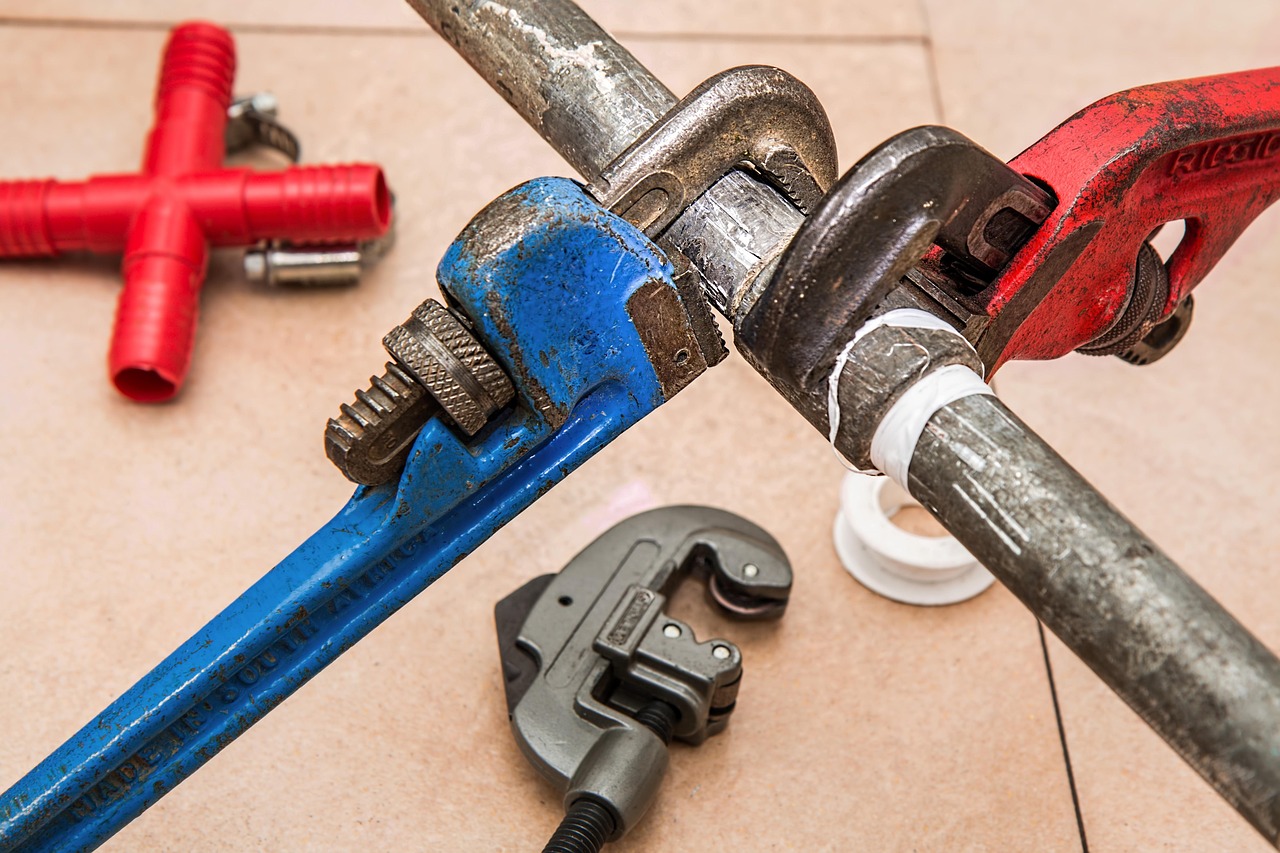
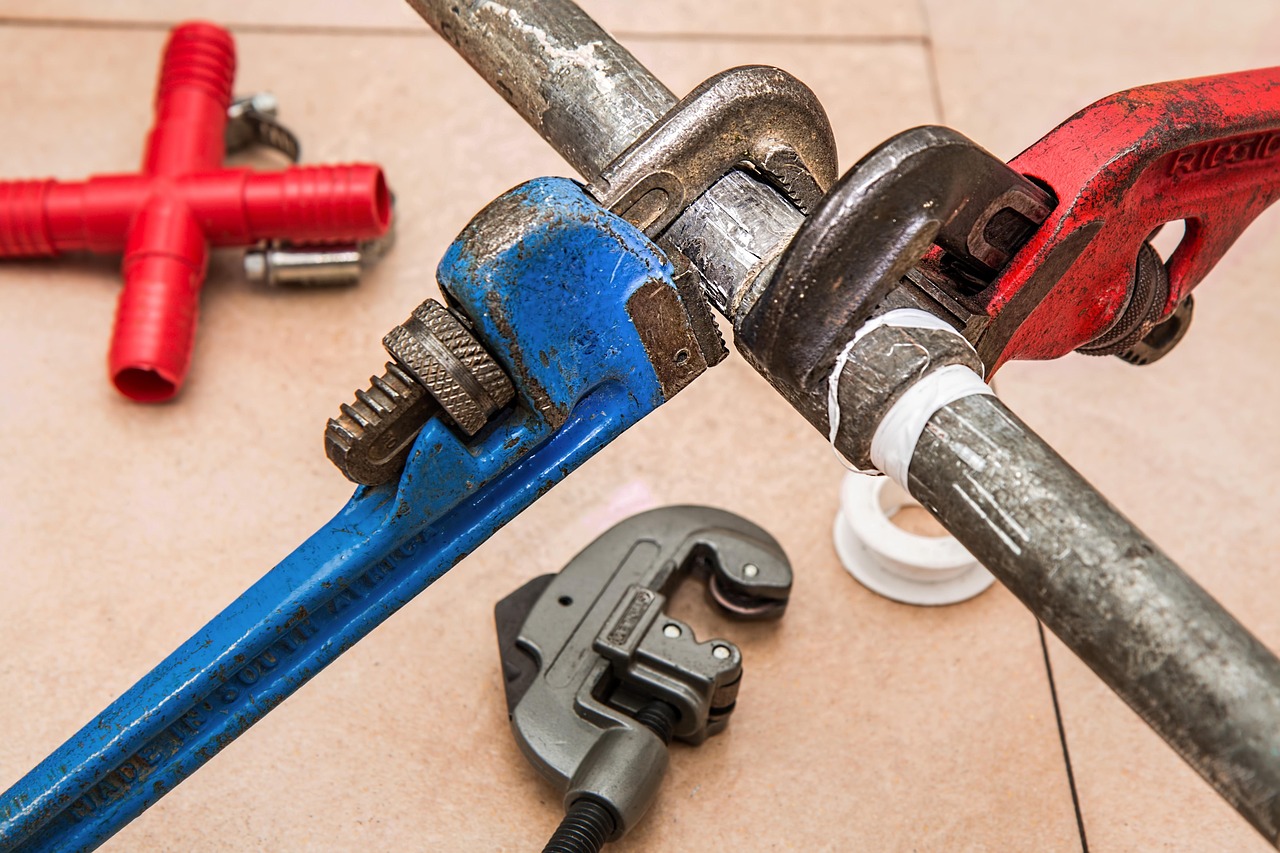
Many flat-pack designs incorporate bolts and nuts that require wrenches for proper tightening. An adjustable wrench eliminates the need for multiple fixed-size wrenches, while a compact socket set with a ratchet handle provides speed and convenience for repetitive bolt-tightening tasks.
Choose a socket set that includes both deep and shallow sockets to accommodate various bolt lengths and recessed positions. A magnetic socket holder prevents frustrating drops and keeps hardware organized during assembly.
Measurement and Alignment Tools for Perfect Results
Laser Level: Ensuring Everything is Straight ✨
Nothing ruins the appearance of assembled furniture like crooked shelves or misaligned components. A compact laser level projects horizontal and vertical lines, ensuring perfect alignment during assembly. This tool is especially valuable when installing wall-mounted units, floating shelves, or multi-piece entertainment centers.
Modern laser levels are affordable and battery-powered, with many models featuring magnetic bases that attach to metal surfaces for hands-free operation. This investment prevents the common mistake of relying solely on visual estimation, which often results in noticeably uneven installations.
Measuring Tape and Carpenter’s Square
A reliable 25-foot measuring tape is indispensable for checking dimensions before assembly and ensuring furniture fits in designated spaces. Combine this with a carpenter’s square to verify right angles and check that corners are properly aligned before final tightening.
Digital measuring tools have become increasingly popular, offering features like memory storage and calculation functions. However, a traditional measuring tape remains the most practical option for most furniture assembly scenarios.
Protective Tools That Prevent Damage and Injury
Rubber Mallet: The Gentle Persuader
Wooden dowels and cam locks often require firm pressure to seat properly, but using a standard hammer risks damaging surfaces. A rubber mallet delivers sufficient force to connect stubborn joints without leaving marks or dents on visible surfaces.
The soft striking surface of a rubber mallet is particularly important when working with veneer-finished furniture, where even minor surface damage can be permanently visible. This tool should be part of every furniture assembler’s kit, costing less than $15 but preventing hundreds in potential damage.
Safety Equipment That Protects You
While often overlooked, basic safety equipment protects against common assembly injuries. Work gloves with padded palms prevent blisters during extended assembly sessions and protect hands from sharp edges on metal components. Safety glasses shield eyes from debris when drilling pilot holes or cutting packaging.
A kneeling pad or cushion protects knees during floor-level assembly work, preventing soreness that can linger for days after completing a project. These simple protective items cost little but significantly improve the assembly experience.
Organization Tools That Streamline the Process 📦
Magnetic Parts Tray and Organizer
Flat-pack furniture typically includes dozens of small screws, bolts, washers, and specialty hardware that can easily become mixed up or lost. A magnetic parts tray keeps metal hardware secure and organized, preventing the frustrating search for dropped screws under furniture or in carpet fibers.
Multi-compartment organizers with labels allow you to sort hardware by type or assembly stage, following the instruction manual’s grouping. This organization system prevents using the wrong fastener, which is a common source of assembly errors that require disassembly and correction.
Smartphone Holder for Instruction Access
Modern assembly instructions are increasingly digital, accessed via QR codes or manufacturer apps. A simple smartphone holder keeps instructions visible and at eye level, eliminating the need to repeatedly pick up your phone or flip through paper manuals with dirty hands.
Some furniture manufacturers now offer augmented reality assembly apps that overlay digital instructions onto your physical workspace. These technological aids work best when your smartphone is positioned on a stable holder rather than being handheld throughout the process.
Specialized Tools for Advanced Assembly Challenges
Right-Angle Drill Attachment
When assembling furniture with deep cabinets or tight internal spaces, standard drill angles cannot always access necessary screw locations. A right-angle drill attachment converts your straight drill into a tool capable of working in confined spaces, essential for certain bookshelf and cabinet designs.
This attachment is particularly valuable for pre-drilling pilot holes in hard-to-reach areas, preventing wood splitting and ensuring screws drive cleanly even in awkward positions.
Furniture Assembly Tool Kit
Several manufacturers now produce specialized furniture assembly tool kits that combine the most commonly needed implements in one convenient package. These kits typically include various hex keys, a ratcheting screwdriver with interchangeable bits, a small hammer, and a measuring tape.
While purchasing tools individually offers more flexibility and quality options, pre-packaged furniture assembly kits provide an economical starting point for those new to DIY projects or who assemble furniture infrequently.
Creating Your Perfect Assembly Workspace
Having the right tools is only part of the equation—your workspace significantly impacts assembly success. Clear a large, flat area with good lighting where you can lay out all components and hardware before beginning. A clean drop cloth or large cardboard sheets protect flooring from scratches while providing a clean surface that prevents hardware from rolling away.
Position your workspace near electrical outlets if using cordless tools that may need mid-project charging. Adequate space allows you to organize components logically and compare parts to instruction diagrams without constant rearranging.
Pro Tips for Efficient Flat-Pack Assembly 💡
Before picking up any tools, inventory all parts against the instruction manual’s parts list. This crucial step identifies missing or damaged components before you invest time in partial assembly. Take photos of each assembly stage, especially complex connection points, which serves as helpful reference if disassembly becomes necessary.
Resist the temptation to fully tighten connections until the entire piece is assembled. Hand-tight connections allow for adjustment and alignment correction, preventing the frustration of loosening dozens of screws to fix one misaligned component. Only perform final tightening once you’ve verified all parts fit together correctly.
When working with a partner, establish clear communication about who handles which components. One person reading instructions while another performs assembly creates an efficient workflow that minimizes errors and speeds completion time.
Maintaining Your Assembly Tools for Longevity
Quality tools represent an investment that deserves proper care. After each project, clean tools to remove sawdust, adhesive residue, and fingerprints. Store cordless tools with batteries removed to extend battery life, and keep all tools in a dedicated container or toolbox that protects them from moisture and impacts.
Periodically check power tools for loose screws, worn bits, and battery health. Replace drill and driver bits when they show signs of wear, as dull or damaged bits increase the risk of stripping screws or damaging furniture components. A small amount of preventive maintenance ensures your tools remain reliable for years of assembly projects.
Budget-Friendly Tool Acquisition Strategy
Building a comprehensive tool collection doesn’t require emptying your wallet immediately. Prioritize the most frequently used items first—an electric screwdriver and quality hex key set provide the greatest immediate impact on assembly efficiency. Gradually add specialized tools as you encounter projects that genuinely require them.
Watch for seasonal sales at hardware stores, particularly around major holidays when tool sets often receive significant discounts. Consider quality used tools from reputable resale platforms, as many hand tools remain functional for decades with proper care. Avoid extremely cheap tools that sacrifice durability for low prices, as these often fail during critical assembly moments and require replacement.
When Professional Help Makes More Sense
Despite having excellent tools, some furniture assembly projects exceed reasonable DIY scope. Extremely large wardrobes, complex modular office systems, or furniture requiring wall anchoring in concrete may justify professional assembly services. Many furniture retailers offer assembly services at reasonable rates, and independent handyperson services provide flexible scheduling.
Calculate your time value when deciding between DIY and professional assembly. If a project will consume an entire weekend and cause significant frustration, the cost of professional assembly may represent excellent value, freeing your time for other priorities.
Embracing the Satisfaction of Successful Assembly 🎉
There’s genuine satisfaction in transforming a stack of flat boards and a bag of hardware into functional, attractive furniture. With the right tools, this process becomes accessible and even enjoyable rather than a dreaded chore. Each successful assembly builds confidence and skill, making subsequent projects progressively easier and faster.
The tools discussed in this guide represent a foundation for tackling any flat-pack furniture challenge with confidence. Start with the essentials, learn proper techniques, and gradually expand your toolkit as your DIY ambitions grow. The combination of quality tools and thoughtful technique transforms furniture assembly from frustrating puzzle into rewarding accomplishment.
Your assembled furniture will stand as testament to your capability and independence, all while saving the considerable expense of professional assembly services. More importantly, you’ll possess the skills and tools to maintain, repair, and modify your furniture as needs change over time, maximizing the value of every flat-pack purchase you make.