Moving into a new home is an exciting milestone, but it comes with responsibilities that require the right tools. Whether you’re a first-time homeowner or upgrading to a larger space, having essential tools ready ensures you can handle everyday maintenance and unexpected repairs with confidence.

The difference between a smoothly running household and constant frustration often lies in having the proper equipment at your fingertips. From hanging picture frames to fixing a leaky faucet, the right toolkit empowers you to tackle projects independently, save money on professional services, and maintain your investment properly.
🔨 The Foundation: Basic Hand Tools Every Home Needs
Your journey as a homeowner begins with assembling a core collection of hand tools that form the backbone of any home toolkit. These fundamental implements will handle approximately 80% of common household tasks you’ll encounter.
Hammers and Screwdrivers: Your Daily Workhorses
A quality 16-ounce claw hammer should be your first purchase. This versatile tool drives nails, removes them, and provides leverage for various prying tasks. Look for models with comfortable rubber grips and balanced weight distribution to reduce hand fatigue during extended use.
Screwdrivers deserve special attention since they’re among the most frequently used tools in any home. Rather than buying individual pieces, invest in a comprehensive screwdriver set containing both Phillips and flathead varieties in multiple sizes. Magnetic tips prove invaluable for holding screws in tight spaces, while cushioned handles prevent blisters during repetitive work.
Measuring and Marking Tools for Precision Work
Accurate measurements separate professional-looking results from amateur mistakes. A 25-foot retractable tape measure handles most household measuring tasks, from furniture placement to material calculations. Complement this with a quality level—both torpedo and longer carpenter’s levels serve different purposes and are worth having.
Don’t overlook marking tools. Pencils, permanent markers, and chalk lines help you plan cuts and installations accurately. A combination square adds versatility for checking angles and marking straight lines along boards.
🔧 Power Tools That Multiply Your Capabilities
While hand tools remain essential, strategic power tool investments exponentially increase the range and efficiency of projects you can tackle. These motorized helpers transform hours of manual labor into minutes of efficient work.
The Cordless Drill: Your Most Versatile Power Tool
If you only purchase one power tool, make it a cordless drill-driver. This multifunctional device drills holes, drives screws, and with the right attachments, performs dozens of specialized tasks. Modern lithium-ion battery technology provides consistent power throughout the charge cycle without the memory effect of older battery types.
Choose a model with variable speed control and at least 18 volts of power for adequate torque. A two-battery system ensures you’re never waiting for a recharge mid-project. Invest in a quality drill bit set covering metal, wood, and masonry applications along with an assortment of driver bits for various screw types.
Saws for Cutting and Shaping Materials
A circular saw opens possibilities for cutting lumber, plywood, and other sheet materials quickly and accurately. For homeowners tackling basic projects, a corded 7¼-inch circular saw offers excellent value and unlimited runtime. Pair this with a hand saw for detailed work and situations where power tools prove impractical.
As your skills develop, consider adding a jigsaw to your arsenal. This versatile tool excels at curved cuts, interior cutouts, and delicate work where a circular saw would be overkill.
⚡ Electrical Testing and Safety Equipment
Understanding your home’s electrical system ranks among the most important safety considerations for new homeowners. Basic electrical tools allow you to identify problems before they become hazards and perform simple repairs within safe parameters.
Voltage Testers and Multimeters
A non-contact voltage tester should occupy a prominent place in your toolkit. This inexpensive device detects live electrical current without touching exposed wires, preventing potentially fatal shocks. Before working on any electrical component, use this tester to verify power is truly disconnected.
For more detailed electrical diagnostics, a basic multimeter measures voltage, current, and resistance. This tool helps troubleshoot malfunctioning outlets, test batteries, and verify proper grounding—skills that save hundreds in unnecessary service calls.
Circuit Breaker Finder and GFCI Tester
Identifying which circuit breaker controls specific outlets or fixtures eliminates dangerous guesswork. A circuit breaker finder consists of a transmitter that plugs into an outlet and a receiver that identifies the corresponding breaker in your panel.
GFCI outlets protect against electrocution in wet areas like bathrooms and kitchens. A simple GFCI tester confirms these critical safety devices function properly, an essential check every homeowner should perform quarterly.
🚰 Plumbing Tools for Common Water Issues
Plumbing emergencies rarely announce themselves during business hours. Having appropriate plumbing tools enables you to address urgent issues immediately and perform routine maintenance that prevents costly problems.
Plungers and Drain Augers
Every bathroom and kitchen needs a quality plunger nearby. Contrary to popular belief, not all plungers work equally well for all drains. Cup plungers with flat bottoms suit sinks, while flange plungers with extended rubber pieces effectively seal toilet drains.
When plunging fails, a drain auger (also called a snake) physically breaks through clogs that resist other methods. Hand-crank models handle most household drains, while closet augers specifically designed for toilets prevent damage to porcelain surfaces.
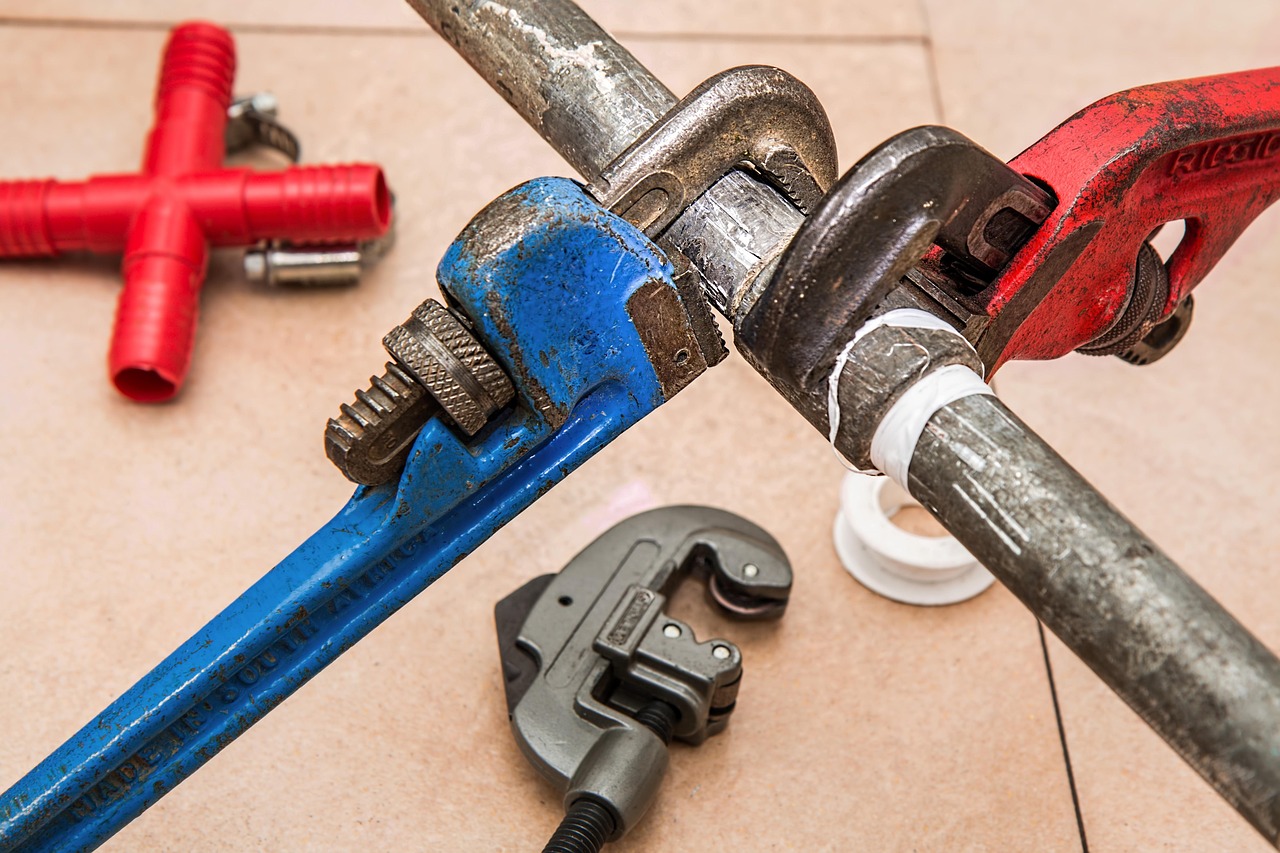
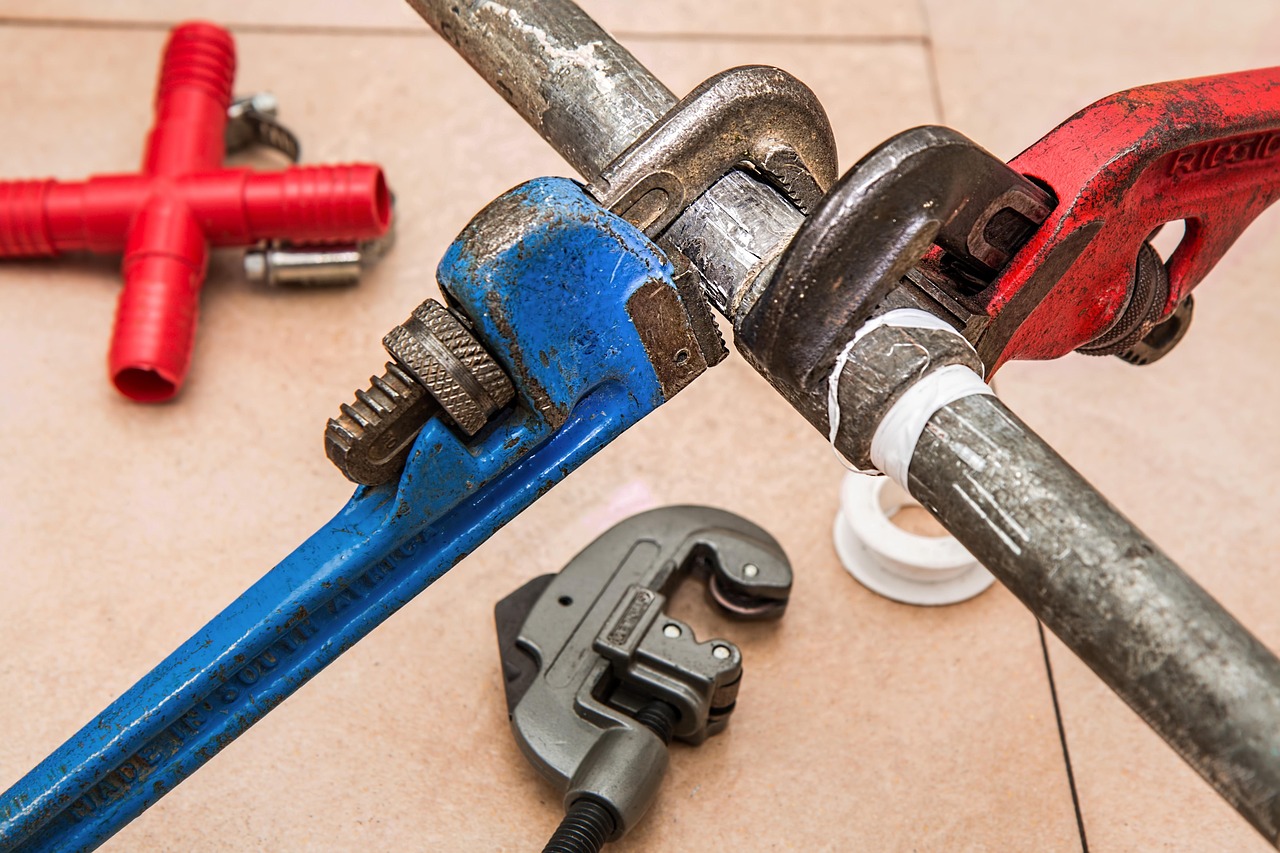
Adjustable Wrenches and Pipe Wrenches
An adjustable wrench provides a secure grip on hex-shaped nuts and bolts found throughout plumbing fixtures. A 10-inch model handles most residential applications, though a 6-inch version proves useful in confined spaces.
For threaded pipes, a dedicated pipe wrench offers superior grip through its toothed jaws. While not needed daily, this specialized tool becomes indispensable when dealing with stubborn connections or replacing fixtures.
🎨 Painting and Finishing Supplies
Fresh paint dramatically transforms living spaces at relatively low cost. Maintaining proper painting equipment ensures professional-looking results and extends the usable life of your supplies.
Brushes, Rollers, and Application Tools
Quality brushes outlast cheap alternatives by years and provide smoother finishes with less effort. Purchase a 2½-inch angled sash brush for trim work and a 3-inch brush for larger surfaces. Synthetic bristles work well with latex paints, while natural bristles suit oil-based products.
Roller frames with extension poles allow you to paint ceilings and walls without constant ladder repositioning. Keep assorted roller covers on hand—different nap lengths accommodate smooth walls, textured surfaces, and rough exteriors.
Surface Preparation Equipment
Outstanding paint jobs begin with proper surface preparation. Putty knives in various widths smooth spackling compound and scrape loose paint. Sandpaper assortments from coarse to fine grits prepare surfaces for optimal paint adhesion.
Drop cloths protect floors and furniture from inevitable drips and spills. Canvas versions outlast disposable plastic alternatives and provide better protection against paint seepage.
🔍 Inspection and Diagnostic Tools
Identifying problems early prevents minor issues from escalating into expensive repairs. Diagnostic tools help you monitor your home’s systems and spot warning signs before failures occur.
Flashlights and Inspection Mirrors
Reliable lighting illuminates dark corners, crawl spaces, and electrical panels. LED flashlights provide bright, energy-efficient illumination, while headlamps keep your hands free during detailed work. Magnetic work lights attach to metal surfaces, positioning light exactly where needed.
Telescoping inspection mirrors reveal hidden areas behind appliances, inside wall cavities, and beneath fixtures without destructive disassembly. These simple tools often save significant time and expense during troubleshooting.
Moisture Meters and Stud Finders
Hidden moisture causes rot, mold, and structural damage before visible signs appear. An electronic moisture meter detects elevated moisture levels in wood, drywall, and masonry, helping you address water intrusion before serious damage occurs.
Stud finders locate framing members behind finished walls, ensuring heavy items mount to solid support rather than just drywall. Modern models also detect electrical wiring and plumbing, preventing costly mistakes during installation projects.
🛠️ Specialized Tools for Specific Tasks
Beyond general-purpose tools, certain specialized implements handle specific tasks more effectively than improvised solutions. These targeted tools justify their cost through superior results and expanded capabilities.
Caulking Gun and Applicators
Proper caulking prevents water intrusion, improves energy efficiency, and maintains your home’s weather-tight envelope. A quality caulking gun provides smooth, consistent bead application with less hand fatigue than cheaper alternatives.
Keep multiple caulk types on hand: silicone for wet areas, latex for interior gaps, and exterior-grade formulations for outdoor applications. A caulk finishing tool creates professional-looking joints with minimal practice.
Wire Strippers and Terminal Crimpers
Even homeowners avoiding major electrical work benefit from basic wire preparation tools. Wire strippers cleanly remove insulation without damaging conductors, essential for replacing switches, outlets, and light fixtures safely.
Terminal crimpers create secure connections for low-voltage applications like doorbell systems, landscape lighting, and automotive repairs. These connections prove more reliable than twist-on connectors in vibration-prone applications.
🧰 Tool Storage and Organization Solutions
The best tool collection becomes frustrating without proper organization. Efficient storage systems protect your investment while ensuring tools remain accessible when needed.
Toolboxes and Tool Bags
A portable toolbox or tool bag keeps frequently used items together for quick response to household issues. Choose models with multiple compartments to prevent smaller items from getting lost among larger tools.
For stationary storage, a rolling tool chest or wall-mounted pegboard system maximizes organization while protecting tools from moisture and damage. Clear labeling systems help family members return borrowed tools to proper locations.
Maintenance and Care Practices
Regular maintenance extends tool lifespan significantly. Clean tools after each use, removing dirt, sawdust, and moisture that accelerate corrosion. Apply light machine oil to metal surfaces and moving parts to prevent rust.
Sharp cutting tools perform better and prove safer than dull alternatives. Learn basic sharpening techniques for chisels, drill bits, and saw blades, or establish relationships with professional sharpening services for items requiring specialized equipment.
📱 Digital Tools and Smart Home Integration
Modern homeownership increasingly incorporates digital solutions alongside traditional tools. Smart devices and applications enhance monitoring capabilities and provide remote control over home systems.
Home maintenance apps help schedule routine tasks, track warranty information, and store important documents digitally. These platforms prevent forgotten maintenance that leads to premature system failures and voided warranties.
Smart sensors monitor temperature, humidity, and water presence, alerting you to developing problems via smartphone notifications. This technology allows early intervention before minor issues become major disasters, particularly valuable when traveling or managing rental properties.
💡 Building Your Toolkit Strategically
Assembling a complete home toolkit represents a significant investment, but strategic purchasing spreads costs over time while prioritizing immediate needs. Begin with essential hand tools and add specialized equipment as projects require.
Quality Versus Budget Considerations
Tool quality directly impacts results, safety, and longevity. Professional-grade tools justify higher initial costs through superior performance and durability, particularly for frequently used items. However, occasional-use specialty tools may not warrant premium pricing for typical homeowner needs.
Research brand reputations and read reviews from actual users rather than relying solely on price as a quality indicator. Mid-range tools from reputable manufacturers often provide excellent value, balancing performance with affordability.
Timing Purchases Around Projects
Coordinate tool purchases with planned projects to spread investment costs while ensuring you have necessary equipment when needed. Holiday sales, particularly around Father’s Day and Black Friday, offer significant savings on quality tools.
Consider borrowing expensive specialty tools for one-time projects or renting from home improvement stores. This approach prevents cluttering your storage with rarely used equipment while accessing professional-grade tools when specific projects demand them.

🏡 Empowering Your Homeownership Journey
Your toolkit grows alongside your skills and confidence as a homeowner. Each successfully completed project builds competence, transforming intimidating tasks into manageable challenges you approach with assurance.
The tools described here form a solid foundation for maintaining and improving your home independently. While professional assistance remains appropriate for complex systems and code-regulated work, your expanded capabilities reduce dependency on service calls for routine maintenance and minor repairs.
Remember that the most important tool in any collection is knowledge. Take time to learn proper techniques, understand safety protocols, and recognize situations exceeding your skill level. Numerous online resources, community workshops, and home improvement store clinics provide free education helping you maximize your toolkit’s potential.
As your home maintenance journey progresses, you’ll discover which tools you reach for repeatedly and which collect dust. This experience guides future purchases, ensuring your toolkit evolves to match your actual needs rather than theoretical requirements. The satisfaction of solving problems independently, maintaining your investment properly, and continuously developing new skills makes every tool purchase an investment in your growth as a capable, confident homeowner.