Taking on your own plumbing repairs doesn’t have to feel overwhelming. With the right tools at your disposal, you can handle common household plumbing issues confidently and save money in the process.

Whether you’re dealing with a leaky faucet, a clogged drain, or installing new fixtures, having essential plumbing tools ready means you’ll be prepared when problems arise. This guide walks you through the must-have tools every beginner needs to simplify repairs and tackle DIY plumbing projects like a pro.
🔧 Why Every Homeowner Should Have Basic Plumbing Tools
Plumbing emergencies rarely happen at convenient times. When a pipe starts leaking at midnight or your toilet won’t stop running on a holiday weekend, waiting for a professional plumber can be costly and stressful. Having your own set of basic plumbing tools allows you to address minor issues immediately, preventing them from escalating into major disasters.
Beyond emergency situations, maintaining your plumbing system regularly helps extend its lifespan and keeps your home running smoothly. Simple tasks like replacing washers, tightening connections, and clearing minor clogs are well within reach for beginners who have the proper equipment.
Investing in quality plumbing tools pays for itself quickly. The average service call for a plumber can cost anywhere from $100 to $300, not including parts or repairs. Many common plumbing fixes require less than an hour of work and minimal expertise once you understand the basics.
Essential Hand Tools for Plumbing Beginners
Adjustable Wrench: Your Versatile Companion
An adjustable wrench ranks among the most versatile tools in any plumbing toolkit. This tool features a movable jaw that accommodates various nut and bolt sizes, making it perfect for tightening or loosening connections on faucets, supply lines, and shut-off valves.
For beginners, having two adjustable wrenches in different sizes proves extremely helpful. A 10-inch wrench handles most general tasks, while a 6-inch version works better in tight spaces. Look for wrenches with comfortable grips and smooth adjustment mechanisms that won’t slip during use.
Basin Wrench: Reaching the Unreachable
Few tools cause as much frustration for DIY plumbers as trying to reach nuts behind sinks and toilets. A basin wrench solves this problem with its long shaft and swiveling jaw designed specifically for accessing fasteners in cramped spaces.
This specialized tool becomes invaluable when replacing faucets or tightening supply line connections. The self-ratcheting jaw grips nuts firmly, and the extended handle provides the leverage needed to work in awkward positions beneath sinks.
Pipe Wrench: Heavy-Duty Gripping Power
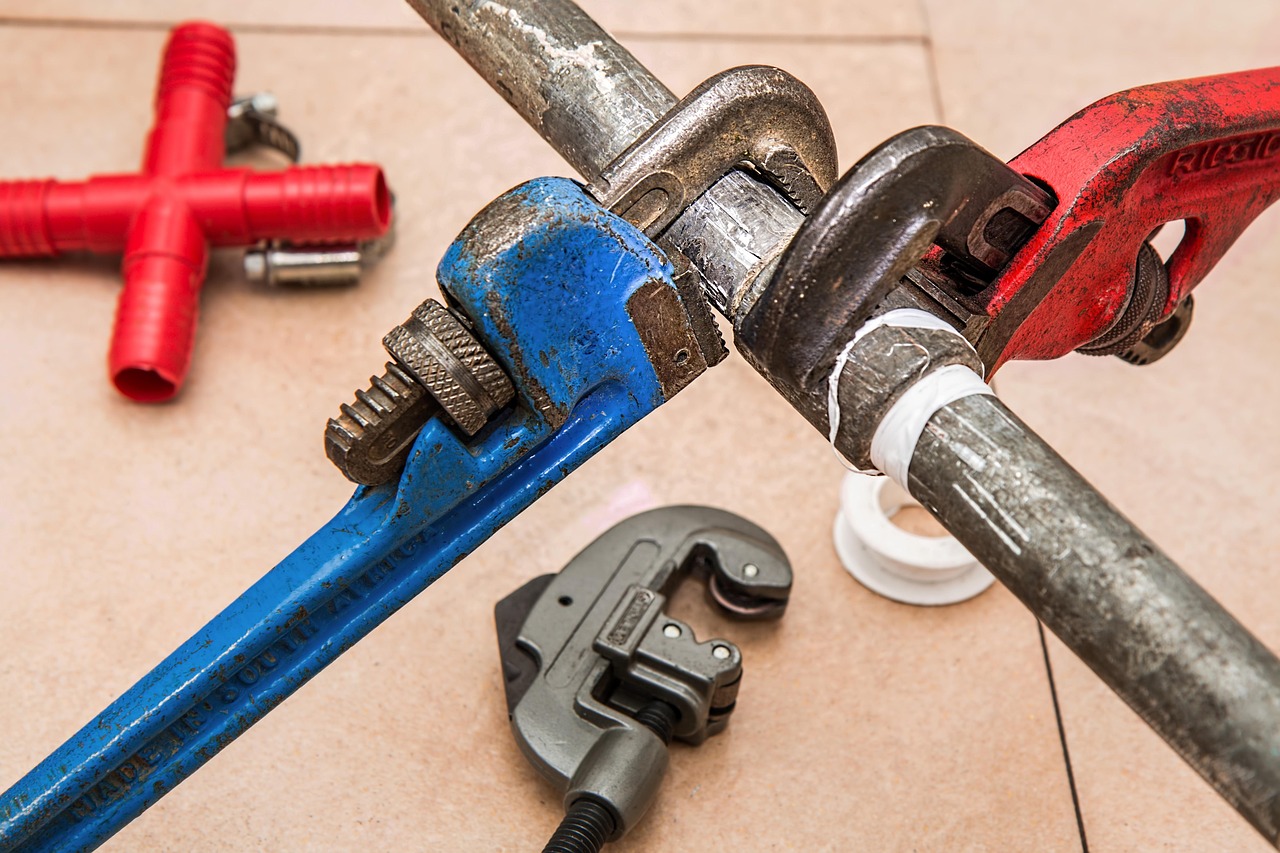
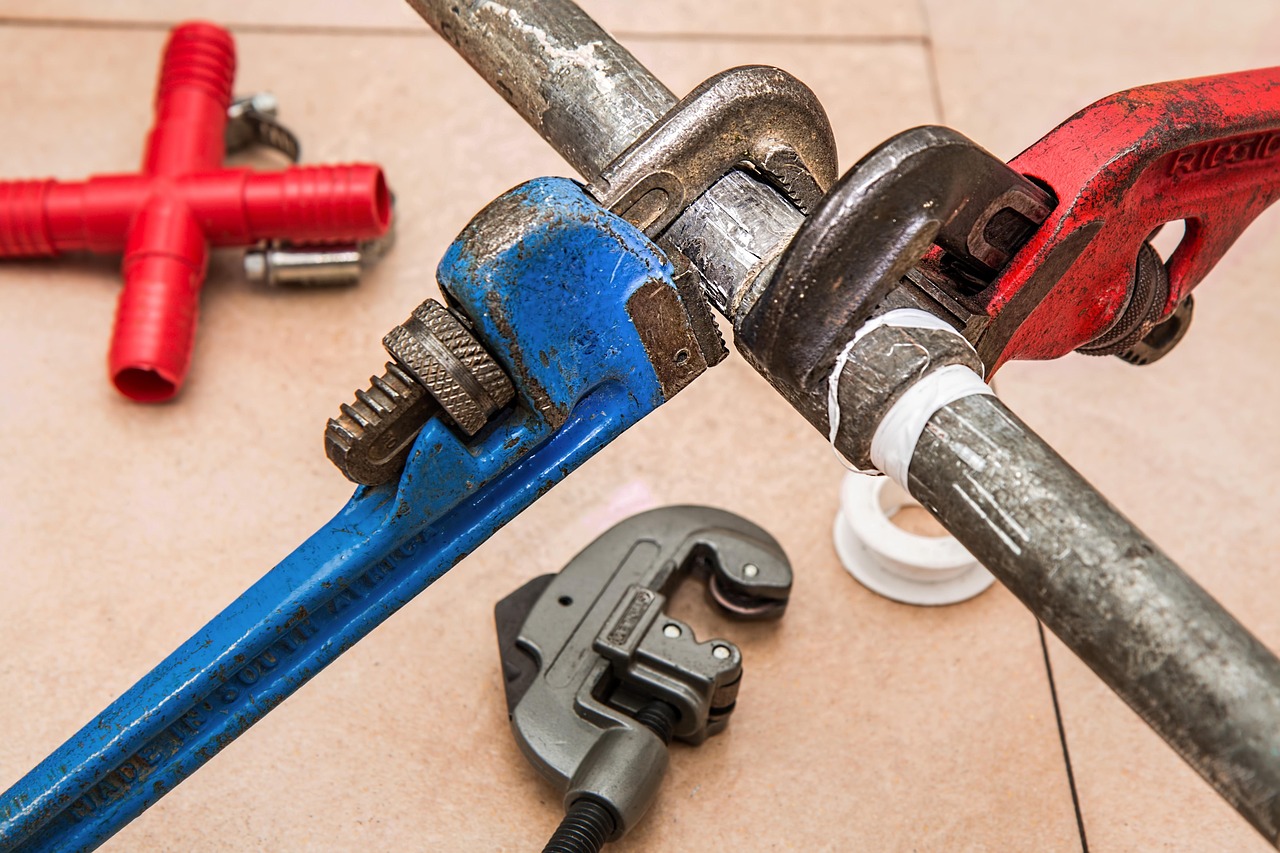
When you need serious gripping strength on pipes and larger fittings, a pipe wrench delivers. These tools feature serrated jaws that bite into round surfaces, providing the torque necessary for loosening stubborn connections.
A 10-inch and 14-inch pipe wrench combination covers most residential plumbing needs. Remember that pipe wrenches work in pairs for many jobs—one to hold the pipe steady while the other turns the fitting. Always ensure the jaw faces the direction you’re turning to prevent slippage.
🚰 Plungers and Drain-Clearing Equipment
Cup Plunger vs. Flange Plunger
Not all plungers are created equal, and using the right type makes clearing clogs significantly easier. A cup plunger features a flat bottom and works best on flat surfaces like sink drains and bathtubs. The flange plunger includes an extended rubber sleeve that fits into toilet drains, creating a better seal for more effective plunging.
Every home should have at least one flange plunger dedicated to toilet use. Many flange plungers allow you to fold the sleeve inside, converting them into cup plungers for versatility. Always store plungers where they’re easily accessible during emergencies.
Drain Snake (Auger): Conquering Stubborn Clogs
When plungers fail to clear a clog, a drain snake becomes your next line of defense. This flexible cable with a corkscrew-like end feeds into drains to break up or retrieve obstructions that plunging can’t reach.
Hand-crank drain snakes come in various lengths, with 25-foot models handling most household needs. The cable rotates as you turn the handle, allowing the auger tip to navigate through pipes and drill through clogs. For beginners, a basic hand-operated snake provides plenty of power without the complexity of motorized versions.
Closet Auger: Specialized Toilet Tool
Toilets require a specific type of snake called a closet auger. This tool features a protective sleeve that prevents scratching the porcelain bowl while the cable extends through the trap to clear clogs. The shorter cable length and angled design make closet augers perfect for toilet-specific blockages.
Measuring and Cutting Tools for Precise Work
Tape Measure: Foundation of Accurate Projects
Accurate measurements prevent costly mistakes in plumbing projects. A 25-foot tape measure with clear markings handles virtually all residential plumbing measurement needs. Look for models with standout capability—the distance the tape extends without bending—which helps when working alone.
Always measure twice and cut once. When installing new fixtures, replacing pipes, or planning renovations, precise measurements ensure proper fit and prevent wasted materials.
Hacksaw: Cutting Through Various Materials
A quality hacksaw cuts through metal pipes, plastic tubing, bolts, and other materials commonly encountered in plumbing work. Choose a hacksaw with a comfortable grip and easy blade-changing mechanism, as different materials require different blade types.
Fine-toothed blades (24 to 32 teeth per inch) work best for cutting thin-walled pipes and tubing, while coarser blades handle thicker materials more efficiently. Keep several blade types on hand to tackle various cutting tasks.
Pipe Cutter: Clean, Professional Cuts
While hacksaws work in a pinch, pipe cutters produce cleaner, more professional cuts on copper and plastic pipes. These tools clamp around the pipe and use a sharp cutting wheel to score the material as you rotate the cutter around the pipe’s circumference.
Pipe cutters create straight, burr-free cuts that make connections easier and more reliable. For beginners working with copper pipes, a tube cutter is worth the investment for the quality results it delivers.
🔍 Inspection and Detection Tools
Flashlight or Headlamp: Illuminating Dark Spaces
Plumbing work frequently takes place in dark, confined areas where proper lighting makes the difference between success and frustration. A reliable flashlight or, even better, a hands-free headlamp allows you to see what you’re doing while keeping both hands available for work.
LED flashlights provide bright, energy-efficient lighting that lasts for hours. Waterproof models protect against the wet conditions common in plumbing situations. Magnetic bases or hanging hooks add convenience by letting you position lights where needed.
Bucket and Towels: Controlling Water Damage
These unglamorous items rank among the most important in your plumbing toolkit. A sturdy bucket catches water when disconnecting supply lines or draining pipes, while towels protect floors and absorb spills that inevitably occur during plumbing work.
Keep several old towels dedicated to plumbing tasks, along with a five-gallon bucket that won’t tip easily. These simple items prevent water damage that could cost far more than the plumbing repair itself.
Specialty Tools That Simplify Common Tasks
Plumber’s Tape: Sealing Threaded Connections
Plumber’s tape, also called Teflon tape or thread seal tape, wraps around threaded pipe connections to create watertight seals. This inexpensive material prevents leaks at joints and makes future disassembly easier.
Apply plumber’s tape by wrapping it clockwise around male threads (the direction you’ll screw the fitting on). Two to three wraps usually suffice—too much tape can prevent proper tightening, while too little won’t seal effectively. White tape works for most water connections, while yellow tape is designed for gas lines.
Plumber’s Putty: Sealing Fixtures and Drains
This soft, pliable sealing compound creates watertight seals around sink drains, faucet bases, and other fixtures. Plumber’s putty remains flexible, allowing for easy removal and replacement during future repairs.
Roll the putty into a rope shape and press it around the base of fixtures before installation. Excess putty squeezes out when you tighten connections—simply wipe it away for a clean finish. Note that plumber’s putty isn’t suitable for all materials; check compatibility before use, especially with porous surfaces like marble.
Slip-Joint Pliers: Multi-Purpose Gripping
These adjustable pliers feature a movable pivot point that accommodates different jaw widths, making them perfect for gripping various pipe sizes and fittings. The serrated jaws provide excellent grip without requiring excessive force.
Slip-joint pliers handle tasks from tightening basket strainers to holding pipes while you work on connections. Their versatility makes them one of the most frequently used tools in any plumber’s arsenal.
💧 Safety Equipment You Shouldn’t Skip
Safety Glasses: Protecting Your Vision
Flying debris, splashing water, and falling particles pose real risks during plumbing work. Safety glasses protect your eyes from hazards you might not anticipate. They’re especially important when cutting pipes, using drain cleaners, or working overhead.
Choose safety glasses that fit comfortably and provide side protection. Anti-fog coatings help maintain visibility in humid conditions common during plumbing tasks.
Work Gloves: Protecting Your Hands
Plumbing work exposes your hands to sharp edges, hot surfaces, chemicals, and bacteria. Quality work gloves protect against cuts, burns, and contamination while maintaining enough dexterity for detailed tasks.
Keep several types of gloves available: rubber gloves for wet work and chemical protection, leather gloves for handling rough materials, and disposable gloves for sanitary concerns when working with drains and waste lines.
Building Your Toolkit Strategically
Starting with the Essentials
New DIY plumbers shouldn’t feel pressured to purchase every tool immediately. Start with the basics that address the most common household plumbing issues:
- Two adjustable wrenches (6-inch and 10-inch)
- Flange plunger
- Drain snake (25-foot)
- Slip-joint pliers
- Tape measure
- Flashlight or headlamp
- Plumber’s tape and putty
- Bucket and towels
- Safety glasses and gloves
This starter collection costs between $100 and $200 but covers roughly 80% of common household plumbing needs. As you gain experience and tackle more complex projects, add specialized tools as needed.
Quality vs. Budget: Making Smart Choices
Tool quality directly impacts results and longevity. While you don’t need professional-grade equipment for occasional home repairs, avoid the cheapest options that break during first use or deliver poor results.
Invest more in tools you’ll use frequently, like wrenches and pliers. For specialty items used occasionally, mid-range options often provide the best value. Many hardware stores offer house brands that balance quality and affordability effectively.
🛠️ Organizing and Maintaining Your Plumbing Tools
Storage Solutions for Quick Access
Organized tools save time during emergencies and prevent loss or damage. A dedicated toolbox or bag keeps plumbing equipment together and portable. Choose storage with compartments that prevent tools from rattling around and damaging each other.
Consider storing your plumbing toolkit near your water heater or main shut-off valve where you’re likely to need it. Quick access during emergencies prevents minor issues from becoming major disasters.
Keeping Tools in Working Condition
Proper maintenance extends tool life and ensures they’re ready when needed. Clean tools after each use, removing debris and drying metal components to prevent rust. Apply light machine oil to moving parts and adjust mechanisms periodically.
Check plunger rubber for cracks or hardening, replace dull hacksaw blades, and verify that adjustable tools move smoothly. A few minutes of maintenance after each project keeps your toolkit reliable for years.
Developing Skills Alongside Your Tool Collection
Learning Through Simple Projects
Having the right tools means nothing without the knowledge to use them effectively. Start with simple projects like replacing faucet washers, installing new showerheads, or clearing drain clogs. These beginner-friendly tasks build confidence and familiarity with your tools.
Online tutorials, home improvement videos, and manufacturer instructions provide excellent learning resources. Many hardware stores offer free workshops on basic plumbing skills that complement your tool collection.
Knowing When to Call a Professional
DIY plumbing has limits, and recognizing them prevents costly mistakes. Major projects involving sewer lines, gas lines, water heater installation, or significant pipe rerouting typically require professional expertise and permits.
If a repair seems beyond your skill level or tools, calling a licensed plumber saves money in the long run. Use your DIY skills for maintenance and minor repairs while leaving complex work to professionals.
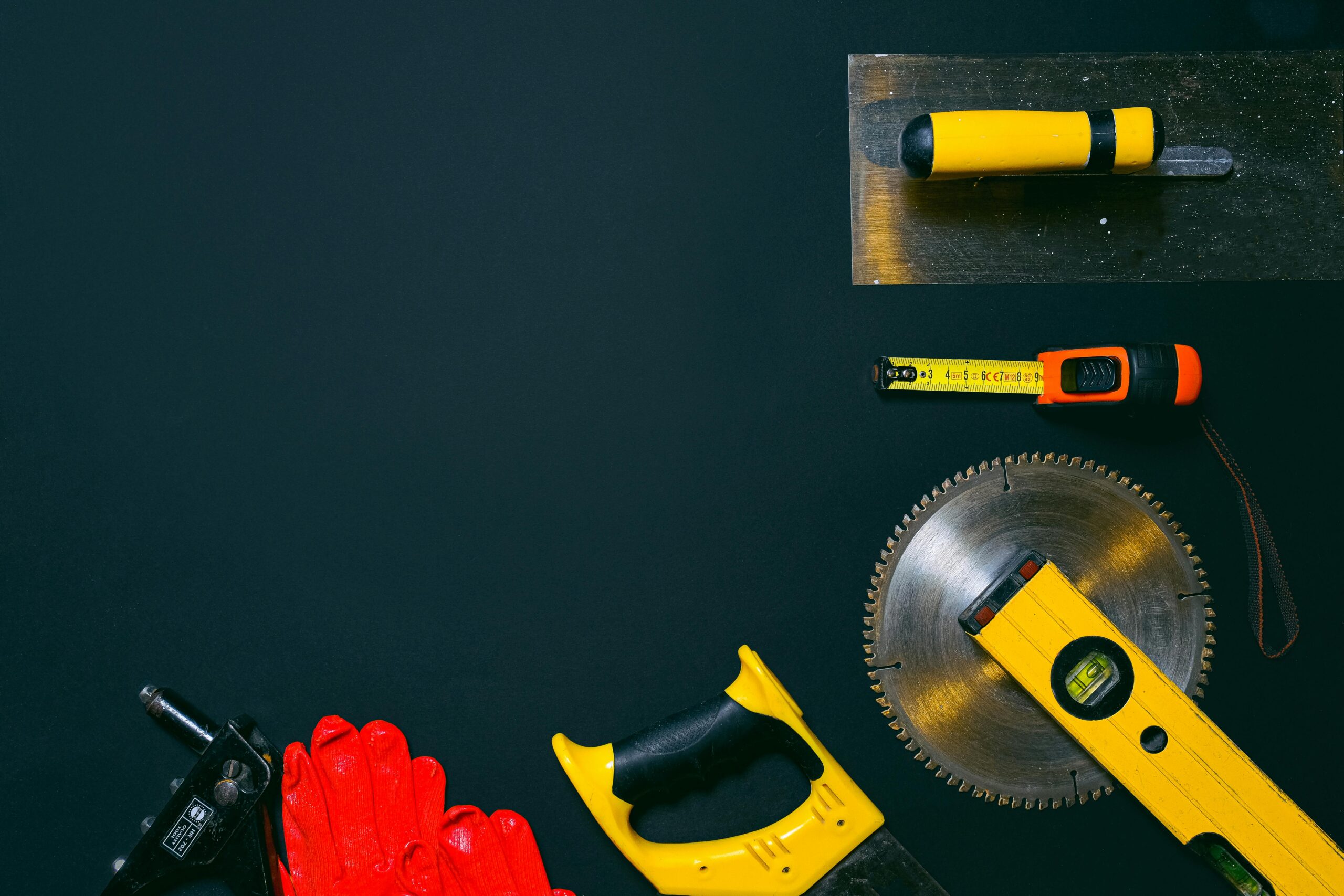
Empowering Your Home Maintenance Journey 🏡
Building a collection of essential plumbing tools transforms you from helpless homeowner to capable problem-solver. These tools don’t just sit idle waiting for emergencies—they empower you to maintain your home proactively, addressing small issues before they become expensive disasters.
Remember that becoming a confident DIY plumber happens gradually through experience and learning. Each successful repair builds your skills and justifies your tool investment multiple times over. Start with quality basics, practice on simple projects, and expand your toolkit as your abilities grow.
The combination of proper tools and growing knowledge creates genuine independence in home maintenance. You’ll save thousands of dollars over the years while gaining the satisfaction that comes from solving problems with your own hands. Your plumbing toolkit isn’t just a collection of metal and plastic—it’s an investment in your home’s future and your own self-reliance.
With these essential plumbing tools at your disposal and the willingness to learn, you’re well-equipped to handle the majority of household plumbing challenges confidently. The next time a faucet drips or a drain clogs, you’ll reach for your toolkit instead of your phone, knowing you have exactly what you need to fix the problem yourself.