Keeping your home in top shape doesn’t have to feel overwhelming. With the right planning system, you can transform chaotic maintenance tasks into a manageable, stress-free routine that protects your investment.

Every homeowner knows that sinking feeling when the furnace breaks down in winter or when you discover a small leak has turned into major water damage. These disasters often happen because we forget or postpone routine maintenance. A printable annual home maintenance planner becomes your personal defense system against costly repairs, helping you stay ahead of problems before they escalate into emergencies that drain your wallet and peace of mind.
🏡 Why Every Homeowner Needs a Home Maintenance Planner
Your home is likely your largest investment, yet many people spend more time planning their weekly groceries than maintaining their property. A comprehensive home maintenance planner transforms you from reactive to proactive, scheduling tasks throughout the year so nothing falls through the cracks.
The average homeowner spends between 1-4% of their home’s value annually on maintenance and repairs. However, homes that receive regular preventive maintenance typically experience 30-40% fewer emergency repairs. This isn’t just about saving money—it’s about preserving your home’s value, ensuring your family’s safety, and eliminating the stress that comes with unexpected breakdowns.
A printable planner offers unique advantages over digital solutions. You can post it on your refrigerator, mark tasks with satisfaction as you complete them, and share responsibilities with family members without requiring app downloads or passwords. The physical presence serves as a constant visual reminder that keeps maintenance top of mind.
📅 Breaking Down the Year: Season-by-Season Maintenance Tasks
Organizing home maintenance by season aligns your efforts with natural cycles and weather patterns. This approach ensures you’re preparing your home for upcoming conditions while addressing issues caused by the previous season.
Spring: Renewal and Exterior Focus
As winter releases its grip, spring is perfect for outdoor projects and systems that work hard during summer. Your planner should include inspecting your roof for winter damage, cleaning gutters and downspouts, checking exterior paint and caulking, servicing your air conditioning system before hot weather arrives, and inspecting decks and patios for safety issues.
Spring is also ideal for window maintenance—cleaning, checking screens, and ensuring proper sealing. Power wash siding, driveways, and walkways to remove winter grime. Test your irrigation system and prepare your lawn and garden beds for the growing season. These tasks prevent small problems from becoming major repairs when you’re trying to enjoy summer weather.
Summer: Indoor Comfort and Outdoor Living
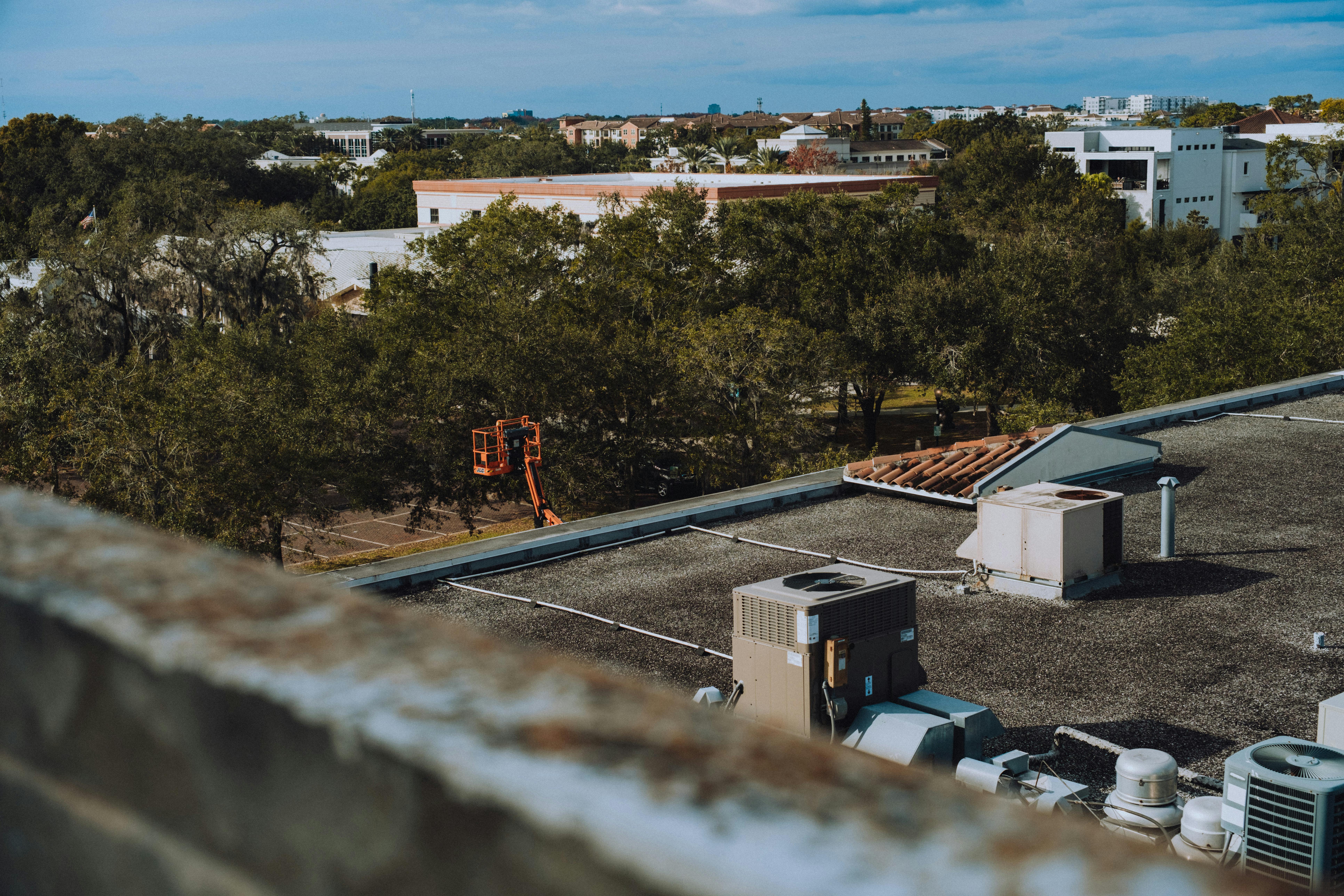
Summer maintenance focuses on keeping cooling systems efficient and outdoor spaces enjoyable. Schedule deep cleaning of your HVAC system, replace air filters monthly during heavy use, inspect and clean dryer vents to prevent fire hazards, and check caulking around bathtubs and showers to prevent water damage.
For outdoor areas, maintain decking with appropriate sealers, trim trees and shrubs away from your home’s exterior, inspect outdoor lighting and electrical outlets, and check fencing for damage or rot. Summer’s favorable weather makes it the perfect time for exterior painting projects that require dry conditions.
Fall: Preparation for Cold Weather
Fall maintenance prepares your home for winter’s harsh conditions. Your planner should remind you to schedule furnace inspection and servicing, clean gutters after leaves have fallen, inspect and seal any exterior cracks or gaps, check weatherstripping on doors and windows, and drain and store garden hoses while shutting off exterior faucets.
This season is also perfect for chimney cleaning if you have a fireplace, testing carbon monoxide and smoke detectors, reversing ceiling fan directions for winter efficiency, and inspecting your roof before winter weather arrives. These preventive measures ensure your home stays warm and efficient when temperatures drop.
Winter: Indoor Systems and Planning
Winter shifts focus indoors with tasks like checking insulation in attics and crawl spaces, testing sump pumps, preventing ice dams by ensuring proper attic ventilation, checking for drafts and addressing insulation issues, and maintaining proper humidity levels to prevent mold and structural damage.
Winter is also ideal for planning next year’s major projects, organizing maintenance records, and tackling indoor improvements. Schedule professional inspections for systems you can’t maintain yourself, and use slower months to research contractors for spring and summer projects.
🔧 Essential Monthly Maintenance Tasks That Prevent Major Problems
Beyond seasonal work, certain tasks require monthly attention to keep your home running smoothly. Your printable planner should include dedicated monthly sections for these recurring responsibilities.
Replace or clean HVAC filters every 30-90 days depending on your system and household conditions. Homes with pets, allergies, or high dust levels need more frequent changes. This simple task improves air quality, reduces energy costs, and extends your system’s lifespan significantly.
Test smoke detectors and carbon monoxide alarms monthly by pressing the test button. Replace batteries at least annually, and replace entire units according to manufacturer recommendations—typically every 7-10 years. This five-minute task could save your family’s life.
Check and clean garbage disposal, running ice cubes through to sharpen blades and citrus peels to freshen odors. Inspect under sinks for leaks, which often start small but cause extensive damage over time. Run water in rarely-used drains to prevent trap drying and sewer gas entry.
Your monthly routine should also include examining visible plumbing for leaks, cleaning range hood filters, checking water softener salt levels if applicable, and vacuuming refrigerator coils for efficiency. These small investments of time prevent expensive emergency repairs.
📋 Creating Your Personalized Maintenance Schedule
Generic maintenance lists provide a starting point, but your home has unique needs based on age, climate, and specific systems. Personalizing your printable planner ensures you’re addressing your actual maintenance requirements.
Start by inventorying your home’s major systems and components. Document the age and condition of your roof, HVAC system, water heater, appliances, and other significant elements. Review warranty information and manufacturer maintenance recommendations, as following these guidelines often maintains warranty coverage.
Consider your local climate when scheduling tasks. Coastal homes need more frequent exterior maintenance due to salt air. Areas with harsh winters require different preparation than mild climates. Homes in heavily wooded areas need more frequent gutter cleaning and pest inspections.
Build in flexibility by including buffer weeks in your schedule. Life happens, and rigid schedules create stress when you inevitably fall behind. Adding contingency time keeps your planner realistic and achievable rather than another source of guilt.
💰 Budget Planning: Spreading Costs Throughout the Year
One major benefit of annual planning is distributing maintenance costs across twelve months instead of facing unexpected large expenses. Your printable planner should include budget sections that help you prepare financially.
Create a monthly maintenance fund by calculating your expected annual costs and dividing by twelve. Include routine expenses like HVAC servicing ($100-300), gutter cleaning ($75-250), and pest control ($40-70 per treatment). Add anticipated costs for seasonal tasks and a buffer for unexpected repairs.
Track actual spending in your planner to refine future budgets. Many homeowners discover they’re spending less on maintenance than emergency repairs once they establish consistent routines. This data helps you adjust your monthly contributions and identify areas where professional service might actually save money compared to DIY attempts.
Some expenses are tax-deductible if you have a home office or rental property. Your maintenance planner becomes valuable documentation for these deductions, creating a paper trail that supports your tax filings while organizing your home care.
👨👩👧👦 Assigning Tasks: Making Home Maintenance a Family Effort
Home maintenance shouldn’t fall entirely on one person’s shoulders. Your printable planner can include assignment columns that distribute responsibilities fairly across household members.
Match tasks to appropriate skill levels and physical abilities. Younger children can help with simple tasks like testing smoke detectors under supervision or cleaning dryer lint traps. Teenagers can handle lawn care, filter changes, and basic cleaning tasks. This approach teaches responsibility while lightening the load.
Create accountability by having family members initial completed tasks. This system provides clear expectations, prevents duplicated effort, and ensures nothing gets overlooked. Regular family meetings to review the planner keep everyone informed and engaged.
Consider rotating responsibilities to build diverse skills and prevent boredom. When everyone understands home systems and maintenance requirements, you’re creating competent future homeowners while making your current home care more manageable.
🛠️ Must-Have Tools for Efficient Home Maintenance
Having proper tools transforms maintenance from frustrating struggle to satisfying accomplishment. Your planner can include an equipment checklist to ensure you’re prepared for scheduled tasks.
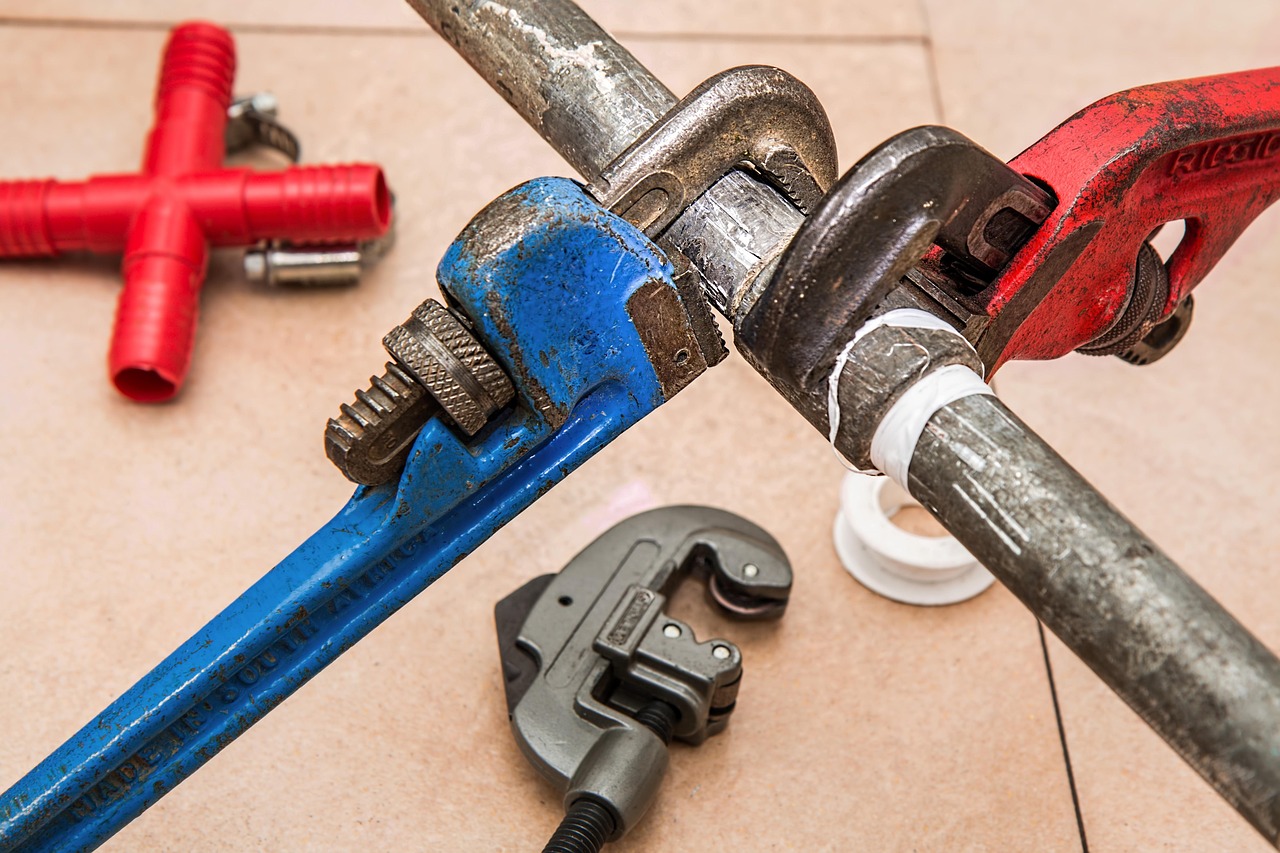
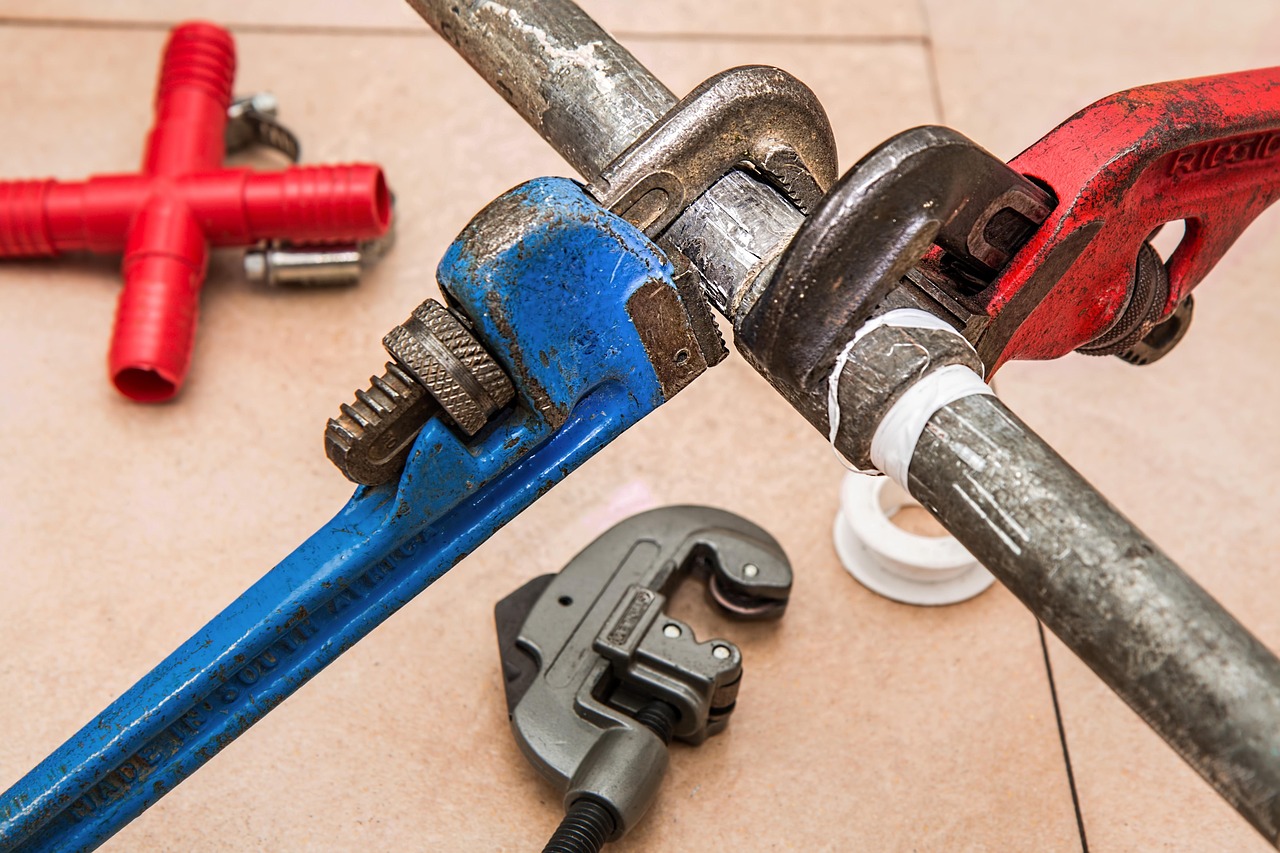
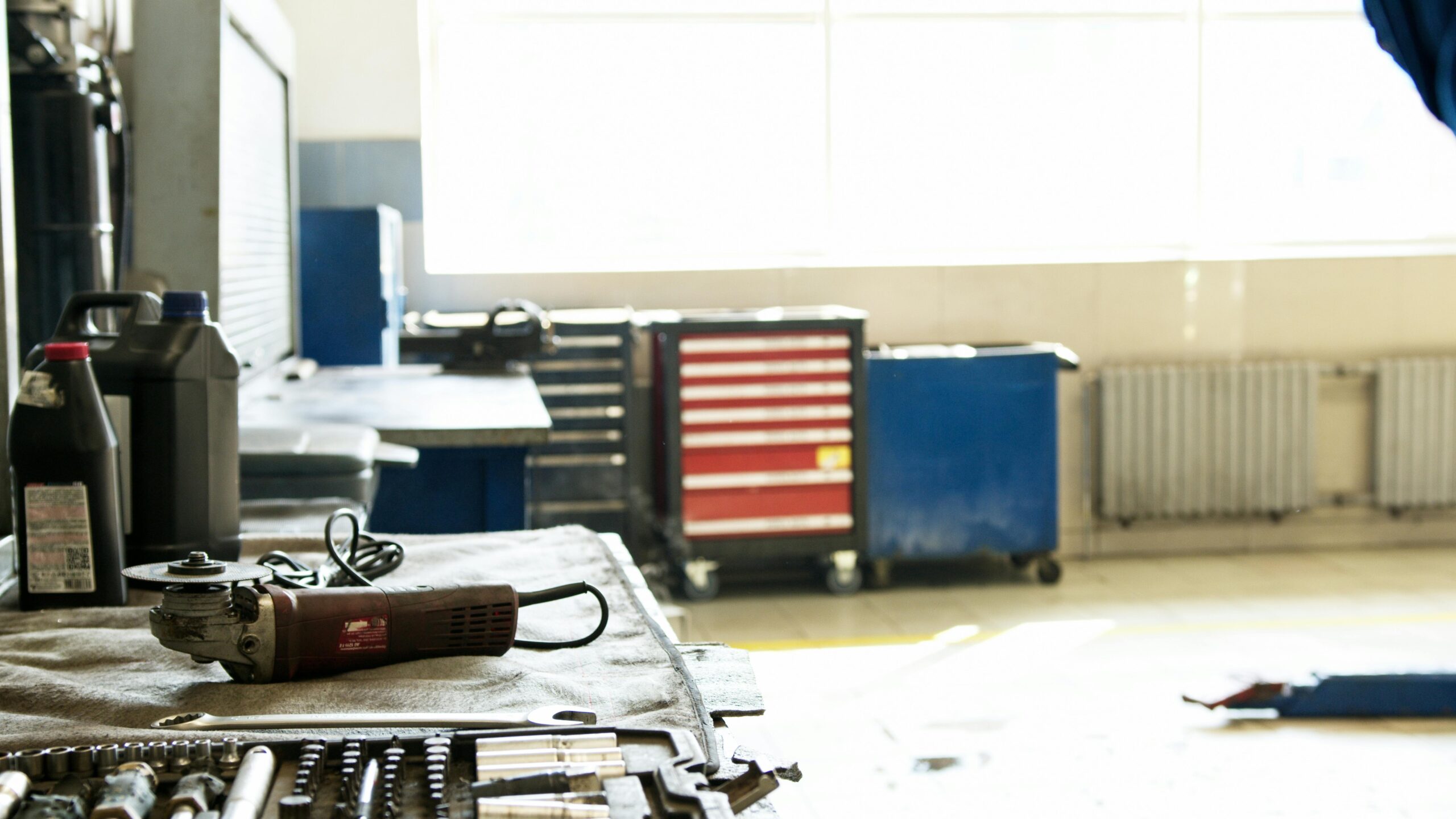
Basic tool collections should include quality screwdrivers (both flathead and Phillips), adjustable wrenches, pliers, hammer, tape measure, level, and cordless drill. Add specialized items as needed like caulking guns, stud finders, and voltage testers. Investing in quality tools saves money long-term compared to repeatedly replacing cheap versions.
Ladder safety is crucial—ensure you have an appropriate ladder for your home’s height and that it’s in good condition. Many accidents happen on faulty or inappropriate ladders. Your planner might include ladder inspection as a semi-annual task.
Keep a well-stocked supply cabinet with furnace filters in the correct size, light bulbs, batteries for detectors, caulk, basic plumbing supplies, and touch-up paint. When maintenance time arrives, having supplies ready eliminates excuses for postponing tasks.
📱 Digital Tools That Complement Your Printable Planner
While printable planners offer visibility and tactile satisfaction, certain digital tools can enhance your maintenance routine without replacing your physical system.
Home maintenance apps can send reminders for upcoming tasks, store appliance manuals and warranty information, and track service history. These complement your printable planner by providing backup documentation and convenient mobile access when you’re actually performing maintenance tasks.
Photo documentation apps help you track condition changes over time. Before and after photos of projects, images of model numbers and specifications, and visual records of completed work create valuable references for insurance claims, home sales, or troubleshooting future issues.
🎯 Staying Motivated: Making Maintenance Rewarding
The biggest challenge with home maintenance isn’t knowledge—it’s consistency. Your printable planner should include motivation strategies that keep you engaged throughout the year.
Build in reward systems for completing quarterly goals. After finishing all spring tasks, treat yourself to something enjoyable—a nice dinner, entertainment, or a small purchase you’ve been wanting. These positive associations make maintenance less of a chore.
Track completion rates and celebrate improvements. Seeing progress motivates continued effort. Use colored pens to mark completed tasks, creating visual satisfaction as your planner fills with accomplishment rather than anxiety.
Connect maintenance activities to their benefits. When changing furnace filters, remember you’re improving your family’s air quality and saving on energy costs. When cleaning gutters, visualize preventing thousands in water damage repairs. Understanding why tasks matter increases motivation to complete them.
🏆 Long-Term Benefits of Consistent Home Maintenance
The compound benefits of regular maintenance extend far beyond avoiding repairs. Homes with documented maintenance histories sell faster and for higher prices because buyers recognize reduced risk. Energy-efficient systems resulting from proper maintenance lower utility bills month after month.
Regular maintenance extends equipment lifespan significantly. A well-maintained HVAC system lasts 15-20 years compared to 10-12 for neglected units. Water heaters, appliances, and roofing all deliver extra years of service when properly cared for. These extensions represent thousands in delayed replacement costs.
Perhaps most valuable is peace of mind. When you’re confidently maintaining your home, you sleep better knowing systems are monitored, risks are minimized, and your family’s comfort and safety are protected. This psychological benefit has immeasurable value in our already stressful world.

✨ Getting Started: Your First Week With a Home Maintenance Planner
Beginning feels overwhelming, but breaking your start into manageable steps creates momentum. Week one isn’t about completing tasks—it’s about establishing your system.
Print your annual planner and find a permanent, visible location where all household members can access it. The refrigerator, family command center, or home office work well. Making it visible ensures it becomes part of your routine rather than forgotten in a drawer.
Spend time personalizing the planner with your home’s specific details. Add your HVAC servicing company’s contact information, note your filter size, record water heater age and model, and document other system-specific information. This customization transforms a generic template into your home’s personalized care guide.
Schedule just one or two immediate tasks to build early success. Check smoke detector batteries and change your furnace filter—quick wins that demonstrate immediate value. This positive start encourages continued engagement rather than overwhelming you with everything at once.
Review the complete annual schedule and add tasks to your regular calendar or phone reminders as backup. While your printable planner is primary, digital reminders catch anything you might overlook during busy periods.
The transformation from reactive homeowner to proactive maintenance expert doesn’t happen overnight, but with your printable annual home maintenance planner, you’re taking the essential first step. Each completed task builds confidence, protects your investment, and moves you closer to the stress-free home life you deserve. Your home takes care of your family—now you have the perfect system to take care of your home all year long.