Maintaining your home efficiently throughout the year isn’t just about comfort—it’s about smart financial planning and environmental responsibility too.

Most homeowners overlook the powerful connection between seasonal maintenance and energy savings. By implementing a strategic routine that adapts to changing weather conditions, you can significantly reduce utility bills while extending the lifespan of your heating, ventilation, and air conditioning systems. This proactive approach transforms your home into a more comfortable living space while putting money back into your pocket every month.
🏠 Understanding the Energy-Saving Maintenance Cycle
Energy-efficient home maintenance operates on a cyclical principle that aligns with nature’s seasons. Each season presents unique challenges and opportunities for optimizing your home’s performance. Winter demands focus on heating efficiency and insulation, while summer requires cooling system optimization and solar heat management.
The foundation of an effective maintenance routine lies in understanding how your home responds to temperature fluctuations, humidity changes, and weather patterns. These environmental factors directly impact your energy consumption and comfort levels. By addressing maintenance needs seasonally, you prevent small issues from becoming expensive repairs while maintaining optimal energy efficiency year-round.
Spring Awakening: Preparing Your Home for Warmer Weather
Spring represents the perfect time to transition your home from heating mode to cooling preparation. This seasonal shift offers opportunities to address winter wear and prepare for the energy demands of summer months ahead.
HVAC System Spring Cleaning ✨
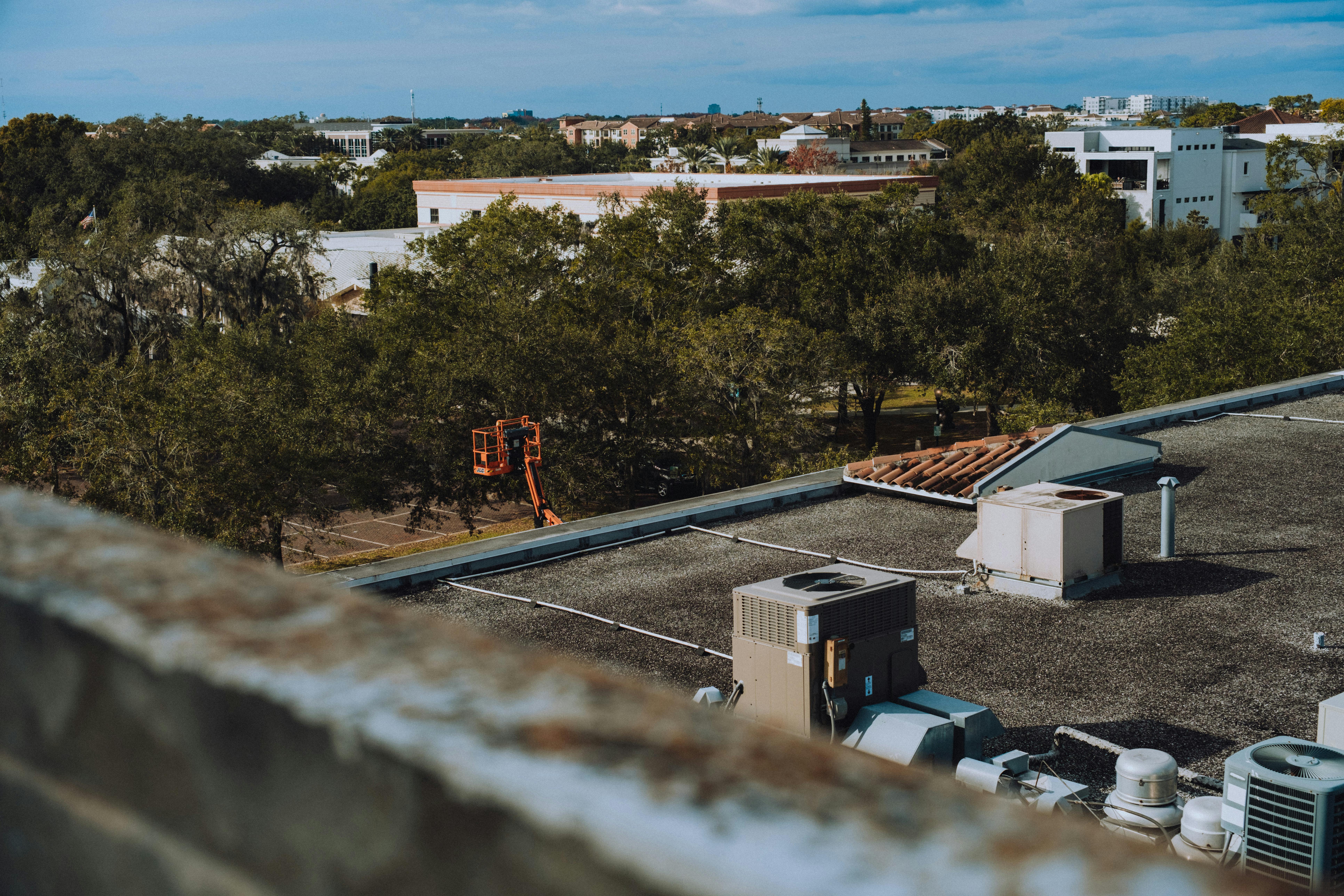
Your heating and cooling system deserves special attention as temperatures rise. Schedule a professional HVAC inspection to ensure your air conditioning unit operates at peak efficiency. Technicians will check refrigerant levels, clean condenser coils, and identify potential problems before they escalate into costly emergency repairs.
Replace or clean air filters monthly during high-use seasons. Dirty filters restrict airflow, forcing your system to work harder and consume more energy. This simple task can reduce your air conditioning energy consumption by five to fifteen percent.
Seal and Insulate for Maximum Efficiency
Inspect windows and doors for air leaks that allow conditioned air to escape. Apply weatherstripping to moving components and caulk around stationary frames. These inexpensive materials prevent energy waste and can reduce heating and cooling costs by up to twenty percent.
Check attic insulation levels and condition. Proper insulation acts as a thermal barrier, keeping cool air inside during summer and warm air contained during winter. The Environmental Protection Agency recommends specific R-values based on your geographic location and climate zone.
Outdoor Equipment Preparation
Clear debris from around your outdoor air conditioning unit. Remove leaves, grass clippings, and vegetation within a two-foot radius to ensure proper airflow. Trim shrubs and plants to maintain clearance, allowing the unit to operate efficiently without obstruction.
Clean gutters and downspouts to prevent water damage and foundation issues. Proper drainage protects your home’s structural integrity while preventing moisture problems that can compromise insulation effectiveness and indoor air quality.
☀️ Summer Optimization: Keeping Cool Without Breaking the Bank
Summer brings the highest energy bills for most households due to air conditioning demands. Strategic maintenance and operational adjustments can dramatically reduce cooling costs while maintaining comfortable indoor temperatures.
Smart Thermostat Management
Program your thermostat to raise temperatures when you’re away from home. Every degree above seventy-two Fahrenheit saves approximately three percent on cooling costs. Consider investing in a smart thermostat that learns your schedule and adjusts temperatures automatically for maximum efficiency.
Set your thermostat to seventy-eight degrees when you’re home and eighty-five degrees when you’re away. This strategy balances comfort with energy conservation. Use ceiling fans to create air circulation, allowing you to feel comfortable at higher thermostat settings.
Window Treatment Strategies
Close blinds, curtains, and shades on sun-facing windows during peak daylight hours. Solar heat gain through windows can significantly increase indoor temperatures, forcing your air conditioner to work overtime. Light-colored window treatments reflect heat rather than absorbing it, providing additional cooling benefits.
Consider installing reflective window film on south and west-facing windows. This affordable solution blocks up to seventy percent of solar heat while still allowing natural light to enter your home.
Appliance and Lighting Efficiency
Avoid using heat-generating appliances during the hottest parts of the day. Run dishwashers, washing machines, and dryers during early morning or evening hours when outdoor temperatures are cooler. This practice reduces the thermal load on your cooling system.
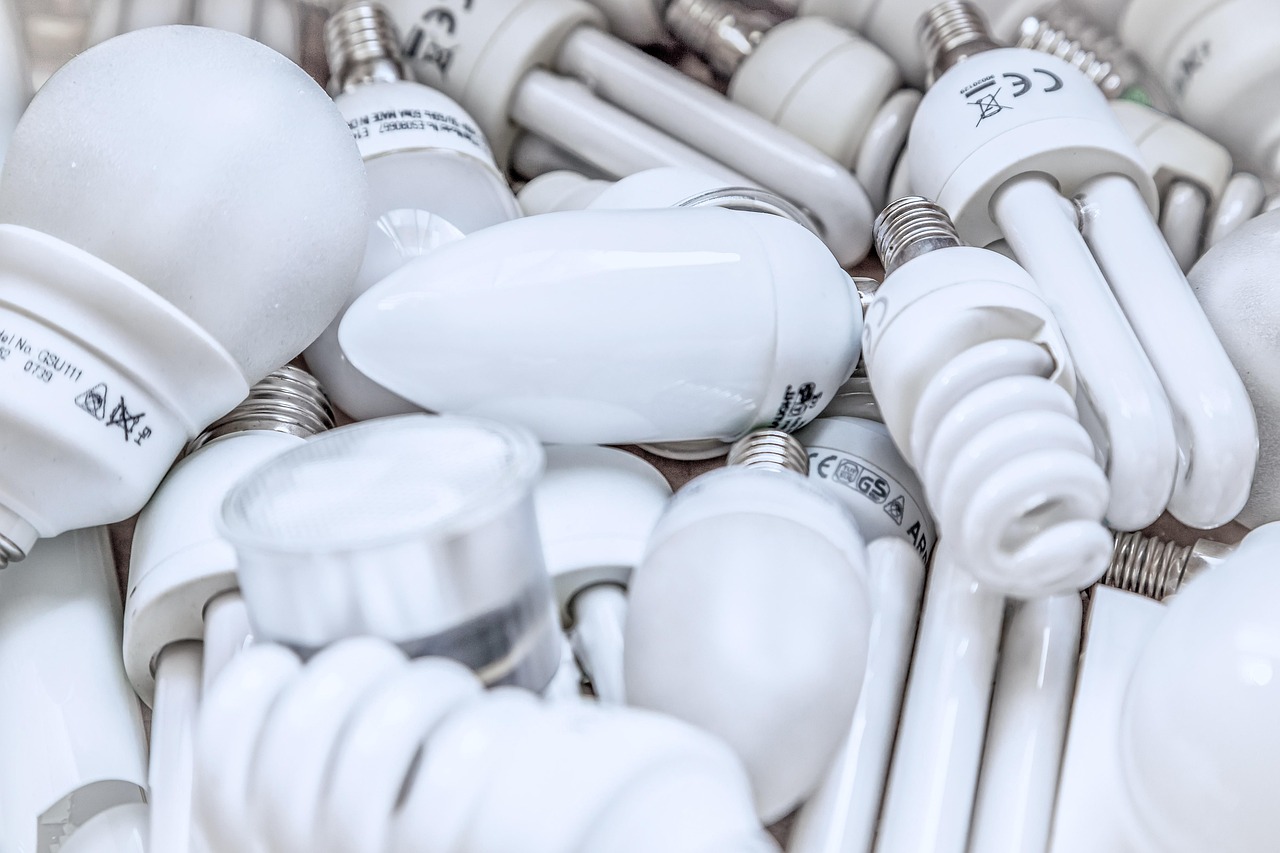
Replace incandescent bulbs with LED alternatives that generate significantly less heat while consuming seventy-five percent less energy. This simple upgrade reduces both cooling and electricity costs simultaneously.
🍂 Fall Preparations: Transitioning to Heating Season
Autumn maintenance focuses on preparing your home for heating season while taking advantage of moderate temperatures to complete outdoor projects comfortably.
Heating System Readiness
Schedule a professional furnace inspection before cold weather arrives. Technicians will clean burners, check gas connections, test safety controls, and ensure your heating system operates safely and efficiently. This preventive maintenance prevents mid-winter breakdowns and optimizes fuel efficiency.
Bleed radiators in hot water heating systems to remove trapped air that reduces heating effectiveness. Test your thermostat to ensure it accurately reads and maintains desired temperatures throughout your home.
Weatherization Projects
Apply exterior caulk around windows, doors, and foundation penetrations before freezing temperatures arrive. Cold weather makes caulk difficult to apply and less effective. Seal any gaps where pipes, wires, or vents enter your home to prevent heat loss and pest entry.
Install door sweeps on exterior doors to eliminate gaps at the bottom. These inexpensive devices prevent drafts and can significantly improve comfort in rooms near exterior doors.
Chimney and Fireplace Maintenance 🔥
If you have a fireplace or wood stove, schedule a chimney cleaning and inspection. Creosote buildup creates fire hazards and reduces heating efficiency. Ensure the damper closes tightly when the fireplace isn’t in use to prevent heated air from escaping up the chimney.
Consider installing glass doors on your fireplace to improve heating efficiency. Open fireplaces can actually draw warm air from your home and send it up the chimney, increasing heating costs rather than reducing them.
❄️ Winter Vigilance: Maintaining Efficiency in Cold Conditions
Winter maintenance focuses on protecting your home from harsh weather while maximizing heating efficiency and preventing weather-related damage.
Temperature Consistency and Monitoring
Maintain consistent indoor temperatures rather than constantly adjusting your thermostat. Frequent temperature changes force your heating system to work harder, consuming more energy. Set your thermostat to sixty-eight degrees during waking hours and lower it to sixty-two degrees while sleeping or away from home.
Open curtains on south-facing windows during daylight hours to take advantage of free solar heating. Close them at night to add an insulating layer against cold window surfaces.
Moisture and Ventilation Management
Monitor indoor humidity levels to prevent condensation, mold growth, and structural damage. Ideal winter humidity ranges from thirty to fifty percent. Use bathroom and kitchen exhaust fans to remove excess moisture at its source.
Check for ice dams on your roof, which indicate heat loss through your attic. Ice dams can cause significant water damage and indicate poor insulation or ventilation. Address the underlying insulation problem rather than just removing ice symptoms.
Pipe Protection and Water Management 💧
Insulate exposed pipes in unheated areas to prevent freezing and potential bursting. Pipe insulation costs pennies per foot but can prevent thousands of dollars in water damage. Allow cabinet doors under sinks to remain open during extreme cold to allow warm air circulation around plumbing.
Drain and store outdoor hoses, and shut off exterior water faucets from interior shut-off valves. Install insulated faucet covers on exterior spigots for additional freeze protection.
📊 Tracking Your Energy Savings Progress
Implementing a seasonal maintenance routine produces measurable results that you can track and optimize over time. Monitoring your progress helps maintain motivation and identifies which strategies deliver the best returns on your investment.
Utility Bill Analysis
Compare monthly utility bills year-over-year to track energy consumption trends. Account for weather variations by calculating energy use per heating or cooling degree day. This normalized comparison reveals true efficiency improvements beyond weather-related fluctuations.
Many utility companies provide online tools that graph your energy consumption and compare it to similar homes in your area. These benchmarking tools help identify whether your consumption is typical or indicates opportunities for improvement.
Cost-Benefit Calculations
Track the costs of your maintenance activities and compare them against energy savings. Most weatherization projects pay for themselves within one to three years through reduced energy costs. Major system upgrades may take longer but provide benefits for decades.
Consider the non-financial benefits of improved comfort, better air quality, and reduced environmental impact. These factors contribute significantly to your quality of life even though they don’t appear on utility bills.
🔧 Essential Tools and Resources for DIY Maintenance
Successful seasonal maintenance requires the right tools and knowledge. Building a basic toolkit enables you to handle routine tasks while knowing when to call professionals for specialized work.
Must-Have Maintenance Tools
- Caulk gun and weatherproofing materials for sealing air leaks
- Programmable or smart thermostat for automated temperature control
- Filter replacement schedule and properly-sized filters for your system
- Flashlight and ladder for inspecting hard-to-reach areas
- Thermal leak detector or infrared thermometer to identify air leaks
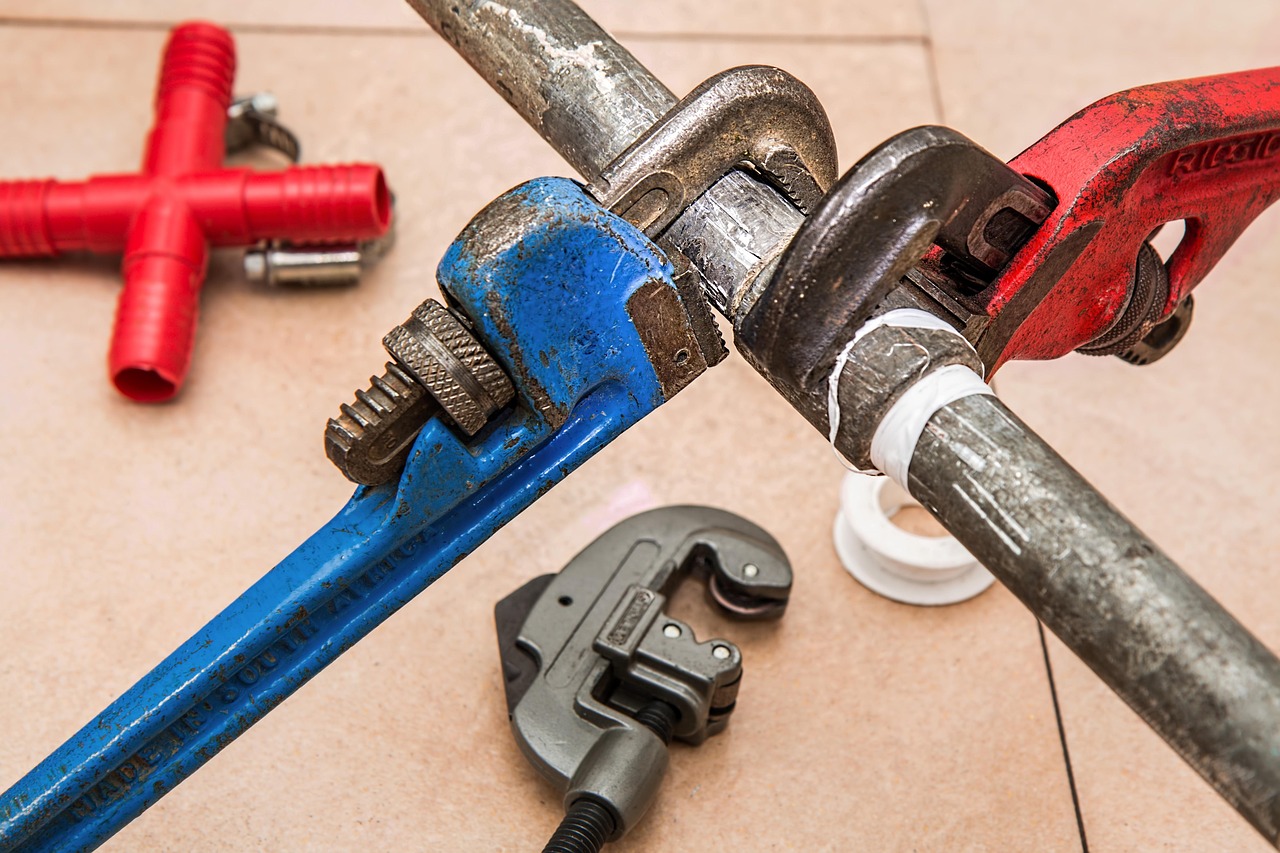
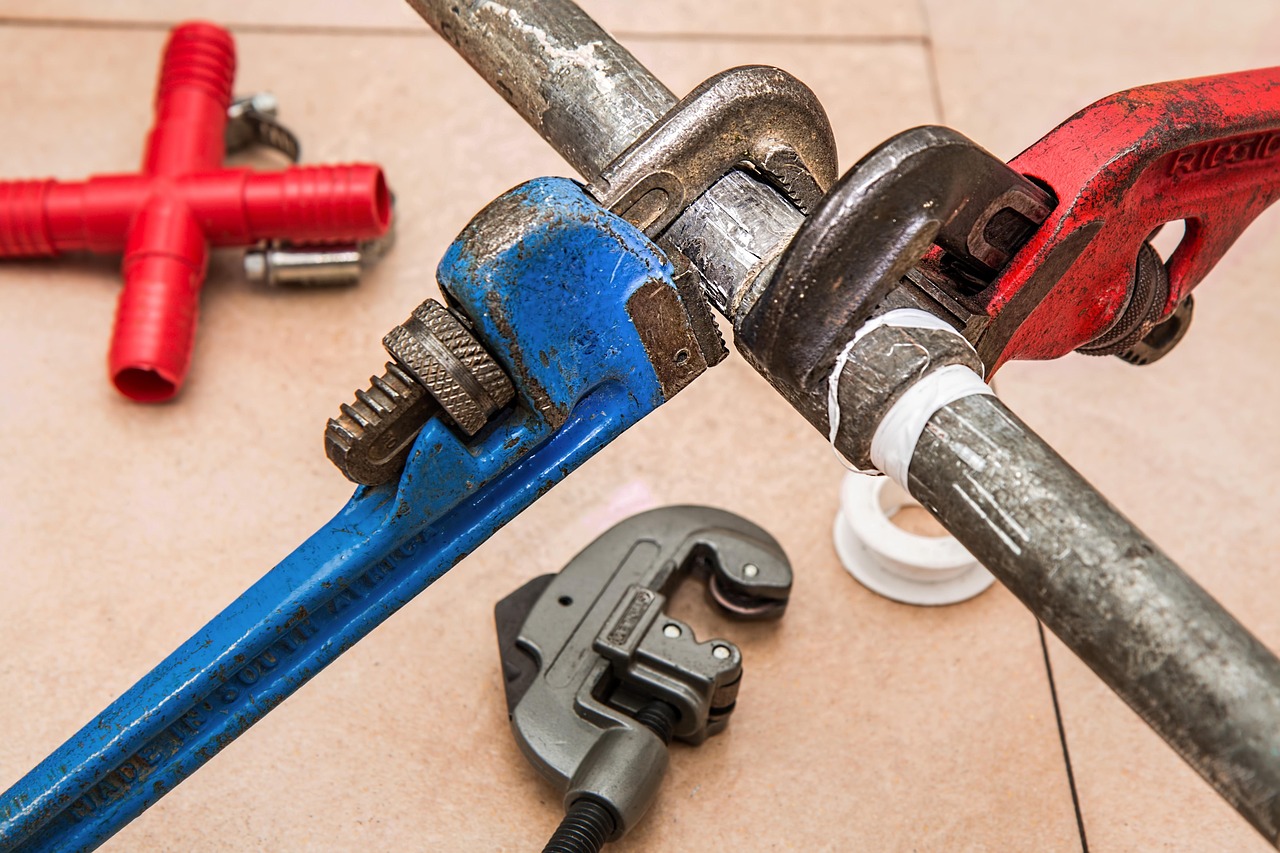
- Basic hand tools for minor repairs and adjustments
Digital Assistance and Monitoring
Smart home technology has revolutionized energy management by providing real-time monitoring and automated control. Energy monitoring apps help you understand consumption patterns and identify opportunities for savings. These applications connect to smart meters or plug-level monitors to provide detailed insights into which appliances and systems consume the most energy.
Home maintenance reminder apps help you stay on schedule with seasonal tasks. They send notifications when it’s time to replace filters, schedule inspections, or complete weatherization projects. Consistent execution of maintenance tasks is often more important than perfect technique.
Professional Services: When to Call the Experts 👨🔧
While many maintenance tasks are suitable for homeowners, certain jobs require professional expertise, specialized tools, or safety considerations that make DIY approaches impractical or dangerous.
Annual Professional Inspections
Schedule professional HVAC inspections twice yearly—once before cooling season and once before heating season. These preventive visits catch small problems before they become expensive failures and ensure your systems operate at peak efficiency.
Professional energy audits provide comprehensive assessments of your home’s efficiency. Auditors use blower door tests, infrared cameras, and other diagnostic tools to identify hidden problems and prioritize improvements based on cost-effectiveness.
Specialized Repairs and Upgrades
Electrical work, gas line repairs, and refrigerant handling require licensed professionals for safety and legal compliance. Attempting these tasks without proper training and certification creates serious hazards and may void warranties or insurance coverage.
Major insulation projects, especially those involving closed-cell spray foam, demand professional application to ensure proper coverage and avoid moisture problems. Professionals understand building science principles that prevent unintended consequences from efficiency upgrades.
🌱 Environmental Impact and Sustainability Benefits
Energy-efficient home maintenance extends beyond personal financial benefits to create positive environmental impacts. Every kilowatt-hour you don’t consume means less fossil fuel burned and fewer greenhouse gases released into the atmosphere.
Residential buildings account for approximately twenty percent of total energy consumption in developed nations. Small efficiency improvements multiplied across millions of homes create substantial reductions in energy demand and environmental impact.
Proper maintenance extends the lifespan of expensive equipment, reducing the environmental costs of manufacturing and disposing of HVAC systems, water heaters, and other major appliances. A well-maintained furnace can last twenty years or more, while a neglected one may fail after twelve years.
Long-Term Planning: Creating Your Personalized Maintenance Calendar
Success with seasonal maintenance requires organization and consistency. Creating a personalized calendar ensures you complete tasks at optimal times without relying on memory alone.
Develop a monthly checklist that includes routine tasks like filter changes, thermostat adjustments, and visual inspections. Add seasonal projects like weatherization, professional inspections, and system preparation for changing weather conditions.
Set calendar reminders on your phone or computer for recurring maintenance tasks. Many people find success by dedicating the first weekend of each season to comprehensive maintenance activities, making it an annual tradition that protects their home investment.
Document completed maintenance with dates, costs, and any observations about system performance or problems identified. This maintenance log becomes valuable when troubleshooting problems, planning upgrades, or selling your home.
💰 Financial Incentives and Rebate Programs
Many utility companies, government agencies, and manufacturers offer financial incentives for energy-efficient improvements. These programs can significantly offset the costs of upgrades and accelerate your return on investment.
Research rebates before purchasing new equipment or making major improvements. Some programs require pre-approval or specific contractor qualifications. Utility company websites typically maintain current listings of available incentives for their customers.
Tax credits for energy-efficient home improvements change periodically based on government policy priorities. Consult with tax professionals to understand which improvements qualify for credits and how to properly document them for tax purposes.
Maximizing Results Through Continuous Improvement
The most successful approach to energy-efficient maintenance involves continuous learning and improvement. Each season provides opportunities to refine your routine based on results, new technologies, and changing circumstances in your home and life.
Stay informed about emerging efficiency technologies and techniques through reputable sources. Building science evolves constantly, and strategies considered best practices today may be superseded by better approaches tomorrow.
Connect with neighbors and local homeowner groups to share experiences and recommendations. Local knowledge about climate-specific challenges and reliable contractors proves invaluable for optimizing your maintenance routine.
Remember that perfect is the enemy of good when it comes to home maintenance. Completing routine tasks adequately and consistently delivers far better results than aspiring to perfection and accomplishing nothing. Start with manageable goals and expand your routine as you gain confidence and experience.
Your commitment to seasonal energy-efficient maintenance represents an investment in your home’s performance, your family’s comfort, and your financial future. The rewards compound over time, delivering benefits that extend far beyond lower utility bills to create a more sustainable, comfortable, and valuable home for years to come.