Home safety isn’t a one-time task—it’s an ongoing commitment that requires regular attention throughout the year. Creating a structured maintenance calendar ensures your family stays protected from potential hazards while preserving your property’s value and functionality.

Whether you’re a new homeowner or have lived in your home for decades, establishing a systematic approach to safety checks can prevent costly repairs, reduce accident risks, and provide invaluable peace of mind. This comprehensive guide will walk you through every season’s essential maintenance tasks.
🌸 Spring: Awakening Your Home’s Safety Systems
As winter melts away, spring presents the perfect opportunity to refresh your home’s safety protocols and address any issues that developed during the colder months.
Outdoor Safety Inspection
Begin your spring maintenance by walking around your property’s perimeter. Look for loose siding, damaged gutters, and cracked foundations that may have resulted from freeze-thaw cycles. Check that all outdoor lighting fixtures work properly, as adequate illumination is your first line of defense against intruders.
Inspect your driveway and walkways for cracks or uneven surfaces that could cause trips and falls. Spring rains can worsen these conditions, so address them promptly. Clean out gutters and downspouts to prevent water damage that could compromise your home’s structural integrity.
Fire Safety Equipment Review
Spring cleaning should include testing all smoke detectors and carbon monoxide alarms throughout your home. Replace batteries even if they still have charge—this seasonal ritual ensures you won’t forget this critical task. Most experts recommend replacing smoke detector units entirely every 10 years.
Inspect your fire extinguishers to ensure they’re properly charged and haven’t expired. Check that everyone in your household knows their locations and how to use them. Review and update your family’s fire escape plan, especially if you’ve added new family members or made home modifications.
Electrical System Check
Test all GFCI outlets in bathrooms, kitchens, garages, and outdoor areas by pressing the test button. These specialized outlets prevent electrical shocks in moisture-prone areas. Examine extension cords for fraying or damage, and replace any that show wear signs.
Consider scheduling a professional electrical inspection if your home is older than 25 years or if you’ve noticed flickering lights, frequently tripped breakers, or burning smells near outlets.
☀️ Summer: Heat, Security, and Outdoor Safety
Summer brings unique safety considerations as families spend more time outdoors and extreme heat tests your home’s systems.
Air Conditioning and Ventilation
Before summer heat peaks, have your HVAC system professionally serviced. A well-maintained air conditioning system prevents overheating hazards and potential fires from overworked equipment. Change air filters monthly during peak usage to maintain air quality and system efficiency.
Ensure all exhaust fans in bathrooms and kitchens function properly to prevent moisture buildup that can lead to mold growth—a serious health hazard. Clean dryer vents thoroughly, as lint accumulation is a leading cause of home fires.
Water Safety and Leak Prevention
Summer is ideal for inspecting your water heater for leaks or corrosion. Check the temperature setting—it should be no higher than 120°F (49°C) to prevent scalding while still eliminating harmful bacteria. Flush the tank to remove sediment buildup that reduces efficiency and lifespan.
Inspect washing machine hoses for bulges or cracks, replacing them every five years or sooner if damage appears. Consider upgrading to braided steel hoses for added protection against bursts.
Home Security Enhancement
Summer vacations mean empty homes, making this season crucial for security system maintenance. Test your alarm system, update access codes, and verify that all sensors work correctly. Trim trees and shrubs near windows and doors to eliminate hiding spots for potential intruders.
Check that all exterior doors have solid cores and deadbolt locks with at least one-inch throws. Reinforce strike plates with three-inch screws that anchor into wall studs, not just door frames. Consider installing or upgrading to smart security cameras that allow remote monitoring.
Pool and Outdoor Recreation Safety
If you have a swimming pool, inspect fencing to ensure gates close and latch automatically. Pool covers should be in good condition and properly secured when the pool isn’t in use. Test pool alarms and ensure rescue equipment remains easily accessible.
Check playground equipment for rust, loose bolts, or splintered wood. Verify that protective surfacing under play structures meets safety standards and provides adequate cushioning.
🍂 Fall: Preparing for Cold Weather Challenges
Autumn maintenance focuses on preparing your home to withstand winter weather while addressing hazards associated with falling temperatures.
Heating System Preparation
Schedule professional furnace maintenance before cold weather arrives. A technician should inspect the heat exchanger for cracks that could leak deadly carbon monoxide, clean burners, and test system controls. Replace furnace filters and stock extras for regular winter changes.
Test and clean all heating vents and radiators. Ensure furniture, curtains, and other items don’t block heat flow, which creates fire hazards and reduces efficiency. If you use space heaters, inspect them for damage and confirm they have automatic shut-off features.
Chimney and Fireplace Safety
Have your chimney professionally cleaned and inspected annually if you use your fireplace regularly. Creosote buildup causes thousands of house fires each year. Verify that your chimney cap is intact and screens are secure to prevent animals from nesting inside.
Check that your fireplace damper opens and closes properly. Stock up on appropriate firewood if you burn wood, and never use accelerants to start fires. Ensure your fireplace screen or glass doors are in good condition to contain sparks.
Outdoor Fall Hazards
Clean fallen leaves from gutters, roofs, and walkways promptly. Wet leaves create slippery surfaces and retain moisture that damages roofing materials. Inspect your roof for loose or damaged shingles before winter storms arrive.
Store or secure outdoor furniture and decorations that could become projectiles during fall windstorms. Check that downspouts direct water at least five feet away from your foundation to prevent basement flooding and structural damage.
Emergency Preparedness Updates
Fall is an excellent time to refresh your emergency supplies. Check expiration dates on food, water, medications, and batteries in your emergency kit. Rotate supplies and update your kit to reflect seasonal needs like warm blankets and hand warmers.
Review your family’s emergency communication plan and ensure everyone knows evacuation routes and meeting points. Program emergency contacts into all family members’ phones and post important numbers near landlines.
❄️ Winter: Cold Weather Safety and Prevention
Winter presents unique safety challenges that require vigilant monitoring and quick responses to prevent serious problems.
Preventing Frozen Pipes and Water Damage
Insulate exposed pipes in unheated areas like garages, attics, and crawl spaces. When temperatures drop below freezing, let faucets drip slightly to keep water moving through pipes. Open cabinet doors under sinks to allow warm air circulation around plumbing.
Know where your main water shut-off valve is located and ensure all household members can access and operate it. Keep this area clear and well-lit for emergency situations. Consider installing a smart water leak detector that alerts you to problems before significant damage occurs.
Ice and Snow Hazard Management
Keep walkways, stairs, and driveways clear of ice and snow promptly after storms. Apply ice melt products or sand for traction, but avoid salt near plants and concrete surfaces where it causes damage. Inspect handrails to ensure they’re secure and can support someone who slips.
Remove snow from your roof if accumulation becomes excessive, especially if you notice ice dams forming. However, prioritize safety—hire professionals for this dangerous task if you’re uncomfortable working at heights or on slippery surfaces.
Carbon Monoxide Vigilance
Winter’s closed-house conditions increase carbon monoxide risks. Beyond testing CO detectors in fall, remain alert for symptoms like headaches, dizziness, nausea, and confusion—especially if multiple family members experience them simultaneously and feel better when leaving the house.
Never run generators, grills, or vehicles in garages or enclosed spaces, even with doors open. Ensure all fuel-burning appliances receive adequate ventilation and professional maintenance. Keep a battery-powered CO detector in your emergency kit for power outages.
Winter Fire Prevention
Space heaters cause numerous winter fires. Place them at least three feet away from anything combustible, never leave them running unattended, and plug them directly into wall outlets rather than extension cords. Choose models with tip-over automatic shut-off features.
Keep holiday decorations away from heat sources. Check light strings for damage before use, and never overload electrical outlets. Real Christmas trees require daily watering to prevent them from becoming fire hazards—a dry tree can ignite in seconds.
🔧 Year-Round Monthly Safety Rituals
Beyond seasonal tasks, establish monthly habits that maintain your home’s safety baseline throughout the year.
The First-of-Month Safety Check
Designate the first day of each month for a quick safety sweep. Test one smoke detector and one CO alarm (rotating through all units over several months). Check your fire extinguisher’s pressure gauge to ensure it remains in the green zone.
Walk through your home looking for new hazards like loose handrails, burnt-out bulbs in stairways, or frayed cords. This monthly habit takes less than 30 minutes but catches problems before they become emergencies.
Weekly Security and Basic Safety
Incorporate simple weekly checks into your routine. Test your security system, lock all windows and doors, and verify outdoor lighting works properly. Check that pathways remain clear of tripping hazards like toys, shoes, or clutter.
Glance at your circuit breaker panel for any tripped breakers that might indicate electrical problems. Look under sinks for water leaks or signs of moisture that could lead to mold growth.
📋 Creating Your Personalized Safety Calendar
Every home has unique characteristics that require customized attention. Use this framework as your foundation, then adapt it to your specific situation.
Documenting Your Home’s Needs
Create a digital or physical binder containing manuals for all your home’s systems and appliances. Include warranty information, professional service records, and notes about when components were last replaced. This documentation helps you track maintenance schedules and provides valuable information for contractors.
Photograph important areas like your electrical panel, water heater, and HVAC system with labels showing shut-off locations. Store these photos in cloud storage accessible from anywhere—invaluable during emergencies when you’re away from home.
Setting Reminders and Accountability
Use your smartphone’s calendar to set recurring reminders for seasonal tasks. Many home maintenance apps can send notifications when it’s time for specific checks, track completed tasks, and store important documents. Schedule annual professional inspections well in advance to secure preferred appointment times.
Share your safety calendar with all household members appropriate for their ages. Assign specific responsibilities to create shared ownership of home safety. Children can learn to check nightlights or organize emergency supplies, teaching valuable life skills while building safety awareness.
💡 Smart Home Technology for Enhanced Safety
Modern technology offers powerful tools for monitoring and maintaining home safety more effectively than ever before.
Connected Safety Devices
Smart smoke and CO detectors send alerts to your phone when triggered, even when you’re away. They can distinguish between smoke types, reducing false alarms while providing faster emergency notifications. Many integrate with smart home systems for automated responses like turning on lights to illuminate escape routes.
Water leak sensors placed near water heaters, washing machines, and under sinks detect moisture and alert you immediately, preventing thousands of dollars in water damage. Smart thermostats monitor your HVAC system’s performance and alert you to potential problems before equipment fails.
Security and Monitoring Systems
Video doorbells and security cameras with motion detection provide real-time monitoring and recorded evidence. Smart locks allow you to verify doors are locked remotely and grant temporary access to service providers without physical keys. Integration with home automation creates routines that simulate occupancy when you’re traveling.
Consider professional monitoring services that contact emergency responders automatically when alarms trigger. While DIY systems offer cost savings, professionally monitored systems provide extra peace of mind and potentially reduce homeowners insurance premiums.
🏡 Building a Safety-First Home Culture
The most comprehensive maintenance calendar only works if your household embraces safety as a shared priority rather than a chore.
Family Safety Meetings
Hold quarterly family meetings to review emergency procedures, update contact information, and discuss any new safety concerns. Make these sessions engaging rather than lectures—use scenarios and role-playing to practice responses to various emergencies.
Encourage family members to report safety concerns without judgment. A child who points out a loose stair railing deserves praise, not dismissal. This open communication creates a culture where safety observations become natural rather than anxiety-inducing.
Investing in Safety Education
Take advantage of free safety resources from fire departments, police stations, and utility companies. Many offer home safety consultations, identifying hazards you might overlook. Red Cross classes teach CPR, first aid, and emergency preparedness skills that could save lives.
Stay informed about recalls affecting home products and appliances. Register major purchases with manufacturers to receive recall notifications promptly. Check the Consumer Product Safety Commission website periodically for updates on items you already own.
🎯 The Peace of Mind Payoff
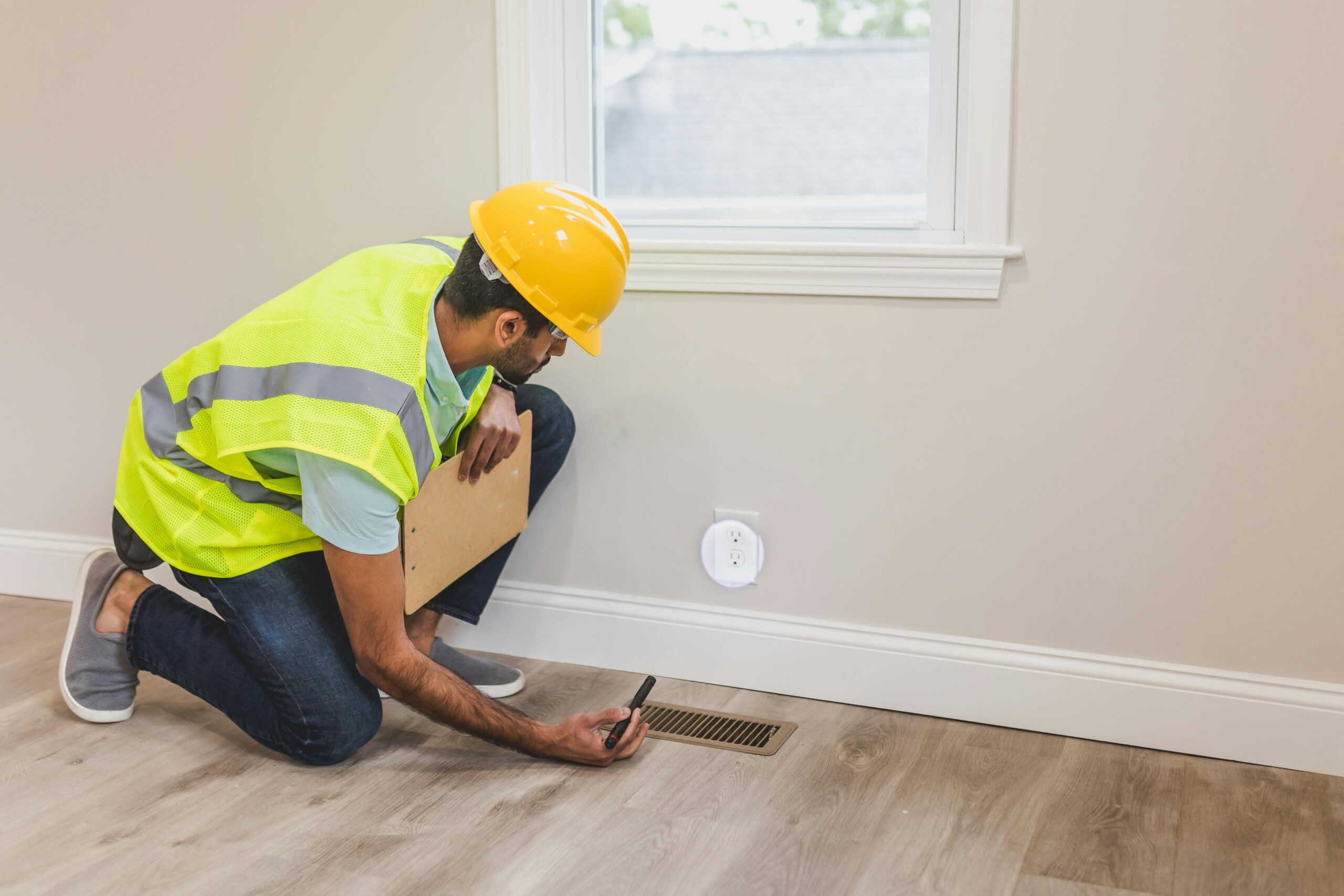
Implementing a comprehensive home safety maintenance calendar requires initial effort and ongoing commitment, but the rewards extend far beyond accident prevention.
Regular maintenance extends the lifespan of expensive home systems, preventing premature replacements. Early detection of small problems prevents them from becoming major repairs that drain your savings. Insurance companies often offer discounts for homes with updated safety systems and well-maintained properties.
Most importantly, a safe home provides intangible benefits that no amount of money can buy. You’ll sleep better knowing your family is protected from preventable hazards. You’ll travel with confidence rather than worry about what might go wrong while you’re away. You’ll build equity not just in your property’s financial value, but in your family’s wellbeing and security.
Your home is likely your largest investment and your family’s sanctuary. Protecting it through systematic safety maintenance isn’t optional—it’s an essential responsibility that deserves the same attention you give to your health, career, and relationships. Start today by choosing one task from this calendar and completing it. Then schedule the next one. Over time, these individual actions compound into a comprehensive safety system that serves you year-round, creating the secure and worry-free home you deserve.