Keeping your home appliances in top condition doesn’t have to be overwhelming. With a structured monthly maintenance schedule, you can extend the lifespan of your household equipment, save money on repairs, and ensure everything runs smoothly all year long.

Modern homes rely heavily on appliances to make daily life easier, from refrigerators that keep food fresh to washing machines that handle endless laundry loads. Yet most homeowners only think about maintenance when something breaks down. A proactive approach to appliance care prevents costly emergencies and keeps your home running efficiently month after month.
🗓️ Why Monthly Appliance Maintenance Matters
Regular appliance maintenance isn’t just about preventing breakdowns. It’s about optimizing performance, reducing energy consumption, and protecting your investment. Appliances that receive consistent care operate more efficiently, which translates directly to lower utility bills.
According to appliance manufacturers, routine maintenance can extend equipment lifespan by 40-50%. This means your refrigerator, dishwasher, or dryer could serve your family for years longer than expected, delaying the need for expensive replacements.
Additionally, well-maintained appliances are safer. Lint buildup in dryers causes thousands of house fires annually, while neglected water heaters can develop dangerous pressure issues. A monthly maintenance calendar helps you catch these hazards before they become serious problems.
January: Starting the Year with Kitchen Essentials ❄️
Begin your year by focusing on the appliances that work hardest during the holiday season. Your refrigerator deserves special attention after weeks of storing extra food and beverages.
Refrigerator Deep Clean and Coil Maintenance
Pull your refrigerator away from the wall and vacuum the condenser coils located at the back or bottom. Dust and pet hair accumulate on these coils, forcing the compressor to work harder and consume more energy. This simple task can improve efficiency by up to 25%.
Clean the interior thoroughly, removing all shelves and drawers for a proper scrub. Check door seals for cracks or looseness by closing the door on a dollar bill—if it slides out easily, the seal needs replacement.
Dishwasher Filter and Spray Arm Check
Remove and clean your dishwasher filter, which traps food particles and debris. A clogged filter reduces cleaning effectiveness and can lead to unpleasant odors. Inspect spray arms for blockages by removing them and running water through the holes.
February: Laundry Room Focus
February’s shorter days make it perfect for indoor maintenance tasks, particularly in the laundry room where appliances face constant use.
Washing Machine Deep Clean
Run an empty hot water cycle with two cups of white vinegar to remove detergent buildup, mold, and mildew. For front-loading machines, pay special attention to the rubber door seal where moisture and residue accumulate.
Check hoses for cracks, bulges, or leaks. Replace any hoses older than five years, as they’re prone to bursting and causing significant water damage. Clean the lint filter if your washer has one, and wipe down the exterior with appropriate cleaner.
Dryer Vent System Cleaning
This is arguably the most critical safety task on your maintenance calendar. Disconnect the dryer and remove the vent hose. Use a dryer vent brush or vacuum attachment to clean the entire vent pathway from the dryer to the exterior outlet.
Lint buildup restricts airflow, making your dryer work harder and creating a serious fire hazard. While you’re at it, clean the lint trap housing with a vacuum and check the exterior vent flap to ensure it opens and closes freely.
March: HVAC System Preparation 🌸
As winter transitions to spring, your heating and cooling systems need attention to prepare for seasonal changes.
Air Conditioning Pre-Season Checkup
Replace or clean HVAC filters—a task you should actually perform monthly or every three months depending on usage. Clean filters improve air quality and system efficiency significantly.
Inspect the outdoor AC unit, removing debris, leaves, and vegetation within two feet of the unit. Gently clean the fins with a soft brush and straighten any bent fins with a fin comb.
Thermostat Calibration
Test your thermostat accuracy by placing a glass thermometer near it and comparing readings. Clean the thermostat interior carefully, and consider upgrading to a programmable or smart thermostat for better energy management.
April: Water Heater and Plumbing Appliances
Spring cleaning should include your home’s water-related appliances, which often get overlooked until problems arise.
Water Heater Flushing
Sediment buildup reduces efficiency and can damage your water heater over time. Attach a garden hose to the drain valve and flush several gallons of water into a bucket or drain. The water should run clear; if it’s cloudy or contains sediment, continue flushing.
Check the temperature setting—120°F is optimal for most households, balancing comfort with energy efficiency and safety. Test the pressure relief valve by lifting the lever slightly; water should flow freely and stop when you release it.
Garbage Disposal Cleaning
Grind ice cubes and rock salt to clean disposal blades, followed by citrus peels for freshness. Pour a mixture of baking soda and vinegar down the disposal, let it sit for 10 minutes, then flush with hot water.
May: Outdoor and Seasonal Appliances ☀️
As outdoor living season begins, prepare appliances you’ll use throughout warmer months.
Grill and Outdoor Cooking Equipment
Deep clean your grill, removing grates and burner covers. Check gas connections for leaks using soapy water—bubbles indicate a leak that needs immediate attention. Replace worn-out parts like igniters or burner tubes.
Clean or replace lava rocks and ceramic briquettes. Inspect propane tanks for rust, dents, or expiration dates.
Dehumidifier Preparation
Clean the water reservoir with mild detergent and rinse thoroughly. Wash or replace filters according to manufacturer specifications. Position dehumidifiers in basements or humid areas before moisture problems develop.
June: Kitchen Appliance Tune-Up
Oven and Stovetop Deep Clean
Remove oven racks and run the self-cleaning cycle if available, or clean manually with appropriate cleaners. Don’t forget the often-neglected space between the oven door glass panels—many models allow you to access this area for cleaning.
Check stovetop burners for clogs or uneven flames. Clean gas burner ports with a toothpick or small wire. For electric stoves, ensure heating elements sit level and show no signs of damage.
Microwave Maintenance
Steam-clean your microwave by heating a bowl of water with lemon slices for three minutes. Wipe down interior surfaces easily. Check door seals and test the door latch mechanism for proper function.
July: Small Appliance Assessment 🏖️
Summer is perfect for evaluating and maintaining smaller appliances that contribute to daily convenience.
Coffee Maker Descaling
Run a brewing cycle with equal parts water and white vinegar, followed by two cycles of plain water. This removes mineral deposits that affect taste and performance. Clean removable parts in warm soapy water.
Vacuum Cleaner Care
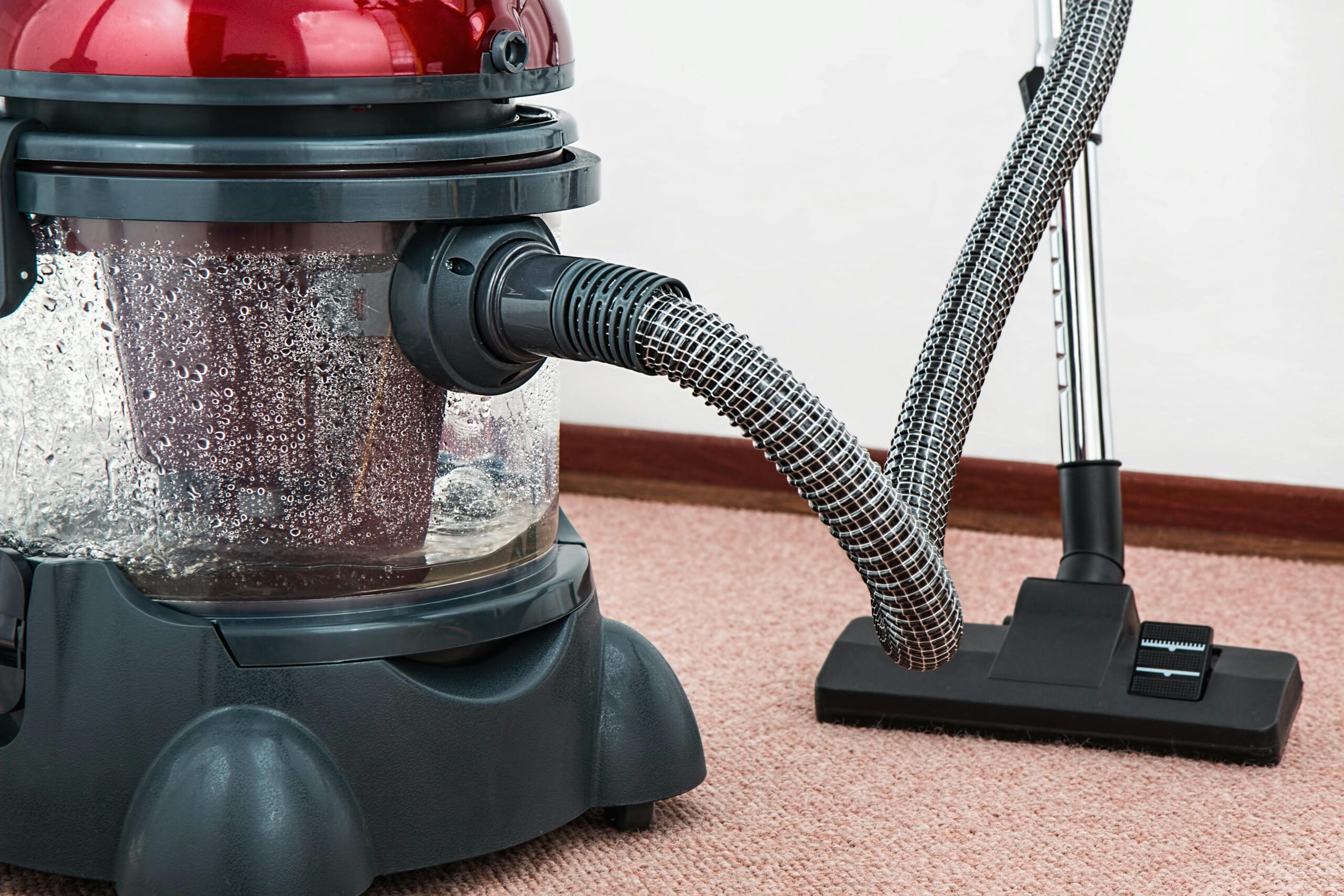
Empty bags or canisters, wash filters, and check the brush roll for tangled hair and debris. Inspect belts for wear and replace if necessary. Clean sensors on robotic vacuums and update software if applicable.
August: Cooling System Optimization
During peak cooling season, your air conditioning works overtime and needs attention to maintain efficiency.
AC Filter Replacement and Efficiency Check
Replace filters monthly during heavy use periods. Monitor your energy bills for unusual spikes that might indicate system problems. Listen for unusual noises or watch for ice formation on refrigerant lines—both signal issues requiring professional attention.
Ceiling Fan Balance and Cleaning
Clean fan blades thoroughly and check for wobbling. Tighten loose screws and use a balancing kit if needed. Ensure fans rotate counterclockwise in summer to push cool air downward.
September: Fall Preparation and Heating System Ready 🍂
Furnace Pre-Season Service
Replace furnace filters and test the system before cold weather arrives. Clean around the furnace area, removing any stored items that could pose fire hazards. Schedule professional maintenance if you haven’t had a tune-up in the past year.
Chimney and Fireplace Inspection
If you have a gas or wood-burning fireplace, have the chimney inspected and cleaned. Test fireplace dampers and doors for proper operation. Stock up on carbon monoxide detectors and test existing ones.
October: Refrigeration and Food Storage
Before holiday cooking season begins, ensure refrigeration appliances are in peak condition.
Freezer Defrost and Organization
If you have a manual defrost freezer, October is ideal for defrosting and deep cleaning. Even frost-free models benefit from periodic emptying and thorough cleaning. Check freezer temperature—0°F is optimal for food safety and quality.
Second Refrigerator Maintenance
Many households have garage or basement refrigerators that receive less attention. Apply the same maintenance tasks: clean coils, check seals, verify temperatures, and clean thoroughly.
November: Holiday Appliance Prep 🦃
Oven and Range Deep Clean
Before holiday cooking marathons, ensure your oven operates efficiently. Calibrate oven temperature with an oven thermometer—many ovens run hot or cold by 25 degrees or more. Clean range hood filters to improve ventilation during heavy cooking.
Dishwasher Optimization
Run a dishwasher cleaner through an empty cycle to remove buildup. Check spray arm rotation and ensure the door latch functions properly. Verify the rinse aid dispenser is full for spot-free dishes during holiday entertaining.
December: Year-End Review and Winter Safety ❄️
Water Heater Final Check
With guests and holiday activities increasing hot water demand, ensure your water heater is ready. Check for leaks, unusual noises, or rust spots. Consider insulating the tank and pipes to improve efficiency during cold months.
Space Heater Safety Inspection
If you use portable space heaters, inspect cords for damage and test all safety features like tip-over switches and overheat protection. Keep heaters at least three feet from combustibles and never leave them unattended.
Creating Your Personalized Maintenance Schedule 📋
While this calendar provides a comprehensive framework, customize it based on your specific appliances and household needs. Some factors to consider:
- Household size affects how frequently appliances need attention
- Climate impacts HVAC maintenance requirements
- Appliance age may require more frequent checks for older units
- Manufacturer recommendations should always take precedence
- Usage patterns determine maintenance frequency
Tracking Your Maintenance Activities
Keep a maintenance log for each major appliance, noting dates of service, parts replaced, and any issues discovered. This documentation proves valuable when selling your home and helps identify recurring problems that might warrant professional assessment.
Set calendar reminders on your phone or use a home maintenance app to ensure you don’t skip scheduled tasks. Some smart home systems even track appliance usage and alert you when maintenance is due.
When to Call Professionals vs. DIY Maintenance 🔧
Most monthly maintenance tasks are straightforward and safe for homeowners to perform. However, certain situations require professional expertise:
- Gas line connections or suspected gas leaks
- Electrical issues beyond basic plug inspections
- HVAC refrigerant handling
- Major appliance repairs involving internal components
- Warranty-covered equipment that requires authorized service
Professional annual tune-ups for HVAC systems and major appliances complement your monthly maintenance routine. These comprehensive inspections catch issues before they become expensive failures.
Maximizing Energy Efficiency Through Maintenance 💡
Proper appliance maintenance directly impacts your energy consumption and utility costs. Clean refrigerator coils, unclogged dryer vents, and fresh HVAC filters can reduce energy usage by 15-30% compared to neglected appliances.
Monitor your energy bills for unusual increases that might indicate appliance problems. Many utility companies offer free energy audits that identify inefficient appliances and recommend improvements.
Building Long-Term Appliance Care Habits
The key to successful appliance maintenance is consistency. Start with the most critical tasks—those affecting safety and preventing major damage—then expand your routine as these habits become established.
Involve family members in maintenance tasks appropriate to their abilities. Children can help clean refrigerator shelves or sort laundry room supplies, building awareness about appliance care from an early age.
Remember that fifteen minutes of preventive maintenance often prevents hours of dealing with breakdowns and hundreds or thousands of dollars in repair costs. Your future self will thank you for the time invested today.
By following this year-round maintenance calendar, you’ll create a hassle-free home where appliances perform reliably, operate efficiently, and serve your family for their full expected lifespan. The peace of mind that comes from knowing your home systems are properly maintained is invaluable—no more worrying about unexpected breakdowns or emergency repair bills disrupting your life and budget.