Maintaining your HVAC system throughout the year isn’t just about comfort—it’s about protecting your investment and ensuring your home remains a sanctuary regardless of the season.

Your heating, ventilation, and air conditioning system works tirelessly to keep your indoor environment comfortable, but without proper maintenance, even the most robust systems can fail when you need them most. Understanding when and how to perform seasonal maintenance can extend your equipment’s lifespan, reduce energy bills, and prevent costly emergency repairs that always seem to happen at the worst possible times.
🌸 Spring HVAC Maintenance: Preparing for Cooling Season
As temperatures begin to rise and winter’s chill fades away, spring presents the perfect opportunity to prepare your air conditioning system for the demanding summer months ahead. This transitional season is critical for ensuring your cooling equipment operates at peak efficiency.
Essential Spring Air Conditioning Tasks
Start by inspecting your outdoor condensing unit for any debris, leaves, or vegetation that may have accumulated during winter. Clear at least two feet of space around the unit to ensure proper airflow. Remove the protective cover if you installed one for winter, and gently clean the fins using a soft brush or specialized fin comb.
Replace your air filter—this simple task can improve efficiency by up to 15% and should be done every 1-3 months depending on usage and household conditions. If you have pets, allergies, or live in a dusty environment, lean toward monthly replacements.
Check your thermostat settings and consider upgrading to a programmable or smart thermostat if you haven’t already. These devices can reduce energy consumption by automatically adjusting temperatures based on your schedule and preferences.
Professional Spring Inspection Checklist
While DIY maintenance is valuable, scheduling a professional tune-up in spring ensures comprehensive system evaluation. A qualified technician will check refrigerant levels, test electrical connections, lubricate moving parts, and inspect the condensate drain line for clogs.
Professional inspections typically reveal minor issues before they become major problems. Technicians can identify worn components, unusual sounds, or performance inefficiencies that untrained eyes might miss.
☀️ Summer HVAC Maintenance: Maximizing Cooling Efficiency
Summer places the greatest demand on your air conditioning system, making mid-season maintenance crucial for sustained performance. Even with proper spring preparation, your system benefits from attention during peak usage periods.
Monthly Summer Monitoring
Check your air filter monthly during summer, as increased runtime accelerates dirt accumulation. Monitor your energy bills for unexpected spikes that might indicate efficiency problems. Listen for unusual noises like grinding, squealing, or banging that could signal mechanical issues requiring immediate attention.
Ensure all vents throughout your home remain open and unobstructed by furniture, curtains, or other items. Blocked vents force your system to work harder, increasing energy consumption and potentially causing premature equipment failure.
Outdoor Unit Care During Peak Season
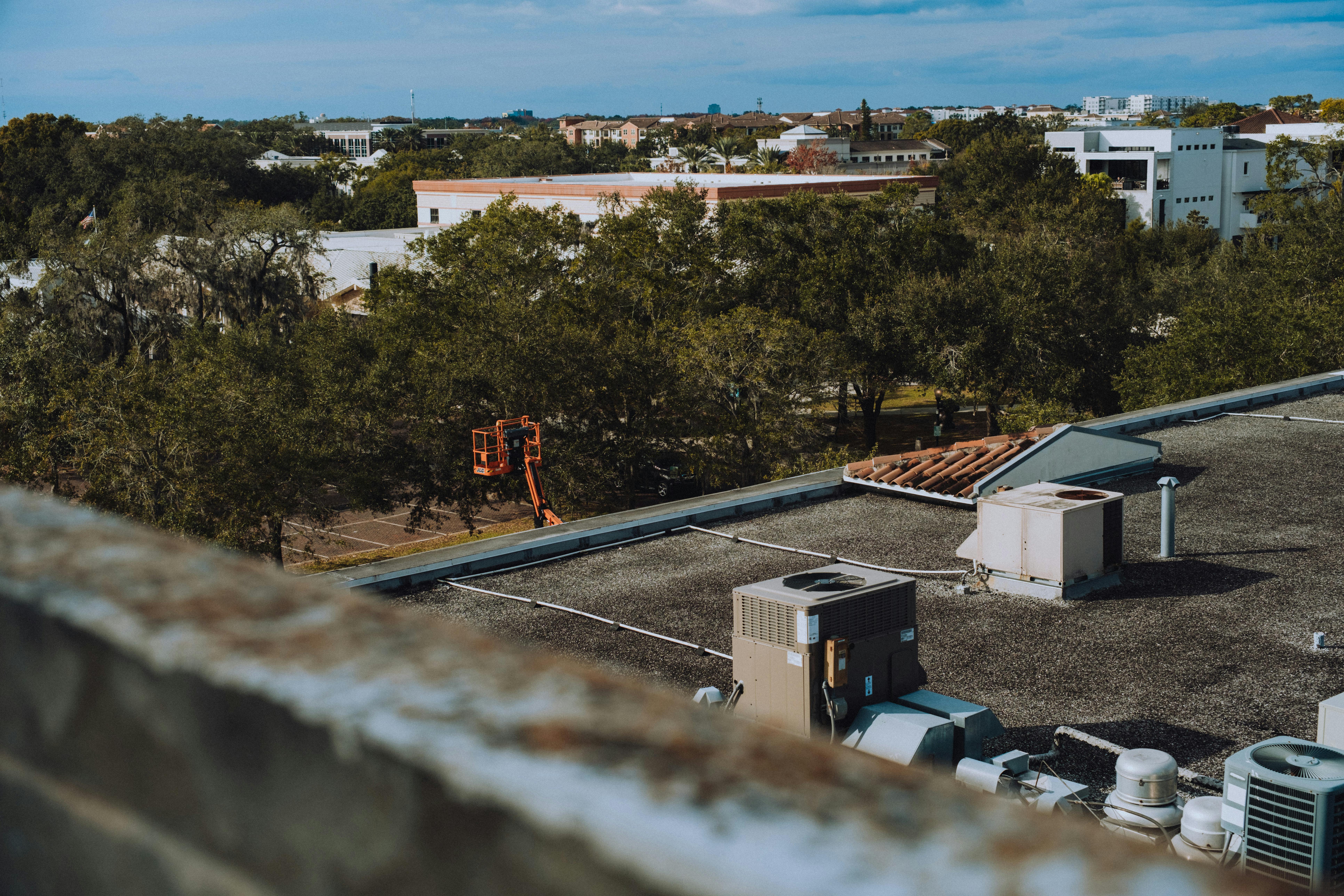
Periodically inspect your outdoor unit throughout summer, especially after storms or high winds. Remove any debris, trim vegetation that may have grown closer, and gently spray down the unit with a garden hose to remove dirt and pollen buildup.
Consider providing shade for your outdoor unit if it’s in direct sunlight, but ensure any shade structure doesn’t restrict airflow. Units operating in shade can be up to 10% more efficient than those in constant sun exposure.
🍂 Fall HVAC Maintenance: Transitioning to Heating Mode
Autumn represents another critical maintenance window as you prepare to switch from cooling to heating. This seasonal transition requires attention to different system components and offers an opportunity to ensure winter comfort.
Preparing Your Heating System
Before temperatures drop significantly, test your heating system by running it for at least 15-20 minutes. This trial run helps identify potential problems while you still have time for non-emergency repairs. Don’t wait until the first freezing night to discover your furnace isn’t working properly.
Inspect your furnace filter and replace it if necessary. Clean around your furnace area, removing any items stored nearby that could pose fire hazards. Check that all heating vents throughout your home open properly and aren’t blocked by seasonal decorations or furniture rearrangements.
Fall Professional Furnace Inspection
Schedule a professional heating system inspection in early fall, ideally before you need to use your furnace regularly. Technicians will examine the heat exchanger for cracks, test the ignition system, verify proper gas pressure and burner flame, and ensure all safety controls function correctly.
For heat pump systems, fall maintenance includes checking both heating and cooling functions, as these versatile systems work year-round. Technicians will verify reversing valve operation, inspect supplemental heating elements, and ensure the system transitions smoothly between modes.
Carbon Monoxide Safety Considerations
Fall is the perfect time to test carbon monoxide detectors and replace batteries. Furnaces, water heaters, and other combustion appliances produce this odorless, colorless gas that can be deadly. Install detectors on every level of your home, especially near sleeping areas.
Professional technicians check for proper ventilation and carbon monoxide leaks during fall inspections, but functional detectors provide essential backup protection for your family throughout the heating season.
❄️ Winter HVAC Maintenance: Sustaining Heating Performance
Winter maintenance focuses on ensuring reliable heating performance during the coldest months when system failures are most inconvenient and potentially dangerous. Regular attention during this demanding season prevents problems and maintains efficiency.
Monthly Winter Monitoring Tasks
Check your furnace filter monthly during winter, as heating systems often run continuously during cold spells. Monitor your thermostat settings and avoid drastic temperature changes that force your system to work harder than necessary.
Inspect visible ductwork in basements, attics, and crawl spaces for disconnections or damage. Seal any gaps with appropriate mastic sealant or metal tape—never regular duct tape, which deteriorates quickly.
Protecting Your System During Extreme Cold
During severe winter weather, ensure outdoor heat pump units remain clear of snow and ice buildup. Gently remove accumulation from the unit, but never use sharp objects that could damage fins or components. Many modern heat pumps include defrost cycles, but heavy accumulation can overwhelm these systems.
If you have a standard air conditioning condenser unit, consider installing a protective cover designed for winter use, but only cover the top to prevent debris while allowing air circulation to prevent moisture buildup and corrosion.
Managing Indoor Humidity Levels
Winter heating often creates dry indoor air that affects comfort and health. Monitor humidity levels, ideally maintaining 30-50% relative humidity. Consider using humidifiers to add moisture, but avoid excessive humidity that can cause condensation and mold growth.
Some modern HVAC systems include whole-home humidifiers that integrate with your heating system. These devices automatically maintain optimal humidity levels throughout your home without the hassle of portable units.
💰 Cost-Benefit Analysis of Regular HVAC Maintenance
Understanding the financial implications of seasonal maintenance helps homeowners appreciate its value beyond simple comfort considerations. Regular maintenance represents an investment that pays dividends through extended equipment life and reduced operating costs.
Energy Savings Through Preventive Maintenance
Well-maintained HVAC systems operate 15-20% more efficiently than neglected ones. For an average household spending $2,000 annually on heating and cooling, proper maintenance could save $300-400 per year—far exceeding the cost of professional tune-ups.
Clean filters, properly calibrated thermostats, adequate refrigerant levels, and lubricated moving parts all contribute to reduced energy consumption. These cumulative savings compound over years, making maintenance one of the most cost-effective home improvement investments.
Avoiding Expensive Emergency Repairs
Emergency HVAC repairs typically cost 2-3 times more than scheduled maintenance visits. Service calls during extreme weather often include premium charges, and rushed repairs may involve temporary fixes rather than comprehensive solutions.
Regular maintenance identifies worn components before they fail catastrophically. Replacing a $150 capacitor during a routine visit beats a $800 emergency service call when your air conditioner fails during a heat wave.
Extending Equipment Lifespan
HVAC systems represent significant investments, with replacement costs ranging from $5,000 to $15,000 or more depending on system type and home size. Proper maintenance can extend equipment life by 5-10 years, delaying this substantial expense.
Manufacturers typically estimate 15-20 years of service for well-maintained systems, but neglected equipment often fails within 10-12 years. The difference represents thousands of dollars in delayed replacement costs.
🔧 DIY Maintenance Tasks vs. Professional Service
Homeowners can perform many maintenance tasks themselves, but understanding when to call professionals ensures safety and prevents inadvertent damage to complex equipment.
Safe and Effective DIY Maintenance
Homeowners can confidently handle filter changes, thermostat adjustments, vent inspections, and basic cleaning around indoor and outdoor units. These tasks require minimal tools and pose little risk when performed carefully.
Keeping condensate drain lines clear using a mixture of water and vinegar prevents clogs that can cause water damage. Simply pour a cup of solution down the drain line quarterly to prevent algae and bacterial growth.
When Professional Expertise Becomes Essential
Tasks involving refrigerants, electrical components, gas connections, or internal mechanical parts require professional expertise and specialized tools. Attempting these repairs without proper training risks personal injury, equipment damage, and warranty violations.
Professional technicians carry proper licensing, insurance, and specialized diagnostic equipment that identifies problems invisible to untrained observers. Their expertise often prevents minor issues from becoming major failures.
🌡️ Smart Technology and Modern HVAC Maintenance
Technological advances have transformed HVAC maintenance, making it easier for homeowners to monitor system performance and schedule service proactively rather than reactively.
Smart Thermostats and System Monitoring
Modern smart thermostats provide detailed runtime data, energy consumption reports, and maintenance reminders. Many detect unusual patterns suggesting developing problems, alerting homeowners before complete failures occur.
These devices learn your preferences and automatically optimize schedules for maximum efficiency and comfort. Remote access allows temperature adjustments from anywhere, preventing energy waste when plans change unexpectedly.
Predictive Maintenance Through Connected Systems
Advanced HVAC systems now include sensors that monitor performance metrics continuously. These systems can alert service providers to developing problems, enabling truly predictive maintenance that addresses issues before they impact comfort or efficiency.
Some manufacturers offer monitoring services that analyze system data remotely, scheduling maintenance automatically based on actual equipment condition rather than arbitrary time intervals.
🏡 Creating Your Personalized Maintenance Calendar
Implementing a consistent maintenance schedule requires organization and commitment, but creating a personalized calendar makes the process manageable and ensures nothing gets overlooked.
Quarterly Maintenance Reminders
Set calendar reminders for seasonal tasks: spring AC preparation, summer monitoring, fall heating system checks, and winter performance verification. Schedule professional tune-ups in spring and fall before peak demand seasons.
Link maintenance tasks to memorable dates like holidays or seasonal events to build consistent habits. For example, check filters when adjusting clocks for daylight saving time, or schedule professional service around spring cleaning and fall preparation activities.
Documenting Service History
Maintain records of all maintenance activities, repairs, and professional service visits. Documentation helps identify recurring problems, tracks warranty information, and provides valuable information if you sell your home.
Many service companies offer digital portals where maintenance history is automatically recorded, but keeping personal records ensures you always have access to this information regardless of which company performs future service.
🌟 The Comfort and Peace of Mind Factor
Beyond financial considerations, regular HVAC maintenance delivers intangible benefits that significantly impact quality of life and overall home satisfaction.
Knowing your system receives proper care provides peace of mind during extreme weather. You can trust your heating during winter storms and rely on cooling during summer heat waves without anxiety about unexpected failures.
Consistent indoor comfort improves sleep quality, productivity, and overall wellbeing. Temperature fluctuations and equipment failures create stress that extends beyond simple discomfort, affecting daily life in multiple ways.
Well-maintained systems operate more quietly, reducing background noise that can be surprisingly disruptive. Clean systems also improve indoor air quality, reducing allergens, dust, and other particles that affect respiratory health.
Taking Action for Year-Round Comfort
Your HVAC system represents one of your home’s most important and expensive components. Protecting this investment through regular seasonal maintenance ensures reliable performance, maximum efficiency, and extended equipment life.
Start by implementing simple monthly tasks like filter checks and visual inspections. Schedule professional tune-ups twice yearly, ideally in spring before cooling season and fall before heating season. Create calendar reminders to maintain consistency and prevent maintenance tasks from being forgotten during busy periods.
The small investment of time and money in preventive maintenance pays enormous dividends through lower energy bills, fewer repairs, extended equipment life, and most importantly, reliable comfort throughout every season. Don’t wait for a breakdown to discover the importance of maintenance—take action today to ensure your system performs optimally year-round.
Whether you’re enduring summer heat or winter cold, proper HVAC maintenance keeps your home comfortable, your energy bills manageable, and your mind at ease knowing your system will perform when you need it most. Make seasonal maintenance a priority, and enjoy the peace of mind that comes with a well-maintained home comfort system.