Windows that refuse to slide smoothly can transform a simple task into a frustrating battle. Whether you’re dealing with a bedroom window that won’t budge or a patio door that groans with every movement, stuck window tracks are more than just annoying—they can affect your home’s ventilation, security, and energy efficiency.

The good news is that most window track problems can be solved without calling a professional. With the right knowledge and tools, you’ll have your windows gliding effortlessly again in no time. This comprehensive guide will walk you through everything you need to know about diagnosing and fixing stubborn window tracks.
🔍 Understanding Why Window Tracks Get Stuck
Before diving into solutions, it’s essential to understand what causes window tracks to malfunction. The most common culprits include accumulated dirt and debris, dried lubricant, paint buildup, warped frames, and damaged rollers or hardware. Environmental factors like humidity and temperature fluctuations can also contribute to the problem by causing wood to swell or metal components to corrode.
Dirt and debris are particularly problematic in window tracks. Over time, dust, pet hair, dead insects, and outdoor particles settle into the channels. When mixed with moisture, this debris forms a gummy paste that increases friction and prevents smooth operation. In coastal areas, salt accumulation can compound this issue, while homes near construction sites may experience faster buildup of fine dust particles.
Essential Tools and Materials for Window Track Repair
Gathering the right supplies before starting your repair project will make the process much more efficient. You’ll need basic cleaning tools like a vacuum with a crevice attachment, old toothbrushes or small scrub brushes, microfiber cloths, and a bucket of warm soapy water. For more stubborn situations, consider having a plastic putty knife or old credit card to scrape away hardened debris without scratching the track surface.
For lubrication and protection, stock up on silicone-based lubricant spray, white lithium grease for metal tracks, or paraffin wax for vinyl tracks. Avoid using WD-40 or oil-based lubricants as these attract more dirt over time. You may also need replacement parts such as new rollers, weatherstripping, or track sections, depending on your window’s condition.
🧹 The Deep Cleaning Method for Window Tracks
Start by opening the window as far as possible to access the entire track. Use your vacuum’s crevice tool to remove loose dirt, dust, and debris from both the upper and lower tracks. Pay special attention to the corners and tight spaces where debris tends to accumulate. This initial vacuuming can remove up to 70% of the problem-causing material.
Next, spray the tracks with a mixture of warm water and dish soap or use a vinegar solution for tougher grime. Allow the cleaning solution to sit for 5-10 minutes to soften stubborn buildup. Use your toothbrush or small scrub brush to work the solution into all crevices, scrubbing in a back-and-forth motion along the track’s length.
For paint drips or extremely hardened debris, carefully use your plastic scraper to lift the material away from the track surface. Work slowly and at a shallow angle to avoid gouging the metal or vinyl. If you encounter rust spots on metal tracks, create a paste using baking soda and water, apply it to the affected areas, let it sit for 15 minutes, then scrub with a brush.
After scrubbing, wipe down the tracks with clean, damp microfiber cloths, changing them as they become dirty. Make several passes until the cloths come away clean. Finally, dry the tracks thoroughly with a clean towel to prevent water spots and rust formation. This step is crucial—any remaining moisture can attract new dirt and undo your hard work.
Proper Lubrication Techniques for Different Window Types
Once your tracks are spotlessly clean and completely dry, proper lubrication is essential for restoring smooth operation. The type of lubricant you choose should match your window material and mechanism. Vinyl window tracks work best with dry lubricants like silicone spray or paraffin wax, which don’t attract dust and dirt like wet lubricants do.
For vinyl tracks, run a candle or paraffin wax block along the entire length of the track channel. The friction from the application will deposit a thin, slick layer that dramatically reduces resistance. Alternatively, spray a light coating of silicone lubricant and spread it evenly with a clean cloth. Avoid over-applying—a thin, even coat is more effective than a heavy application.
Metal tracks and aluminum windows benefit from silicone-based lubricants or white lithium grease. Apply the lubricant sparingly to the track channels and any roller mechanisms. If your windows have visible rollers or wheels, apply a small amount directly to these components, rotating them to work the lubricant into the bearings. For wooden window frames, avoid moisture-attracting lubricants and stick with dry silicone or specialized furniture wax.
🔧 Addressing Hardware and Mechanical Issues
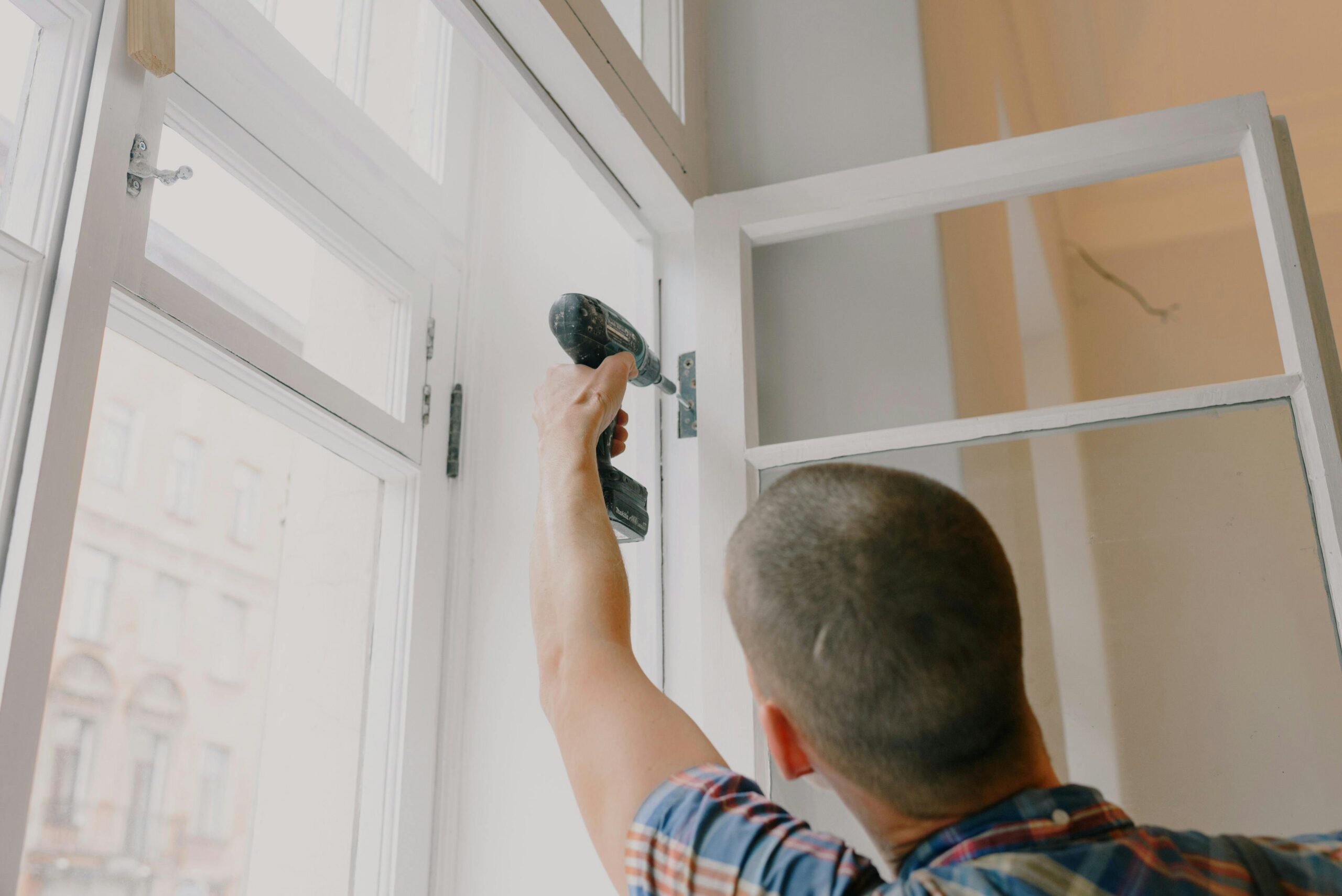
Sometimes cleaning and lubrication aren’t enough—the actual hardware may need attention or replacement. Window rollers are common failure points, especially in sliding glass doors and horizontal sliding windows. To inspect the rollers, you’ll typically need to remove the window sash from the frame by lifting it up and tilting it out or by removing retaining screws.
Once removed, examine the rollers for wear, cracks, or flat spots. Spin each roller with your finger—it should rotate freely without wobbling or grinding. If rollers are damaged, take them to a hardware store to find exact replacements or bring the measurements of your window track. Installing new rollers can make your window feel brand new, often transforming a nearly immovable window into one that glides with minimal effort.
Check the alignment of your window within its frame as well. Misalignment often occurs when homes settle or when installation wasn’t perfectly level. Use a level tool to check if the window frame is plumb and square. Minor adjustments can sometimes be made by loosening mounting screws, repositioning the window, and retightening. For significant alignment issues, you may need to consult a professional to avoid causing further damage.
Fixing Warped and Damaged Window Tracks
Physical damage to the track itself presents a more challenging situation but isn’t necessarily unsolvable. Small dents in aluminum tracks can sometimes be carefully straightened using a rubber mallet and a wooden block. Place the block against the dent and tap gently with the mallet, working gradually to avoid creating new bends or kinks.
For more severely damaged tracks, replacement sections may be available at home improvement stores. Measure your existing track carefully, noting its width, depth, and any unique profile features. Many manufacturers sell replacement track sections that can be cut to length and installed with basic tools. This approach is often more cost-effective than replacing the entire window unit.
Weatherstripping deterioration can also impede window operation. When weatherstripping becomes brittle, torn, or compressed, it creates uneven resistance that makes windows difficult to operate. Removing old weatherstripping and installing fresh material not only improves functionality but also enhances your home’s energy efficiency by reducing air leaks.
🌧️ Preventing Future Window Track Problems
Prevention is always easier than repair, and establishing a maintenance routine will keep your windows functioning smoothly for years. Schedule a thorough cleaning of all window tracks at least twice a year—ideally in spring and fall. During these cleanings, vacuum tracks, wipe them down, check hardware condition, and reapply lubricant as needed.
Consider installing window screens if you haven’t already, as these significantly reduce the amount of debris that enters tracks. Clean your screens regularly to prevent them from becoming clogged and allowing particles through. In dusty environments or areas with high pollen counts, you may need to increase your cleaning frequency to quarterly intervals.
Address small problems immediately before they become major issues. If you notice your window starting to stick or making unusual noises, investigate right away rather than forcing it to operate. Forcing stuck windows can damage rollers, bend tracks, or crack frames, creating much more expensive repairs down the road.
Apply a thin layer of lubricant every few months, especially before winter when cold temperatures can cause materials to contract and increase friction. In coastal environments, wipe down metal components monthly to prevent salt corrosion. These small preventive steps take minimal time but can add years to your windows’ functional lifespan.
Seasonal Considerations for Window Track Maintenance
Different seasons present unique challenges for window functionality. During spring, pollen accumulation can quickly clog tracks, requiring more frequent cleaning. Spring is also the ideal time to inspect for damage that may have occurred during winter storms and to prepare windows for increased use during warmer months.
Summer heat can cause vinyl and wood components to expand, potentially making windows tighter in their frames. If windows become difficult to operate during hot weather but function normally when temperatures cool, thermal expansion is likely the cause. Ensure adequate lubrication and avoid forcing windows during peak heat periods.
Fall brings leaves, seed pods, and other organic debris that can quickly fill window tracks. Clean tracks thoroughly before winter to prevent moisture from combining with debris and freezing, which can cause serious damage. Check weatherstripping carefully during fall maintenance, as winter drafts make any gaps immediately noticeable on your heating bill.
Winter presents the challenge of ice formation in tracks and condensation issues. Never force frozen windows, as this can crack glass or damage frames. Instead, use a hair dryer on low heat to gently warm the track and melt ice. Address condensation problems by improving ventilation and considering the use of a dehumidifier to reduce moisture levels that contribute to track issues.
💡 When to Call a Professional Window Repair Service
While many window track problems can be resolved with DIY methods, certain situations warrant professional intervention. If your window frame shows signs of rot, particularly in wooden windows, a professional should assess the structural integrity before further operation. Rot can compromise not just window function but also home security and weather protection.
Broken glass, cracked frames, or severely damaged hardware also call for professional expertise. These issues involve safety concerns and may require specialized tools or materials. Additionally, if you’ve attempted cleaning and lubrication without success, a professional can diagnose underlying problems that may not be immediately apparent, such as foundation settling affecting window alignment.
For high or difficult-to-reach windows, especially second-story or higher installations, professional service is safer and more practical. Window specialists have the appropriate ladders, safety equipment, and experience to work safely at height. They can also identify problems with multiple windows that might indicate broader issues with your home’s structure or original installation quality.
Upgrading to Modern Window Solutions
If you’re dealing with repeatedly stuck windows despite proper maintenance, it might be time to consider replacement. Modern windows offer significant advantages over older models, including improved energy efficiency, better security features, easier operation, and reduced maintenance requirements. New vinyl windows with fusion-welded frames virtually eliminate air infiltration and require minimal upkeep.
Today’s window technology includes features like tilt-in sashes for easy cleaning, integrated screens, advanced weatherstripping systems, and corrosion-resistant hardware. Many modern windows also include lifetime warranties on hardware components, providing peace of mind and long-term value. While the upfront investment is substantial, energy savings and reduced maintenance can offset costs over time.
When considering replacement, evaluate all your home’s windows together rather than replacing them individually. Many manufacturers offer significant discounts for whole-house installations, and replacing multiple windows at once ensures consistent appearance and performance throughout your home. Professional installation typically includes proper sealing and insulation, further enhancing energy efficiency.
🏠 Special Considerations for Different Window Styles
Different window styles present unique challenges and solutions. Sliding horizontal windows typically have two or more rollers in the bottom track and guides in the top. Focus your maintenance attention on the bottom track where weight-bearing rollers operate, as this is where most problems occur.
Double-hung windows operate vertically and use a balance system rather than tracks in the traditional sense. These windows may stick due to paint binding, swollen wood, or broken balance mechanisms. Cleaning the channels where sashes slide and ensuring proper lubrication of contact points usually resolves sticking issues.
Casement windows that crank open rarely experience track problems but can develop issues with their opening mechanisms. Keep the crank mechanism lubricated and ensure the arm that extends when opening moves freely. Clean any debris from the hinges and lubricate them annually for smooth operation.
Bay and bow windows often combine fixed and operable sections. Focus your maintenance on the operable portions, but inspect all seals and weatherstripping regularly, as these windows’ angles make them particularly vulnerable to water infiltration and air leaks.
Environmental and Health Benefits of Well-Maintained Windows
Properly functioning windows contribute significantly to your home’s environmental footprint and indoor air quality. Windows that don’t seal correctly due to track problems allow conditioned air to escape, forcing your HVAC system to work harder and consume more energy. This increased energy use translates directly to higher utility bills and a larger carbon footprint.
Well-maintained windows also improve ventilation control, allowing you to effectively use natural air circulation when weather permits. This reduces reliance on air conditioning and improves indoor air quality by allowing stale air to escape and fresh air to enter. During allergy seasons, properly functioning windows with good screens help filter outdoor allergens while still providing ventilation.
The ability to open windows easily encourages their use, which benefits both physical and mental health. Natural light and fresh air have been shown to improve mood, increase productivity, and promote better sleep patterns. Windows that are difficult to operate often remain closed, depriving occupants of these benefits.
✨ Restoring Smooth Operation for Years to Come
Successfully repairing stuck window tracks requires understanding the problem’s root cause, applying appropriate cleaning and lubrication techniques, and establishing a preventive maintenance routine. Most window track issues can be resolved with basic tools, a few hours of effort, and attention to detail. The satisfaction of transforming a stubborn, stuck window into one that glides effortlessly is matched only by the practical benefits of improved ventilation, energy efficiency, and home comfort.
Remember that regular maintenance is far easier than emergency repairs. By dedicating a small amount of time twice a year to window track care, you’ll avoid the frustration of stuck windows and extend the lifespan of your window units. Whether you’re maintaining vinyl, wood, or aluminum windows, the principles remain the same: keep tracks clean, properly lubricated, and address small problems before they become major repairs.
Your windows are one of your home’s most important features, connecting interior spaces with the outside world while protecting against weather and providing security. Treating them with appropriate care ensures they’ll continue performing these vital functions smoothly and efficiently for many years to come. Now that you’re armed with expert knowledge and practical techniques, those stuck window tracks don’t stand a chance!