A worn-out, moldy, or cracked caulk line around your bathtub or shower can instantly make your entire bathroom look neglected and dated.

Beyond aesthetics, deteriorating caulk creates a pathway for water to seep behind tiles and fixtures, potentially causing expensive water damage, mold growth, and structural issues. Learning to re-caulk properly transforms your bathroom from grimy to gleaming while protecting your home investment. This comprehensive guide walks you through every step of achieving professional-quality results that will keep your bathroom looking fresh and leak-free for years to come.
🔍 Why Re-Caulking Should Be on Your Home Maintenance Checklist
Caulk serves as the waterproof barrier between your bathtub or shower and the surrounding walls. Over time, constant exposure to water, soap residue, cleaning products, and temperature fluctuations causes caulk to break down. You’ll notice discoloration, gaps forming, peeling edges, or black mold appearing along the seam.
Ignoring these warning signs invites serious problems. Water infiltration behind walls leads to rotting drywall, damaged subflooring, and extensive mold colonies that threaten both your home’s structure and your family’s health. The moisture also attracts pests and creates unpleasant odors that permeate your bathroom.
Regular re-caulking every two to five years—depending on usage and product quality—prevents these costly scenarios while maintaining your bathroom’s pristine appearance. The investment of a few hours and minimal materials pays dividends in protection and visual appeal.
🛠️ Essential Tools and Materials for a Professional Finish
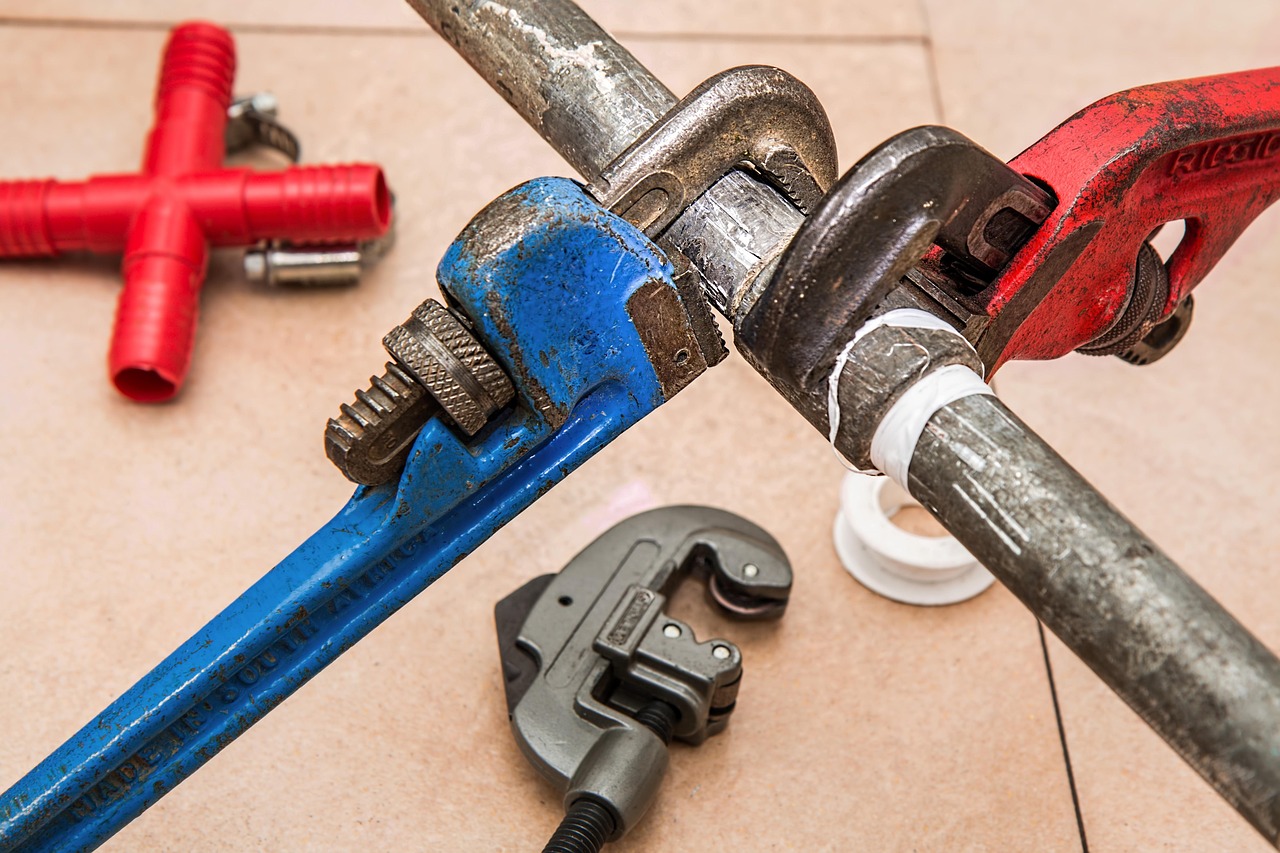
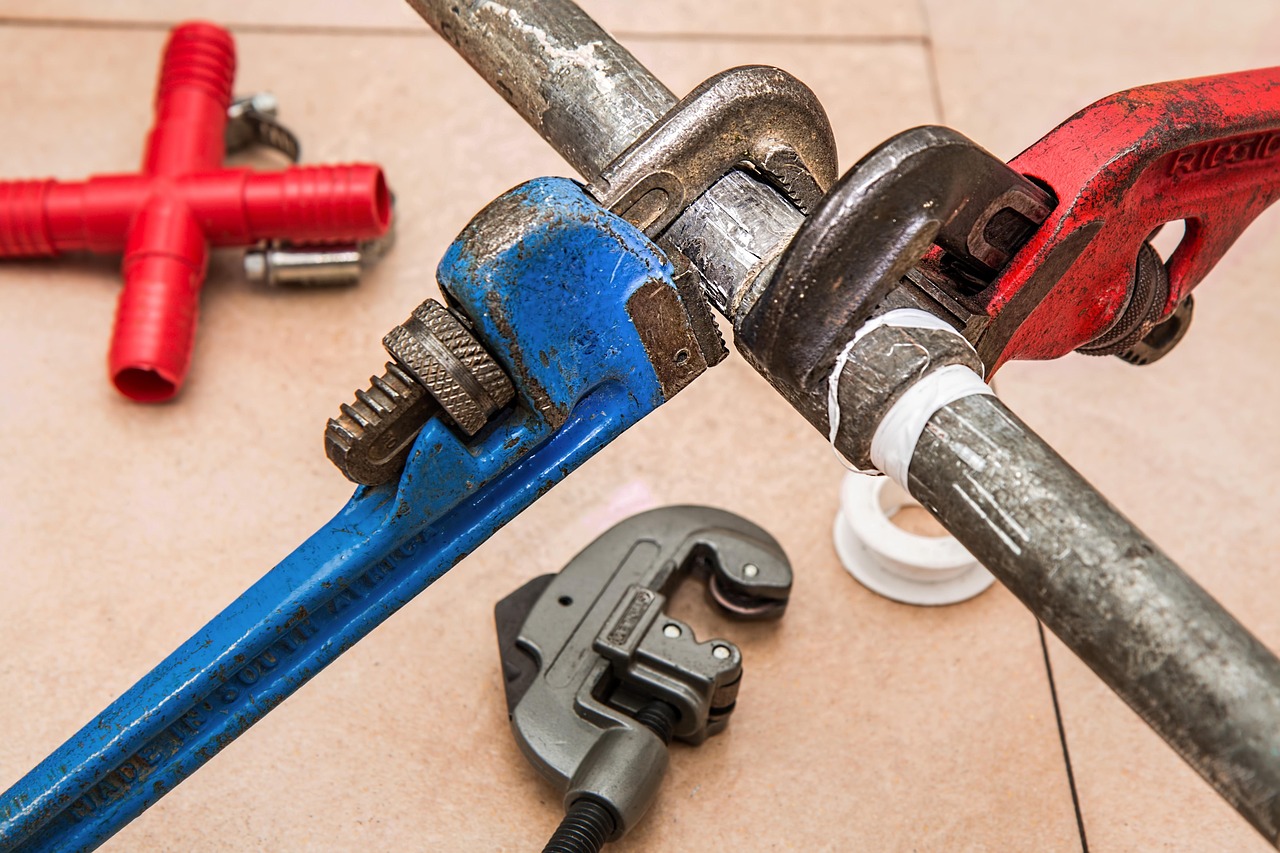
Gathering the right supplies before starting ensures smooth progress and superior results. Here’s everything you’ll need for a complete re-caulking project:
- Caulk removal tool or utility knife: Specially designed scrapers make old caulk removal faster and safer
- Razor blade scraper: Perfect for removing stubborn residue flush with surfaces
- Silicone caulk remover: Chemical solutions soften old caulk for easier extraction
- High-quality silicone caulk: Choose 100% silicone formulated specifically for bathrooms with mold and mildew resistance
- Caulking gun: A smooth-action gun provides better control than cheaper models
- Painter’s tape: Creates perfectly straight lines and protects surfaces
- Rubbing alcohol or mineral spirits: Essential for thorough surface cleaning
- Clean rags and paper towels: Multiple clean cloths prevent contamination
- Caulk finishing tool or your finger: Smoothing tools create consistent, professional-looking beads
- Safety gloves and eye protection: Protect yourself during removal and application
Choosing the Right Caulk Type
Not all caulk products perform equally in wet bathroom environments. Acrylic latex caulk may seem cheaper, but it lacks the flexibility and water resistance necessary for bathtub applications. Always select 100% silicone caulk designed for kitchen and bath use.
Look for products specifically labeled as mold and mildew resistant, with antimicrobial additives that inhibit growth. Clear silicone works with any color scheme, while white remains the most popular choice for classic bathrooms. Some manufacturers offer color-matched options for specific fixture brands.
Premium products cost slightly more but cure faster, adhere better, and last significantly longer than bargain alternatives. The difference between a three-year lifespan and a seven-year lifespan makes the modest price increase worthwhile.
🧹 Step One: Complete Removal of Old Caulk
Thorough removal of existing caulk determines whether your new application will adhere properly and last. Rushing this crucial step guarantees premature failure, so plan to spend adequate time on careful extraction.
Start by cutting through the old caulk bead lengthwise using a utility knife or specialized caulk removal tool. Make one cut along the tub edge and another along the wall edge to separate the bead from both surfaces. Apply steady, controlled pressure to avoid scratching porcelain, acrylic, or tile finishes.
Once scored, use the removal tool to pry the caulk strip away from surfaces. Work in sections, pulling steadily rather than yanking, which could damage the surrounding area. Stubborn sections may require additional scoring or the application of silicone caulk remover chemical.
Using Chemical Caulk Removers Effectively
When old caulk refuses to budge or crumbles during removal, chemical removers dissolve the adhesive bond. Apply the remover according to package directions, typically allowing it to sit for several hours or overnight. These products soften even ancient, hardened silicone for easier scraping.
Ensure adequate ventilation when using chemical removers, as fumes can be strong. Protect your eyes and skin, and keep the bathroom door open with a fan running. After the dwell time, the softened caulk should peel away with minimal effort.
Follow up with a razor blade scraper held at a low angle to remove every trace of residue. Any remaining bits prevent proper adhesion of new caulk, creating future failure points where water can penetrate.
💧 Deep Cleaning and Surface Preparation
After removing all visible caulk, the surfaces require thorough cleaning to eliminate soap scum, body oils, mildew, and silicone residue. New caulk only bonds to completely clean, dry surfaces, making this step absolutely critical.
Begin by wiping the entire area with rubbing alcohol or mineral spirits on a clean cloth. These solvents dissolve silicone oils and other contaminants that repel new caulk. Make multiple passes with fresh sections of cloth until no residue transfers.
For areas with visible mold or mildew, spray with a bleach solution or specialized mildew remover. Allow it to work for the recommended time, then scrub with an old toothbrush to dislodge spores from porous surfaces. Rinse thoroughly and wipe completely dry.
The Crucial Drying Period
Moisture is silicone caulk’s enemy during application. Even microscopic water droplets prevent proper adhesion and can become trapped under the new bead, creating bubbles and weak spots that leak immediately.
After cleaning, allow the joint to air dry for at least 24 hours. Run a bathroom fan continuously and keep the room warm and well-ventilated. Some professionals use hair dryers on low heat to ensure complete dryness before proceeding.
Test dryness by running your fingers along the joint. Surfaces should feel completely dry to the touch with no coolness indicating residual moisture. In humid climates or after extensive water exposure, extend drying time to 48 hours.
📏 Masking for Perfectly Straight Lines
Professional-looking caulk lines rarely happen by freehand application alone. Painter’s tape creates guides that ensure consistent width and perfectly straight beads that elevate your bathroom’s finished appearance.
Apply tape along the tub edge approximately 1/8 inch from the joint, creating the lower boundary of your caulk line. Then apply another strip along the wall, also 1/8 inch from the joint, establishing the upper boundary. The gap between tape strips becomes your caulk zone.
Press tape edges firmly to prevent caulk from seeping underneath, which creates messy, irregular lines. Smooth out any bubbles or wrinkles with your fingernail. The tape acts as both a guide and a cleanup aid, dramatically simplifying the finishing process.
Optimal Tape Positioning Strategy
The distance between tape strips determines your finished bead width. For standard tub-to-wall joints, 1/4 inch provides adequate coverage without excessive material. Wider gaps may require slightly more, while tight joints work with less.
Ensure tape runs perfectly parallel on both sides for consistent width throughout. Uneven spacing creates an amateurish appearance that draws attention to imperfections. Take extra time positioning tape precisely—it shows in the final result.
🎯 Applying New Caulk Like a Professional
With surfaces prepared and tape positioned, you’re ready for the actual caulk application. Cut the caulk tube nozzle at a 45-degree angle, creating an opening slightly smaller than your desired bead size. Smaller openings give better control than larger ones.
Pierce the inner seal with a long nail or the wire on your caulking gun. Load the tube into the gun and test the flow on cardboard to ensure smooth, consistent material dispensing without air bubbles or lumps.
Position the nozzle at the starting point, holding the gun at a 45-degree angle. Apply steady, even pressure to the trigger while moving along the joint in one continuous motion. Maintain consistent speed and pressure for uniform bead thickness.
The Continuous Bead Technique
Never stop mid-joint or lift the nozzle during application. Starting and stopping creates weak points, visible seams, and inconsistent appearance. Complete each section in one smooth pass, moving steadily without rushing.
If you must pause, release trigger pressure slightly before stopping to prevent excess caulk buildup. When resuming, overlap the stopped point slightly to ensure continuity without creating a visible bulge.
For long runs, practice maintaining consistent trigger pressure and movement speed. Inconsistency shows as thick and thin sections that look unprofessional and may not seal effectively.
✨ Smoothing and Finishing for a Flawless Appearance
Immediately after applying caulk, you have a brief window to smooth and shape the bead before it begins curing. This critical step transforms a rough, uneven application into a sleek, professional finish.
Most professionals use a fingertip dipped in soapy water, running it along the fresh bead in one continuous stroke. The soap prevents sticking while your finger shapes the caulk into a slight concave curve that sheds water effectively.
Alternatively, specialized caulk finishing tools with various profile shapes create consistent results. These plastic implements work well if you’re uncomfortable using your finger or applying multiple lines.
The Perfect Smoothing Motion
Start at one end with your tool or finger angled at approximately 45 degrees. Apply light, consistent pressure while moving steadily along the entire bead without stopping. Use your other hand to hold a damp rag, wiping excess caulk from your smoothing tool frequently.
Make only one pass if possible. Multiple passes disturb the caulk, creating ripples and pulling material away from surfaces. If the first pass isn’t perfect, allow the caulk to cure completely, then cut it out and start over rather than attempting repairs.
Immediately after smoothing, carefully remove painter’s tape by pulling slowly at a 45-degree angle away from the fresh caulk. Remove tape within 5-10 minutes—waiting longer allows caulk to cure onto the tape, tearing the bead when removed.
⏰ Proper Curing and Initial Water Protection
Fresh caulk requires adequate curing time before water exposure. Rushing this stage compromises the seal and wastes all your careful work. Read your specific product’s instructions, as curing times vary by formulation.
Most silicone caulks form a skin within 30 minutes but require 24 to 48 hours for complete curing. During this period, keep the area completely dry—no showers, baths, or even spray cleaning. Humidity is acceptable, but direct water contact must wait.
Maintain good ventilation during curing to speed the process and dissipate vinegar-like odors common with silicone. Opening windows and running exhaust fans helps, but don’t use forced air directly on the caulk, which can cause surface imperfections.
Testing Your Waterproof Seal
After the full curing period, test your new caulk by running water along the joint and checking for leaks. Fill the tub with a few inches of water and inspect the caulk line for moisture penetration or seepage.
Properly applied caulk should show no water infiltration whatsoever. Any moisture appearing behind the bead indicates gaps, poor adhesion, or inadequate coverage requiring immediate attention before water damage begins.
🛡️ Maintenance Tips for Long-Lasting Results
Extending your fresh caulk’s lifespan requires minimal but consistent maintenance. Simple habits prevent premature deterioration and keep your bathroom looking pristine between major re-caulking projects.
After each shower or bath, wipe down the caulk line with a squeegee or towel to remove standing water. This simple step dramatically reduces mold growth and mineral deposit accumulation that degrades caulk over time.
Clean the caulked area weekly with mild bathroom cleaner and a soft cloth. Avoid abrasive scrubbers or harsh chemicals that break down silicone’s molecular structure. Bleach-free products specifically formulated for silicone extend caulk life significantly.
Early Problem Detection
Regularly inspect your caulk line for early warning signs requiring attention. Small gaps, discoloration, or slight separation can be addressed before becoming major failures requiring complete removal and replacement.
Catch problems early by checking quarterly for changes in appearance, texture, or water-shedding performance. Addressing minor issues immediately prevents water damage and extends the intervals between full re-caulking projects.
🎨 Advanced Techniques for Challenging Situations
Some bathroom configurations present special challenges requiring modified techniques. Inside corners, outside corners, and extremely wide gaps demand different approaches than standard tub-to-wall joints.
For inside corners where two walls meet the tub, caulk each side separately, creating a neat intersection. Smooth one side completely before starting the adjacent side, allowing the first to set slightly for cleaner results.
Wide gaps exceeding 1/4 inch require backer rod—foam rope that fills deep voids without wasting caulk. Insert appropriately sized backer rod into the gap, then apply caulk over it for proper support and adhesion.
Working Around Fixtures and Hardware
Faucets, handles, and shower doors complicate caulking by creating obstacles and tight spaces. Remove fixtures when possible for easiest application and most professional results. When removal isn’t feasible, use painter’s tape to protect hardware finishes.
Cut the caulk tube nozzle to a fine point for precise application in tight spaces. Work slowly and carefully, wiping away mistakes immediately before they cure onto expensive fixtures.
💰 Cost Comparison: DIY vs. Professional Service
Understanding the financial aspects helps you decide whether to tackle re-caulking yourself or hire professionals. The cost difference is substantial, making DIY extremely attractive for budget-conscious homeowners.
| Expense Category | DIY Cost | Professional Cost |
|---|---|---|
| Caulk tube | $6-12 | Included in service |
| Caulking gun | $8-20 (one-time) | Included in service |
| Removal tools | $5-15 | Included in service |
| Cleaning supplies | $5-10 | Included in service |
| Labor | Your time (3-5 hours) | $150-400 |
| Total | $24-57 | $150-400 |
The dramatic cost savings make DIY re-caulking worthwhile for most homeowners, especially considering tools last for multiple projects throughout your home. The skills you develop apply to kitchen sinks, window frames, exterior trim, and countless other applications.
🌟 Achieving That Showroom-Fresh Bathroom Aesthetic
Fresh, properly applied caulk transforms your entire bathroom’s appearance with remarkable impact for such a small detail. That crisp, clean line where tub meets wall signals meticulous care and attention, elevating your space from merely functional to genuinely inviting.
The psychological impact of a leak-free, mold-free bathroom extends beyond aesthetics. You’ll feel pride in your space and confidence in your home maintenance skills. Guests notice the difference, even if they can’t articulate exactly what looks so much better.
Beyond appearance, the knowledge that your bathroom is properly sealed against water damage provides genuine peace of mind. You’re protecting your investment, preventing costly repairs, and maintaining your home’s value through proactive maintenance.
🔧 Troubleshooting Common Re-Caulking Problems
Even careful DIYers occasionally encounter challenges during re-caulking projects. Understanding common issues and their solutions prevents frustration and ensures successful outcomes.
If caulk won’t adhere properly, surfaces likely weren’t completely clean or dry. Remove the failed bead immediately, clean more thoroughly with alcohol, allow extended drying time, and reapply. Don’t try to caulk over failed caulk—it never works.
Mold appearing shortly after application indicates moisture trapped behind the new bead or inadequate mildew-resistant product. Remove everything, treat the area with antifungal cleaner, ensure complete drying, and use premium mold-resistant silicone.
Fixing Uneven or Messy Beads
If your finished bead looks wavy, inconsistent, or has excess caulk smeared on surfaces, don’t panic. While the caulk remains workable, you can improve appearance by smoothing again with fresh soapy water.
For caulk that’s already cured with visible imperfections, assess whether functionality is compromised. If the seal remains waterproof despite aesthetic issues, you might live with it. If leaks occur or appearance truly bothers you, complete removal and reapplication is the only real solution.
Learn from each project. Your second bathroom will look better than your first, and your technique will continue improving with practice. Even professionals occasionally produce less-than-perfect results—it’s part of the learning process.

🏆 Mastering the Skill for Lifetime Savings and Satisfaction
Re-caulking your bathtub or shower edge represents one of the highest-value home improvement skills you can master. The combination of low cost, dramatic visual impact, critical water protection, and relatively simple technique makes it an ideal DIY project for homeowners at any skill level.
Your first project might take several hours and involve some trial and error. By your third or fourth application, you’ll work efficiently and produce results rivaling professional work. The confidence gained from mastering this fundamental skill encourages tackling other home maintenance challenges.
Most importantly, you’ll never again tolerate grimy, moldy, or cracked caulk ruining your bathroom’s appearance. With the knowledge and tools at your disposal, maintaining that fresh, leak-free, polished bathroom look becomes a routine maintenance task rather than an intimidating project requiring expensive professional help.
The pristine appearance and reliable water protection provided by properly applied caulk justifies the modest time investment every few years. Your bathroom deserves this attention, your home requires this protection, and you’ll appreciate the results every single day.