A wobbly toilet seat is one of those minor annoyances that can turn your daily bathroom routine into an uncomfortable experience. The good news? Fixing it is easier than you think!

Whether you’re dealing with loose bolts, worn-out hardware, or a misaligned seat, this comprehensive guide will walk you through simple solutions to restore stability to your throne. Let’s dive into practical tips that will help you achieve a hassle-free bathroom experience without calling a plumber or spending a fortune on replacements.
🔧 Understanding Why Toilet Seats Become Wobbly
Before jumping into solutions, it’s important to understand what causes toilet seat instability. This knowledge will help you prevent future problems and choose the most effective fix for your specific situation.
The most common culprit behind a wobbly toilet seat is loose mounting bolts. Over time, the constant use of opening and closing the lid, combined with the weight pressure when someone sits down, gradually loosens the hardware. This is completely normal wear and tear that affects virtually every toilet seat eventually.
Another frequent cause involves worn or damaged plastic components. Many toilet seats use plastic bolts, washers, and nuts that can crack, strip, or degrade over time, especially when exposed to bathroom cleaning chemicals. Additionally, some toilet seats simply weren’t installed correctly from the start, leading to premature wobbling.
Essential Tools You’ll Need for the Fix 🛠️
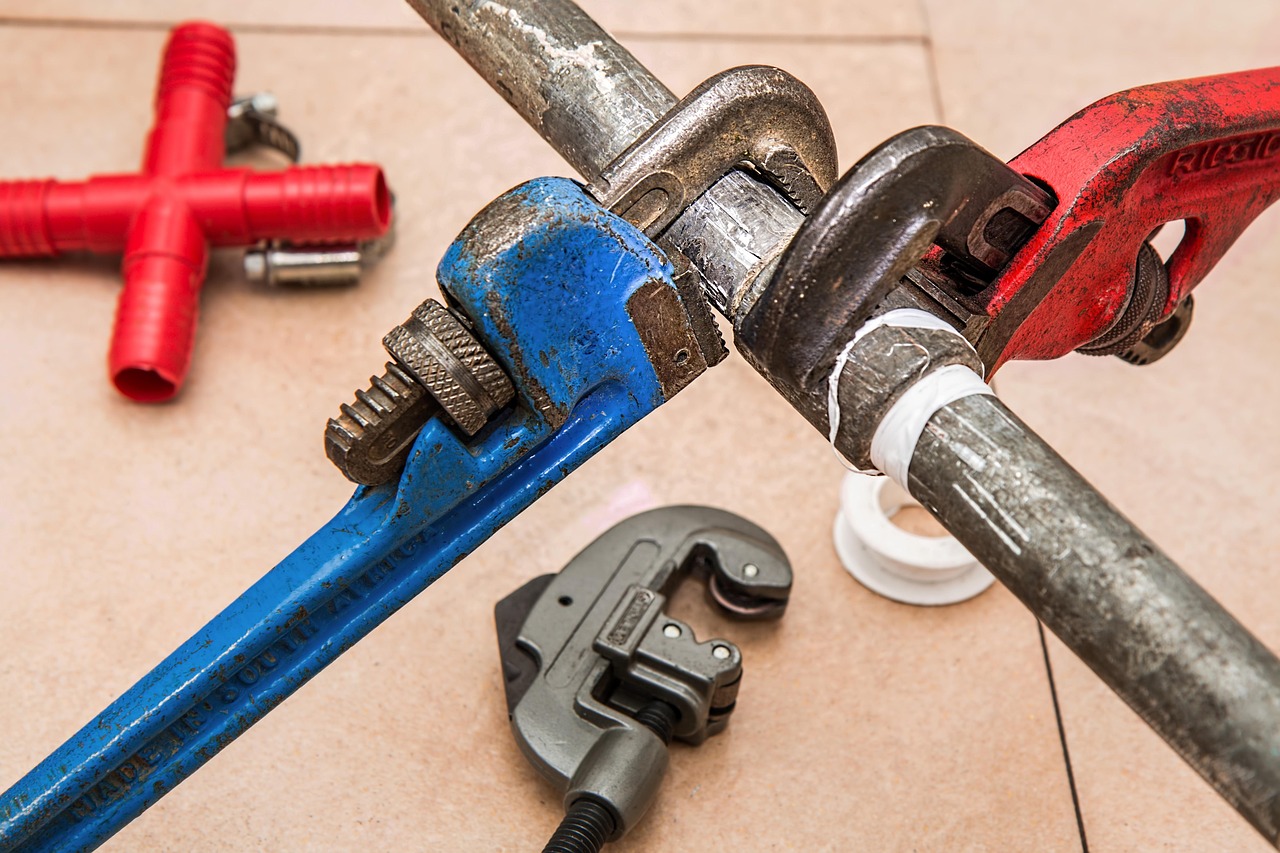
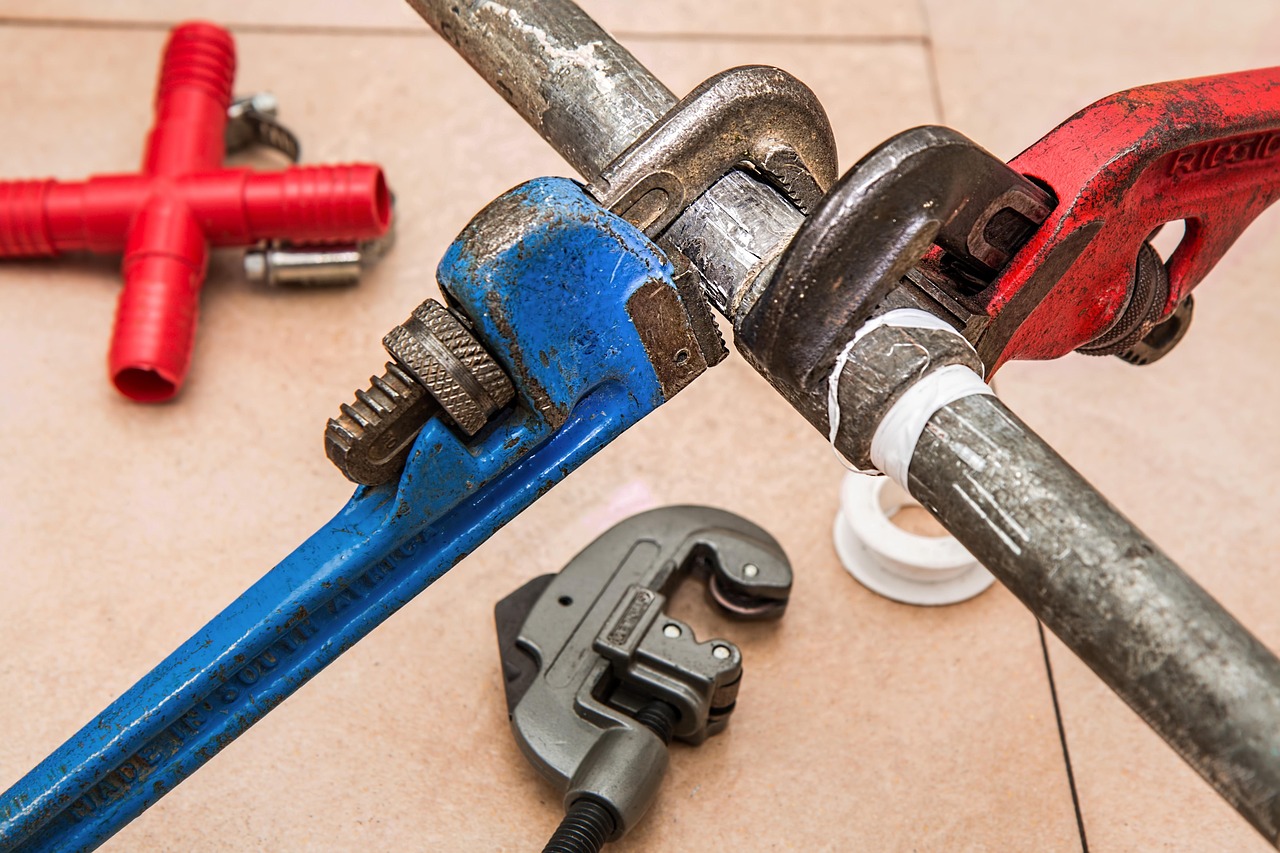
The beauty of fixing a wobbly toilet seat is that it requires minimal tools, most of which you probably already have at home. Gathering everything beforehand will make the repair process smooth and efficient.
- Adjustable wrench or pliers
- Screwdriver (flathead or Phillips, depending on your seat)
- Replacement bolts and washers (if needed)
- Rubber gloves for hygiene
- Cleaning spray and cloth
- Penetrating oil (for rusted bolts)
Having these items ready before you start will save you multiple trips to the hardware store and ensure you can complete the repair in one session. Most replacement hardware kits cost less than ten dollars and are available at any home improvement store.
The Quick Tightening Method: Your First Line of Defense
In many cases, fixing a wobbly toilet seat is as simple as tightening the existing bolts. This straightforward approach takes less than five minutes and should always be your first attempt before considering more complex solutions.
Start by locating the bolts that secure your toilet seat to the bowl. These are typically found at the back of the seat, near the tank. You’ll notice small plastic or metal covers that hide the bolt heads—simply flip these caps open to access the hardware underneath.
While holding the bolt head steady with one hand (or with a screwdriver from the top), use your wrench or pliers to tighten the nut underneath the bowl. Apply firm pressure but avoid overtightening, which can crack plastic components or even damage the porcelain toilet bowl itself. The seat should feel snug without excessive force.
Test the seat by applying gentle pressure from different angles. If it still wobbles, you may need to explore additional solutions beyond simple tightening.
Dealing with Stubborn or Rusted Hardware
Sometimes the bolts refuse to budge, especially in older bathrooms where moisture has caused rust or corrosion. This situation requires a bit more patience but remains entirely manageable for DIY enthusiasts.
Apply penetrating oil (like WD-40) to the rusted bolts and let it sit for at least 15-20 minutes. This lubricant will work its way into the threads, making the hardware easier to turn. For severely corroded bolts, you might need to apply the oil multiple times over several hours.
If the bolts still won’t turn or if the nut spins freely without tightening (indicating stripped threads), you’ll need to cut the old bolts off. Use a small hacksaw to carefully cut through the bolt beneath the bowl, being extremely careful not to scratch or damage the porcelain. Once removed, you can install fresh hardware.
🔄 Replacing Worn-Out Hardware: A Fresh Start
When tightening doesn’t solve the problem, replacement hardware is your next best option. This approach is particularly effective when the existing bolts are damaged, stripped, or made from inferior materials that have degraded over time.
Purchase a toilet seat hardware kit from your local hardware store. Look for kits that include metal bolts with rubber or plastic washers, as these provide better durability than all-plastic alternatives. Brass or stainless steel bolts offer the longest lifespan and resist corrosion in humid bathroom environments.
Remove the old hardware completely by unscrewing the nuts from underneath the bowl. Clean the mounting holes thoroughly with a disinfectant spray to remove any buildup, grime, or bacteria. This cleaning step ensures a proper fit for the new hardware.
Insert the new bolts through the toilet seat hinges and down through the mounting holes in the bowl. From underneath, slide the washers onto the bolts, then thread the nuts on by hand. Once hand-tight, use your wrench to snug them up securely, alternating between both sides to ensure even pressure.
Adding Stabilization with Rubber Washers and Bumpers
Even with tight bolts, some toilet seats continue to shift slightly due to the smooth porcelain surface. Adding extra stabilization components can eliminate this residual movement and create a rock-solid installation.
Rubber washers placed between the toilet seat hinges and the porcelain bowl create friction that prevents sliding. These inexpensive washers (often included in quality hardware kits) compress slightly when the bolts are tightened, creating a non-slip grip.
Similarly, check the rubber bumpers on the underside of your toilet seat—these small pads cushion the seat against the bowl. If they’re worn, flattened, or missing entirely, replace them. Self-adhesive replacement bumpers are readily available and take seconds to install, yet they make a significant difference in stability and comfort.
When to Consider a Complete Toilet Seat Replacement 💺
Sometimes the most practical solution is replacing the entire toilet seat rather than repeatedly fixing a problematic one. Several indicators suggest it’s time for a replacement rather than another repair.
If your toilet seat has cracks in the plastic, significant discoloration that won’t clean, or hinge mechanisms that are permanently damaged, replacement is the better investment. Modern toilet seats have improved dramatically in terms of quality, featuring better materials and more robust mounting systems.
When shopping for a replacement, measure your toilet bowl carefully. Most toilets are either round or elongated, and using the wrong shape will result in poor fit and continued instability. Measure from the mounting holes to the front edge of the bowl to determine the correct size.
Look for seats with top-tightening hardware, which allows you to secure the bolts from above without reaching underneath the bowl. This design innovation makes both installation and future adjustments much easier. Soft-close mechanisms are another worthwhile feature that reduces wear on the hardware by preventing slamming.
Preventing Future Wobbles: Maintenance Tips That Work
Once you’ve achieved a stable toilet seat, implementing a simple maintenance routine will keep it that way for years to come. These preventive measures take minimal effort but deliver maximum results.
Check and tighten the mounting bolts every three to six months as part of your regular bathroom cleaning routine. This proactive approach catches loosening before it becomes noticeable, preventing the problem from developing in the first place.
Avoid harsh chemical cleaners that can degrade plastic components. Instead, use mild bathroom cleaners or natural solutions like vinegar and water. When cleaning, pay special attention to the area around the hinges where residue can accumulate and interfere with hardware function.
Teach household members (especially children) to close the toilet seat gently rather than letting it drop. This simple habit reduces stress on the mounting hardware and extends the lifespan of both the seat and the bolts significantly.
Troubleshooting Persistent Wobble Issues 🔍
If you’ve tightened the bolts, replaced the hardware, and your seat still wobbles, the problem might lie with the toilet bowl itself rather than the seat. Understanding these less common scenarios will help you address even the trickiest situations.
Check whether the toilet bowl is level. A toilet that rocks slightly on an uneven floor will cause the seat to feel unstable no matter how well it’s secured. Place a level on the bowl rim and check from multiple angles. If the toilet itself is wobbly, you’ll need to shim it properly at the base—a more involved repair that may require professional assistance.
Inspect the mounting holes in the porcelain. In rare cases, these holes can become enlarged or damaged, preventing bolts from securing properly. If the holes are slightly oversized, using larger washers can help distribute pressure over a wider area, compensating for the enlarged openings.
Some toilet bowl designs have contoured surfaces that don’t provide ideal mounting surfaces for standard seats. In these cases, specialty mounting kits with adjustable brackets or custom-fit seats designed for your specific toilet model may be necessary.
Special Considerations for Different Toilet Seat Types
Not all toilet seats are created equal, and different styles require slightly different approaches to achieve optimal stability. Understanding your specific seat type will help you apply the most effective solution.
Wooden toilet seats, while attractive and comfortable, can be particularly prone to loosening because wood expands and contracts with humidity changes. These seats benefit from metal hardware and more frequent tightening checks. Apply a thin layer of clear wax to the mounting holes to help prevent moisture absorption.
Bidet toilet seats and smart toilet seats with electronic features present unique challenges because they’re heavier than standard seats. These require especially robust mounting hardware, often including metal stabilization brackets. Always use the manufacturer-supplied hardware for these seats, as generic alternatives may not provide adequate support for the additional weight.
Padded or cushioned toilet seats also need special attention because the soft material can compress over time, creating looseness even when bolts remain tight. Check these seats more frequently and be prepared to adjust the hardware as the padding settles.
Cost-Effective Solutions vs. Professional Help 💰
One of the best aspects of fixing a wobbly toilet seat is that it’s genuinely a DIY-friendly project that saves money while building your home repair confidence. Understanding when to tackle it yourself versus calling a professional helps you make smart decisions.
| Repair Type | DIY Cost | Time Required | Difficulty Level |
|---|---|---|---|
| Simple tightening | $0 | 5 minutes | Easy |
| Hardware replacement | $5-$15 | 15-20 minutes | Easy |
| Complete seat replacement | $20-$100 | 30 minutes | Easy to Moderate |
| Toilet bowl releveling | $10-$30 | 1-2 hours | Moderate to Difficult |
The vast majority of toilet seat wobble issues fall into the first three categories, making them perfect candidates for DIY repair. You’ll spend less than the cost of a service call and gain valuable skills in the process.
However, if you discover that the toilet bowl itself needs releveling or if there’s damage to the porcelain around the mounting holes, consulting a professional plumber might be wise. These situations involve more complex repairs that could lead to water leaks or further damage if not handled correctly.
The Comfort Factor: Why a Stable Seat Matters
Beyond the obvious annoyance factor, a wobbly toilet seat has legitimate comfort and safety implications that make repairs worthwhile rather than something to postpone indefinitely.
For elderly individuals or those with mobility challenges, an unstable toilet seat can create genuine safety concerns. The unexpected movement can throw off balance during sitting or standing transitions, potentially leading to falls in a room where injuries are particularly common.
Children also benefit from stable toilet seats as they develop bathroom independence. A seat that shifts unexpectedly can be frightening for young children and may create bathroom anxiety or reluctance to use the toilet independently.
Even for able-bodied adults, the psychological comfort of a stable, well-maintained bathroom contributes to overall home satisfaction. These small quality-of-life improvements accumulate to create a more pleasant living environment that you’ll appreciate multiple times daily.
Transform Your Bathroom Experience Today! ✨
Fixing a wobbly toilet seat represents one of those satisfying home improvements that delivers immediate, noticeable results with minimal investment of time or money. Whether you’re tightening existing hardware or installing a completely new seat, you now have the knowledge to tackle this common household issue confidently.
Remember that regular maintenance prevents problems from developing in the first place. A quick check every few months ensures your toilet seat remains stable and comfortable for years to come. Don’t let this minor issue diminish your daily comfort—take action today and secure your throne properly.
The strategies outlined in this guide work for virtually every toilet seat configuration you’ll encounter. Start with the simplest solution and progress to more involved fixes only if necessary. Most importantly, enjoy the satisfaction of solving a household problem with your own hands and the improved bathroom experience that follows.