Every homeowner knows the frustration of discovering unsightly scuffs, scratches, and blemishes on their once-pristine walls. Whether caused by furniture bumps, playful children, or everyday wear and tear, these imperfections can make your living space look tired and neglected.

The good news is that achieving flawless walls doesn’t require professional expertise or expensive tools. With the right techniques and a bit of patience, you can transform damaged surfaces into picture-perfect walls that look freshly painted. This comprehensive guide will walk you through everything you need to know about repairing wall damage and executing seamless paint touch-ups that blend invisibly with your existing finish.
🔍 Understanding Different Types of Wall Damage
Before diving into repairs, it’s essential to identify the type of damage you’re dealing with. Different problems require different solutions, and using the wrong approach can actually make matters worse.
Surface scuffs are the most common type of wall damage. These are typically marks left by shoes, furniture, or bags rubbing against the wall. They usually don’t penetrate the paint layer and can often be removed with simple cleaning techniques.
Scratches and gouges represent more serious damage where the paint layer has been compromised or removed entirely. These require filling and repainting to restore the wall’s smooth appearance.
Nail holes and anchor damage occur when you remove wall hangings or shelving. These small indentations need proper filling before painting to prevent them from showing through your touch-up work.
🧹 Starting with a Clean Slate: Preparing Your Walls
Proper preparation is the foundation of any successful wall repair project. Rushing this step will compromise your final results, no matter how carefully you apply paint later.
Begin by thoroughly cleaning the damaged area with a mild detergent solution and a soft sponge. This removes dirt, grease, and grime that could prevent paint from adhering properly. Pay special attention to kitchen and hallway walls, which tend to accumulate more buildup.
Once cleaned, allow the area to dry completely. Any moisture trapped beneath your repair will cause problems down the line, including peeling, bubbling, or discoloration. In humid environments, consider using a fan to speed up the drying process.
For glossy or semi-gloss finishes, lightly sand the area around the damage with fine-grit sandpaper (220-grit works well). This creates a slightly rough surface that helps new paint bond better with the existing finish. Wipe away all sanding dust with a damp cloth before proceeding.
✨ The Magic Eraser Method: Quick Fixes for Surface Scuffs
Many wall marks don’t actually require paint at all. Before breaking out your painting supplies, try the simplest solution first: a melamine foam sponge, commonly known by the brand name Magic Eraser.
These miraculous cleaning tools work like ultra-fine sandpaper, gently abrading surface marks without damaging the paint underneath. Dampen the sponge slightly and rub the scuffed area using gentle circular motions. You’ll be amazed at how many marks disappear completely with this method.
Exercise caution with flat or matte paint finishes, as aggressive scrubbing can create shiny spots or remove paint entirely. Test your approach in an inconspicuous area first, and use the lightest pressure necessary to remove the mark.
For stubborn scuffs that resist the magic eraser treatment, try a paste made from baking soda and water. Apply this gentle abrasive with a soft cloth, rub in circles, then wipe clean. This often removes marks that seemed permanent just moments before.
🛠️ Filling Holes and Gouges Like a Professional
When damage extends beyond the paint surface, proper filling becomes necessary. The right filler and application technique make all the difference between invisible repairs and obvious patches.
For small nail holes and minor imperfections, lightweight spackling paste is your best friend. This ready-to-use product dries quickly, sands easily, and doesn’t shrink as it cures. Apply it with a putty knife, pressing firmly to ensure the compound fills the entire hole.
Larger gouges and deeper damage require a different approach. Joint compound (also called drywall mud) provides better results for repairs larger than a pencil eraser. Apply it in thin layers, allowing each layer to dry completely before adding the next. This prevents cracking and ensures a durable repair.
The Proper Filling Technique
Load a small amount of filler onto your putty knife and approach the damaged area at a shallow angle. Press the filler into the hole, then scrape across the surface to remove excess. The goal is to slightly overfill the damaged area, as most fillers shrink slightly as they dry.
Allow the filler to dry according to manufacturer instructions—rushing this step guarantees poor results. Once completely dry, sand the area smooth using fine-grit sandpaper. The filled area should be perfectly flush with the surrounding wall surface, with no raised edges or depressions.
Wipe away all sanding dust with a slightly damp cloth. Any dust remaining on the surface will create a gritty texture in your paint touch-up and prevent proper adhesion.
🎨 Matching Your Paint: The Secret to Invisible Touch-Ups
Even the most skillful application technique won’t hide a touch-up if your paint doesn’t match perfectly. Color matching requires attention to several factors that many DIYers overlook.
If you have leftover paint from your original painting project, you’re already ahead of the game. However, paint changes over time in the can, and wall paint fades and discolors due to UV exposure, cleaning, and age. Your stored paint might not match your walls as closely as you’d expect.
For the best color match, take a sample to your paint store. Cut a small chip from an inconspicuous area (inside a closet or behind furniture) or remove an electrical outlet cover plate to show the paint specialist. Modern color-matching technology can replicate virtually any color with remarkable accuracy.
Consider the paint sheen as carefully as the color. A flat paint touch-up on semi-gloss walls will be glaringly obvious, even if the color matches perfectly. Always match both color and finish for seamless results.
🖌️ Touch-Up Application Techniques That Actually Work
The application method dramatically affects how well your touch-up blends with the surrounding wall. These professional techniques ensure invisible repairs that even you’ll have trouble finding later.
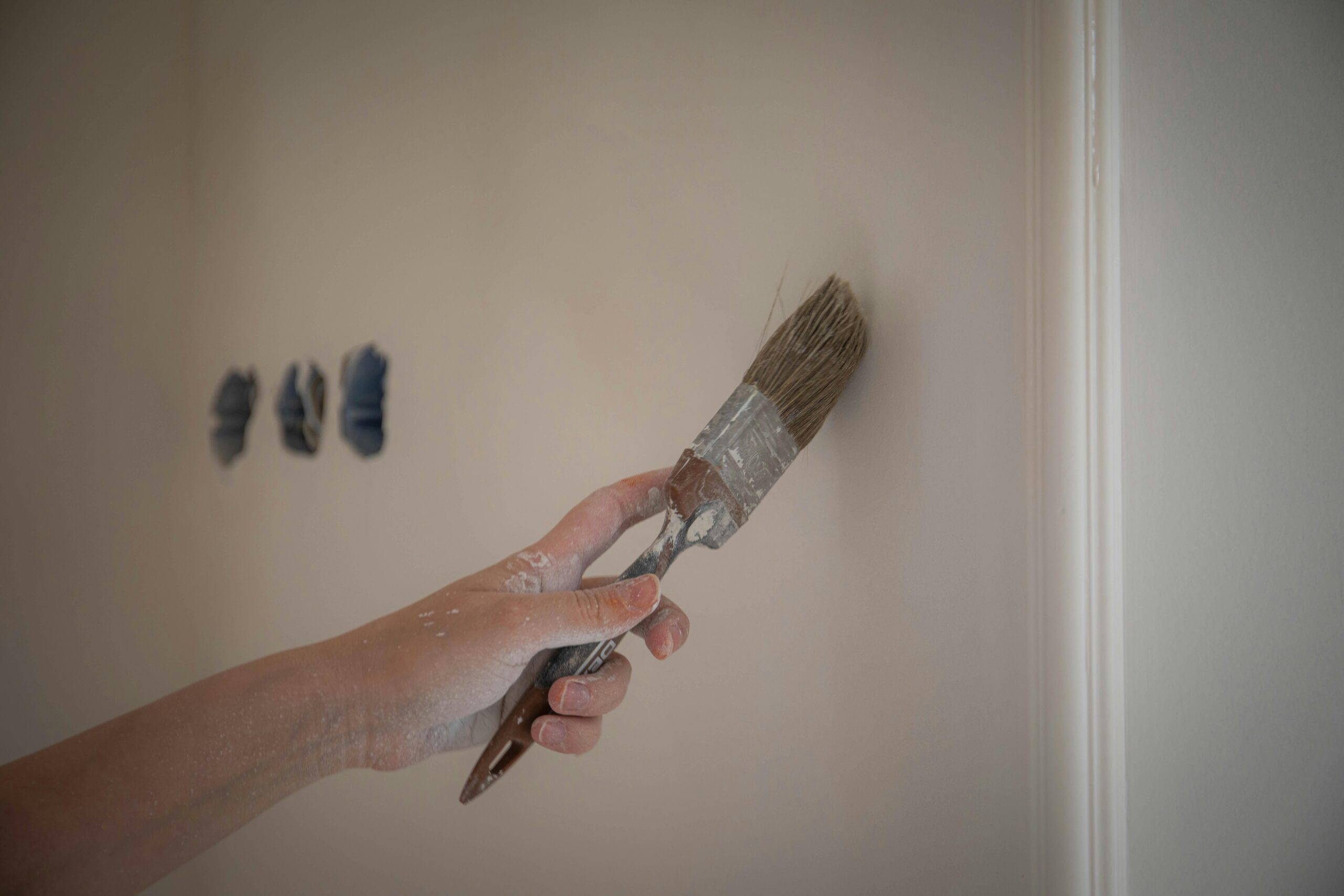
Small touch-ups are best applied with a high-quality artist’s brush or a small foam brush. Cheap brushes leave bristle marks and create uneven coverage that stands out like a sore thumb. Invest in good tools—they’re reusable and make every project easier.
Before applying paint to the wall, stir it thoroughly but gently. Vigorous shaking introduces air bubbles that create a bumpy finish. Pour a small amount into a separate container rather than working directly from the original can, which prevents contamination and makes application easier.
The Feathering Technique for Seamless Blending
Professional painters use a technique called feathering to blend touch-ups invisibly. Start by applying paint to the damaged area, then gradually extend your brush strokes beyond the repair in all directions. Each successive stroke should carry less paint, creating a gradual transition between new and old paint.
Think of it like blending makeup—harsh lines draw attention, while gradual transitions become invisible. The goal is to blur the boundary between touch-up and original paint so effectively that the eye can’t detect where one ends and the other begins.
Apply thin coats rather than one thick application. Multiple thin layers dry faster, adhere better, and create a smoother finish than a single heavy coat. Allow each coat to dry completely before applying the next—patience here pays dividends in final appearance.
⏰ Timing and Drying: The Patience Factor
Rushing through the drying process causes more failed touch-ups than any other mistake. Understanding proper drying times prevents frustration and ensures professional results.
Most latex paints dry to the touch within an hour, but this doesn’t mean they’re ready for additional coats. Wait at least two to four hours between coats, and longer in humid or cool conditions. The paint needs to cure fully, not just dry on the surface.
Newly applied paint looks different when wet versus dry. Colors appear darker when wet and lighten as they dry, while sheen levels are impossible to judge accurately until the paint fully cures. Resist the urge to apply additional coats until you can accurately assess the dry appearance.
After completing your touch-up, allow at least 24 hours of cure time before cleaning the area or placing furniture against the wall. Fresh paint is vulnerable to damage and marking during this period, and premature contact can ruin otherwise perfect repairs.
💡 Advanced Tips for Challenging Situations
Some wall repairs present unique challenges that require specialized approaches. These advanced techniques help you tackle the trickiest touch-up situations with confidence.
Textured walls demand special handling. For light textures, you can sometimes recreate the pattern using a stippling motion with a foam brush or sponge. For heavier textures like knockdown or orange peel, special spray texture products are available at home improvement stores. Practice on cardboard first to master the technique before attempting your wall repair.
Dark or bold paint colors show touch-ups more readily than lighter neutrals. When working with dramatic colors, expand your touch-up area to natural break points like corners, trim, or door frames. This creates a logical visual boundary that the eye accepts naturally, making the fresher paint less noticeable.
Dealing with Paint That Won’t Match
Sometimes, despite your best efforts, touched-up areas remain visible because your wall paint has faded or changed too much. In these cases, consider the strategic repainting approach.
Rather than touching up a single spot, repaint the entire wall from corner to corner. This ensures uniform color and sheen throughout. While this requires more work and paint, it eliminates the frustration of repeated touch-up attempts that never quite disappear.
If repainting an entire wall isn’t feasible, create a decorative feature that incorporates or covers the problematic area. Hanging artwork, installing floating shelves, or adding wall decals can strategically conceal repairs that refuse to blend properly.
🧰 Essential Tools and Materials for Your Touch-Up Kit
Having the right supplies on hand makes wall repairs quick and stress-free. Assemble a touch-up kit with these essential items so you’re always prepared when damage occurs.
- Lightweight spackling paste for small holes and imperfections
- Joint compound for larger repairs and deeper gouges
- Various sizes of putty knives for applying filler
- Fine-grit sandpaper (220-grit) and sanding sponge
- High-quality artist’s brushes in multiple sizes
- Small foam brushes for touch-ups
- Melamine cleaning sponges for removing scuffs
- Clean rags and microfiber cloths
- Small containers for decanting paint
- Painter’s tape for protecting adjacent surfaces
- Touch-up paint samples in your home’s colors
Store your touch-up kit in an easily accessible location along with labeled samples of paint from each room in your home. This preparation means you can address damage immediately, before it becomes more noticeable or spreads.
🌟 Preventing Future Wall Damage
While knowing how to repair wall damage is valuable, preventing it in the first place saves even more time and effort. These simple strategies keep your walls looking flawless longer.
Install corner guards in high-traffic areas where walls are vulnerable to impacts from furniture, vacuum cleaners, and foot traffic. These inexpensive plastic or rubber protectors absorb impacts that would otherwise gouge your walls.
Use proper wall anchors and hanging hardware for pictures and shelves. Using hardware rated for the appropriate weight prevents items from pulling away from the wall and causing damage. When you do need to remove wall hangings, do so carefully to minimize damage.
Position furniture strategically to maintain a small gap between pieces and walls. This buffer zone prevents scuffs and scratches from everyday contact. Felt pads on chair legs and furniture feet provide additional protection against marking walls.
Regular cleaning prevents minor scuffs from becoming permanent stains. Address marks promptly when they occur, and they’ll often wipe away easily. Once ground-in and aged, even simple scuffs may require more aggressive treatment or painting to remove.
🏡 When to Call a Professional
Most wall repairs and touch-ups are well within the capabilities of confident DIYers, but some situations warrant professional help. Recognizing when to call an expert saves frustration and ensures quality results.
Extensive damage covering large areas or multiple walls is often better handled by professionals who can repaint efficiently and economically. Their experience, equipment, and bulk paint purchasing often makes professional painting cost-effective for large-scale projects.
Structural damage that extends beyond the paint surface requires expert assessment. Cracks that widen over time, water damage, or holes that expose framing or insulation indicate problems that need professional diagnosis and repair.
If your touch-up attempts repeatedly fail to blend properly despite following best practices, a professional painter can often identify the issue and achieve the seamless results you’re seeking. Sometimes an expert eye and practiced hand make all the difference.
🎯 Maintaining Your Beautiful Walls Long-Term
Once you’ve invested time in perfecting your walls, maintaining that flawless appearance requires ongoing attention. These maintenance habits keep your walls looking freshly painted year after year.
Conduct periodic wall inspections, walking through your home specifically looking for emerging damage. Catching and addressing small issues immediately prevents them from becoming larger, more noticeable problems that require extensive repair work.
Keep detailed records of paint colors, brands, and finish types for every room in your home. Store this information digitally with photos so you can always obtain matching paint when touch-ups become necessary. This simple habit eliminates the guesswork and frustration of color matching years later.
Refresh high-traffic areas proactively rather than waiting for damage to accumulate. Hallways, stairwells, and children’s rooms benefit from touch-ups or repainting on a regular schedule, maintaining consistent appearance throughout your home.
Consider using more durable paint formulas in vulnerable areas. Scrubbable paints, eggshell or satin finishes instead of flat, and higher-quality paint products withstand cleaning and wear better than economy options, reducing the frequency of required touch-ups.
With these comprehensive techniques and strategies, maintaining flawless walls becomes a manageable task rather than an intimidating challenge. The key lies in proper preparation, quality materials, patient application, and prompt attention to damage as it occurs. By mastering these simple skills, you’ll keep your walls looking pristine and freshly painted for years to come, creating a beautiful home environment that reflects your pride of ownership. Whether you’re touching up a single scuff or repairing more extensive damage, these proven methods ensure professional-quality results that make your walls truly flawless. 🏠✨