Your bathroom deserves the same attention as any other room in your home. Often overlooked, shower drain covers can significantly impact the overall appearance and hygiene of your bathing space, yet they’re frequently neglected during regular cleaning routines.

Restoring your shower drain covers to their original shine doesn’t require expensive products or professional help. With the right techniques and household items, you can transform these small but essential fixtures from grimy and discolored to sparkling clean, making your entire bathroom look more polished and inviting.
🔍 Understanding Why Shower Drain Covers Get So Dirty
Before diving into cleaning solutions, it’s essential to understand what you’re battling. Shower drain covers accumulate various types of buildup that create that unsightly appearance we all dread. The combination of soap scum, hard water minerals, hair products, body oils, and dead skin cells creates a perfect environment for grime to thrive.
Hard water contains calcium and magnesium that leave behind stubborn mineral deposits. When mixed with soap residue, these minerals form a chalky, white film that’s particularly difficult to remove. Additionally, the constant exposure to moisture creates an ideal breeding ground for mildew and mold, which appear as black or pink stains on metal and plastic surfaces.
The metal composition of your drain cover also plays a role in how it degrades over time. Chrome, stainless steel, and brass each react differently to water and cleaning products. Understanding your drain cover’s material will help you choose the most effective cleaning method without causing damage.
🧰 Essential Tools and Supplies for Deep Cleaning
Gathering the right supplies before you start will make the cleaning process much more efficient. Most of these items are probably already in your home, making this a budget-friendly bathroom upgrade project.
Basic Cleaning Arsenal
- White distilled vinegar (the cleaning superhero for mineral deposits)
- Baking soda (a gentle abrasive that won’t scratch surfaces)
- Dish soap or mild detergent
- Old toothbrush or small scrub brush
- Microfiber cloths or soft rags
- Rubber gloves to protect your hands
- Small bucket or basin
- Paper towels
Optional Power Players
- Hydrogen peroxide for stubborn stains
- Lemon juice for natural deodorizing
- Commercial lime remover for severe hard water buildup
- Metal polish specific to your drain cover material
- Cotton swabs for reaching tiny crevices
- Plastic scraper for thick buildup
✨ Step-by-Step Deep Cleaning Method
Now that you’re equipped with the right supplies, let’s walk through the most effective cleaning process that will restore your shower drain covers to their former glory.
Removal and Initial Assessment
Start by carefully removing the drain cover from your shower floor. Most covers either lift straight out or require unscrewing. Take note of how it’s installed so you can easily replace it later. Once removed, rinse off any loose hair and debris under running water. This initial rinse makes the deep cleaning process much more effective.
Examine the cover closely to identify the type of buildup you’re dealing with. White, chalky residue indicates hard water deposits, while dark stains suggest mold or mildew. This assessment helps you choose the most appropriate cleaning solution.
The Vinegar Soak Method
For most drain covers, a vinegar soak is incredibly effective. Fill your bucket or basin with equal parts white vinegar and hot water. Submerge the drain cover completely and let it soak for at least 30 minutes. For heavily soiled covers, extend this to two hours or even overnight.
The acetic acid in vinegar breaks down mineral deposits and soap scum naturally without harsh chemicals. You’ll actually see the solution become cloudy as it lifts away the grime. This passive cleaning method does most of the heavy lifting for you.
Scrubbing Away Stubborn Residue
After soaking, remove the drain cover and sprinkle baking soda generously over all surfaces. Using your old toothbrush or scrub brush, work the baking soda into a paste with a little water and scrub in circular motions. Pay special attention to corners, grooves, and any decorative patterns where grime loves to hide.
The combination of vinegar (still present on the cover) and baking soda creates a fizzing reaction that helps lift remaining debris. This natural chemical reaction is gentle yet powerful enough to tackle most bathroom grime without damaging the finish.
Tackling Rust and Corrosion
If you notice rust spots on metal drain covers, create a paste using lemon juice and salt. Apply this mixture directly to the rusted areas and let it sit for 10-15 minutes. The citric acid in lemon juice combined with the abrasive quality of salt works wonders on rust without harsh chemicals.
For more severe rust, consider using a commercial rust remover specifically designed for bathroom fixtures. Always follow manufacturer instructions and test on a small, inconspicuous area first to ensure it won’t damage the finish.
💎 Material-Specific Restoration Techniques
Different materials require slightly different approaches to achieve the best results without causing damage. Tailoring your cleaning method to your specific drain cover type ensures optimal restoration.
Chrome and Stainless Steel Covers
These popular materials are durable but can show water spots and lose their shine over time. After the deep clean, polish chrome and stainless steel covers with a mixture of dish soap and warm water, then dry thoroughly with a microfiber cloth. For extra shine, apply a small amount of baby oil on a soft cloth and buff the surface.
Avoid using abrasive scrubbers or steel wool on these finishes, as they’ll create scratches that dull the appearance and make future cleaning more difficult. Stick with soft cloths and brushes for the best long-term results.
Brass and Bronze Drain Covers
These metals develop a natural patina over time that some homeowners prefer. If you want to maintain the aged look, simply clean with mild soap and water. However, if you prefer the original bright finish, use a brass-specific polish after cleaning.
Create a natural brass cleaner by mixing equal parts flour, salt, and white vinegar into a paste. Apply this to the brass cover, let it sit for 10 minutes, then rinse and buff dry. This method brings back the warm glow without harsh chemicals.
Plastic and PVC Covers
Plastic drain covers are more prone to staining and discoloration but are also the most forgiving when it comes to cleaning methods. After your vinegar soak and baking soda scrub, if stains persist, try soaking in a solution of hydrogen peroxide and baking soda.
For white plastic covers that have yellowed over time, create a paste of hydrogen peroxide and cream of tartar. Apply this mixture and leave the cover in direct sunlight for a few hours. The combination of peroxide and UV light has a natural bleaching effect that can restore whiteness.
🛡️ Preventive Maintenance for Long-Lasting Shine
Once you’ve invested time in restoring your shower drain covers, maintaining that fresh appearance is much easier than you might think. Implementing a simple preventive routine keeps grime from building up and extends the time between deep cleaning sessions.
Weekly Quick Clean Routine
During your regular bathroom cleaning, spray the drain cover with a mixture of equal parts water and white vinegar. Let it sit for a few minutes while you clean other areas, then wipe it down with a cloth. This weekly treatment prevents mineral deposits from hardening and becoming difficult to remove.
Remove visible hair and debris from the drain cover after each shower if possible. This simple habit prevents buildup and keeps water flowing freely, which also helps prevent standing water that contributes to soap scum formation.
Monthly Deep Maintenance
Once a month, remove the drain cover and give it a quick soak in vinegar solution for 15-20 minutes, followed by a light scrub. This monthly maintenance is far less time-consuming than quarterly or yearly deep cleans and keeps your drain covers looking consistently fresh.
Apply a thin coat of car wax to chrome or stainless steel covers after cleaning and drying. This creates a protective barrier that repels water and soap scum, making your next cleaning session even easier. Simply buff the wax with a soft cloth until the surface shines.
🌿 Natural Alternatives to Commercial Cleaners
Many homeowners prefer eco-friendly cleaning solutions that are safer for their families and the environment. Natural cleaning agents are often just as effective as commercial products without the harsh chemicals and strong fumes.
Essential oils like tea tree, eucalyptus, and lavender have natural antimicrobial properties. Add 10-15 drops to your vinegar cleaning solution for a pleasant scent and extra cleaning power. These oils also help prevent mold and mildew growth between cleanings.
Castile soap mixed with baking soda creates an excellent all-purpose cleaner for drain covers. This plant-based soap is biodegradable and gentle yet effective at cutting through grease and grime. Mix two tablespoons of liquid castile soap with half a cup of baking soda to form a cleaning paste.
🚫 Common Mistakes to Avoid
Even with the best intentions, certain cleaning practices can damage your drain covers or make them harder to clean in the future. Being aware of these common pitfalls helps you maintain your fixtures properly.
Using Abrasive Tools on Delicate Finishes
Steel wool and harsh scrubbing pads might seem effective, but they scratch most drain cover surfaces. These microscopic scratches create texture where grime can settle, making future cleaning more difficult and dulling the finish permanently. Always opt for soft-bristled brushes and non-abrasive scrubbers.
Mixing Incompatible Cleaning Products
Never mix bleach with vinegar or ammonia-based cleaners. This combination creates toxic fumes that are dangerous to breathe. Stick to one cleaning method at a time, and if switching products, rinse the drain cover thoroughly between applications.
Neglecting to Dry Completely
After cleaning, many people simply reinstall the drain cover while it’s still wet. This traps moisture and accelerates the formation of new water spots and mineral deposits. Always dry your drain cover thoroughly with a clean cloth before reinstalling it.
💰 When to Replace vs. Restore
Sometimes, despite your best cleaning efforts, a drain cover has reached the end of its useful life. Knowing when to replace rather than restore saves you time and frustration.
If your drain cover shows deep rust that has eaten through the metal, creating holes or weak spots, it’s time for a replacement. These structural issues can’t be cleaned away and pose safety risks. Similarly, if plastic covers have become brittle and cracked, they need replacement to maintain proper drainage function.
However, if the cover is structurally sound but simply discolored or covered in buildup, restoration is almost always worth attempting first. Even severely neglected drain covers can often be brought back to life with the proper cleaning techniques outlined in this guide.
🎨 Upgrading Your Bathroom Aesthetic
Sometimes cleaning reveals that your drain cover, while functional, doesn’t match your current bathroom style. If you’re considering an upgrade after restoration, modern options offer both improved functionality and aesthetic appeal.
Decorative drain covers come in numerous finishes including oil-rubbed bronze, brushed nickel, polished brass, and matte black. These options can coordinate with your faucets and other fixtures for a cohesive look. Some upgraded covers also feature improved drainage designs that reduce hair clogs.
When shopping for replacements, measure your existing drain opening carefully. Standard sizes exist, but confirming dimensions ensures your new cover fits properly. Consider investing in a slightly higher-quality cover with better materials that will resist corrosion and maintain their appearance longer.
🌟 The Satisfaction of a Sparkling Clean Shower
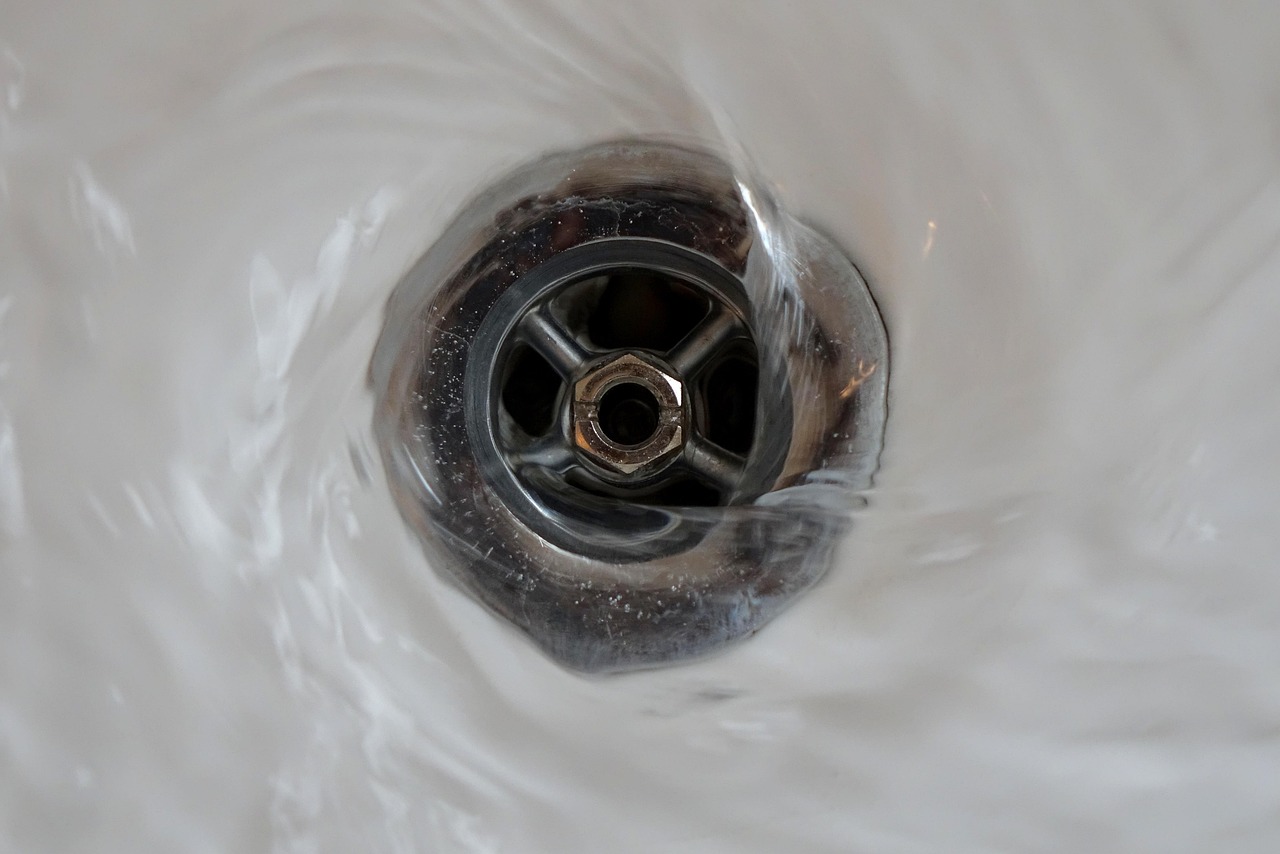
Taking the time to properly clean and restore your shower drain covers creates a remarkable transformation in your bathroom’s overall appearance. These small fixtures, when gleaming and well-maintained, contribute significantly to that spa-like atmosphere we all desire in our bathing spaces.
The techniques shared in this guide work for drain covers throughout your home, not just in showers. Apply these same methods to bathroom sink drains, kitchen sink strainers, and even outdoor drain covers for consistent results across all your fixtures.
Remember that regular maintenance prevents the need for intensive restoration sessions. By incorporating quick weekly wipes and monthly soaks into your cleaning routine, your drain covers will remain in pristine condition with minimal effort. This proactive approach saves time in the long run while keeping your bathroom looking its absolute best.
Your transformed bathroom starts with attention to these often-overlooked details. Clean, shining drain covers signal a well-maintained space and contribute to the overall feeling of cleanliness and care. Take pride in these small victories – they add up to create a bathroom environment you’ll truly enjoy every single day.