Transforming your bathroom doesn’t always require a complete renovation. Sometimes, the smallest changes create the biggest impact, and replacing your showerhead is one of those simple upgrades that can revolutionize your daily routine.

Whether you’re tired of low water pressure, looking to add modern functionality, or simply want to refresh your bathroom’s appearance, installing a new showerhead is an accessible DIY project that anyone can tackle. This comprehensive guide will walk you through every step of the process, ensuring you achieve professional results without the professional price tag.
🚿 Why Replace Your Showerhead?
Before diving into the installation process, let’s explore why upgrading your showerhead is worth your time and investment. Your showerhead plays a crucial role in your daily comfort and your home’s efficiency.
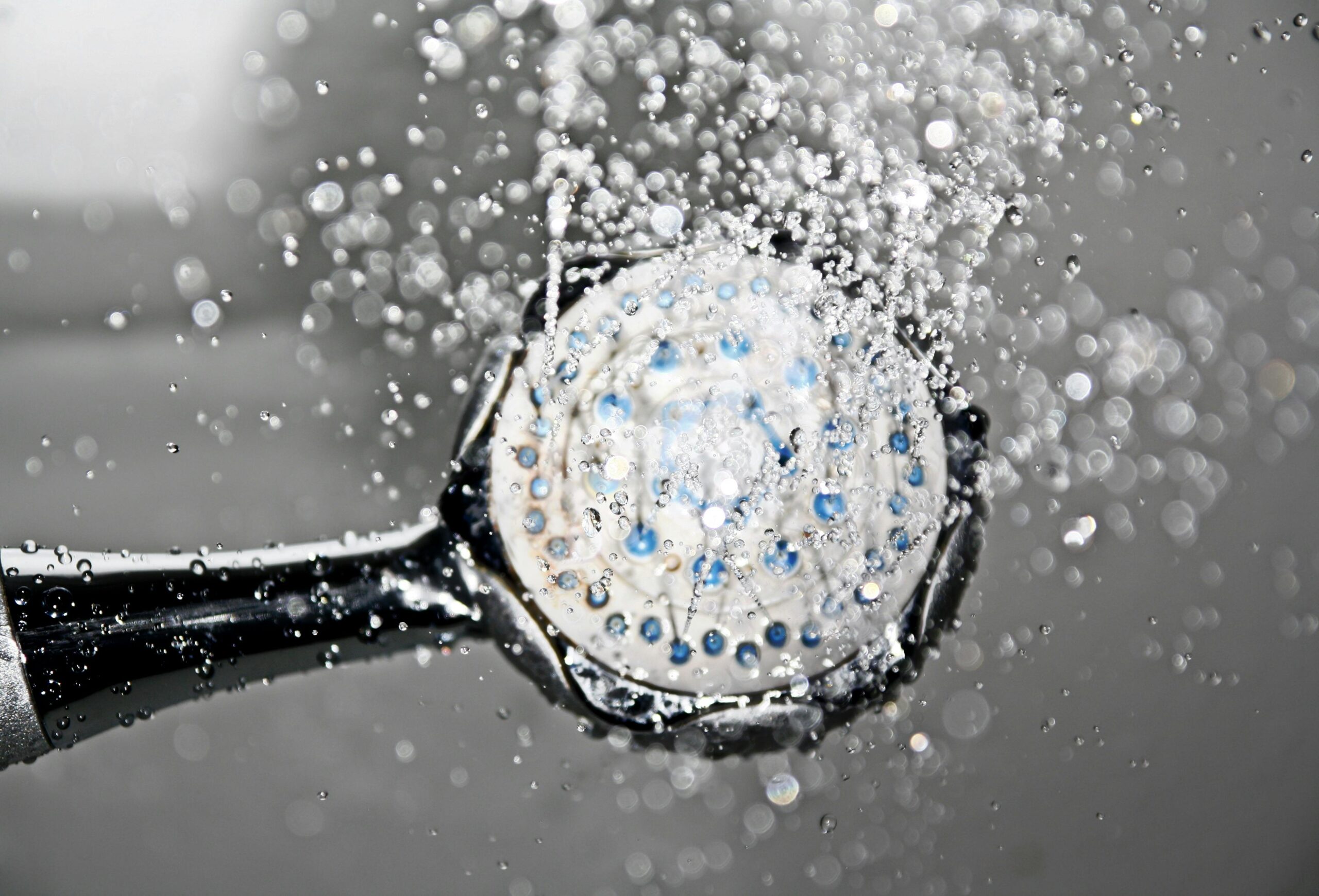
Old showerheads often suffer from mineral buildup, reducing water pressure and creating an unsatisfying shower experience. Modern showerheads offer superior performance with features like adjustable spray patterns, water-saving technology, and enhanced durability. Beyond functionality, a new showerhead can dramatically update your bathroom’s aesthetic, serving as a stylish focal point that complements your décor.
Additionally, water-efficient models can significantly reduce your utility bills while supporting environmental conservation. Many contemporary showerheads use less than 2.0 gallons per minute compared to older models that consume 2.5 gallons or more, translating to substantial savings over time.
Choosing the Perfect Showerhead for Your Needs
The market offers countless showerhead options, each designed for different preferences and bathroom configurations. Understanding the various types will help you make an informed decision that matches your lifestyle.
Fixed Showerheads
Fixed showerheads mount directly to the shower arm and remain stationary. They’re the most common type, offering simplicity and reliability. These come in various sizes, from compact models to luxurious rain showerheads that provide a spa-like experience. Fixed showerheads are ideal for those who prefer consistency and minimal adjustment.
Handheld Showerheads
Handheld models attach to a flexible hose, offering versatility for rinsing, cleaning the shower, bathing pets, or assisting children and individuals with mobility challenges. Many handheld showerheads come with a mounting bracket, allowing them to function as both fixed and portable units.
Dual Showerheads
Combination systems feature both a fixed and handheld showerhead, providing ultimate flexibility. These systems allow you to use each head independently or simultaneously, depending on your preferences and plumbing capacity.
Rain Showerheads
These oversized showerheads mount directly overhead, simulating natural rainfall. Rain showerheads create a luxurious, immersive experience but typically require higher ceilings and adequate water pressure to function optimally.
🔧 Tools and Materials You’ll Need
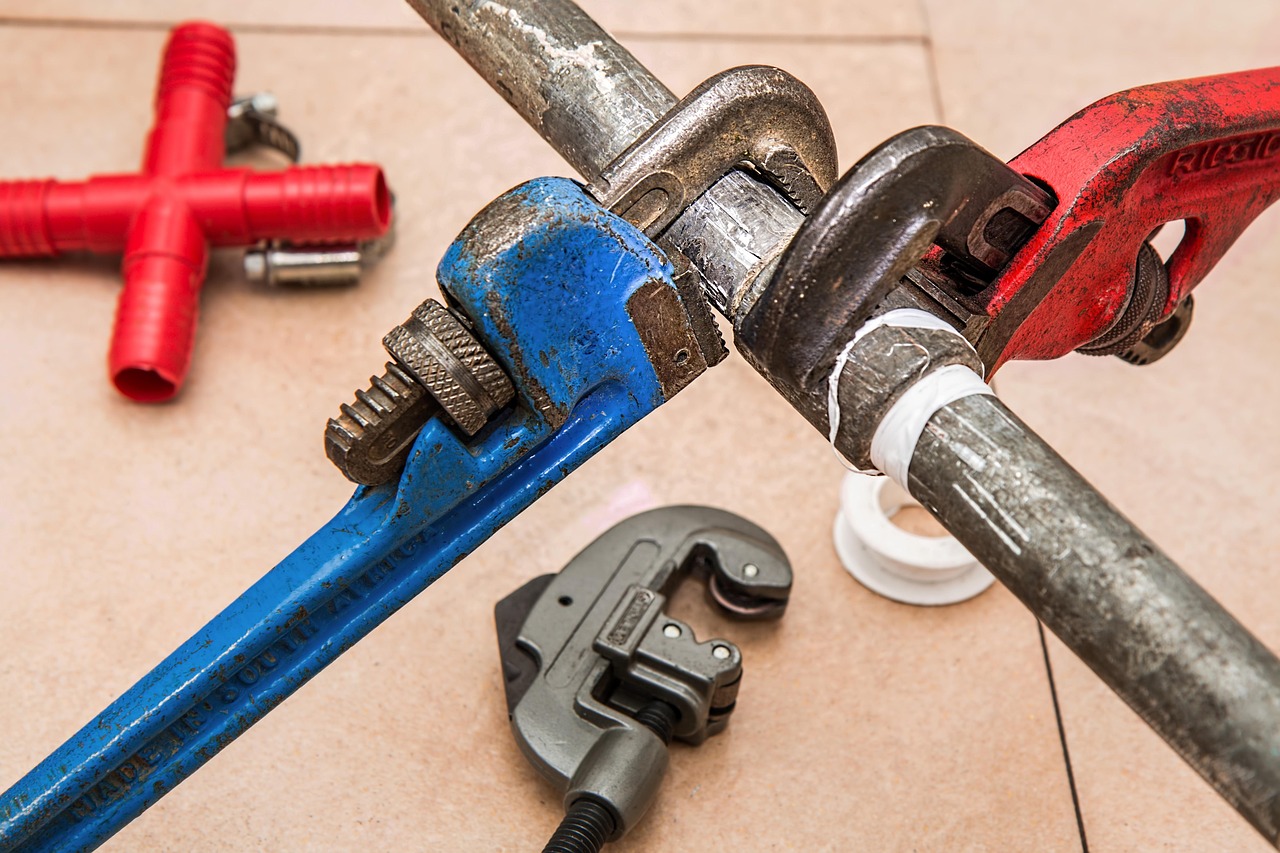
Gathering the right supplies before starting ensures a smooth installation process. Fortunately, replacing a showerhead requires minimal tools, most of which you probably already own.
- New showerhead of your choice
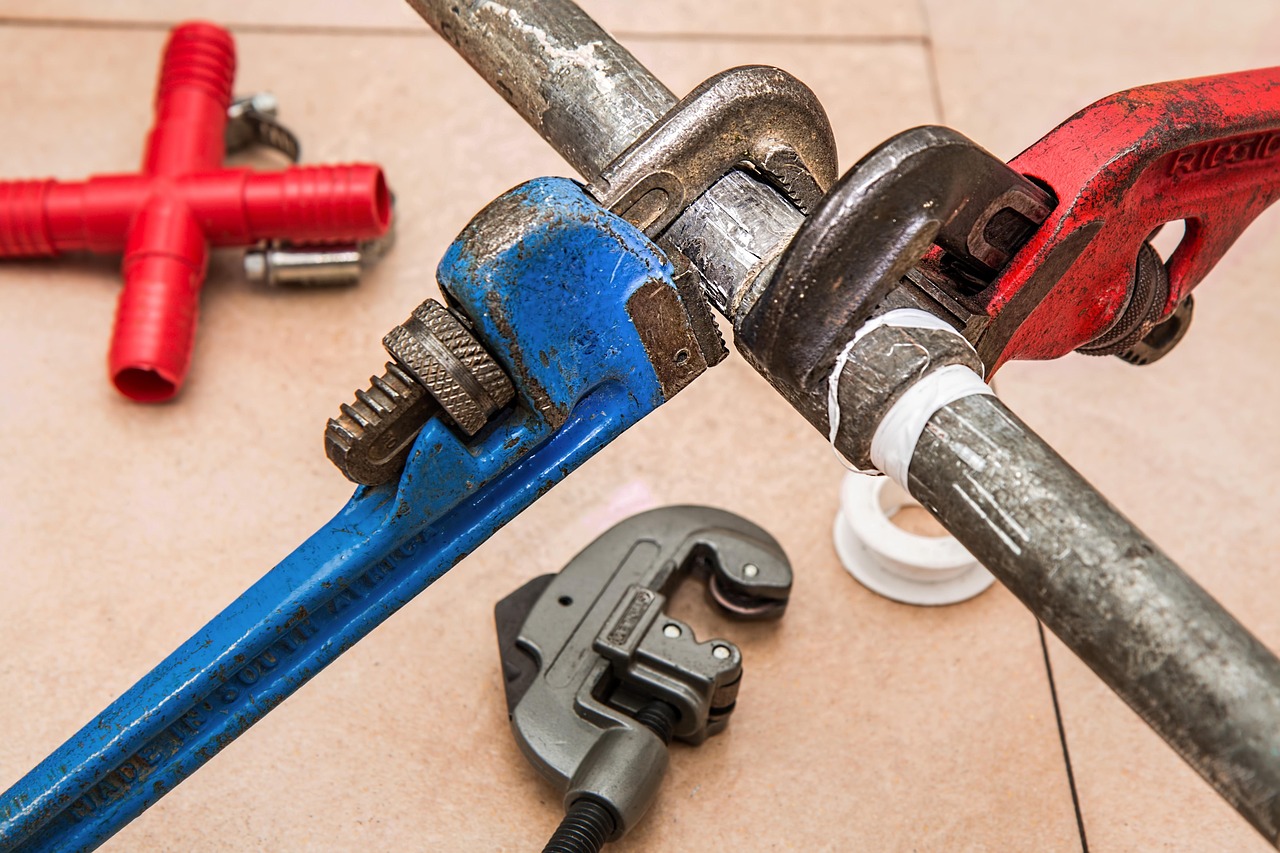
- Adjustable wrench or channel-lock pliers
- Plumber’s tape (PTFE/Teflon tape)
- Clean cloth or towel
- Old toothbrush for cleaning threads
- Vinegar or lime remover (optional)
- Step ladder (if needed for height)
Most new showerheads come with installation instructions and sometimes include plumber’s tape. However, having an extra roll on hand is always wise, as proper sealing is essential for preventing leaks.
Preparing Your Workspace
Proper preparation makes the installation process easier and protects your bathroom from accidental damage. Start by laying towels on the shower floor or tub to catch any falling parts and prevent scratches.
Clear the shower area of all personal items, including shampoo bottles, soap, and shower caddies. This gives you unrestricted access to the showerhead and prevents anything from getting wet during the process. If you’re working in a smaller space, ensure adequate lighting by opening curtains or bringing in a portable light.
Consider taking a “before” photo of your existing setup. This documentation can be helpful if you need to reference the original configuration or if you encounter any unexpected complications during removal.
Step-by-Step Removal of Your Old Showerhead
Removing your existing showerhead is typically straightforward, though older fixtures may require extra patience due to mineral buildup or corrosion.
Step 1: Locate the Connection Point
Examine where your showerhead connects to the shower arm (the pipe extending from the wall). You’ll notice a connector nut that secures the showerhead. This is what you’ll need to loosen.
Step 2: Protect the Finish
Wrap a cloth around the connector nut before applying your wrench. This protective layer prevents scratches and preserves the finish on both the old showerhead and the shower arm.
Step 3: Turn Counterclockwise
Using your adjustable wrench or pliers, turn the connector nut counterclockwise (lefty-loosey). Apply steady, firm pressure. If the nut doesn’t budge, try spraying penetrating oil around the connection and waiting 10-15 minutes before attempting again.
Step 4: Remove Completely
Once loosened, you should be able to unscrew the showerhead by hand. Continue turning counterclockwise until the showerhead separates completely from the shower arm.
Step 5: Clean the Shower Arm Threads
With the old showerhead removed, inspect the shower arm threads. Remove any old plumber’s tape, mineral deposits, or debris using an old toothbrush. For stubborn buildup, wrap the threads with a vinegar-soaked cloth for several minutes before scrubbing clean. Dry thoroughly before proceeding.
💡 Installing Your New Showerhead
With your shower arm clean and prepared, you’re ready to install your beautiful new showerhead. Following these steps carefully ensures a leak-free, secure installation.
Step 1: Apply Plumber’s Tape
Plumber’s tape creates a watertight seal and prevents leaks. Wrap the tape clockwise around the shower arm threads (when facing the end of the arm) two to three times. Press the tape firmly into the threads as you wrap, ensuring it adheres properly. Avoid overlapping excessively, as too much tape can actually cause leaks.
Step 2: Hand-Tighten the New Showerhead
Align your new showerhead with the shower arm threads and begin screwing it on clockwise by hand. Thread it as far as possible using only hand pressure. This initial hand-tightening helps ensure proper alignment and prevents cross-threading.
Step 3: Final Tightening with Tools
Once hand-tight, use your wrench (with protective cloth) to give the connection an additional quarter to half turn. Don’t overtighten, as this can damage the threads or crack the connector. The connection should feel snug and secure without requiring excessive force.
Step 4: Position and Adjust
Ensure your showerhead faces the desired direction. Most showerheads have a swivel ball joint allowing angle adjustment after installation. Position it for optimal coverage and comfort.
Step 5: Test for Leaks
Turn on your water and test the connection at various pressures. Check carefully for any water seeping from the connection point. A few drops initially are normal, but continuous dripping indicates the connection needs adjustment. If leaking persists, turn off the water, remove the showerhead, add more plumber’s tape, and reinstall.
Troubleshooting Common Installation Issues
Even straightforward projects occasionally present challenges. Here’s how to address the most common showerhead installation problems.
Persistent Leaking at the Connection
If your new showerhead leaks despite proper installation, first ensure you’ve applied plumber’s tape correctly in a clockwise direction. Remove the showerhead, clean both the arm and connector thoroughly, reapply fresh tape, and reinstall. If leaking continues, inspect the rubber washer inside the showerhead connector—it may be damaged or missing.
Low Water Pressure
New showerheads sometimes include flow restrictors to conserve water. If pressure seems inadequate, consult your product manual about adjusting or removing this restrictor. Additionally, clean any aerator screens or filters that may have collected debris during installation.
Stripped or Damaged Threads
If the shower arm threads are damaged, you may need to replace the entire arm. This involves accessing the pipe behind the wall—a more complex project that might require professional assistance depending on your comfort level and bathroom configuration.
Misalignment Issues
If your showerhead points in an awkward direction and won’t adjust, the shower arm itself may be improperly angled. Shower arms can typically be replaced independently to correct directional issues.
🌟 Maximizing Your New Showerhead’s Performance
Once installed, proper maintenance ensures your showerhead continues delivering optimal performance for years to come.
Mineral deposits from hard water can accumulate over time, reducing flow and spray quality. Clean your showerhead monthly by removing it and soaking in equal parts white vinegar and water for several hours. For fixed showerheads, fill a plastic bag with vinegar solution, secure it around the showerhead with a rubber band, and let it soak overnight.
Inspect the connection point periodically for any signs of moisture or loosening. A quick tightening can prevent larger problems down the road. Replace worn washers promptly to maintain a watertight seal.
If you have hard water, consider installing a shower filter. These devices attach between the shower arm and showerhead, reducing mineral content and chlorine while extending your showerhead’s lifespan and improving water quality.
Design Tips for a Cohesive Bathroom Look
Your new showerhead should complement your bathroom’s overall aesthetic. Coordinate finishes across all fixtures—faucets, towel bars, and cabinet hardware—for a polished, intentional appearance.
Popular finish options include chrome for modern spaces, brushed nickel for transitional designs, oil-rubbed bronze for traditional bathrooms, and matte black for contemporary statements. Mixing metal finishes is acceptable when done thoughtfully, but maintaining consistency within the shower enclosure creates visual harmony.
Consider scale and proportion when selecting showerhead size. Larger rain showerheads suit spacious showers, while compact models work better in smaller enclosures. The showerhead should feel appropriately sized for the space without overwhelming it.
Environmental and Economic Benefits
Modern water-efficient showerheads deliver impressive environmental and financial advantages without sacrificing performance. Low-flow models use advanced technology to maintain satisfying pressure while reducing consumption.
According to the Environmental Protection Agency, replacing an old showerhead with a WaterSense-labeled model can save the average family 2,900 gallons of water annually. This conservation translates to lower utility bills and reduced energy costs, since less water requires heating.
When shopping, look for the WaterSense label, indicating the product meets EPA criteria for efficiency and performance. These certified showerheads use no more than 2.0 gallons per minute while maintaining excellent user experience.
🎯 Taking Your Shower Experience to the Next Level
Beyond basic replacement, consider enhancements that elevate your daily routine. Thermostatic shower systems maintain consistent temperature, preventing uncomfortable fluctuations. Digital shower controls allow precise temperature and flow programming for personalized comfort.
Chromotherapy showerheads incorporate LED lights that change color, creating a spa-like ambiance. These mood-enhancing features require no additional electricity, powered instead by water flow. Similarly, showerheads with built-in Bluetooth speakers transform your shower into an entertainment space.
For ultimate luxury, explore body spray systems that complement your overhead showerhead, providing comprehensive coverage from multiple angles. While more complex to install, these systems create resort-quality experiences in your own home.
Knowing When to Call a Professional
While showerhead replacement is typically DIY-friendly, certain situations warrant professional expertise. If you discover significant corrosion, damaged pipes, or leaks behind the wall, contact a licensed plumber to assess the situation properly.
Complex installations involving multiple spray bodies, thermostatic valves, or substantial plumbing modifications exceed basic replacement and benefit from professional installation. Similarly, if your home has unusual plumbing configurations or you’re uncomfortable working with water fixtures, hiring a professional ensures correct installation and prevents costly mistakes.
Professional installation typically costs between $100-$300 depending on complexity and location, a worthwhile investment for peace of mind if you’re uncertain about tackling the project independently.
Embracing Your Bathroom Transformation
Completing your showerhead replacement marks an achievement worth celebrating. This simple upgrade demonstrates that meaningful home improvements don’t always require extensive time, expertise, or budget. You’ve enhanced your daily routine while adding value and style to your home.
The confidence gained from successfully completing this project can inspire additional DIY improvements throughout your home. Each small enhancement builds your skills and transforms your living space into a more personalized, functional environment that truly reflects your preferences and needs.
Your new showerhead represents more than just a fixture replacement—it’s an investment in daily comfort, environmental responsibility, and the pride that comes from improving your home with your own hands. Enjoy every refreshing shower knowing you created this upgrade yourself! ✨