A clogged sink drain can turn your daily routine into a frustrating ordeal. Whether it’s in your kitchen or bathroom, standing water and slow drainage demand immediate attention without causing expensive damage to your plumbing system.

Before you reach for harsh chemical drain cleaners or call an expensive plumber, understanding safe and effective methods to unclog your sink can save you time, money, and potential pipe damage. This comprehensive guide will walk you through proven techniques that work without the hassle or risk of harming your plumbing infrastructure.
🔍 Understanding Why Your Sink Gets Clogged
Before diving into solutions, it’s essential to understand what causes sink clogs in the first place. Kitchen sinks typically face blockages from grease, food particles, and soap residue that accumulate over time. These substances stick to pipe walls, gradually narrowing the passage until water flow becomes restricted.
Bathroom sinks present different challenges. Hair, toothpaste, soap scum, and personal care products combine to create stubborn blockages. The curved P-trap beneath your sink often becomes the primary collection point for these materials, making it a common culprit in drainage problems.
Hard water deposits can also contribute to clogs by leaving mineral buildup inside pipes. Over months and years, this calcification reduces pipe diameter and catches other debris more easily, creating a compounding problem that worsens with neglect.
🛠️ Essential Tools You’ll Need
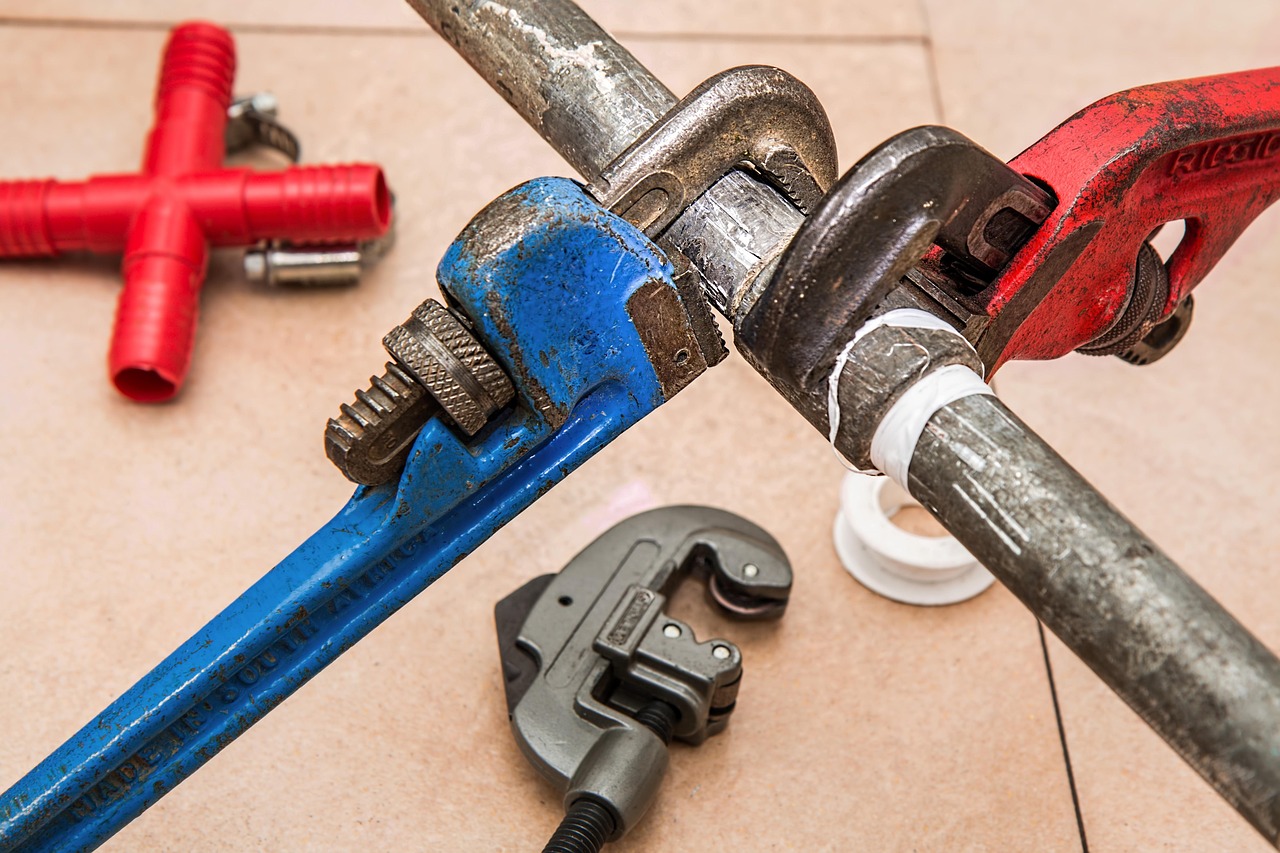
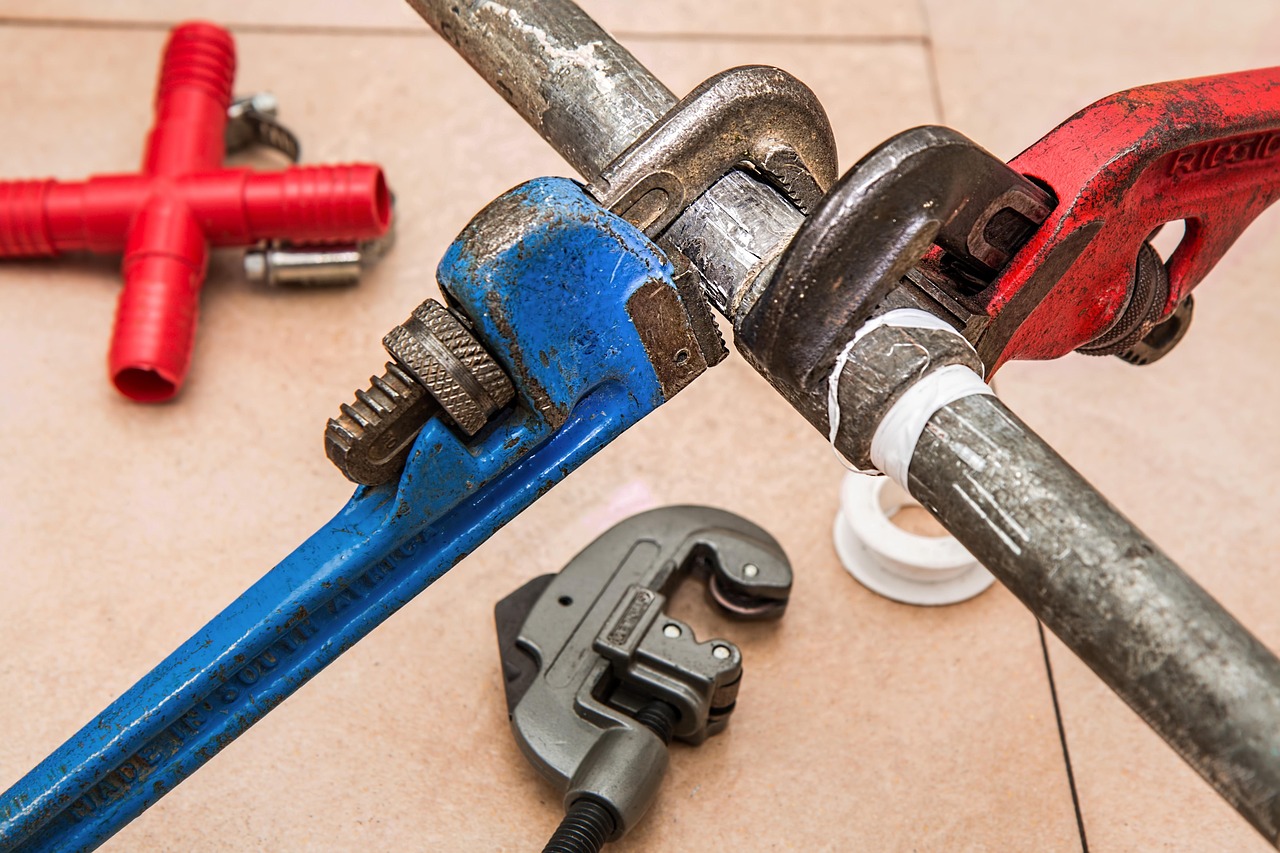
Tackling a clogged drain doesn’t require expensive equipment or specialized training. Most effective unclogging methods use simple household items or affordable tools available at any hardware store. Here’s what you should have on hand:
- Plunger (cup-style for sinks)
- Rubber gloves
- Bucket or large bowl
- Old towels or rags
- Wire coat hanger or drain snake
- Adjustable wrench or pliers
- Flashlight
- Baking soda and white vinegar
Having these items readily available means you can address most clogs immediately when they occur, preventing minor inconveniences from becoming major plumbing emergencies. The investment in these basic tools pays for itself after just one or two successful unclogging sessions.
💧 The Boiling Water Method: Simplest First Step
Often overlooked due to its simplicity, boiling water can effectively dissolve many common clogs, especially those caused by grease, soap, and organic matter. This method works best as a first attempt before moving to more intensive solutions.
Start by removing any standing water from the sink. Boil a full kettle of water and carefully pour it directly down the drain in stages, allowing several seconds between pours for the hot water to work through the clog. The heat melts grease and soap buildup while the force of the water helps dislodge debris.
For best results, repeat this process two or three times. If you notice the water draining more quickly with each attempt, you’re making progress. However, exercise caution with PVC pipes, as repeatedly pouring boiling water can potentially soften pipe joints over time. Allow a brief cooling period between applications if your plumbing uses plastic components.
When Boiling Water Works Best
This method excels at clearing fresh clogs caused by grease or soap before they solidify completely. It’s also perfect for routine maintenance, helping prevent clogs from forming in the first place. Use it weekly as a preventive measure, especially in kitchen sinks where grease accumulation is common.
🧪 The Baking Soda and Vinegar Solution
This classic combination creates a natural chemical reaction that can break down organic matter without the harsh effects of commercial drain cleaners. The fizzing action helps dislodge debris while the alkaline baking soda and acidic vinegar work together to dissolve buildup.
Remove standing water from the sink, then pour one cup of baking soda directly into the drain. Follow this immediately with one cup of white vinegar. You’ll hear fizzing and bubbling as the chemical reaction occurs. Quickly plug the drain with a stopper or wet cloth to force the reaction downward into the pipes rather than allowing it to escape through the sink opening.
Let this mixture work for at least 30 minutes, though leaving it overnight produces even better results for stubborn clogs. After the waiting period, flush the drain with hot water for several minutes to wash away the loosened debris. This method is completely safe for all pipe types and won’t damage your plumbing system.
Enhancing the Baking Soda Method
For particularly stubborn clogs, add salt to the mixture. Pour half a cup of salt down the drain, followed by baking soda, then vinegar. The salt provides abrasive action that helps scrub pipe walls while the chemical reaction does its work. This enhanced version tackles grease and soap scum more aggressively.
🪠 Mastering the Plunger Technique
While everyone knows what a plunger is, few people use it correctly for sink drains. Proper technique makes all the difference between success and frustration. A cup-style plunger works better for sinks than the flanged toilet plungers most people own.
Fill the sink with enough water to cover the plunger cup completely—this creates the necessary seal and hydraulic pressure. If your sink has an overflow opening, plug it with a wet cloth or duct tape to prevent air from escaping, which would reduce plunging effectiveness.
Position the plunger directly over the drain, ensuring a tight seal. Push down firmly but slowly to expel air from the cup, then pull up sharply. The pulling motion often proves more effective than pushing, as it creates suction that yanks the clog free rather than simply pushing it deeper. Repeat this push-pull action vigorously for 20-30 seconds, maintaining the seal throughout.
Double Sink Considerations
If you’re working with a double sink, you must seal the second drain completely while plunging the first. Otherwise, air simply moves between the two drains without creating useful pressure. Have a helper press a wet cloth firmly over the second drain, or use a sink stopper with duct tape for a secure seal.
🔧 Tackling the P-Trap: Direct Access Method
When surface methods fail, accessing the P-trap directly provides the most reliable solution for stubborn clogs. This curved pipe section beneath your sink catches debris by design, preventing it from entering your main plumbing system. Fortunately, it’s designed for easy removal and cleaning.
Place a bucket directly under the P-trap to catch water and debris. Using an adjustable wrench or pliers, loosen the slip nuts connecting the trap to the drain pipe and tailpiece. Some traps have hand-tightened nuts that require no tools. Once loosened, carefully remove the P-trap and empty its contents into the bucket.
Inspect the trap thoroughly, removing any accumulated hair, sludge, or objects causing the blockage. Use an old toothbrush or bottle brush to scrub the interior clean. Also check the pipes connecting to the trap for obstructions. Run water through the trap to ensure it’s completely clear before reinstalling.
Proper Reassembly Tips
When reattaching the P-trap, hand-tighten the slip nuts first, ensuring the washers are properly positioned. Then use your wrench to snug them just beyond hand-tight—overtightening can crack the nuts or crush the washers, causing leaks. Run water to test for leaks, and tighten slightly more only if necessary.
🐍 Using a Drain Snake Effectively
A drain snake, also called a plumber’s auger, provides mechanical force to break through or retrieve clogs beyond the P-trap. These flexible tools come in manual and powered versions, with manual options perfectly adequate for most household sink clogs.
Feed the snake into the drain slowly, rotating the handle clockwise as you push. You’ll feel resistance when encountering the clog. Continue rotating while applying gentle forward pressure—the snake’s coil will either break through the obstruction or hook onto it so you can pull it out.
When you’ve penetrated the clog, continue feeding the snake a bit further, then slowly withdraw it while continuing to rotate. This action helps ensure you’ve cleared the entire blockage rather than just punching a small hole through it. You may need to repeat this process several times for complete clearing.
DIY Snake Alternative
No drain snake? A wire coat hanger makes an effective substitute for many clogs. Straighten the hanger, leaving the hook end intact or bending it into a small hook. Feed it carefully into the drain, hook end first, to snag hair and debris. This works particularly well for bathroom sink clogs caused by hair accumulation.
🚫 What to Avoid: Protecting Your Pipes
Certain popular methods and products can cause more harm than good, potentially leading to expensive repairs. Chemical drain cleaners top the list of products to avoid whenever possible. These caustic substances generate heat and chemical reactions that can damage pipes, especially older metal pipes or plastic components.
Repeated use of chemical cleaners eats away at pipe material, eventually causing leaks or complete failure. They’re particularly dangerous if they fail to clear the clog, leaving a sink full of toxic chemicals that presents hazards during subsequent cleaning attempts. If chemical cleaners mix with other substances, they can create dangerous gases.
Avoid using sharp objects like screwdrivers or metal rods to poke at clogs. These can scratch and damage pipe interiors, creating rough surfaces where future clogs form more easily. They can also puncture pipes entirely, creating emergency situations far worse than the original clog.
The Wet-Dry Vacuum Mistake
While some sources recommend using a wet-dry vacuum to suck out clogs, this method rarely works for sink drains and can push water and debris into overflow openings or vent pipes, creating problems in unexpected places. The suction also risks damaging pipe seals and connections.
🔄 Prevention: The Best Long-Term Strategy
Preventing clogs proves far easier than clearing them. Simple habits integrated into your routine keep drains flowing freely and eliminate most potential problems before they start.
In kitchen sinks, never pour grease or cooking oil down the drain. Instead, collect these substances in a container and dispose of them with your regular trash. Use sink strainers to catch food particles, emptying them into the garbage after each use. Run hot water for 30 seconds after each use to flush debris through the pipes.
For bathroom sinks, install a drain cover with fine mesh to catch hair before it enters the drain. Clean this cover regularly rather than allowing hair to accumulate. Once weekly, flush drains with hot water or use the baking soda and vinegar method as preventive maintenance.
Monthly Maintenance Routine
Set a monthly reminder to perform preventive maintenance on all household sinks. This routine takes just minutes but prevents emergency situations:
- Remove and clean all drain covers and stoppers
- Flush each drain with boiling water
- Apply the baking soda and vinegar treatment
- Run hot water for several minutes
- Inspect visible pipes for leaks or corrosion
📊 Comparing Different Methods
| Method | Effectiveness | Cost | Time Required | Skill Level |
|---|---|---|---|---|
| Boiling Water | Low to Medium | Free | 5-10 minutes | Beginner |
| Baking Soda & Vinegar | Medium | Under $5 | 30-60 minutes | Beginner |
| Plunger | Medium to High | $10-20 | 10-20 minutes | Beginner |
| P-Trap Cleaning | High | Free to $15 | 20-30 minutes | Intermediate |
| Drain Snake | High | $15-50 | 15-30 minutes | Intermediate |
⚠️ When to Call a Professional Plumber
While DIY methods handle most common clogs effectively, certain situations require professional expertise. Recognizing when you’re in over your head prevents additional damage and ultimately saves money.
Call a plumber if you’ve tried multiple methods without success, as the clog may be located deep in your plumbing system where household tools can’t reach. Multiple drains backing up simultaneously indicates a main line problem requiring professional equipment and expertise.
Sewage odors coming from your drains suggest vent stack problems or issues with your main sewer line. These situations pose health risks and need immediate professional attention. Similarly, if you hear gurgling sounds from multiple drains or notice water backing up in strange places, the problem extends beyond a simple sink clog.
Cost Considerations
Professional drain cleaning typically costs between $150 and $300 for standard clogs, though complex situations requiring camera inspection or main line access cost more. While this seems expensive compared to DIY methods, professionals prevent the pipe damage that results from repeated unsuccessful amateur attempts. They also diagnose underlying issues that might cause recurring clogs.
💡 Smart Solutions for Specific Situations
Different types of clogs respond better to specific treatment methods. Identifying your clog type helps you choose the most effective approach from the start.
Grease clogs respond best to hot water and enzyme-based cleaners that break down fats. The boiling water method works excellently for fresh grease but struggles with solidified buildups. Hair clogs require mechanical removal—the drain snake or P-trap cleaning method proves most effective, as hair doesn’t dissolve with chemical treatments.
Soap scum benefits from acidic treatments like vinegar or citric acid solutions. Food particle clogs usually respond to plunging combined with hot water flushing. Object clogs (jewelry, small toys, etc.) absolutely require P-trap removal, as no other method safely retrieves solid objects.
🌿 Eco-Friendly Maintenance Practices
Environmental consciousness and effective drain care aren’t mutually exclusive. Enzyme-based drain cleaners use beneficial bacteria to digest organic matter in pipes, providing monthly maintenance without harsh chemicals. These products work slowly but safely, making them ideal for regular upkeep rather than emergency clearing.
Citrus peels contain natural oils that clean and deodorize drains. Drop lemon or orange peels down the garbage disposal, running it with cold water to distribute the oils through your pipes. This leaves a fresh scent while providing mild cleaning action.
Salt and baking soda mixtures offer abrasive cleaning without environmental harm. This combination scrubs away residue while being completely safe for septic systems and waterways, unlike chemical drain cleaners that introduce toxins into water treatment systems.
🎯 Creating Your Personal Drain Care Plan
Armed with this knowledge, develop a customized drain care strategy for your home. Start with preventive measures as your foundation—proper disposal habits and weekly hot water flushing prevent most problems before they start.
Keep essential unclogging tools easily accessible under your sink. A simple kit containing a plunger, gloves, and drain snake means you can address issues immediately rather than letting them worsen. Include baking soda and vinegar in your regular shopping list so these natural cleaning agents are always available.
Document which methods work best for each sink in your home. Kitchen drains might respond better to hot water treatments due to grease buildup, while bathroom sinks might require monthly P-trap cleaning due to hair accumulation. This personalized knowledge makes future maintenance faster and more effective.
Remember that clear drains result from consistent attention rather than heroic emergency efforts. The few minutes you invest in weekly prevention eliminate the hours of frustration spent battling serious clogs. By understanding your plumbing system and respecting its limitations, you maintain smooth drainage without harsh chemicals, expensive service calls, or damaged pipes.
A functioning sink drain might seem like a small detail, but it represents a crucial element of your daily comfort and household efficiency. Taking control of your drain maintenance empowers you to handle common plumbing issues confidently while knowing when professional help truly becomes necessary. Your plumbing system will reward this attentive care with years of trouble-free service.